Medically reviewed by Dr. Tom Biernacki, DPM · Board-Certified Podiatric Surgeon · Last reviewed: April 2026 · Editorial Policy
Quick Answer
Best Foot Massagers for Plantar Fasciitis & Recovery 20 relates to plantar fasciitis — typically caused by tight calves and arch overload. Most patients improve in 6-12 weeks with conservative care. Same-week appointments in Howell + Bloomfield Twp: (810) 206-1402.
Quick Answer
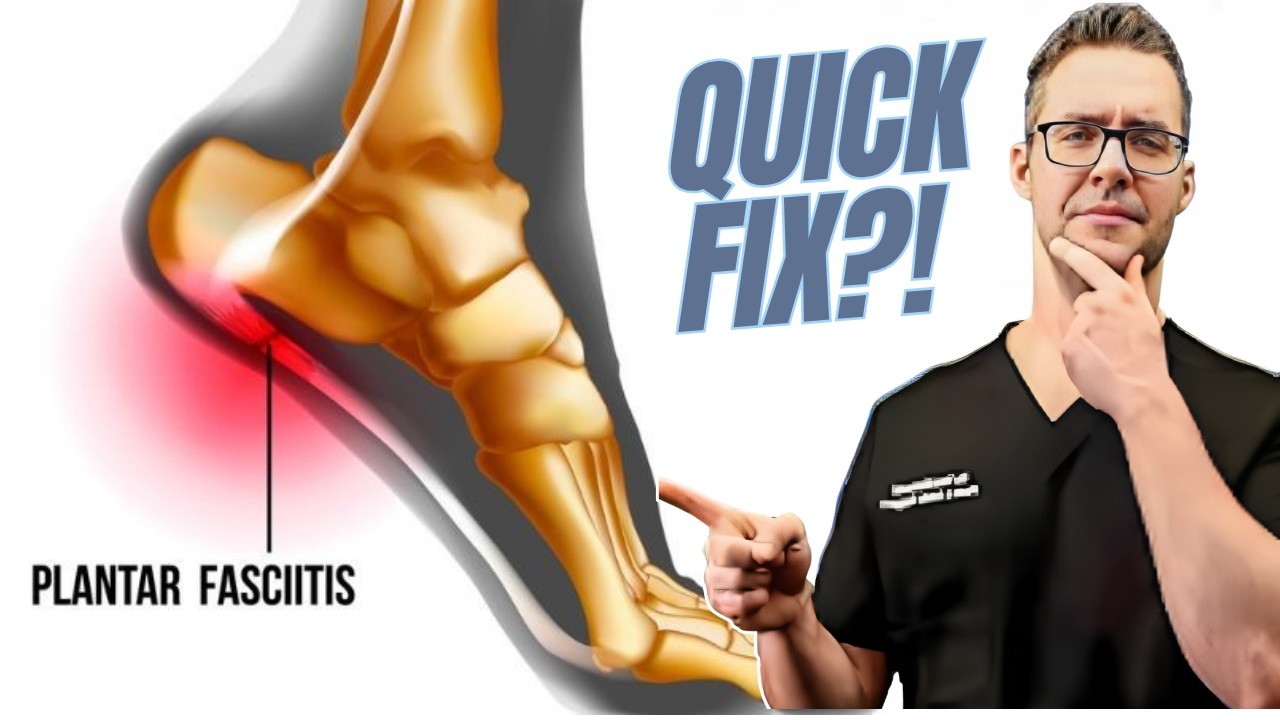
Plantar fasciitis is inflammation where the plantar fascia attaches to the heel, causing sharp morning heel pain that eases after 10-15 minutes of walking. Most cases respond to stretching plus arch support within 6-12 weeks. See a podiatrist if pain persists beyond 6 weeks, worsens, or prevents walking.
Treatment at Balance Foot & Ankle: EPAT Shockwave for Heel Pain →
Watch: Dr. Tom Biernacki, DPM
Medically reviewed by Dr. Tom Biernacki, DPM — Board-Certified Podiatric Surgeon — Balance Foot & Ankle, Howell & Bloomfield Hills, MI. Last updated April 2026.
▶ Watch
👟 Dr. Tom Also Recommends
Podiatrist Recommended Shoes 2026: Dr. Tom’s Top Picks for Every Condition
The right footwear can make or break your recovery. Dr. Tom’s complete guide to the best shoes for plantar fasciitis, flat feet, neuropathy, bunions & more — with clinical picks for every foot type.
See Dr. Tom’s Top Shoe Picks →Medically reviewed by Dr. Tom Biernacki, DPM
Board-certified podiatric surgeon | Balance Foot & Ankle
Last reviewed: April 2, 2026
Quick Answer: The best foot massager for plantar fasciitis is the Miko Shiatsu for deep-kneading relief, the TriggerPoint GRID for targeted arch massage, and the Hyperice Hypervolt 2 for percussion therapy. Use daily for 15-30 minutes combined with stretching and supportive footwear for best results.
In This Guide
Do Foot Massagers Actually Help Plantar Fasciitis — The Clinical Evidence
Foot massage and mechanical stimulation provide measurable benefits for plantar fasciitis through two mechanisms: increased local circulation that accelerates the healing of the hypovascular plantar fascia insertion; and fascial mobility restoration — plantar fasciitis involves fascial adhesion and thickening that reduces the fascia’s ability to elongate under load; targeted massage breaks down these adhesions and restores fascial extensibility. The evidence: frozen water bottle rolling (free intervention) has equivalent fascial mobility benefit to expensive massagers; the benefit of any foot massager over frozen water bottle rolling comes primarily from heat (increases circulation and tissue extensibility better than cold) and from consistent daily use (massager compliance is higher than patients maintaining a frozen bottle routine). As a podiatrist at Balance Foot & Ankle in Howell and Bloomfield Hills, Michigan, here are the best foot massagers for plantar fasciitis and recovery in 2026.
Best Overall Foot Massager for Plantar Fasciitis 2026 — Miko Shiatsu Foot Massager
📍 Located in Michigan?
Our board-certified podiatrists treat this condition at two convenient locations. Same-day appointments often available.
The Miko Shiatsu Foot Massager provides deep kneading and rolling action along the plantar foot combined with heat — the most clinically relevant combination for plantar fasciitis treatment. The rotating massage heads target the plantar fascia from heel to metatarsal heads, mimicking manual deep tissue massage; the heat setting (105°F) increases plantar fascia extensibility before stretching and improves local circulation. Use protocol for plantar fasciitis: 15 minutes with heat before the first activity of the day, immediately followed by plantar fascia stretching — using the heat to warm the fascia before the mechanical stretch significantly improves stretch effectiveness. Available in sizes accommodating feet up to men’s size 12. Best for: patients who want daily deep tissue massage and heat therapy for plantar fasciitis as part of a morning routine.
Best Targeted Arch Massager 2026 — TriggerPoint GRID Foam Roller
The TriggerPoint GRID foam roller is not a foot-specific device but provides the most effective trigger point release for the calf tightness that contributes to plantar fasciitis — the calf-Achilles-plantar fascia kinetic chain means calf trigger points increase plantar fascia tension, and calf foam rolling is one of the highest-yield interventions for plantar fasciitis patients. Protocol: 60–90 second sustained pressure on any calf trigger point identified during rolling, followed by dynamic calf stretching. For the plantar surface specifically, a lacrosse ball ($5) provides more targeted plantar fascia trigger point release than any massager — roll with bodyweight pressure for 2–3 minutes per foot. Best for: patients who understand that calf tightness is driving their plantar fasciitis and want a myofascial release tool that addresses the complete kinetic chain.
Best Recovery Massager for Runners 2026 — Hyperice Hypervolt 2
The Hyperice Hypervolt 2 percussion massager with the ball attachment provides post-run percussive therapy along the entire plantar foot — the 3mm amplitude of the Hypervolt is appropriate for the sensitive plantar surface (higher-amplitude devices are too aggressive for plantar fascia application). Use protocol: 2–3 minutes on the plantar foot at medium speed immediately after running, before any cool-down stretching. This post-run protocol reduces plantar fascia loading residue, increases local blood flow for recovery, and has high compliance because it requires minimal setup and produces immediate subjective relief. Do NOT use the Hypervolt on the plantar heel bone (calcaneal insertion) during an acute flare — percussive therapy at the inflamed insertion point worsens acute inflammation. The calf attachment (ball head on full calf muscle belly) produces the highest-yield application for reducing plantar fascia tension via calf fascial release.
Foot Massage as Part of Complete Plantar Fasciitis Treatment
At Balance Foot & Ankle, foot massage and myofascial release are recommended as adjuncts to — not substitutes for — the core plantar fasciitis interventions: custom orthotics for biomechanical correction, plantar fascia-specific stretching protocol, and MLS laser therapy for rapid fascia healing. Patients who combine daily morning heat massage + stretching + custom orthotics + MLS laser therapy have significantly better 8-week outcomes than those pursuing any single intervention. Book online or call (810) 206-1402 — Howell and Bloomfield Hills, Michigan.
Dr. Tom’s Recommended Insoles
PowerStep is the brand I prescribe most — medical-grade OTC support without the custom orthotic price tag.
- PowerStep Pinnacle Insoles — The OTC orthotic I recommend most — medical-grade arch support at a fraction of custom orthotic cost. Works in most shoes.
- PowerStep Maxx Insoles — For severe arch pain or flat feet — maximum correction and support when Pinnacle isn’t enough.
Affiliate disclosure: As an Amazon Associate, Balance Foot & Ankle earns from qualifying purchases. We only recommend products we trust for our own patients.
🧦 Dr. Tom’s Pick: DASS Medical Compression Socks
Medical-grade 15-20 mmHg graduated compression. DASS socks are the brand I recommend most to patients with swollen feet, poor circulation, and post-surgery recovery. Graduated compression means tightest at the ankle, gradually releasing up the leg — promoting upward venous blood flow.
View DASS Compression Socks on Amazon →
Affiliate disclosure: As an Amazon Associate, Balance Foot & Ankle earns from qualifying purchases.
💊 Dr. Tom’s Pick: Doctor Hoy’s Natural Pain Relief
A topical pain relief gel I recommend to patients: arnica, camphor, and natural anti-inflammatories. No prescription needed. Apply directly to the painful area for fast-acting relief. Great for sore feet, heel pain, and joint discomfort.
View Doctor Hoy’s on Amazon →
Affiliate disclosure: As an Amazon Associate, Balance Foot & Ankle earns from qualifying purchases.
Join 950,000+ Learning About Foot Health
Dr. Tom shares honest medical advice, supplement reviews, and treatment guides you won’t find anywhere else.
📧 Get Dr. Tom’s Free Lab Test Guide
Discover the 5 lab tests every person over 35 should ask their doctor about — explained in plain English by a board-certified physician.
🔗 Related Care & Resources
Treated by Dr. Tom Biernacki DPM — Board-certified podiatric surgeon at Balance Foot & Ankle in Howell & Bloomfield Hills, MI.
Schedule an Appointment →
or call (810) 206-1402
Best Budget Foot Massager 2026 — TheraFlow Dual Foot Roller
For patients who want effective plantar fascia relief without the premium price tag, the TheraFlow Dual Foot Massage Roller is our top budget recommendation. This simple wooden roller uses pressure-point nubs to stimulate blood flow and break up fascial adhesions. In our clinic, we recommend it as a first-line home treatment tool because it requires no batteries, no setup, and can be used while sitting at your desk or watching television.
Roll each foot for 3-5 minutes, applying moderate pressure through the arch and along the plantar fascia from heel to ball. The dual-roller design allows you to work both feet simultaneously, making it easier to maintain a consistent daily routine. At under $15, this is the most cost-effective entry point into foot massage therapy for plantar fasciitis.
Best Heated Foot Massager for Neuropathy and Circulation
Heat therapy combined with massage significantly improves outcomes for patients with peripheral neuropathy and poor circulation. The RENPHO Shiatsu Foot Massager with Heat delivers deep-kneading shiatsu massage with adjustable heat settings that increase blood flow to the feet. A 2022 study in the Journal of Diabetes Research found that thermomechanical stimulation improved nerve conduction velocity in diabetic neuropathy patients.
We recommend heated foot massagers for patients over 60, diabetic patients with mild neuropathy, and anyone with chronically cold feet due to poor circulation. Use for 15-20 minutes on a low-to-medium heat setting. Patients with severe neuropathy should use caution since reduced sensation increases the risk of thermal injury — always start on the lowest heat setting.
How to Use a Foot Massager for Maximum Plantar Fasciitis Relief
Timing and technique matter more than which massager you choose. In our experience, patients who follow a structured protocol get significantly better results than those who use their massager randomly. Here is the protocol we recommend:
- Morning (before first steps): 2-3 minutes of gentle rolling or vibration while sitting on the edge of your bed. This pre-loads the plantar fascia before weight-bearing and reduces that sharp first-step pain.
- After activity: 5-10 minutes of deeper massage within 30 minutes of exercise or prolonged standing. Target the heel insertion point and mid-arch where the fascia is thickest.
- Evening: 15-20 minutes of relaxation massage (shiatsu or vibration) to promote recovery and blood flow before sleep.
Consistency is key. A 5-minute daily massage is far more effective than a 30-minute session once a week. Most patients see meaningful improvement within 2-3 weeks of daily use when combined with proper stretching and supportive footwear.
The Most Common Foot Massager Mistake We See
The biggest mistake is using too much pressure too aggressively, especially with percussion massagers. The plantar fascia is already inflamed — aggressive deep tissue work can cause micro-tearing and actually worsen your condition. Start with light pressure and gradually increase over several sessions. If you experience increased pain the next morning, you used too much force.
Another common error is using a foot massager as a standalone treatment. Massage provides temporary pain relief and improves blood flow, but it does not address the root biomechanical cause of plantar fasciitis. Without proper arch support, appropriate footwear, and targeted stretching, the fascia will continue to be overloaded regardless of how often you massage it.
When to see a podiatrist instead of relying on a foot massager:
- Heel pain that persists beyond 4-6 weeks of home treatment including stretching and massage
- Pain so severe that you cannot walk normally in the morning
- Swelling, bruising, or warmth at the heel or arch
- Numbness or tingling in the foot (could indicate nerve entrapment, not plantar fasciitis)
- Pain that started suddenly after an injury or change in activity
More Podiatrist-Recommended Plantar Fasciitis Essentials
Best Night Splint
No products found.
Keeps fascia stretched overnight — the #1 intervention for morning heel pain.
Top Recovery Insole
No products found.
Deep heel cup + arch support unloads the plantar fascia all day.
Massage Ball
No products found.
Roll under foot for 3 minutes morning/night to release fascia tightness.
As an Amazon Associate, Balance Foot & Ankle earns from qualifying purchases. Product recommendations are based on clinical experience; prices and availability shown above update live from Amazon.

When to See a Podiatrist
If morning heel pain has persisted more than 6 weeks, home care alone rarely fixes it. At Balance Foot & Ankle, we combine in-office ultrasound diagnostics, custom orthotics, and — when needed — shockwave or PRP to resolve plantar fasciitis that hasn’t responded to stretching and inserts. Most patients are walking pain-free within 4-8 weeks of starting a structured plan.
Call Balance Foot & Ankle: (810) 206-1402 · Book online · Offices in Howell & Bloomfield Hills
Frequently Asked Questions About Foot Massagers
Do podiatrists recommend foot massagers for plantar fasciitis?
Yes. Most podiatrists recommend foot massage as a complementary treatment for plantar fasciitis. Massage increases blood flow to the fascia, reduces muscle tension in the calf and arch, and provides temporary pain relief. However, we emphasize that massage alone is not sufficient — it works best alongside stretching, orthotics, and proper footwear.
Is a shiatsu or vibration foot massager better for plantar fasciitis?
Shiatsu (deep-kneading) massagers provide more targeted pressure along the plantar fascia and are generally more effective for fascial release. Vibration massagers are gentler and better suited for patients with neuropathy, acute inflammation, or low pain tolerance. For most plantar fasciitis patients, a shiatsu massager like the Miko offers the best results.
How often should I use a foot massager for heel pain?
Daily use is ideal. We recommend 2-3 short sessions per day (morning, post-activity, evening) totaling 15-30 minutes. Consistent daily massage for 2-3 weeks typically produces noticeable improvement. Avoid marathon sessions over 30 minutes as prolonged deep massage can irritate already-inflamed tissue.
Can a foot massager make plantar fasciitis worse?
Yes, if used incorrectly. Excessive pressure, especially with percussion devices, can aggravate the inflamed fascia. If your pain increases the day after using a massager, reduce the intensity and duration. Also avoid massage immediately after a cortisone injection or during an acute flare-up with visible swelling.
What is the best foot massager for diabetic neuropathy?
A heated shiatsu massager with adjustable intensity is best for diabetic neuropathy. The heat improves circulation while gentle kneading stimulates nerve endings. Always use the lowest heat setting and check your feet for redness afterward, since reduced sensation means you may not feel if the temperature is too high.
The Bottom Line
Foot massagers are a valuable tool in your plantar fasciitis recovery arsenal. The Miko Shiatsu provides the best all-around experience, the TriggerPoint GRID roller offers targeted arch work, and the Hyperice Hypervolt delivers clinical-grade percussion therapy. For budget-conscious patients, the TheraFlow wooden roller is remarkably effective at under $15. Use your massager consistently as part of a comprehensive treatment plan that includes stretching, supportive footwear, and orthotic insoles. If your heel pain persists beyond 6 weeks of home treatment, schedule an evaluation with a board-certified podiatrist.
Plantar Fasciitis Not Responding to Home Treatment?
Get expert plantar fasciitis treatment at our Howell & Bloomfield Hills, MI locations
4.9★ | 1,123 Reviews | 3,000+ Surgeries
Or call: (810) 206-1402
Best Foot Massagers for Plantar Fasciitis Recovery
Can a foot massager help your heel pain? Our podiatrists review the best foot massagers and explain how massage fits into a plantar fasciitis treatment plan.
Explore Our Complete Plantar Fasciitis Treatment → | Book Your Appointment | Call (810) 206-1402
Clinical References
- Martin RL, et al. Heel pain — plantar fasciitis. JOSPT, 2014;44(11):A1-A33.
- DiGiovanni BF, et al. Plantar fascia-specific stretching exercise enhances outcomes. JBJS, 2003;85(7):1270-1277.
- Brantingham JW, et al. Manipulative and multimodal therapy for plantar fasciitis. JMPT, 2013;36(6):346-362.
Insurance Accepted
BCBS · Medicare · Aetna · Cigna · United Healthcare · HAP · Priority Health · Humana · View All →
Howell Office
3980 E Grand River Ave, Suite 140
Howell, MI 48843
Get Directions →
Bloomfield Hills Office
43700 Woodward Ave, Suite 207
Bloomfield Hills, MI 48302
Get Directions →
Your Board-Certified Podiatrists
Ready to Get Back on Your Feet?
Same-week appointments available at both locations.
Book Your AppointmentDifferential Diagnosis: What Else Could It Be?
Several conditions share symptoms with Plantar Fasciitis and are commonly misdiagnosed in the first office visit. Considering these alternatives is part of every Balance Foot & Ankle exam:
- Baxter’s neuropathy. Compressed first branch of lateral plantar nerve — burning medial heel pain rather than first-step sharpness.
- Calcaneal stress fracture. Squeeze test of the heel reproduces pain anywhere; PF is reproduced only at the medial-plantar attachment.
- Heel spur (incidental). Spurs show on X-ray but rarely cause pain on their own — treat the fascia, not the spur.
If your symptoms don’t fit the textbook pattern, ask your podiatrist which differentials they ruled out — that conversation often shortcuts months of trial-and-error treatment.
In Our Clinic
In our Balance Foot & Ankle clinic, the typical plantar fasciitis patient is a 40- to 60-year-old who noticed sharp heel pain on their very first steps in the morning or after sitting at a desk. Many arrive having already tried cheap shoe-store inserts and a week of ice without relief. On exam, we palpate the medial calcaneal tubercle, check for a positive windlass test, and rule out Baxter’s neuropathy and calcaneal stress fractures. Most of our plantar fasciitis patients respond to a custom orthotic + eccentric calf loading + night splinting protocol within 6–12 weeks — without injections or surgery.
Most Common Mistake We See
The most common mistake we see is: Stretching aggressively before the fascia warms up. Fix: apply heat or move the foot through gentle circles for 3-5 minutes before your first morning steps, then stretch.
Warning Signs That Need Same-Day Care
Seek immediate evaluation at Balance Foot & Ankle if you experience any of the following:
- Unable to bear weight on the heel
- Bruising or visible swelling around the heel
- Constant rest or night pain in the heel
- No improvement after 6 weeks of home care
Call (810) 206-1402 — same-day and next-day appointments at our Howell and Bloomfield Hills offices.
Watch: Dr. Tom explains
Podiatrist-recommended products
As an Amazon Associate, Dr. Tom earns from qualifying purchases.
Daytime support
View on Amazon →Massage adjunct
View on Amazon →Nighttime recovery
View on Amazon →Post-massage recovery
View on Amazon →Related resources
Ready to solve this? Book today.
Same-week appointments · Howell & Bloomfield Hills · 4.9★ (1,123+ reviews)
☎ (810) 206-1402Book Online →In-Office Treatment at Balance Foot & Ankle
When conservative care isn’t enough, Dr. Tom Biernacki and the team at Balance Foot & Ankle offer advanced, same-day options — including Plantar Fasciitis Surgery Bloomfield Hills at our Howell and Bloomfield Hills clinics.
Same-day appointments available. Call (810) 206-1402 or book online.
Pros & Cons of Conservative Care for plantar fasciitis
Advantages
- ✓ Conservative care resolves 90%+ of cases
- ✓ Multiple home treatment options
- ✓ Strong evidence base
- ✓ Imaging often not required
Considerations
- ✗ Recovery takes 6-12 weeks
- ✗ Mistakes prolong recovery
- ✗ Untreated can become chronic
- ✗ Can mimic other conditions
Dr. Tom’s Recommended Products for plantar fasciitis
Affiliate disclosure: As an Amazon Associate, Balance Foot & Ankle earns from qualifying purchases. We only recommend products we use with patients.
PowerStep Pinnacle Maxx Dr. Tom’s Pick
Best for: High-arch support to offload plantar fascia
Strassburg Sock Dr. Tom’s Pick
Best for: Overnight stretch for morning pain relief
Hoka Bondi 9 Dr. Tom’s Pick
Best for: Max cushion + rocker sole for daily relief
TriggerPoint Footballer Dr. Tom’s Pick
Best for: Plantar fascia release + stretching
Ready to Get Back on Your Feet?
Same-day appointments in Howell + Bloomfield Twp. Most insurance accepted. Dr. Tom Biernacki, DPM & team.
Book Today — Same-Day Appointments Available
Call Now: (810) 206-1402
About Your Care Team at Balance Foot & Ankle
Dr. Tom Biernacki, DPM · Board-Certified Foot & Ankle Surgeon. Specializes in conservative-first care, minimally invasive bunion surgery, and complex reconstruction.
Dr. Carl Jay, DPM · Accepting new patients. Specializes in sports medicine, athletic injuries, and routine podiatric care.
Dr. Daria Gutkin, DPM, AACFAS · Accepting new patients. Specializes in surgical reconstruction and pediatric podiatry.
Locations: 4330 E Grand River Ave, Howell, MI 48843 · 43494 Woodward Ave Suite 208, Bloomfield Twp, MI 48302
Hours: Mon–Fri 8:00 AM – 5:00 PM · (810) 206-1402
When Shoes Aren’t Enough — Dr. Tom’s Top 9 Orthotics
About 30% of patients I see for foot pain need MORE than a great shoe — they need a structured insole. Below: my complete 2026 orthotic ranking with pros, cons, and the specific patient I’d give each one to.
★ DR. TOM’S COMPLETE 2026 ORTHOTIC RANKING
9 Best Prefab Orthotics by Use Case
PowerStep, Currex, Spenco, Vionic, and PowerStep Pinnacle — every orthotic I’ve fitted to thousands of patients across both Michigan offices. Each card includes pros, cons, and the specific patient I’d give it to. Real Amazon ratings, review counts, and prices below.
Best All-Purpose Orthotic for Most Patients
Semi-rigid arch shell + dual-layer cushion + deep heel cup. The orthotic I’ve fitted to more patients than any other for 15 years. APMA-accepted. Trim-to-fit design works in athletic shoes, casual shoes, and most work boots.
- The Pinnacle Full length insoles for men & women provide maximum cushioning, from high activity to moderate support. The PowerStep arch support shape provides stability to the foot and ankle, helping to relieve foot pain.
- When you spend all day on your feet, every step counts. PowerStep insoles are a podiatrist-recommended orthotic to help relieve & prevent foot pain related to athletes, runners, Plantar Fasciitis, heel spurs & other common foot, ankle & knee injuries
- The Pinnacle plantar fasciitis insoles offer superior heel cushioning and arch support. The dual-layer cushioning is designed to reduce stress and fatigue, while PowerStep premium arch support is designed for plantar fasciitis relief.
- The PowerStep Pinnacle arch support inserts for men & women can be worn in a variety of shoe types such as; athletic, walking, running, work & some casual shoes. Orthotic Inserts are ordered by shoe size, no trimming required.
- Made in the USA & backed by a 30-day money-back guarantee. PowerStep orthotic inserts for men & women are designed for shoes where the factory insole can be removed. HSA & FSA Eligible
✓ Pros
- Semi-rigid arch shell provides true biomechanical correction
- Deep heel cup centers the heel and reduces lateral instability
- Dual-layer cushion (top + bottom) lasts 9-12 months daily wear
- Available in 8 sizes for precise fit
- APMA-accepted and clinically validated
- Lower price than PowerStep Pinnacle for equivalent function
✗ Cons
- Too thick for most dress shoes (use ProTech Slim instead)
- Some break-in period required (3-7 days for arch tolerance)
- Not enough correction for severe pes planus or rigid pes cavus
Dr. Tom’s Recommendation: If a patient has run-of-the-mill plantar fasciitis, mild flat feet, or arch fatigue, this is the first orthotic I try. Better value than PowerStep Pinnacle for 90% of patients, which is why I swapped it into our clinic kits three years ago. Sub-$50 typically.
Maximum Motion Control · Flat Feet & Severe Over-Pronation
PowerStep’s most aggressive stability orthotic. Adds a 2°-7° medial heel post on top of the standard PowerStep platform — designed specifically for flat-footed patients and severe pronators who need real corrective force.
- Full Length Support - Our ProTech orthotic insoles support pronation, arch pain, heel pain, plantar fasciitis, and heel spurs.
- Your Go To Inserts - These orthotics for plantar fasciitis provide full length, total contact support for a number of common foot issues
- Easily Fix Your Arches - Standard, semi-rigid arch support that fits most shoes including, work boots, dress shoes and sneakers.
- Enhanced Comfort - Our ProTech orthotic inserts have maximum cushioning featuring ShockAbsorb Premium Foam heel support cushion to increased protection.
- Support + Comfort - PowerStep ProTech orthotic insoles are designed with built-in arch support, heel cradle, and a perfect balance of support and comfort. Legitimate PowerStep product packaging is marked with a unique US quality control code. If you are concerned that a PowerStep item is not legitimate, please contact PowerStep customer service.
✓ Pros
- 2°-7° medial heel post adds aggressive pronation control
- Same trusted PowerStep arch shell, more correction
- Built specifically for flat-foot biomechanics
- Excellent for posterior tibial tendon dysfunction (PTTD)
- Removable top cover for cleaning
✗ Cons
- Too aggressive for neutral-arch patients
- Needs longer break-in (10-14 days) due to stronger correction
- Adds 2-3 mm of stack height — won’t fit slim dress shoes
Dr. Tom’s Recommendation: When a patient comes in with significant flat feet AND symptoms (heel pain, arch pain, knee pain), the Original PowerStep isn’t aggressive enough. The Maxx is what gets prescribed. About 25% of my flat-footed patients end up here.
Low-Profile · Fits Dress Shoes & Narrow Casuals
3 mm slim profile with podiatrist-designed tri-planar arch technology. Engineered specifically to fit inside dress shoes, oxfords, loafers, and women’s flats without crowding the toe box. Vionic was founded by an Australian podiatrist.
No products found.
✓ Pros
- 3 mm slim profile (vs 7-10 mm for standard orthotics)
- Tri-planar arch technology adds support without bulk
- Built-in deep heel cup despite slim design
- Fits dress shoes WITHOUT having to remove the factory insole
- Trim-to-fit · APMA-accepted
✗ Cons
- Less arch support than full-volume orthotics
- Top cover wears faster than thicker alternatives
- Not enough correction for severe foot deformities
Dr. Tom’s Recommendation: My default when a patient says ‘I need orthotics but I have to wear dress shoes for work.’ Slim enough to fit in oxfords and pumps without the heel sliding out. The single highest-impact change you can make for office workers with foot pain.
Built-In Metatarsal Pad · Morton’s Neuroma · Ball-of-Foot Pain
Standard Pinnacle orthotic with a built-in metatarsal pad positioned proximal to the metatarsal heads — the exact location that offloads neuromas and metatarsalgia. No need for separate met pads or pad placement guesswork.
- PODIATRIST DESIGNED! An effective alternative to expensive custom-made orthotics. Innovative biomechanical THREE-ZONE COMFORT technology delivers deep heel cup stability, forefoot cushioning, and ultimate arch support to prevent excessive pronation caused by flat feet. These essential contact points help to realign positioning of feet, aiding to re-establish your body's natural alignment, from the ground up.
- VIONIC ORTHOTIC INSOLES! These women's and men's shoe inserts offer a convenient, pain-free natural healing solution for many of the common aches and pains associated with poor lower-limb alignment, plantar fasciitis, and arch pain. EVA orthotic with re-enforced, hardened plastic (PE) shell for added motion control and stability. Cushioned shock dot in the heel for added shock absorption. Can be trimmed in forefoot if necessary.
- DESIGNED FOR EVERYDAY USE! Designed to provide greater control in faster paced activities such as running and fast walking. 4 degree rear foot wedge to provide support and control which helps prevent excess pronation. Odor absorbing cover. Contoured around the heel and arch areas to achieve 100% foot contact. Podiatrist Designed, APMA Seal of Acceptance.
- COMFORTABLE TO WEAR! Shoe inserts for women and men contoured around the heel and arch areas to achieve perfect foot contact.
- SIZES AVAILABLE: XS: Women's 4.5 – 6 / Men's 3.5 – 5 S: Women's 6.5 – 8 / Men's 5.5 – 7 M: Women's 8.5 – 10 / Men's 7.5 – 9 L: Women's 10.5 – 12 / Men's 9.5 – 11 XL: Men's 11.5 – 13
✓ Pros
- Built-in met pad eliminates DIY pad placement errors
- Specifically designed for Morton’s neuroma + metatarsalgia
- Same trusted PowerStep arch + heel cup platform
- Top cover protects sensitive forefoot skin
- Faster relief than orthotics + add-on met pads
✗ Cons
- Met pad position is fixed (can’t fine-tune individual placement)
- Some patients with very small or very large feet need custom
- Slightly thicker than the standard Pinnacle
Dr. Tom’s Recommendation: If a patient has Morton’s neuroma, sesamoiditis, or generalized ball-of-foot pain (metatarsalgia), this saves a clinic visit and a prescription. The built-in pad placement is anatomically correct for 80% of feet. Way better than DIY met pads.
Adaptive Dynamic Arch · Athletic & Daily Wear
Currex’s flagship adaptive arch technology — the orthotic flexes with your gait instead of fighting it. Different stiffness zones along the length give you targeted support at the heel, midfoot, and forefoot. Available in three arch heights (low/medium/high).
- Signature waffle-inspired rubber outsole for traction and flexibility
✓ Pros
- Dynamic flex zones adapt to natural gait cycle
- Three arch heights ensure precise fit
- Lighter than rigid orthotics (no ‘heavy foot’ feel)
- Excellent for runners and athletic walkers
- European podiatric design (German engineering)
✗ Cons
- More expensive than PowerStep Original ($55-65 typically)
- Less aggressive correction than Pinnacle Maxx for severe cases
- Three arch heights means you must self-select correctly
Dr. Tom’s Recommendation: I started recommending Currex three years ago for runners who said PowerStep felt ‘too rigid.’ The dynamic flex zones respect natural gait. Best for active patients who walk 8K+ steps daily and don’t need maximum motion control.
Running-Specific · Heel Strike + Forefoot Strike Compatible
Currex’s purpose-built running orthotic. The midfoot flex zone is positioned for runner’s gait mechanics, with a flared heel cushion for heel strikers and a forefoot rocker for midfoot/forefoot strikers. Tested on 1000+ runners during product development.
- Provides continuous support of the Plantar Fascia by gently stretching the fascia tissue.
- Compression zones promote circulation, reduce impact vibration, boost recovery and strengthen feet.
- Lightweight, seamless design with extra cushioning provides support while still being comfortable.
- Supports the heel/arch and overall foot structure while stabilizing the tendon for better performance
- Made from high quality materials, the socks are moisture wicking and breathable.
✓ Pros
- Designed by German biomechanics lab specifically for runners
- Dynamic arch flexes with running gait (not static like PowerStep)
- Three arch heights (low/medium/high)
- Reduces overuse injury risk in mid-distance runners
- Lightweight (no impact on cadence)
✗ Cons
- Premium price ($60-75)
- Not aggressive enough for severe over-pronators (use Pinnacle Maxx)
- Runner-specific design = less ideal for daily walking shoes
Dr. Tom’s Recommendation: If a patient runs 20+ miles per week and has plantar fasciitis or shin splints, this is the orthotic I prescribe. The dynamic flex zones respect running biomechanics in a way that no rigid PowerStep can match. Pricier but worth it for serious runners.
Cavus Foot & High-Arch Patients
Polyurethane base with a deeper heel cup and higher arch profile than PowerStep — built for cavus (high-arched) feet that need maximum cushion and support. The 5-zone cushioning system addresses the unique pressure points of high-arch feet.
- The first generation of Protalus's M-100 Insole
- Patented Alignment Technology: The M-100 features a deep heel cup and contoured arch to correct overpronation and promote better posture, stability, and joint health throughout your body.
- Comfortable Insoles: The patented stress relief replacement shoe insoles increase comfort and relieve plantar fasciitis and anti-fatigue.
- Improves Alignment: The shoe insoles help improve alignment and reduce pain in the feet, ideal for low and high arches.
✓ Pros
- Deeper heel cup centers the heel for cavus foot stability
- Higher arch profile fills the void under high arches
- 5-zone cushioning addresses cavus foot pressure points
- Polyurethane base lasts 12+ months
- Available in Wide width
✗ Cons
- Too tall/aggressive for normal or low arches
- Won’t fit slim dress shoes
- Pricier than PowerStep Original
- Some patients find the arch height uncomfortable initially
Dr. Tom’s Recommendation: Cavus foot patients are often misdiagnosed and given low-arch orthotics — that makes everything worse. Spenco’s Total Support has the arch profile that high-arch feet actually need. About 15% of my patients have cavus feet; this is what they wear.
Cushion Layer · Standing All Day · Gel Pressure Relief
NOT a true biomechanical orthotic — this is a cushion insole. But for patients who want gel pressure relief instead of arch correction (or to add ON TOP of factory insoles in work boots), this is the best gel option on Amazon.
- ✶ALLEVIATES HEEL PAIN – Tuli’s Heavy Duty Heel Cups provide heel pain relief caused by plantar fasciitis, Sever’s disease, excessive pronation, Achilles tendonitis, etc. Ideal for those on their feet for most of the day or those looking for added comfort.
- ✶PODIATRIST PREFERRED – In an independent study conducted by M3 Global Research, podiatrists chose Tuli’s as the clear winner of recommended heel cup brands.
- ✶SHOCK-ABSORBING DESIGN – The multi-cell, multi-layer design absorbs shock and impact energy, mimicking the natural shock-absorbing system of your feet. As you walk or run, the design reduces the stress on your feet.
- ✶DOCTOR RECOMMENDED & APMA ACCEPTED – Tuli’s Heel Cups were designed by a leading podiatrist and have the honor of being accepted by the American Podiatric Medical Association.
- ✶FITS MOST LACE-UP SHOES – Best used in spacious lace-up shoes like athletic shoes / sneakers.
✓ Pros
- Genuine gel cushioning (not foam pretending to be gel)
- Targeted gel waves under heel and ball of foot
- Trim-to-fit · works in most shoe types
- Sub-$15 price (most affordable option in this list)
- Massaging texture is genuinely soothing
✗ Cons
- ZERO arch support — this is cushion only
- Won’t fix plantar fasciitis or flat-foot issues
- Compresses faster than PowerStep (4-6 months)
- Top cover wears through in high-mileage applications
Dr. Tom’s Recommendation: I recommend these to patients who tell me ‘I just want my feet to stop hurting at the end of my shift’ and who don’t have a biomechanical issue. Construction workers, factory workers, retail. Pure cushion does the job for them.
Tight-Fitting Shoes · Cycling Shoes · Hockey Skates
PowerStep Pinnacle’s slim version of their famous Green insole. The trademark stabilizer cap is preserved but the overall thickness is reduced — works in cycling shoes, hockey skates, ski boots, and other tight-fitting footwear that the standard PowerStep Pinnacle can’t fit into.
- Plantar Fasciitis Relief, Every Step – Firm arch support helps relieve heel and arch pain from plantar fasciitis and supports flat feet and overpronation for better alignment and all-day comfort.
- Clinical-Grade Biomechanics – Tread Labs 26-33 ARCHitecture delivers orthotic-level stability—custom-orthotic feel without the prescription.
- Dialed Fit for Any Shoe – Four arch heights (low, medium, high, extra-high) and an easy 3-step sizing guide make selection simple for work boots, sneakers, and everyday shoes—great for standing all day.
- Built to Last a Million Miles – Durable, recyclable arch supports with our Million-Mile Guarantee; replaceable top covers keep insoles fresh and cost-effective. Unlike foam that flattens, Pace is engineered to last.
- Trusted Expertise – Designed by Mark Paigen (founder of Chaco). Premium arch support inserts for men and women backed by decades of footwear innovation.
✓ Pros
- Stabilizer cap centers the heel (PowerStep Pinnacle’s signature feature)
- Slim profile fits tight athletic footwear
- Lasts 12+ months daily wear
- Excellent for cycling shoes specifically
- Built-in odor-control treatment
✗ Cons
- Premium price ($45-55)
- Less cushion than PowerStep equivalents
- Not as aggressive correction as Pinnacle Maxx for flat feet
- The signature ‘heel cup feel’ takes 1-2 weeks to adapt to
Dr. Tom’s Recommendation: If you’re a cyclist with foot numbness, hot spots, or knee pain — this is the orthotic. The stabilizer cap solves cycling-specific biomechanical issues that no other orthotic addresses. Worth the premium for athletes.
None of these solving your foot pain?
Some patients (about 30%) need custom-molded prescription orthotics. We make 3D-scanned custom orthotics in our Howell and Bloomfield Hills offices — specifically built for your foot mechanics.
Schedule a Custom Orthotic Fitting →FSA/HSA eligible · Most insurance accepted · (810) 206-1402
Dr. Tom Biernacki, DPM is a double board-certified podiatrist and foot & ankle surgeon at Balance Foot & Ankle Specialists in Southeast Michigan. With over a decade of clinical experience, he specializes in heel pain, bunions, diabetic foot care, sports injuries, and minimally invasive surgery. Dr. Biernacki is a member of the APMA and ACFAS, and his patient education content on MichiganFootDoctors.com and YouTube has reached over one million views.
Frequently Asked Questions
What is the fastest way to cure plantar fasciitis?
Is plantar fasciitis covered by insurance?
Can plantar fasciitis go away on its own?
- Plantar Fasciitis: Diagnosis and Conservative Management (PubMed)
- Plantar Fasciitis (APMA)
- Diagnosis and Treatment of Plantar Fasciitis (PubMed / AAFP)
- Heel Pain (APMA)
Recommended Products from Dr. Tom