
Medically reviewed by Dr. Tom Biernacki, DPM — Board-Certified Podiatric Surgeon — Balance Foot & Ankle, Howell & Bloomfield Hills, MI. Last updated April 2026.
▶ Watch

Medically reviewed by Dr. Tom Biernacki, DPM | Board-certified podiatrist | 3,000+ surgeries performed
Last updated: April 2, 2026
Quick Answer
Bunion surgery in teenagers requires careful consideration because the growth plates in adolescent feet may still be open. When conservative treatments fail to control progressive bunion deformity and pain in teens, surgical correction can provide lasting relief while preserving normal foot development and allowing return to sports and activities.
Why Teenagers Develop Bunions
Juvenile and adolescent bunions develop from a combination of genetic predisposition and biomechanical factors. Unlike adult bunions that typically result from decades of abnormal loading, teenage bunions often reflect an inherited foot structure with excessive metatarsus primus varus—an increased angle between the first and second metatarsal bones that predisposes the great toe to lateral deviation.
Hypermobility of the first tarsometatarsal joint is a common finding in adolescent bunion patients. This excessive joint laxity allows the first metatarsal to drift medially while the great toe deviates laterally, creating the characteristic bunion bump. Research shows that 60-70% of adolescents with bunions have a first-degree relative with the same condition.
Hormonal changes during puberty may accelerate bunion progression in genetically susceptible teens. The increased ligament laxity associated with growth hormone and estrogen fluctuations can worsen first ray instability. Additionally, the rapid foot growth during adolescence can unmask structural predispositions that were previously compensated.
When Conservative Treatment Is No Longer Enough
Conservative management remains the first-line approach for adolescent bunions. Custom orthotics, toe spacers, wider footwear, and activity modification can effectively manage symptoms in many teenage patients. However, when the bunion angle exceeds 25-30 degrees and continues to progress despite consistent orthotic use, surgical consultation becomes appropriate.
Pain that limits participation in sports, physical education, or normal daily activities despite adequate conservative treatment signals the need for surgical evaluation. Teenagers who cannot wear properly fitted athletic shoes due to bunion prominence or who develop compensatory gait patterns deserve consideration for definitive correction.
Progressive deformity documented on serial weight-bearing X-rays indicates that the condition will likely continue worsening throughout adulthood. Early surgical correction in appropriate candidates can prevent the secondary joint changes, lesser toe deformities, and chronic pain that develop when severe bunions are left untreated for decades.
Growth Plate Considerations in Teen Bunion Surgery
The most critical factor in planning adolescent bunion surgery is the status of the growth plates (physes) around the first metatarsal and great toe. The proximal first metatarsal physis typically closes between ages 14 and 17, while the distal phalangeal physis closes somewhat earlier.
Surgery performed while growth plates remain open carries a risk of growth disturbance that could worsen the deformity or cause a length discrepancy. Dr. Tom Biernacki uses weight-bearing X-rays to assess physeal status before recommending surgical intervention. In patients with clearly open growth plates, a modified surgical approach that avoids violating the physis is essential.
Once the growth plates have closed—typically confirmed by the absence of a visible physeal line on X-ray—the full range of adult bunion procedures becomes available. Many adolescents ages 16-18 have closed growth plates and can safely undergo the same corrective osteotomies used in adult patients.
Surgical Options for Adolescent Bunions
The distal chevron osteotomy remains the workhorse procedure for mild to moderate adolescent bunions with closed growth plates. This V-shaped cut through the first metatarsal head allows precise repositioning of the joint surface while maintaining excellent bone stability. The procedure can be performed through a small incision with minimal soft tissue disruption.
For more severe deformities with intermetatarsal angles exceeding 15-16 degrees, a proximal metatarsal osteotomy or Lapidus procedure may be necessary. The Lapidus procedure fuses the unstable first tarsometatarsal joint, addressing the root cause of the deformity in patients with significant first ray hypermobility.
In younger teens with open growth plates, the modified McBride procedure involving soft tissue balancing without bone cuts may provide temporary improvement. However, recurrence rates are higher with soft tissue procedures alone, and definitive bony correction may eventually be needed once skeletal maturity is reached.
Minimally invasive bunion correction using percutaneous techniques offers potential advantages for teenage patients including smaller incisions, less soft tissue swelling, and possibly faster return to activities. These techniques require specialized training and instrumentation but can produce excellent results in appropriately selected patients.
Recovery and Return to Activities for Teens
Recovery timelines for adolescent bunion surgery vary based on the procedure performed. Distal chevron osteotomies typically allow weight-bearing in a surgical shoe within 1-2 weeks, with return to regular shoes at 4-6 weeks. More complex proximal osteotomies or Lapidus fusions require 6-8 weeks of protected weight-bearing before transitioning to supportive footwear.
Return to sports follows a predictable progression. Low-impact activities like swimming and cycling can resume at 6-8 weeks for distal procedures. Running typically begins at 8-12 weeks, with full sport participation including cutting and jumping activities at 12-16 weeks. More involved procedures may extend these timelines by 4-6 weeks.
Physical therapy plays a crucial role in restoring great toe joint range of motion and first ray strength. Teenage patients generally heal faster than adults and regain mobility more quickly, but compliance with post-operative exercises and activity restrictions can be challenging in this age group. Parental support and clear communication about recovery expectations improve outcomes.
Long-Term Outcomes and Recurrence Prevention
Adolescent bunion surgery produces durable corrections with overall satisfaction rates exceeding 85% at 10-year follow-up. However, recurrence rates in teenagers are higher than in adults, ranging from 10-25% depending on the procedure performed and the patient’s underlying anatomy. Addressing the root biomechanical cause—whether hypermobility, pronation, or metatarsus primus varus—is essential for long-term success.
Post-surgical orthotic use reduces recurrence risk by controlling the abnormal biomechanics that contributed to the original deformity. Custom orthotics with first ray stabilization should be worn consistently in all closed-toe shoes following surgical recovery. Regular annual follow-up with weight-bearing X-rays for the first 3-5 years allows early detection of any recurrence.
Footwear education is particularly important for teenage patients. Shoes with adequate toe box width, firm heel counters, and appropriate arch support protect the surgical correction during daily activities. Avoiding narrow, pointed, or high-heeled shoes reduces the mechanical forces that drive bunion recurrence.
Warning Signs Requiring Urgent Evaluation
- function bold() { [native code] } — undefined
- function bold() { [native code] } — undefined
- function bold() { [native code] } — undefined
- function bold() { [native code] } — undefined
The Most Common Mistake We See
Parents often delay seeking surgical evaluation because they assume bunion surgery should wait until adulthood. While conservative care is always tried first, postponing necessary correction allows the deformity to worsen and secondary problems to develop. In teens with closed growth plates and progressive symptomatic bunions, earlier correction often produces better long-term outcomes than waiting.
Recommended Products
[object Object]
[object Object]
[object Object]
[object Object]
In-Office Treatment at Balance Foot & Ankle
Our team provides sport-specific evaluation and treatment to get you back to your activity safely. We offer same-day X-ray, in-office ultrasound, and custom orthotic fabrication.
Same-day appointments available. Call (810) 206-1402 or book online.
More Podiatrist-Recommended Bunion Essentials
Bunion-Friendly Stability Shoe
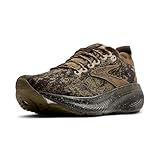
- THIS MEN’S SHOE IS FOR: The Adrenaline GTS 25 is perfect for runners and walkers seeking reliable support and a smooth ride. Featuring holistic GuideRails for Go-To Support and soft, dynamic premium nitrogen-infused DNA LOFT v3 cushioning, it delivers distraction-free comfort mile after mile. This Brooks Adrenaline GTS 25 is a certified PDAC A5500 Diabetic shoe and has been granted the APMA Seal of Acceptance. Predecessor: Adrenaline GTS 24.
- GUIDERAILS HOLISTIC SUPPORT SYSTEM: Our innovative technology - known as “GTS” for “Go-To Support” - supports your body in its natural motion path while keeping excess movement in check.
- SOFT & DYNAMIC CUSHIONING: Even more premium nitrogen-infused DNA Loft v3 cushioning delivers lightweight softness, and feel-good comfort mile after mile.
- TRUSTED FIT: The breathable engineered mesh upper and flat-knit collar offer a secure, comfortable fit, providing both structure and flexibility to accommodate natural movement during active use.
- SMOOTH TRANSITIONS: The specially designed outsole and midsole work together to promote seamless transitions, ensuring comfort and support for every step, so you can stay active longer.
Brooks Adrenaline GTS 25 — wide toe box reduces bunion pressure.
Wide-Toe-Box Walking Shoe

- FuelCell foam delivers a propulsive feel to help drive you forward
- ENCAP midsole cushioning combines lightweight foam with a durable polyurethane rim to deliver all-day support
- Reflective accents designed to catch the light
- TPU back tab
- New Balance MADE contains a domestic value of 70% or more. MADE makes up a limited portion of New Balance’s US sales.
New Balance 990v6 — roomy forefoot accommodates bunions and reduces rubbing.
Orthotic Insole

- The Pinnacle Full length insoles for men & women provide maximum cushioning, from high activity to moderate support. The PowerStep arch support shape provides stability to the foot and ankle, helping to relieve foot pain.
- When you spend all day on your feet, every step counts. PowerStep insoles are a podiatrist-recommended orthotic to help relieve & prevent foot pain related to athletes, runners, Plantar Fasciitis, heel spurs & other common foot, ankle & knee injuries
- The Pinnacle plantar fasciitis insoles offer superior heel cushioning and arch support. The dual-layer cushioning is designed to reduce stress and fatigue, while PowerStep premium arch support is designed for plantar fasciitis relief.
- The PowerStep Pinnacle arch support inserts for men & women can be worn in a variety of shoe types such as; athletic, walking, running, work & some casual shoes. Orthotic Inserts are ordered by shoe size, no trimming required.
- Made in the USA & backed by a 30-day money-back guarantee. PowerStep orthotic inserts for men & women are designed for shoes where the factory insole can be removed. HSA & FSA Eligible
PowerStep arch support — realigns foot mechanics that drive bunion progression.
As an Amazon Associate, Balance Foot & Ankle earns from qualifying purchases. Product recommendations are based on clinical experience; prices and availability shown above update live from Amazon.
When to See a Podiatrist
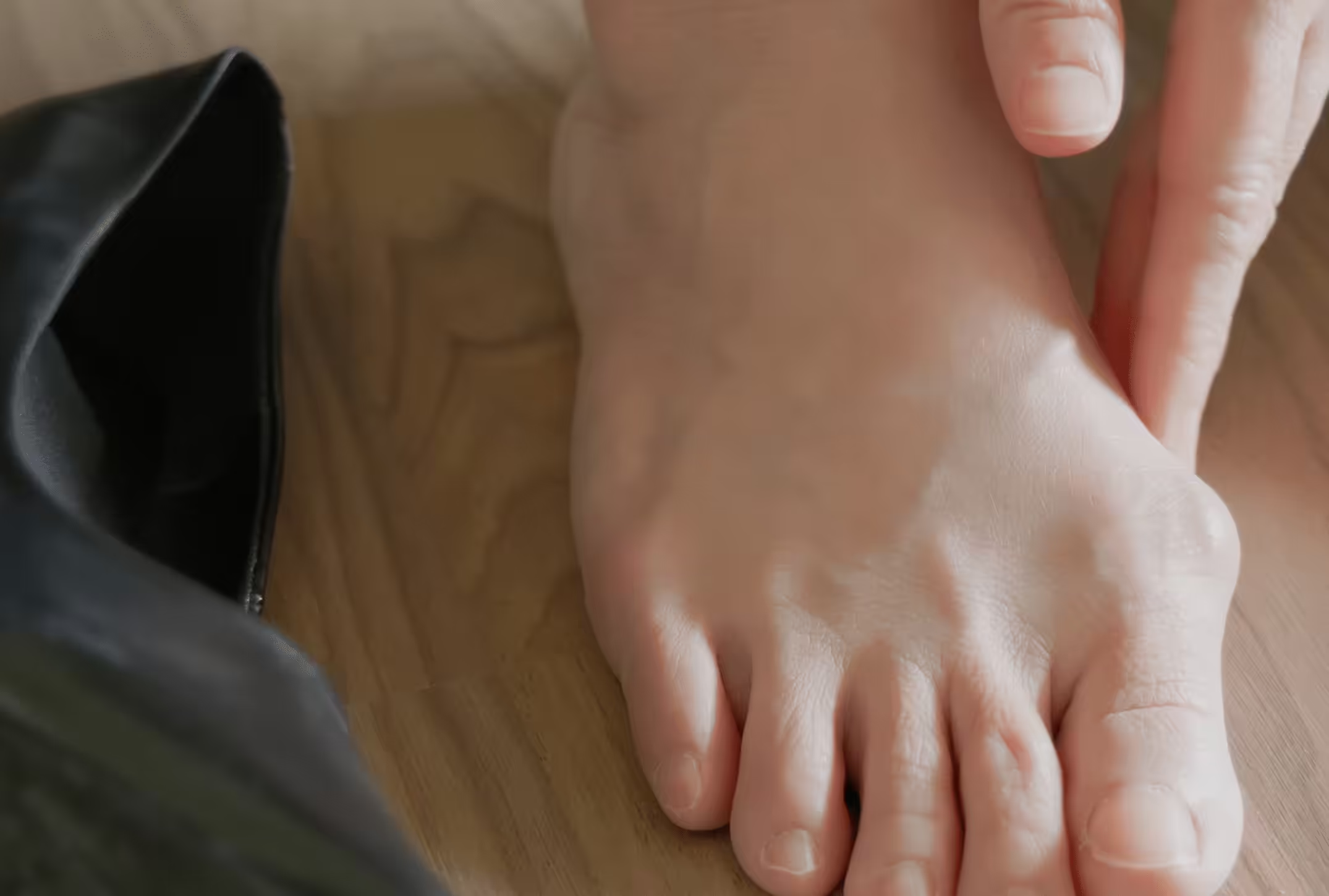
A bunion is a progressive joint deformity — padding and splints reduce pain but don’t reverse the bone shift. If the big toe angle is worsening, shoes no longer fit, or pain is disrupting sleep or activity, schedule a consult at Balance Foot & Ankle. Our surgeons perform minimally-invasive bunion correction with faster recovery than traditional osteotomy. We’ll review X-rays with you and explain exactly what the joint needs.
Call Balance Foot & Ankle: (810) 206-1402 · Book online · Offices in Howell & Bloomfield Hills
Frequently Asked Questions
At what age can a teenager have bunion surgery?
Most podiatric surgeons recommend waiting until the growth plates around the first metatarsal have closed, which typically occurs between ages 14 and 17. Weight-bearing X-rays confirm growth plate status. In rare cases of severe, rapidly progressive deformity in younger teens, modified procedures that avoid the growth plate may be considered.
Is bunion surgery for teens different from adult bunion surgery?
Once growth plates are closed, the surgical techniques are essentially the same as those used in adults. The key difference is heightened attention to the underlying biomechanical cause and more aggressive post-operative orthotic management to reduce recurrence risk, which is naturally higher in younger patients.
How long will my teenager be out of sports after bunion surgery?
Return to sports typically takes 12-16 weeks for standard distal osteotomies and 16-20 weeks for proximal osteotomies or Lapidus fusions. Low-impact activities resume earlier, around 6-8 weeks. The timeline depends on the specific procedure, healing progress, and the demands of the particular sport.
Will my teenager’s bunion come back after surgery?
Recurrence rates in adolescents range from 10-25%, which is higher than in adults. Consistent post-operative orthotic use, appropriate footwear choices, and regular follow-up monitoring significantly reduce this risk. Procedures that address the root biomechanical cause, such as the Lapidus fusion for hypermobile patients, have lower recurrence rates.
The Bottom Line
Teenage bunions that cause pain, limit activity, or progressively worsen deserve professional evaluation by a podiatrist experienced in adolescent foot surgery. With proper patient selection, appropriate surgical technique, and diligent post-operative management, bunion correction in teenagers produces excellent long-term results.
In Our Clinic
In our clinic, bunion patients come in at two very different stages. The first group is women in their 30s and 40s noticing a small bump and seeking nonsurgical slowing tactics — wide toe box shoes, bunion splints at night, custom orthotics to redistribute load away from the first MTP. The second group is patients in their 50s+ who can no longer find shoes that fit and are asking, honestly, about surgery. Our standard workup includes weight-bearing X-rays to measure the intermetatarsal angle and the HVA. Patients with an IMA under 13° usually do well conservatively; 13°+ often benefits from a surgical plan.
Sources
- Coughlin, M.J. & Jones, C.P. (2024). Juvenile and adolescent hallux valgus: Long-term outcomes of surgical correction. Journal of Bone and Joint Surgery, 106(8), 712-721.
- Aiyer, A. et al. (2025). Growth plate considerations in pediatric bunion surgery: A systematic review. Foot and Ankle International, 46(1), 45-54.
- Bock, P. et al. (2024). Minimally invasive hallux valgus correction in adolescents: Two-year outcomes. Foot and Ankle Surgery, 30(3), 189-196.
- Wagner, E. et al. (2025). Recurrence rates following adolescent bunion surgery: A meta-analysis. Journal of Pediatric Orthopedics, 45(2), 156-163.
Is Your Teen’s Bunion Getting Worse? Schedule an Evaluation
Dr. Tom Biernacki has performed over 3,000 foot and ankle surgeries with a 4.9-star rating from 1,123 patient reviews.
Or call (810) 206-1402 for same-day appointments
Bunion Surgery for Teenagers in Michigan
Adolescent bunions require special surgical consideration due to open growth plates. Dr. Tom Biernacki has expertise in age-appropriate bunion correction for teens at Balance Foot & Ankle.
Learn About Our Bunion Surgery Options | Book Your Appointment | Call (810) 206-1402
Clinical References
- Coughlin MJ. “Juvenile hallux valgus: etiology and treatment.” Foot Ankle Int. 1995;16(11):682-697.
- Aronson J, et al. “Juvenile hallux valgus: clinical and radiographic evaluation.” J Pediatr Orthop. 2006;26(4):489-494.
- George HL, et al. “Hallux valgus correction in adolescents: a review.” J Child Orthop. 2009;3(4):315-320.
Insurance Accepted
BCBS · Medicare · Aetna · Cigna · United Healthcare · HAP · Priority Health · Humana · View All →
Howell Office
3980 E Grand River Ave, Suite 140
Howell, MI 48843
Get Directions →
Bloomfield Hills Office
43700 Woodward Ave, Suite 207
Bloomfield Hills, MI 48302
Get Directions →
Your Board-Certified Podiatrists



Ready to Get Back on Your Feet?
Same-week appointments available at both locations.
Book Your AppointmentWatch: Dr. Tom explains

Podiatrist-recommended products
As an Amazon Associate, Dr. Tom earns from qualifying purchases.
Arch support for juvenile bunion conservative management.
View on Amazon →Forefoot pressure relief for adolescent bunion pain.
View on Amazon →Post-surgical immobilization after adolescent bunion correction.
View on Amazon →Post-op swelling control.
View on Amazon →Related resources
Ready to solve this? Book today.
Same-week appointments · Howell & Bloomfield Hills · 4.9★ (1,123+ reviews)
☎ (810) 206-1402Book Online →
Dr. Tom Biernacki, DPM is a double board-certified podiatrist and foot & ankle surgeon at Balance Foot & Ankle Specialists in Southeast Michigan. With over a decade of clinical experience, he specializes in heel pain, bunions, diabetic foot care, sports injuries, and minimally invasive surgery. Dr. Biernacki is a member of the APMA and ACFAS, and his patient education content on MichiganFootDoctors.com and YouTube has reached over one million views.
- Plantar Fasciitis: Diagnosis and Conservative Management (PubMed)
- Plantar Fasciitis (APMA)
- Diagnosis and Treatment of Plantar Fasciitis (PubMed / AAFP)
- Heel Pain (APMA)
Recommended Products from Dr. Tom