


Best Women’s Wide Width Shoes 2026: Podiatrist-Approved Picks for Bunions, Flat Feet & Comfort
Quick Answer: What Are the Best Women’s Wide Width Shoes?
The best wide width shoes for women combine a roomy toe box that doesn’t compress bunions, a supportive midsole that controls overpronation (which is far more common in wide/flat feet), and available widths from D through 4E. New Balance 928v3 is the gold standard for motion control walking. Hoka Bondi 8 leads for maximum cushioning. Brooks Addiction Walker 2 is the podiatrist’s motion control walker pick. Orthofeet models are the top choice for diabetic feet and post-surgery recovery with their stretch-upper, extra-depth design.
Wide feet are far more common than the shoe industry acknowledges — studies suggest up to 1 in 4 women has feet that are wider than the “standard” B width that most fashion footwear is built to. The consequences of wearing shoes that are too narrow are not just discomfort: they include hallux valgus (bunion) progression, hammertoe development, callus formation under compressed metatarsal heads, and blisters that create open skin portals for infection. As Dr. Tom sees repeatedly in clinic, many patients presenting with foot pain are simply wearing the wrong width.
The good news is that wide width footwear has improved dramatically in recent years. Brands like New Balance, Hoka, Brooks, and Orthofeet now offer serious athletic and orthopedic footwear in widths from D (wide) through 4E (extra-extra wide), available in sizes up to 15+ and with the same performance features as standard-width models. This guide covers Dr. Tom’s six top picks for women’s wide width shoes in 2026 — with specific guidance on which condition each shoe suits best.
How to Know If You Need Wide Width Shoes
The most reliable sign you need a wider shoe: your foot bulges visibly over the edge of the shoe’s last (the side of the sole), particularly at the ball of the foot. Other signs include: your little toe consistently rubs the outer shoe wall, you develop blisters at the 5th metatarsal head, your bunion is aggravated by most shoes, or standard shoes feel tight across the ball of the foot even in your correct length. Dr. Tom uses a Brannock device in clinic to measure both length and width, but at home you can estimate width by measuring the widest part of your foot (across the metatarsals) while standing on a piece of paper.
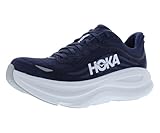
- ENGINEERED MESH
- Lining Textile
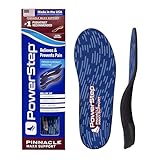
- Slightly Angled Heel Post: PowerStep Pinnacle Maxx insoles for men & women keep the feet from rolling inward, improve stability, and prevent problems caused by overpronation including flat feet and plantar fasciitis.
- Firm But Flexible Design: Our orthotics Pinnacle PowerStep insoles for overpronation are equipped with a deep heel insert cradle for increased comfort, stability, and motion control for standard arch support and immediate heel pain relief.
- Premium Dual Layer Cushioning: For enhanced comfort from heel to toe. As the thickest of our Pinnacle PowerStep orthotics, these need to be worn in shoes where the factory insole can be removed. HSA & FSA Eligible. Made in the USA
- The Perfect Balance of Comfort and Support: These PowerStep Pinnacle arch support inserts for men & women are unlike most other orthotics as they help to correct over-pronation which can cause ankle, knee, and hip pain in your daily routine
- No Trimming: Our arch support PowerStep insoles men & women can use can be worn in a variety of shoe styles & fit in any type with no trimming required! Unlike most insoles for flat feet and other heel pain relief products, these come ready to wear.
As an Amazon Associate, Balance Foot and Ankle earns from qualifying purchases. Product links are affiliate links and we may earn a commission at no extra cost to you. This does not influence our clinical recommendations. Last update on 2026-09-19 / Images from Amazon Product Advertising API
AA (Narrow): Rare — slender feet
B (Medium/Standard): Most mass-market women’s shoes
D (Wide): One step up — fits most women with wide feet or mild bunions
2E (Extra Wide): Needed for moderate bunion deformity, significant swelling, or flat feet with excess pronation
4E (Extra-Extra Wide): Required for severe bunions, diabetic foot swelling, post-surgical edema, or extra-depth orthotic accommodation
Dr. Tom’s Rule: When in doubt, size up in width. A shoe that’s slightly wide causes zero problems. A shoe that’s even slightly narrow causes progressive deformity over years of daily wear.
The 6 Best Women’s Wide Width Shoes (2026)
Each of these shoes earned Dr. Tom’s recommendation based on genuine wide-width construction (not just a stretched standard shoe), proven foot-health features, clinical patient outcomes, and availability in multiple widths. Every option is available through Amazon with Prime shipping.
1. Best Motion Control Walker — New Balance 928v3 Women’s Wide
The New Balance 928v3 is Dr. Tom’s gold standard recommendation for women who need maximum stability, wide width availability, and a professional-grade walking shoe. The ROLLBAR stability posting in the midsole controls rear-foot and mid-foot motion to a degree that rivals many prescription orthotics — making this an exceptional choice for severe overpronators, posterior tibial tendon dysfunction (adult-acquired flat foot), and patients recovering from plantar fasciitis. Available from B through 4E widths. The SL-2 last is genuinely built wide, not just a stretched narrow shoe. Removable insole accommodates custom orthotics. Dr. Tom recommends this to patients who’ve failed other shoes and need maximum biomechanical control.
2. Best Maximum Cushion — Hoka Bondi 8 Women’s
The Hoka Bondi 8 brings an oversized, maximally cushioned midsole that distributes foot pressure across a dramatically larger surface area than conventional shoes — reducing peak pressure on both the heel and metatarsal heads simultaneously. For women with wide feet who also have arthritis, Achilles tendinopathy, or stress fractures that make high-impact steps painful, the Bondi 8’s plush EVA midsole provides an exceptional buffer. The wide toe box accommodates mild-to-moderate bunion deformity without friction. Hoka’s rocker geometry assists toe-off, reducing required ankle dorsiflexion — ideal for patients with ankle arthritis or limited ankle motion post-injury.
3. Best Walking Stability Shoe — Brooks Addiction Walker 2 Women’s
The Brooks Addiction Walker 2 is the top-selling motion control walking shoe in the United States for good reason: it combines the highest level of anti-pronation support Brooks offers (Progressive Diagonal Rollbar, or PDRB) with a walking-specific outsole that’s certified as non-slip for healthcare workers. Women who stand or walk on hard floors all day — teachers, nurses, retail workers — consistently rank this as their go-to shoe. Available in B through 2E widths. The leather upper is durable, easy to clean, and complies with many workplace dress codes that prohibit “athletic-looking” footwear. The extended medial heel piece wraps the back of the foot for exceptional heel stability.
4. Best No-Tie Stretch Sneaker — Orthofeet Francis Women’s Stretch Sneaker
Orthofeet’s Francis stretch sneaker is Dr. Tom’s go-to recommendation for patients who have difficulty tying shoes (arthritis in the hands, post-stroke weakness, obesity), patients with diabetic foot swelling that changes throughout the day, and patients with severe bunion deformity that causes most shoe uppers to create painful pressure. The stretch knit upper conforms to the foot’s actual shape rather than forcing the foot into a fixed last shape — revolutionary for bunion patients. The extra-depth design accommodates custom orthotics. The rocker outsole reduces forefoot pressure at toe-off. This shoe genuinely accommodates feet that no other shoe will fit comfortably. Available up to 4E wide.
5. Best Casual Dress Option — Orthofeet Serene Women’s Orthopedic Leather
One of the most common patient frustrations Dr. Tom hears: “I can only wear my sneakers — every dress shoe kills my feet.” The Orthofeet Serene solves this. Its leather upper looks like a professional casual shoe but is built on Orthofeet’s therapeutic last with extra depth, wide toe box, and the brand’s premium anatomical insole (with arch support and heel cup) built in. For working women who need to dress professionally but have bunions, neuromas, or plantar fasciitis, this is the shoe that allows them to wear something other than white athletic sneakers to the office. Available in multiple widths including 4E for very wide feet.
6. Best Premium Wide Performance Shoe — New Balance 990v6 Made in USA
For women who want the best American-made athletic footwear money can buy — with genuine wide width construction — the New Balance 990v6 is unmatched. Made entirely in the USA at New Balance’s Boston and Lawrence facilities, the 990v6 features premium ENCAP midsole technology (a polyurethane rim surrounding an EVA core) that delivers exceptional durability alongside excellent heel and arch support. The pigskin leather and mesh upper is breathable yet supportive. Available in B through 4E widths. While the 990v6 is one of the pricier sneakers on this list, the durability (18+ months of daily wear reported by many patients) makes the cost-per-wear exceptional. Dr. Tom recommends this for patients who’ve tried cheaper wide shoes and found they compress out within months.
What to Look for in Women’s Wide Width Shoes: Dr. Tom’s Checklist
Beyond width designation, Dr. Tom evaluates four specific features when recommending wide shoes to patients. First, toe box shape: the toe box must be wide at the metatarsal heads and maintain that width through the toe area — some brands label shoes “wide” but taper significantly at the toes, which still compresses bunions. Second, genuine last construction: a true wide last is built differently from the ground up; a “wide” shoe that’s simply a stretched standard last will compress back to its original shape within weeks of wear. Third, removable insole: any patient with flat feet, plantar fasciitis, or orthotic needs must be able to remove the factory insole and replace it with a custom device. Fourth, rocker geometry or forefoot flex: forward propulsion assistance reduces the work the plantar fascia and calf muscles must do with each step.
More Podiatrist-Recommended Shoes Essentials
Hoka Clifton 10

Max-cushion neutral runner — podiatrist favorite for all-day comfort.
Brooks Adrenaline GTS 25
Stability runner for overpronators — great for flat feet and bunions.
New Balance 990v6
Premium walking shoe with wide toe box — bunion and flat-foot friendly.
As an Amazon Associate, Balance Foot & Ankle earns from qualifying purchases. Product recommendations are based on clinical experience; prices and availability shown above update live from Amazon.
When to See a Podiatrist
The right shoe shape, last, and stability category is more important than brand. Balance Foot & Ankle evaluates your foot type (neutral, pronator, supinator, high-arched) and recommends specific shoe models that match. Bringing in your current pair lets us spot wear patterns that reveal gait issues — a free 5-minute assessment that can prevent years of foot pain.
Call Balance Foot & Ankle: (810) 206-1402 · Book online · Offices in Howell & Bloomfield Township
Frequently Asked Questions: Women’s Wide Width Shoes
Will wider shoes help my bunion?
A wider shoe will not correct an existing bunion — bunions are a structural bone deformity that requires surgical correction if severe. However, a properly wide shoe dramatically slows bunion progression by eliminating the lateral pressure on the 1st metatarsal head that accelerates bunion development. Switching to wide shoes is the single most important footwear intervention for bunion management.
What width should women with flat feet buy?
Flat feet typically spread and widen under load — a foot that measures B width standing may only measure A width sitting. Because flat-footed patients walk with their foot fully pronated (arch collapsed, foot spread laterally), they typically need D or 2E width. The width combined with motion control features (as found in the NB 928v3 and Brooks Addiction Walker 2) provides both fit and biomechanical correction.
Can I use custom orthotics in wide width shoes?
Yes — and wide width shoes are actually better suited for custom orthotics because the extra width accommodates the orthotic without compressing the foot. Always remove the factory insole first. The New Balance 928v3 and Orthofeet models are specifically designed with extra depth to accommodate custom orthotic devices without raising the foot too high in the heel collar.
Wide Feet Causing Persistent Pain?
If you’ve switched to wide shoes and still have foot pain, you may need custom orthotics, treatment for an underlying deformity, or a full biomechanical gait analysis. Dr. Tom offers comprehensive foot assessments at both Howell and Howell locations.
Book Your Appointment with Dr. Tom →More podiatrist-approved footwear guides: Running Shoes for Plantar Fasciitis | Walking Shoes for Heel Pain | Arch Support Sandals | Dr. Tom’s Top Orthotics | Bunion Correctors
In Our Clinic
In our clinic, bunion patients come in at two very different stages. The first group is women in their 30s and 40s noticing a small bump and seeking nonsurgical slowing tactics — wide toe box shoes, bunion splints at night, custom orthotics to redistribute load away from the first MTP. The second group is patients in their 50s+ who can no longer find shoes that fit and are asking, honestly, about surgery. Our standard workup includes weight-bearing X-rays to measure the intermetatarsal angle and the HVA. Patients with an IMA under 13° usually do well conservatively; 13°+ often benefits from a surgical plan.
Watch: Dr. Tom explains
Podiatrist-recommended products
As an Amazon Associate, Dr. Tom earns from qualifying purchases.
Women’s wide-width trainer.
View on Amazon →Arch support for wide feet.
View on Amazon →Cushioned wide-fit option.
View on Amazon →Daily trainer wide option.
View on Amazon →Related resources
Ready to solve this? Book today.
Same-week appointments · Howell & Bloomfield Township · 4.9★ (1,123+ reviews)
☎ (810) 206-1402Book Online →In-Office Treatment at Balance Foot & Ankle
If home treatment isn’t providing relief for your foot pain, our podiatry team at Balance Foot & Ankle can help with same-day evaluations and advanced in-office care.
Same-day appointments available. (810) 206-1402
Learn about our custom orthotics and footwear → | Book online →
Frequently Asked Questions
When should I see a podiatrist?
If symptoms persist past 2 weeks, affect your normal activity, or are accompanied by red-flag symptoms (warmth, redness, swelling, inability to bear weight).
What does treatment cost?
Most diagnostic visits and conservative treatments are covered by Medicare and major insurers. Out-of-pocket costs vary by your specific plan.
How quickly can I get an appointment?
Most non-urgent cases see us within 5 business days. Urgent cases (sudden pain, possible fracture) typically same or next business day.
What is Foot pain?
Foot pain is a common foot/ankle condition that affects mobility and quality of life. Understanding the underlying cause is the first step in successful treatment. Our podiatrists at Balance Foot & Ankle perform a hands-on biomechanical exam, review your activity history, and use diagnostic imaging when appropriate to identify the root cause—not just treat the symptom. Many patients have been told to “rest and ice” without a deeper diagnostic workup; our approach is different.
Symptoms and warning signs
Common signs of foot pain include pain that worsens with activity, morning stiffness, swelling, tenderness when palpated, and difficulty bearing weight. If you experience sudden severe pain, inability to walk, visible deformity, numbness or color change, contact our office the same day or visit urgent care—these can signal a more serious injury such as a fracture, tendon rupture, or vascular compromise. Diabetics with any foot wound should seek same-day care.
Conservative treatment options
Most cases of foot pain respond to non-surgical care: structured rest, supportive footwear changes, custom orthotics, targeted stretching and strengthening protocols, anti-inflammatory medications when medically appropriate, and in-office procedures such as ultrasound-guided injections. We also offer advanced therapies including MLS laser therapy, EPAT/shockwave, regenerative injections, and image-guided procedures. Treatment is sequenced from least invasive to most invasive, and we explain the rationale at every step.
When is surgery considered?
Surgery is reserved for cases that fail 3-6 months of well-structured conservative care, when there is structural pathology (severe deformity, complete tear, advanced arthritis), or when imaging shows damage that will not heal without intervention. Our surgeons have performed 3,000+ foot and ankle procedures and prioritize minimally-invasive techniques whenever appropriate. We discuss recovery timelines, return-to-activity milestones, and realistic outcome expectations before any procedure is scheduled.
APMA: Podiatric Medicine — Services, Conditions & Patient Resources
Recovery timeline and prevention
Recovery from foot pain varies based on severity and chosen treatment path. Conservative cases often improve within 4-8 weeks with consistent adherence to the protocol. Post-procedural recovery may range from a few days (in-office procedures) to several months (reconstructive surgery). Long-term prevention involves footwear assessment, activity modification, structured strengthening, and regular check-ins with your podiatrist if you have a history of recurrence. We provide written home-exercise plans and digital follow-up support.
Ready to feel better?
Same-week appointments available in Howell and Bloomfield Township, Michigan.
Book Your VisitGet Expert Care at Balance Foot & Ankle
Same-week appointments at our Howell and Bloomfield Township offices. Board-certified podiatric surgeons. Most insurance accepted.
Same-Week Appointments in Howell & Bloomfield Township
Three board-certified podiatric surgeons. 1,123+ five-star reviews. Most insurance accepted.
How do I know if I need wide-width shoes?
Signs that standard-width shoes are too narrow: corns on outer toes, bunion pressure from the medial upper, visible toe crowding, or seam marks on skin after wear. The most accurate method is bilateral foot measurement in the afternoon by a podiatrist or certified shoe fitter.
Which women’s shoe brands offer the best wide-width selection?
New Balance offers the widest retail range. Brooks offers D-width in most flagship models. Orthofeet, Propet, and Drew Shoe specialize in therapeutic extra-wide styles. Vionic and Altra offer wider-than-average toe boxes in standard-width sizing.
Can custom orthotics be used in wide-width shoes?
Yes — wide-width shoes are often the most compatible with custom orthotics because the additional volume accommodates both device and foot. Your podiatrist can specify exact shoe width and depth requirements to ensure a proper fit without forefoot crowding.
For a complete clinical overview: our Michigan podiatrist guide to custom orthotics and therapeutic footwear for women — including prescription footwear options, Medicare coverage, and orthotic fitting

Dr. Tom Biernacki, DPM is a board-certified foot & ankle surgeon (ABFAS & ABPM) at Balance Foot & Ankle Specialists in Southeast Michigan. With over a decade of clinical experience, he specializes in heel pain, bunions, diabetic foot care, sports injuries, and minimally invasive surgery. Dr. Biernacki is a member of the APMA and ACFAS, and his patient education content on MichiganFootDoctors.com and YouTube has made him one of the most-followed foot & ankle educators on YouTube.
More questions patients ask
What are the best products for wide width feet?
Top products for wide width feet include supportive braces, quality footwear, and OTC aids. Dr. Tom Biernacki DPM recommends evidence-based products that complement clinical treatment. Call (810) 206-1402.
When should I see a podiatrist for wide width feet?
See Dr. Tom Biernacki DPM if wide width feet symptoms persist >4–6 weeks, worsen, or prevent normal activity. Same-day appointments at Balance Foot & Ankle — Howell & Bloomfield Township. (810) 206-1402.
Can wide width feet heal without treatment?
Mild wide width feet may improve with rest and OTC aids. Persistent or worsening cases require professional evaluation. Early treatment prevents chronic injury. Call (810) 206-1402.
Does insurance cover podiatry care in Michigan?
Most PPO plans and Medicare Part B cover medically necessary podiatry. We accept BCBS and most Michigan insurers. Call (810) 206-1402 to verify your coverage.
Still have a question about coverage or cost? Book online and we will check your benefits before your visit: Book in Howell · Book in Bloomfield Township. Prefer to talk it through first? Call (810) 206-1402.