

Medically reviewed by Dr. Tom Biernacki, DPM — Board-Certified Podiatric Surgeon — Balance Foot & Ankle, Howell & Bloomfield Hills, MI. Last updated April 2026.
The most important clinical decision with Foot Care Seniors Age Related Changes After isn’t which treatment to start with — it’s which subtype or underlying cause you actually have. That distinction changes everything. Call us: (810) 206-1402
Medically Reviewed by a Board-Certified Podiatrist
Medically Reviewed by Dr. Tom Biernacki, DPM — Board-Certified Podiatrist, Balance Foot & Ankle Specialists, Michigan. Last updated April 2026.
Medical Review
This article has been reviewed for clinical accuracy by Dr. Tom Biernacki, DPM, a board-certified podiatrist at Balance Foot & Ankle Specialists in Southeast Michigan. Dr. Biernacki provides comprehensive geriatric foot care including fall prevention assessments, diabetic foot screenings, and age-related deformity management for patients over 60. All recommendations reflect current evidence-based geriatric podiatry practice.
Last reviewed: April 2026
Quick Answer: Aging produces predictable changes in the feet including loss of plantar fat pad cushioning, decreased joint flexibility, reduced skin elasticity, thinning toenails that become thickened and brittle, and progressive loss of intrinsic muscle strength. These changes increase the risk of falls, diabetic foot complications, painful calluses, and difficulty maintaining independence. Regular podiatric care, properly fitted footwear, appropriate orthotic support, and daily foot inspection are the cornerstones of maintaining foot health and mobility after age 60.
Table of Contents
- Age-Related Foot Changes After 60
- Plantar Fat Pad Atrophy
- Joint Stiffness and Arthritis
- Skin and Toenail Changes
- Circulation and Sensation Changes
- Fall Prevention and Balance
- Diabetic Foot Care for Seniors
- Proper Footwear for Older Adults
- Daily Foot Care Routine
- When You Need Professional Help
- Podiatrist-Recommended Products for Seniors
- Most Common Mistake
- Warning Signs: When to See a Podiatrist
- Video Guide
- Frequently Asked Questions
- Sources
- Schedule an Appointment
Affiliate Disclosure: Some product links below are affiliate links, meaning we may earn a small commission if you purchase through them. This comes at no additional cost to you. We only recommend products we personally use in our clinical practice and believe will benefit our patients. Our recommendations are never influenced by affiliate relationships.
Age-Related Foot Changes After 60
The feet undergo significant structural and functional changes with aging that affect comfort, mobility, and overall health. By age 60, the average person has taken over 100 million steps, and the cumulative mechanical stress on the foot’s 26 bones, 33 joints, and 100+ tendons and ligaments produces measurable degeneration across virtually every tissue type. Understanding these normal age-related changes helps distinguish them from pathological conditions that require treatment, and guides preventive strategies that maintain mobility and independence into the later decades of life.
The most functionally significant changes include loss of the plantar fat pad (the cushioning under the ball of the foot and heel), progressive joint stiffness from cartilage degeneration and capsular contracture, weakening of the intrinsic foot muscles that maintain arch stability, decreased skin elasticity and moisture that leads to cracking and fissures, and changes in toenail structure that make them thickened, brittle, and difficult to trim. These changes are universal—they affect every aging adult to some degree—but their impact on daily function varies enormously based on activity level, body weight, footwear choices, and the presence of comorbid conditions like diabetes, peripheral arterial disease, and arthritis.
At Balance Foot & Ankle Specialists, geriatric foot care is one of our most important services. We see many seniors who have avoided foot care for years and present with advanced problems that could have been easily managed with earlier intervention. Our approach emphasizes proactive, preventive care—regular foot assessments, proper footwear counseling, orthotic fitting, and routine nail and skin care—to maintain foot health and prevent the complications that lead to falls, infections, and loss of independence.
Plantar Fat Pad Atrophy: Losing Your Natural Cushioning
The plantar fat pad is a specialized structure of dense, septated adipose tissue that provides shock absorption and pressure distribution beneath the metatarsal heads and calcaneus. Beginning around age 40 and accelerating after age 60, this fat pad progressively thins and loses its viscoelastic properties through a process called fat pad atrophy. By age 80, many patients have lost 50% or more of their original fat pad thickness, dramatically reducing the foot’s natural cushioning capacity.
The clinical impact is significant: without adequate fat pad cushioning, the metatarsal heads and calcaneal tuberosity bear load against minimal padding, producing painful metatarsalgia (ball-of-foot pain), heel pain, and the development of painful calluses over bony prominences. Patients often describe feeling like they are “walking on bones” or that every step on hard surfaces produces sharp, burning pain. The loss of cushioning also increases the risk of pressure injuries in diabetic patients, where the diminished padding fails to protect the skin from the repetitive compression of walking.
Management centers on replacing the lost cushioning externally through properly cushioned footwear, orthotic devices with metatarsal padding and heel cushioning, and in some cases, injectable fillers (fat grafting or synthetic fillers) to restore volume beneath the metatarsal heads. PowerStep Pinnacle Insoles provide excellent supplemental cushioning combined with arch support, effectively replacing the cushioning function that the atrophied fat pad can no longer provide.
Joint Stiffness and Arthritis in Aging Feet
Osteoarthritis affects the foot joints progressively with aging, with the first metatarsophalangeal joint (great toe joint), the subtalar joint, and the midtarsal joints being the most commonly involved. Hallux rigidus—arthritis of the great toe joint—is one of the most common foot conditions in adults over 60, causing stiffness, pain with push-off during walking, and progressive loss of dorsiflexion that alters gait mechanics. The joint becomes enlarged with osteophyte formation, making shoe fitting increasingly difficult.
Midfoot and rearfoot arthritis produces a more diffuse stiffness pattern that reduces the foot’s ability to adapt to uneven surfaces—a critical function for balance and fall prevention. The subtalar joint, which normally allows 20-30 degrees of combined inversion and eversion, may become limited to 5-10 degrees in arthritic feet, dramatically reducing the foot’s capacity to accommodate sloped surfaces, curbs, and uneven terrain. This loss of adaptive motion is a significant contributor to falls in older adults, as the rigid foot cannot adjust to unexpected surface changes.
Conservative management includes appropriate footwear with rocker-bottom soles (which reduce great toe joint demand during push-off), orthotic devices that limit painful motion while supporting the arch, topical anti-inflammatory agents for localized joint pain, and gentle range-of-motion exercises to maintain whatever flexibility remains. Joint injections (corticosteroid or hyaluronic acid) provide temporary relief for acute flares. Surgical options for advanced cases include joint fusion (arthrodesis) for the great toe joint and subtalar joint, which reliably eliminates pain at the cost of eliminating motion at the fused joint.
Skin and Toenail Changes with Aging
Aging skin on the feet becomes thinner, drier, and less elastic, losing its protective barrier function against mechanical stress and infection. The epidermis thins by approximately 6.4% per decade after age 20, and the dermis loses collagen and elastin fibers that provide tensile strength and recoil. Sebaceous gland production decreases, reducing the skin’s natural moisture and making it prone to dryness, cracking, and fissures—particularly along the heels where the skin is thickest and most prone to desiccation. Deep heel fissures can penetrate to the dermis, creating portals of entry for bacteria and increasing infection risk, especially in diabetic patients.
Toenails undergo characteristic aging changes: they become thicker (onychauxis), discolored (yellow-brown), more brittle and prone to splitting, and grow more slowly. The nail plate may become ridged longitudinally (onychorrhexis) and develop a curved or involuted shape (pincer nail) that causes painful ingrown toenail episodes. Onychomycosis (fungal nail infection) becomes increasingly common with age, affecting over 50% of adults over age 70. The combination of thickened nails, reduced flexibility to reach the feet, and diminished vision makes self-care of toenails difficult and potentially dangerous for many seniors, making regular professional nail care an essential healthcare service.
Circulation and Sensation Changes
Peripheral circulation naturally declines with aging as arterial walls stiffen and atherosclerotic plaque accumulates. The feet, as the most distal structures, are the first to manifest reduced perfusion. Signs include cool skin temperature, slower wound healing, thinning of skin and hair on the toes and dorsum of the foot, and delayed capillary refill after blanching the toenail. Peripheral arterial disease (PAD) affects approximately 12-20% of adults over age 65 and significantly compounds the age-related perfusion decline, producing claudication (leg pain with walking), rest pain, and in advanced cases, non-healing wounds and gangrene.
Peripheral neuropathy—loss of protective sensation in the feet—affects approximately 25% of adults over age 65 and is most commonly caused by diabetes mellitus, though age-related idiopathic neuropathy is also common. Loss of protective sensation is dangerous because it eliminates the pain feedback that normally alerts us to tissue damage—a pebble in the shoe, an overly tight shoe, or a developing blister that would be immediately noticed by a person with intact sensation can go undetected for hours in a neuropathic foot, producing significant tissue injury. Daily foot inspection becomes essential for anyone with diminished sensation.
Fall Prevention: The Critical Role of Foot Health
Falls are the leading cause of injury-related death in adults over age 65, and foot problems are among the most significant modifiable risk factors for falls. Research consistently demonstrates that foot pain, reduced ankle flexibility, decreased toe strength, and improper footwear each independently increase fall risk by 30-60%. When multiple foot risk factors are present—as they commonly are in older adults—the cumulative effect dramatically increases fall probability.
The foot contributes to balance through three mechanisms: proprioception (sensing foot position and surface characteristics through plantar mechanoreceptors), ankle strategy (using ankle dorsiflexion and plantarflexion to correct forward and backward sway), and toe grip (using the intrinsic muscles to stabilize the forefoot during stance). All three mechanisms decline with aging: plantar sensation diminishes, ankle flexibility decreases, and intrinsic muscle strength weakens. A comprehensive fall prevention strategy must address all three components—not just general balance exercises.
Footwear-based fall prevention is one of the most effective and underused interventions. Shoes should have low, broad heels (less than 1 inch), firm heel counters for stability, non-slip outsoles, secure closures (laces or Velcro rather than slip-ons), and adequate toe box depth. Shoes that are too loose allow the foot to slide, while shoes that are too tight compress the toes and reduce proprioceptive input. Going barefoot or wearing socks on smooth floors significantly increases fall risk—always wear supportive footwear with non-slip soles, even indoors.
Diabetic Foot Care for Seniors
Diabetes affects approximately 25% of adults over age 65, and the combination of diabetic neuropathy, peripheral arterial disease, and age-related tissue changes creates a uniquely high-risk foot. The diabetic foot loses its protective sensation, its ability to fight infection, and its capacity to heal wounds—simultaneously. A minor cut, blister, or pressure sore that would heal uneventfully in a healthy foot can rapidly escalate to a serious infection, potentially leading to hospitalization and amputation. Diabetic foot ulcers precede approximately 85% of diabetes-related lower extremity amputations.
Daily foot inspection is the single most important self-care measure for diabetic seniors. Every evening, examine both feet thoroughly—tops, bottoms, sides, between each toe, and around the nails—looking for redness, swelling, cuts, blisters, calluses, color changes, or any abnormality. Use a mirror or ask a family member for help examining the soles if flexibility limits self-inspection. Any new finding should prompt a same-day call to your podiatrist. Do not attempt to treat calluses, corns, or ingrown nails yourself—”bathroom surgery” on diabetic feet is one of the most common precipitants of serious diabetic foot infections.
Proper Footwear for Older Adults
Shoe selection becomes a safety and health decision for seniors, not merely a fashion choice. The ideal shoe for adults over 60 has a broad, stable base with no heel elevation above 1 inch, a firm heel counter that prevents the rearfoot from wobbling, a non-slip rubber outsole with adequate tread pattern, a roomy toe box that accommodates toe deformities and swelling without compression, a secure closure system (laces or Velcro straps—avoid slip-on styles), and a removable insole that allows insertion of custom or prefabricated orthotics.
Foot size changes with aging—the ligaments that support the arch loosen, the fat pad thins and spreads laterally, and the foot typically becomes both longer and wider after age 60. Many seniors continue wearing the same shoe size they wore at age 40, creating compressive injuries from shoes that no longer fit. We recommend having feet measured annually by a trained shoe fitter, and choosing shoes based on the measurement of the larger foot (most people have slight asymmetry). Shop for shoes in the afternoon when feet are most swollen to ensure adequate fit throughout the day.
Daily Foot Care Routine for Seniors
A consistent daily foot care routine takes less than 5 minutes and can prevent the majority of serious foot complications. Wash feet daily with lukewarm water (test with your elbow or a thermometer—never use hot water, which can cause burns on neuropathic feet) and mild soap. Dry thoroughly, especially between the toes where moisture promotes fungal growth and maceration. Apply a moisturizing cream to the tops, sides, and soles of the feet—but not between the toes, where excess moisture can cause skin breakdown. Inspect the entire foot for any new changes.
Toenail care should be performed carefully with appropriate tools. Trim nails straight across with clean, sharp clippers, avoiding rounding the corners (which promotes ingrown nails). File sharp edges with an emery board. If nails are too thick to trim safely, if vision or dexterity limits safe trimming, or if you have diabetes or peripheral neuropathy, have your nails trimmed by a podiatrist. This is not a luxury—it is a preventive healthcare service that eliminates one of the most common causes of foot infections in older adults.
When You Need Professional Foot Care
Many seniors avoid seeking foot care until problems become severe, often because they view foot problems as an inevitable part of aging that doesn’t warrant medical attention. This perception is both inaccurate and dangerous. Foot pain is not normal at any age—it is a signal of a treatable condition that, when addressed early, can prevent progression to more serious problems. Similarly, toenail thickening, callus buildup, and skin changes are all manageable conditions that respond well to regular professional care.
Annual podiatric assessments are recommended for all adults over age 60, with more frequent visits (every 2-3 months) for those with diabetes, peripheral neuropathy, or peripheral arterial disease. During these visits, we assess circulation, sensation, joint range of motion, skin and nail health, gait and balance, and footwear appropriateness. This hands-on exam plus imaging when needed identifies developing problems before they cause pain or functional limitation, allowing proactive intervention that maintains mobility and independence.
Podiatrist-Recommended Products for Seniors
PowerStep Pinnacle Orthotic Insoles — PowerStep orthotics address multiple age-related foot changes simultaneously: the cushioned forefoot compensates for plantar fat pad atrophy, the arch support maintains alignment in feet with weakened intrinsic muscles, and the structured heel cup provides stability that reduces fall risk. For seniors, orthotic support is not optional—it is a fundamental tool for maintaining mobility, reducing pain, and preventing falls. PowerStep fits into most supportive shoe types and provides immediate comfort improvement.
Doctor Hoy’s Natural Pain Relief Gel — Chronic foot pain from arthritis, metatarsalgia, and plantar fasciitis significantly reduces mobility in older adults, and many seniors are reluctant to take additional oral medications due to existing polypharmacy concerns. Doctor Hoy’s provides effective topical pain relief that works locally without adding to the medication burden. Applied to arthritic toe joints, sore metatarsal areas, and heel pain, the arnica and menthol formula reduces inflammation and provides soothing relief that allows continued daily activity.
DASS Compression Socks — Dependent edema (fluid accumulation in the feet and ankles from gravity) becomes increasingly problematic with aging as venous valve function declines and cardiac output decreases. Swollen feet and ankles increase fall risk by reducing proprioceptive input, make shoe fitting difficult, and contribute to skin breakdown. DASS compression socks provide graduated compression that controls edema, improves circulation, and reduces the heavy, tired leg sensation that limits activity in many older adults. For seniors with chronic venous insufficiency, daily compression wear is a medical necessity.
The Complete Senior Foot Care Kit
For comprehensive senior foot health: PowerStep Pinnacle Insoles for cushioning, support, and fall prevention, Doctor Hoy’s Pain Relief Gel for arthritis and activity-related pain, and DASS Compression Socks for edema control and circulation support. This combination addresses the three most common foot complaints in seniors: pain, swelling, and instability.
Most Common Mistake Seniors Make with Foot Care
Key Takeaway: The most common mistake seniors make is wearing shoes that no longer fit properly. Feet change size and shape with aging—they typically become longer and wider—but many older adults continue wearing shoes sized from decades earlier. Shoes that are too narrow compress the toes (causing corns, bunion progression, and hammer toes), too short (causing toenail damage and forefoot pain), or too loose (causing instability and falls). Having your feet measured annually and purchasing shoes that fit your current foot dimensions is one of the simplest, most impactful things you can do for your foot health and safety.
Warning Signs: When Seniors Should See a Podiatrist Urgently
Seek urgent podiatric evaluation if you notice:
- Any open wound, sore, or ulcer on the foot—especially if you have diabetes
- Sudden change in foot or toe color (red, blue, black, or white)
- Increasing pain or swelling in one foot that differs from the other
- Signs of infection: redness, warmth, drainage, red streaks, or fever
- New numbness, tingling, or loss of sensation in either foot
- A fall related to foot pain, instability, or inappropriate footwear
- Inability to trim your toenails safely due to thickness, vision, or flexibility
Early intervention for foot problems in seniors prevents the escalation from minor issues to serious complications. Never assume foot changes are just “part of aging”—most are treatable conditions that respond well to podiatric care.
Video Guide: Podiatrist-Recommended Foot Care Products
In-Office Treatment at Balance Foot & Ankle
If home treatment isn’t providing relief for your foot and ankle conditions, our podiatry team at Balance Foot & Ankle can help with same-day evaluations and advanced in-office care.
Same-day appointments available. (810) 206-1402
Frequently Asked Questions About Senior Foot Care
How often should seniors see a podiatrist?
Healthy seniors should have an annual podiatric assessment. Seniors with diabetes, peripheral neuropathy, or peripheral arterial disease should be seen every 2-3 months for comprehensive foot checks and routine nail care. More frequent visits may be needed for active foot problems or if you are unable to safely perform daily foot care independently.
Is foot pain normal in old age?
No—foot pain is never “normal” regardless of age. While structural changes in the feet are a natural part of aging, pain is a signal of a treatable condition. Plantar fasciitis, arthritis, metatarsalgia, neuropathy, and other causes of foot pain in seniors all have effective treatments. Do not accept foot pain as inevitable—seek evaluation and treatment to maintain your mobility and quality of life.
What type of shoes are best for seniors?
The best shoes for seniors have a broad, stable base with low heels (under 1 inch), firm heel counters for stability, non-slip rubber outsoles, roomy toe boxes, and secure closures (laces or Velcro). Avoid flip-flops, high heels, and slip-on shoes without a back strap. Have feet measured annually and choose shoes that fit your current foot dimensions.
Can foot problems cause falls in seniors?
Yes—foot problems are among the most significant modifiable risk factors for falls. Foot pain, reduced ankle flexibility, decreased toe strength, bunions, and inappropriate footwear each independently increase fall risk by 30-60%. Addressing foot health through proper footwear, orthotics, and regular podiatric care is a proven fall prevention strategy.
Should seniors with diabetes cut their own toenails?
Diabetic seniors with neuropathy should have their nails trimmed by a podiatrist. Loss of protective sensation makes it difficult to feel if you cut too deep, and even minor nail injuries can become infected in diabetic feet. Professional nail care every 8-12 weeks is a covered benefit under most Medicare plans for diabetic patients and is one of the most effective preventive measures against diabetic foot infections.
Sources
- Menz HB, et al. “Foot Problems as a Risk Factor for Falls in Community-Dwelling Older People.” Gerontology. 2006;52(6):386-394.
- Mickle KJ, et al. “ISB Clinical Biomechanics Award 2009: Toe Weakness and Deformity Increase the Risk of Falls in Older People.” Clinical Biomechanics. 2009;24(10):787-791.
- Barr EL, et al. “Foot Pain and Foot Function in Older People.” Journal of Foot and Ankle Research. 2005;1(1):O23.
- Bus SA, et al. “IWGDF Guideline on the Prevention of Foot Ulcers in Persons with Diabetes.” Diabetes/Metabolism Research and Reviews. 2024;40(3):e3651.
- Sherrington C, et al. “Exercise for Preventing Falls in Older People Living in the Community.” Cochrane Database of Systematic Reviews. 2019;1:CD012424.
Schedule Your Senior Foot Assessment
Comprehensive Geriatric Foot Care in Southeast Michigan
Dr. Biernacki at Balance Foot & Ankle Specialists provides thorough foot assessments for seniors including fall risk evaluation, diabetic screening, nail and skin care, and footwear counseling. We help older adults maintain the foot health that supports mobility, independence, and quality of life.
Schedule Your Assessment Today
Balance Foot & Ankle Specialists — Serving Southeast Michigan
Call: (248) 850-4000
Related Foot Health Resources
- Podiatrist-Recommended Foot Care Products 2026
- Best Shoes for Plantar Fasciitis 2026
- Bunion Surgery Recovery Products 2026
- All Foot Care Articles
Senior Foot Care at Balance Foot & Ankle
Age-related foot changes like thinning fat pads, arthritis, and circulation problems require specialized geriatric podiatric care. Our doctors provide comprehensive senior foot care at our Howell and Bloomfield Hills offices.
Learn About Senior Foot Care | Book Your Appointment | Call (810) 206-1402
Clinical References
- Menz HB, Lord SR. The contribution of foot problems to mobility impairment and falls in community-dwelling older people. J Am Geriatr Soc. 2001;49(12):1651-1656.
- Dunn JE, et al. Prevalence of foot and ankle conditions in a multiethnic community sample of older adults. Am J Epidemiol. 2004;159(5):491-498. doi:10.1093/aje/kwh071
- Mickle KJ, et al. ISB Clinical Biomechanics Award 2009: toe weakness and deformity increase the risk of falls in older people. J Biomech. 2009;42(8):1032-1038.
Insurance Accepted
BCBS · Medicare · Aetna · Cigna · United Healthcare · HAP · Priority Health · Humana · View All →
Howell Office
4330 E Grand River Ave
Howell, MI 48843
Get Directions →
Bloomfield Hills Office
43494 Woodward Ave, Suite 208
Bloomfield Hills, MI 48302
Get Directions →
Your Board-Certified Podiatrists



Ready to Get Back on Your Feet?
Same-week appointments available at both locations.
Watch: Dr. Tom explains
Podiatrist-recommended products
As an Amazon Associate, Dr. Tom earns from qualifying purchases.
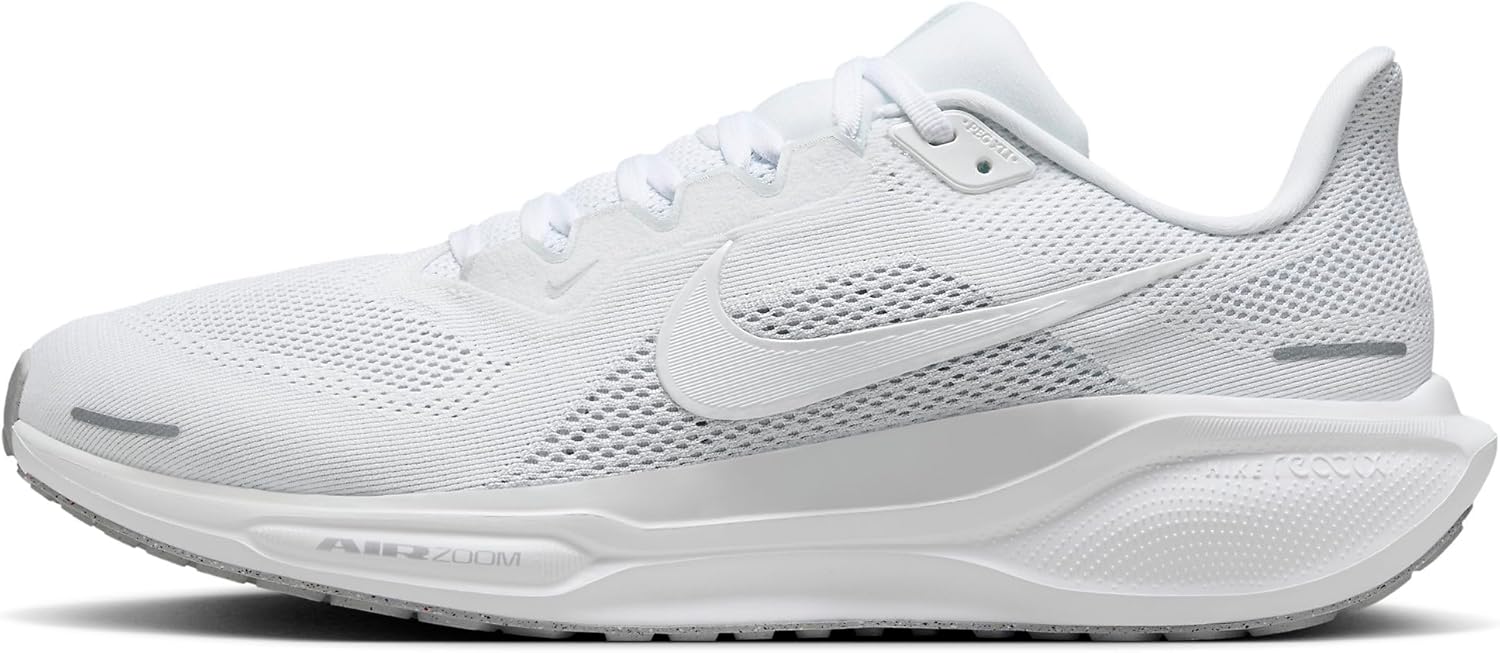
Stable max-cushion walking shoe.
Circulation support.
Arch support for aging feet.
Cushioned senior-friendly.
Related resources
Ready to solve this? Book today.
Same-week appointments · Howell & Bloomfield Hills · 4.9★ (1,123+ reviews)
When Shoes Aren’t Enough — Dr. Tom’s Top 9 Orthotics
About 30% of patients I see for foot pain need MORE than a great shoe — they need a structured insole. Below: my complete 2026 orthotic ranking with pros, cons, and the specific patient I’d give each one to.
★ DR. TOM’S COMPLETE 2026 ORTHOTIC RANKING
9 Best Prefab Orthotics by Use Case
PowerStep, Currex, Spenco, Vionic, and PowerStep Pinnacle — every orthotic I’ve fitted to thousands of patients across both Michigan offices. Each card includes pros, cons, and the specific patient I’d give it to. Real Amazon ratings, review counts, and prices below.
Best All-Purpose Orthotic for Most Patients
Semi-rigid arch shell + dual-layer cushion + deep heel cup. The orthotic I’ve fitted to more patients than any other for 15 years. APMA-accepted. Trim-to-fit design works in athletic shoes, casual shoes, and most work boots.


✓ Pros
- Semi-rigid arch shell provides true biomechanical correction
- Deep heel cup centers the heel and reduces lateral instability
- Dual-layer cushion (top + bottom) lasts 9-12 months daily wear
- Available in 8 sizes for precise fit
- APMA-accepted and clinically validated
- Lower price than PowerStep Pinnacle Green for equivalent function
✗ Cons
- Too thick for most dress shoes (use ProTech Slim instead)
- Some break-in period required (3-7 days for arch tolerance)
- Not enough correction for severe pes planus or rigid pes cavus
Dr. Tom’s Recommendation: If a patient has run-of-the-mill plantar fasciitis, mild flat feet, or arch fatigue, this is the first orthotic I try. Better value than PowerStep Pinnacle for 90% of patients, which is why I swapped it into our clinic kits three years ago. Sub-$50 typically.
Maximum Motion Control · Flat Feet & Severe Over-Pronation
PowerStep’s most aggressive stability orthotic. Adds a 2°-7° medial heel post on top of the standard PowerStep platform — designed specifically for flat-footed patients and severe pronators who need real corrective force.

✓ Pros
- 2°-7° medial heel post adds aggressive pronation control
- Same trusted PowerStep arch shell, more correction
- Built specifically for flat-foot biomechanics
- Excellent for posterior tibial tendon dysfunction (PTTD)
- Removable top cover for cleaning
✗ Cons
- Too aggressive for neutral-arch patients
- Needs longer break-in (10-14 days) due to stronger correction
- Adds 2-3 mm of stack height — won’t fit slim dress shoes
Dr. Tom’s Recommendation: When a patient comes in with significant flat feet AND symptoms (heel pain, arch pain, knee pain), the Original PowerStep isn’t aggressive enough. The Maxx is what gets prescribed. About 25% of my flat-footed patients end up here.
Low-Profile · Fits Dress Shoes & Narrow Casuals
3 mm slim profile with podiatrist-designed tri-planar arch technology. Engineered specifically to fit inside dress shoes, oxfords, loafers, and women’s flats without crowding the toe box. Vionic was founded by an Australian podiatrist.
✓ Pros
- 3 mm slim profile (vs 7-10 mm for standard orthotics)
- Tri-planar arch technology adds support without bulk
- Built-in deep heel cup despite slim design
- Fits dress shoes WITHOUT having to remove the factory insole
- Trim-to-fit · APMA-accepted
✗ Cons
- Less arch support than full-volume orthotics
- Top cover wears faster than thicker alternatives
- Not enough correction for severe foot deformities
Dr. Tom’s Recommendation: My default when a patient says ‘I need orthotics but I have to wear dress shoes for work.’ Slim enough to fit in oxfords and pumps without the heel sliding out. The single highest-impact change you can make for office workers with foot pain.
Built-In Metatarsal Pad · Morton’s Neuroma · Ball-of-Foot Pain
Standard Pinnacle orthotic with a built-in metatarsal pad positioned proximal to the metatarsal heads — the exact location that offloads neuromas and metatarsalgia. No need for separate met pads or pad placement guesswork.

✓ Pros
- Built-in met pad eliminates DIY pad placement errors
- Specifically designed for Morton’s neuroma + metatarsalgia
- Same trusted PowerStep arch + heel cup platform
- Top cover protects sensitive forefoot skin
- Faster relief than orthotics + add-on met pads
✗ Cons
- Met pad position is fixed (can’t fine-tune individual placement)
- Some patients with very small or very large feet need custom
- Slightly thicker than the standard Pinnacle
Dr. Tom’s Recommendation: If a patient has Morton’s neuroma, sesamoiditis, or generalized ball-of-foot pain (metatarsalgia), this saves a clinic visit and a prescription. The built-in pad placement is anatomically correct for 80% of feet. Way better than DIY met pads.
Adaptive Dynamic Arch · Athletic & Daily Wear
Currex’s flagship adaptive arch technology — the orthotic flexes with your gait instead of fighting it. Different stiffness zones along the length give you targeted support at the heel, midfoot, and forefoot. Available in three arch heights (low/medium/high).
✓ Pros
- Dynamic flex zones adapt to natural gait cycle
- Three arch heights ensure precise fit
- Lighter than rigid orthotics (no ‘heavy foot’ feel)
- Excellent for runners and athletic walkers
- European podiatric design (German engineering)
✗ Cons
- More expensive than PowerStep Original ($55-65 typically)
- Less aggressive correction than Pinnacle Maxx for severe cases
- Three arch heights means you must self-select correctly
Dr. Tom’s Recommendation: I started recommending Currex three years ago for runners who said PowerStep felt ‘too rigid.’ The dynamic flex zones respect natural gait. Best for active patients who walk 8K+ steps daily and don’t need maximum motion control.
Running-Specific · Heel Strike + Forefoot Strike Compatible
Currex’s purpose-built running orthotic. The midfoot flex zone is positioned for runner’s gait mechanics, with a flared heel cushion for heel strikers and a forefoot rocker for midfoot/forefoot strikers. Tested on 1000+ runners during product development.

✓ Pros
- Designed by German biomechanics lab specifically for runners
- Dynamic arch flexes with running gait (not static like PowerStep)
- Three arch heights (low/medium/high)
- Reduces overuse injury risk in mid-distance runners
- Lightweight (no impact on cadence)
✗ Cons
- Premium price ($60-75)
- Not aggressive enough for severe over-pronators (use Pinnacle Maxx)
- Runner-specific design = less ideal for daily walking shoes
Dr. Tom’s Recommendation: If a patient runs 20+ miles per week and has plantar fasciitis or shin splints, this is the orthotic I prescribe. The dynamic flex zones respect running biomechanics in a way that no rigid PowerStep can match. Pricier but worth it for serious runners.
Cavus Foot & High-Arch Patients
Polyurethane base with a deeper heel cup and higher arch profile than PowerStep — built for cavus (high-arched) feet that need maximum cushion and support. The 5-zone cushioning system addresses the unique pressure points of high-arch feet.

✓ Pros
- Deeper heel cup centers the heel for cavus foot stability
- Higher arch profile fills the void under high arches
- 5-zone cushioning addresses cavus foot pressure points
- Polyurethane base lasts 12+ months
- Available in Wide width
✗ Cons
- Too tall/aggressive for normal or low arches
- Won’t fit slim dress shoes
- Pricier than PowerStep Original
- Some patients find the arch height uncomfortable initially
Dr. Tom’s Recommendation: Cavus foot patients are often misdiagnosed and given low-arch orthotics — that makes everything worse. Spenco’s Total Support has the arch profile that high-arch feet actually need. About 15% of my patients have cavus feet; this is what they wear.
Cushion Layer · Standing All Day · Gel Pressure Relief
NOT a true biomechanical orthotic — this is a cushion insole. But for patients who want gel pressure relief instead of arch correction (or to add ON TOP of factory insoles in work boots), this is the best gel option on Amazon.

✓ Pros
- Genuine gel cushioning (not foam pretending to be gel)
- Targeted gel waves under heel and ball of foot
- Trim-to-fit · works in most shoe types
- Sub-$15 price (most affordable option in this list)
- Massaging texture is genuinely soothing
✗ Cons
- ZERO arch support — this is cushion only
- Won’t fix plantar fasciitis or flat-foot issues
- Compresses faster than PowerStep (4-6 months)
- Top cover wears through in high-mileage applications
Dr. Tom’s Recommendation: I recommend these to patients who tell me ‘I just want my feet to stop hurting at the end of my shift’ and who don’t have a biomechanical issue. Construction workers, factory workers, retail. Pure cushion does the job for them.
Tight-Fitting Shoes · Cycling Shoes · Hockey Skates
PowerStep Pinnacle’s slim version of their famous Green insole. The trademark stabilizer cap is preserved but the overall thickness is reduced — works in cycling shoes, hockey skates, ski boots, and other tight-fitting footwear that the standard PowerStep Pinnacle Green can’t fit into.

✓ Pros
- Stabilizer cap centers the heel (PowerStep Pinnacle’s signature feature)
- Slim profile fits tight athletic footwear
- Lasts 12+ months daily wear
- Excellent for cycling shoes specifically
- Built-in odor-control treatment
✗ Cons
- Premium price ($45-55)
- Less cushion than PowerStep equivalents
- Not as aggressive correction as Pinnacle Maxx for flat feet
- The signature ‘heel cup feel’ takes 1-2 weeks to adapt to
Dr. Tom’s Recommendation: If you’re a cyclist with foot numbness, hot spots, or knee pain — this is the orthotic. The stabilizer cap solves cycling-specific biomechanical issues that no other orthotic addresses. Worth the premium for athletes.
None of these solving your foot pain?
Some patients (about 30%) need custom-molded prescription orthotics. We make 3D-scanned custom orthotics in our Howell and Bloomfield Hills offices — specifically built for your foot mechanics.
Schedule a Custom Orthotic Fitting →
FSA/HSA eligible · Most insurance accepted · (810) 206-1402
What is Foot pain?
Foot pain is a common foot/ankle condition that affects mobility and quality of life. Understanding the underlying cause is the first step in successful treatment. Our podiatrists at Balance Foot & Ankle perform a hands-on biomechanical exam, review your activity history, and use diagnostic imaging when appropriate to identify the root cause—not just treat the symptom. Many patients have been told to “rest and ice” without a deeper diagnostic workup; our approach is different.
Symptoms and warning signs
Common signs of foot pain include pain that worsens with activity, morning stiffness, swelling, tenderness when palpated, and difficulty bearing weight. If you experience sudden severe pain, inability to walk, visible deformity, numbness or color change, contact our office the same day or visit urgent care—these can signal a more serious injury such as a fracture, tendon rupture, or vascular compromise. Diabetics with any foot wound should seek same-day care.
Conservative treatment options
Most cases of foot pain respond to non-surgical care: structured rest, supportive footwear changes, custom orthotics, targeted stretching and strengthening protocols, anti-inflammatory medications when medically appropriate, and in-office procedures such as ultrasound-guided injections. We also offer advanced therapies including MLS laser therapy, EPAT/shockwave, regenerative injections, and image-guided procedures. Treatment is sequenced from least invasive to most invasive, and we explain the rationale at every step.
When is surgery considered?
Surgery is reserved for cases that fail 3-6 months of well-structured conservative care, when there is structural pathology (severe deformity, complete tear, advanced arthritis), or when imaging shows damage that will not heal without intervention. Our surgeons have performed 3,000+ foot and ankle procedures and prioritize minimally-invasive techniques whenever appropriate. We discuss recovery timelines, return-to-activity milestones, and realistic outcome expectations before any procedure is scheduled.
Recovery timeline and prevention
Recovery from foot pain varies based on severity and chosen treatment path. Conservative cases often improve within 4-8 weeks with consistent adherence to the protocol. Post-procedural recovery may range from a few days (in-office procedures) to several months (reconstructive surgery). Long-term prevention involves footwear assessment, activity modification, structured strengthening, and regular check-ins with your podiatrist if you have a history of recurrence. We provide written home-exercise plans and digital follow-up support.
Ready to feel better?
Same-week appointments available in Howell and Bloomfield Hills, Michigan.
Ready for Expert Care?
Same-day appointments available in Howell & Bloomfield Hills, MI.
4.9★ | 1,123 Reviews | 3,000+ Surgeries
Or call: (810) 206-1402

Dr. Tom Biernacki, DPM is a board-certified foot & ankle surgeon (ABFAS & ABPM) at Balance Foot & Ankle Specialists in Southeast Michigan. With over a decade of clinical experience, he specializes in heel pain, bunions, diabetic foot care, sports injuries, and minimally invasive surgery. Dr. Biernacki is a member of the APMA and ACFAS, and his patient education content on MichiganFootDoctors.com and YouTube has made him one of the most-followed foot & ankle educators on YouTube.