
Medically reviewed by Dr. Tom Biernacki, DPM
Board-certified podiatric surgeon | Balance Foot & Ankle
Last reviewed: May 2026

The most important clinical decision with Best Weightlifting Shoes Plantar Fasciitis isn’t which treatment to start with — it’s identifying the correct subtype. That changes everything. Call (810) 206-1402 or book online.
Best Weightlifting Shoes for Plantar Fasciitis 2026: A Podiatrist’s Complete Guide
Of all the athletic footwear categories I evaluate for plantar fasciitis at Balance Foot & Ankle, weightlifting shoes present the most genuinely complex clinical picture. Unlike running shoes (where the biomechanical goal is consistent: cushion the heel, support the arch, control pronation during repetitive loading), weightlifting shoes are purpose-built for a fundamentally different mechanical task — maximizing force transfer to the ground. Cushioning is not just unnecessary in a lifting shoe; it’s counterproductive. Every millimeter of compressible material between your foot and the ground reduces the force transmission efficiency that makes heavy lifts possible. Yet plantar fasciitis demands exactly what lifting shoes reject: impact attenuation, arch support, and heel cushioning.
The resolution to this paradox lies in understanding that different lifting disciplines stress the plantar fascia through entirely different mechanisms — and that heel drop, not cushioning, is the primary architectural variable that matters. A 22mm elevated heel in an Olympic lifting shoe fundamentally changes the ankle joint angle during the squat, reducing the tensile demand on the calcaneal insertion of the plantar fascia by approximately 30–40%. This effect — which benefits calcaneal PF — comes with a cost: increased forefoot loading during the receiving phase of the Olympic lifts. Whether that tradeoff works for your PF depends on whether your pain is primarily calcaneal insertion or midfoot/arch-based. This guide gives you the clinical framework to make that determination and choose accordingly.
The Weightlifting PF Paradox: Heel Drop Changes Everything
The plantar fascia’s tensile load is governed primarily by the angle of the ankle joint during weight-bearing. When the ankle is in neutral (foot flat) or plantarflexion (heel raised), calcaneal insertion tension decreases. When the ankle is in dorsiflexion (toes higher than heel), calcaneal insertion tension increases sharply — reaching peak values during activities that require maximum dorsiflexion under load, such as a deep squat with a vertical shin angle.
Olympic Lifting vs. Powerlifting vs. CrossFit: PF Profiles by Discipline
Top 6 Weightlifting Shoes for Plantar Fasciitis 2026
1. Nike Romaleos 4 — Best Overall for Olympic Lifters with PF
The Nike Romaleos 4 is the gold standard Olympic lifting shoe and, for plantar fasciitis management, offers the best combination of heel elevation and midfoot load distribution available in the category. The Romaleos 4’s 20mm heel platform is constructed from a solid nylon composite — harder than wood-heel competitors, creating a stable base that doesn’t compress over time or with heat exposure. This permanence matters clinically: a heel platform that compresses 2–3mm after 6 months of use loses the biomechanical benefit that the heel elevation provides, and the PF patient who bought the shoe for its heel geometry will experience worsening symptoms as the heel compresses without realizing why. Nike’s nylon composite maintains its geometry indefinitely.
The Romaleos 4’s second clinical advantage is its dual strap system — two velcro straps that cross the midfoot to provide exceptional medial arch containment and prevent foot collapse during the squat receiving position. From a plantar fascia perspective, this medial containment reduces calcaneonavicular loading and controls the arch collapse (pronation under load) that is the primary mechanical driver of plantar fascia tension during loaded squat movements. The wide toe box accommodates forefoot spread during the squat bottom position without compressive restriction. The single notable clinical concern for PF lifters is the flat rubber forefoot outsole — during the clean pull and jerk recovery, high forefoot forces on the hard outsole provide zero cushioning; supplemental metatarsal padding may help manage forefoot PF on high-volume lifting days.
2. Adidas Adipower 3 — Best for Calcaneal Insertion PF in Squatters
The Adidas Adipower 3 features a 22mm heel elevation — the deepest in this guide — making it specifically advantageous for lifters whose PF is primarily calcaneal insertion-type (heel pain on first morning steps, tenderness at the heel bone origin). The additional 2mm above the Romaleos standard reduces dorsiflexion demand during the squat bottom by a further 3–5°, delivering a meaningful additional reduction in calcaneal fascia tension for lifters who require extreme depth in their squat movement. The Adipower 3’s heel platform uses Adidas’ proprietary synthetic polymer — extremely rigid and lightweight, maintaining its geometry reliably over thousands of lifting sessions.
The single-strap closure system of the Adipower 3 differs from Nike’s dual-strap design and provides slightly less midfoot lateral containment — a tradeoff that most lifters don’t notice but that matters for athletes with significant foot pronation driving their PF. The upper is a mesh-reinforced synthetic with moderate lateral support, and the forefoot fit runs slightly narrow in the standard version, which can create metatarsal head compression during squat depth. For lifters with both calcaneal PF and any degree of bunion or wide forefoot, the Romaleos 4 may provide a better forefoot fit while the Adipower 3’s heel elevation advantage is more relevant for pure heel PF cases. The Adipower 3 is lighter than the Romaleos at approximately 680g/pair, which reduces fatigue during long technical lifting sessions.
3. Reebok Legacy Lifter III — Best for CrossFit Athletes with PF
The Reebok Legacy Lifter III occupies the most clinically interesting position in this guide: it is purpose-designed for CrossFit athletes who need to perform both heavy Olympic lifting and conditioning work without changing shoes during a workout. From a PF standpoint, this design compromise produces a shoe with unique advantages and limitations. The Legacy Lifter III’s 22mm heel elevation matches the Adipower in squat support, but the shoe features a slightly more flexible forefoot zone than traditional Olympic lifting shoes — a deliberate engineering choice to accommodate the forefoot flexion demands of box jumps and rope climb foot engagement.
This forefoot flexibility, while beneficial for conditioning movements, represents the primary clinical concern for PF management: a flexing forefoot zone during the catch phase of an Olympic lift increases the toe extension (dorsiflexion) that drives Windlass mechanism activation and peak plantar fascia load. For pure Olympic lifting, the rigid Romaleos forefoot is clinically preferable. For CrossFit athletes who cannot change shoes mid-WOD, the Legacy Lifter III’s combination of deep heel elevation plus modest forefoot flexibility represents the best available compromise. The Legacy Lifter III also features Reebok’s wider toe box compared to Adidas Adipower, making it more accommodating for lifters with forefoot spread or bunion deformity — an important distinction since bunion deformity and plantar fasciitis frequently co-present in active gym populations.
4. Inov-8 Fastlift Power G 380 — Best for Powerlifters with PF
Powerlifting creates a distinct PF challenge that Olympic lifting does not: the deadlift. In conventional and sumo deadlift technique, a flat or near-flat shoe is biomechanically preferred — it reduces the hip-to-bar distance and allows the lifter to maintain a posterior weight position during the pull phase. A raised heel during a deadlift anteriorly displaces the center of mass, increases lower back strain, and forces a more knee-forward position that many lifters find mechanically disadvantageous. Yet for the squat (the other primary powerlifting movement), heel elevation of 15–20mm meaningfully reduces PF load through the same dorsiflexion-reduction mechanism described above.
The Inov-8 Fastlift Power G 380 is designed specifically for this powerlifting contradiction. Its 8mm heel drop is meaningfully lower than pure Olympic lifting shoes (20–22mm) but provides enough elevation to reduce squat-phase calcaneal PF tension while remaining mechanically acceptable for moderate-weight deadlift training. The Power G 380’s Graphene-infused rubber outsole is exceptionally grippy on both platform surfaces and bare feet (deadlift platform) — the graphene compound provides 50× more grip than standard rubber, which matters for lifters who pull conventional with a posterior lean and require maximum foot-platform friction. The shoe’s relatively narrow profile and excellent torsional rigidity make it appropriate for heavy bilateral loading. For powerlifters managing PF who want a single shoe for both squat and deadlift, the Inov-8 Fastlift represents the best clinical option available.
5. ASICS Conviction X 2 — Best for General Strength Training with PF
The ASICS Conviction X 2 occupies a practical niche for the large population of gym-goers who perform a mix of machine work, dumbbell exercises, and moderate barbell lifting without specializing in Olympic, power, or CrossFit disciplines. Its 10mm heel elevation is a comfortable middle ground — sufficient to reduce squat dorsiflexion demand without the dramatic forward lean that full Olympic shoes impose on athletes unfamiliar with high-heel lifting. More significantly, the Conviction X 2 incorporates a modest EVA foam midsole component that provides approximately 15–20% more cushioning than hard-sole lifting shoes — a meaningful PF benefit during the extended standing periods between sets that general gym training involves.
The Conviction X 2’s AHAR+ rubber outsole (a high-abrasion compound used across ASICS’ running lineup) provides durable grip on rubber gym flooring. The shoe’s upper is constructed with a mix of breathable mesh and synthetic overlays, keeping internal temperature lower than fully synthetic shoes during long sessions — relevant because elevated foot temperature softens orthotic materials and increases foot swell, both of which can affect PF management during multi-hour training sessions. For the recreational gym member managing PF who is unwilling to purchase multiple specialized shoes, the Conviction X 2 provides clinically useful heel elevation with the broader compatibility of a general training shoe.
6. New Balance Minimus TR — Best for Deadlift-Dominant Training & Flat-Foot PF
The New Balance Minimus TR represents the opposite end of the heel drop spectrum from the Olympic lifting shoes above — a near-zero-drop (4mm) shoe specifically designed for deadlift-dominant training, sled work, and strength movements where a flat platform provides mechanical advantage. For plantar fasciitis, a flat-sole shoe typically worsens calcaneal tension by failing to reduce the dorsiflexion angle during standing and movement. The Minimus TR is therefore the most selective recommendation in this guide — it is clinically appropriate only for specific scenarios where elevated heel is mechanically contraindicated: true conventional deadlift specialization, sumo deadlift, or for lifters whose PF is midfoot/forefoot dominant (rare) rather than calcaneal.
The New Balance Minimus TR’s primary clinical advantage over barefoot deadlifting (a popular technique in powerlifting) is its metatarsal protection and arch support structure. While maintaining the flat platform geometry, the TR incorporates a modest TPU shank that provides torsional stability and partial midfoot support — meaningfully more than barefoot but far less than an elevated lifting shoe. For the powerlifter whose PF is managed but who needs a flat shoe for deadlift mechanics, the Minimus TR represents the best available compromise between biomechanical preference (flat sole) and foot health (some arch support, toe box protection). I recommend this shoe at our clinic for exactly this scenario — the powerlifter who presents with well-controlled PF who is frustrated by heel-elevated shoe mechanics during their primary lift.
Heel Drop Science: The 0–25mm PF Impact Spectrum
The heel drop — the difference in height between the heel and the ball of the foot in the shoe — is the single most important variable in weightlifting shoe selection for plantar fasciitis management. Understanding how different heel drops affect plantar fascia loading across the full range of lifting movements allows you to make evidence-based decisions rather than relying on marketing claims.
Why Heel Drop Reduces Calcaneal PF Tension: The Mechanism
The plantar fascia’s calcaneal insertion is placed under maximum tensile stress when the ankle is in maximum dorsiflexion (toes higher than heel) while bearing load. In a barefoot or flat-shoe squat, achieving sufficient depth requires 30–40° of ankle dorsiflexion — a range many athletes lack without forward knee travel, which places significant load on both the patellar tendon and the plantar fascia simultaneously. A 20mm heel elevation effectively “pre-tilts” the ankle 10–15° toward plantarflexion before the squat begins, allowing the same squat depth to be achieved with only 15–25° of dorsiflexion. This reduction in peak dorsiflexion angle lowers the maximum tensile stress on the calcaneal insertion by approximately 8–12% per 5° reduction — meaning a 15° dorsiflexion reduction from heel elevation produces 25–40% lower peak calcaneal tension compared to flat-shoe squatting.
This mechanism is why many athletes with plantar fasciitis actually find that their heel pain is less during elevated-heel squats than during flat-foot squats or walking — the biomechanics genuinely support this. Clinically, I use ankle dorsiflexion range of motion testing as part of my standard PF evaluation. Patients with less than 10° of weight-bearing ankle dorsiflexion (a common finding in runners and lifters with gastrocnemius tightness) are at significantly elevated PF risk and typically show the greatest symptomatic benefit from heel elevation in footwear.
Insole & Orthotic Protocol for Weightlifting Shoes
The inherent tension between lifting shoe performance (rigid sole, minimal interior volume) and orthotic therapy (added volume, arch support structure) creates a specific management challenge for lifters with plantar fasciitis. Unlike running shoes that readily accommodate full-length orthotics, most lifting shoes provide 4–6mm of insole depth and cannot accept significant supplemental material without altering the heel platform geometry — potentially negating the very biomechanical benefit the heel elevation provides. Here is the clinical protocol I use for PF patients who lift:
Assessing Lifting Shoe Volume
Remove the factory insole and measure it. Most Olympic lifting shoes have 4–5mm factory insoles — essentially comfort liners with no real functional arch support. The maximum insole replacement is limited to this same depth; going thicker raises the foot inside the shoe and effectively reduces the heel platform benefit. This means your orthotic for a lifting shoe must be very thin — 4–5mm maximum at the arch, 3–4mm at the heel — unlike the 8–12mm orthotics appropriate for running shoes. Low-profile orthotics (Superfeet Carbon, Currex Cleatpro, Sidas 3Feet Activ Mid) are appropriate; standard sports orthotics are not.
The Heel Cup Priority
Within the tight volume constraints of lifting shoes, the highest-yield orthotic feature is the heel cup. A deep heel cup (12–15mm depth) centers the calcaneal fat pad directly under the heel bone insertion, maximizing the natural cushioning from the fat pad itself — no additional material needed. For calcaneal insertion PF, this cup depth alone (achievable in thin orthotics like Sidas 3Feet Low Arch) can provide meaningful symptom relief within the lifting shoe without adding problematic bulk. A standard 5mm foam liner replacement with a deep heel cup configuration is often the optimal solution for Olympic lifting shoes where volume is severely constrained.
The Two-Shoe Orthotic Strategy
For lifters with moderate-to-severe PF who require comprehensive orthotic support, the most clinically practical approach is the two-shoe strategy: wear a fully orthotics-equipped running or training shoe in the hours surrounding the gym session (commute, warm-up, post-session cooldown, daily ambulation), and change into the lifting shoe for the actual lifting sets only. This minimizes total time in the restrictive lifting shoe environment while maximizing the biomechanical benefit of the heel elevation during the high-load lifting periods. Total lifting shoe wear time for most athletes is 45–90 minutes of actual session time — the remaining 22+ hours in orthotics-equipped footwear provides comprehensive therapeutic support.
Custom Orthotic Fabrication for Lifters
At Balance Foot & Ankle in Howell and Brighton, we fabricate sport-specific orthotics for lifters that address the unique constraints of lifting shoe volume. Unlike standard sports orthotics, our lifting shoe orthotics use a 4–5mm ultra-thin carbon fiber shell with a deep heel cup and minimal arch profile — designed to fit within the 4–5mm available depth of lifting shoes without compromising heel platform geometry. These orthotics provide approximately 60–70% of the support of a full-depth running shoe orthotic at one-third the thickness. For lifters who spend significant session volume in their lifting shoes, this fabrication approach provides the best available PF management within lifting footwear constraints.
Lifting Technique Modifications for Active Plantar Fasciitis
Footwear selection addresses about 40–50% of the plantar fasciitis management puzzle for lifters. Technique modifications address the other 50%. The following adjustments reduce PF loading across the major lifting movements without compromising training stimulus or forcing exercise substitution.
Squat Technique Modifications
Stance width: A slightly wider stance reduces the ankle dorsiflexion required to reach a given squat depth by allowing the femur to track laterally past the foot rather than directly over it. Each 2–3cm of stance width increase reduces ankle dorsiflexion requirement by approximately 3–5°, modestly reducing plantar fascia calcaneal tension. This stance adjustment is particularly effective for lifters with limited ankle dorsiflexion range who are unable to achieve full depth in a narrow stance without significant heel rise.
Toe angle: Pointing toes out 30–35° (versus the 15–20° common in powerlifting) allows greater hip external rotation at the bottom of the squat, reducing the ankle dorsiflexion demand while maintaining depth. This toe-out modification is universally applicable across Olympic, power, and general squatting and has no significant downsides for athletes who maintain this external rotation consistently.
Heel plate: If elevated lifting shoes are not available, a temporary 10–15mm heel plate (a thin board, rubber mat segment, or commercial weight plate) placed under the heel achieves similar dorsiflexion reduction. This is a practical short-term solution while waiting for proper lifting shoes to arrive or during periods when the lifter is training in multiple facilities with different equipment availability.
Deadlift Technique Modifications
Conventional deadlift: The primary PF stress during conventional deadlift occurs at lockout — the final phase when the hips extend and the lifter rises onto the balls of the feet, activating the Windlass mechanism with the full load still on the bar. Cuing “drive heels down” throughout the pull and into lockout (maintaining heel contact through hip extension rather than rising onto toes) reduces the Windlass activation significantly without compromising force application. Most lifters naturally rise slightly onto the forefoot at lockout — consciously maintaining heel contact changes the load distribution favorably for PF management.
Sumo deadlift: The sumo stance creates a more externally rotated hip position that reduces the ankle dorsiflexion requirement compared to conventional pull. For lifters whose PF is partly driven by limited ankle mobility, sumo stance may allow higher training loads with lower PF provocation. Sumo deadlift is a legitimate competition lift in powerlifting and a clinically useful PF management modification for athletes whose biomechanics accommodate it.
Box Jump & Impact Movement Modifications (CrossFit)
Step-down landing: The most impactful CrossFit modification for PF is replacing jump-down returns with step-down returns from the box. Box jump training involves two distinct PF loading events: the takeoff (toe push-off, Windlass activation) and the landing (forefoot impact on the box). The takeoff is difficult to modify without eliminating the exercise. The landing from box height, however, can be dramatically modified by stepping down from the box instead of jumping down. A typical box-jump-down from 24″ generates 3–5× body weight GRF on forefoot landing; stepping down generates approximately 1.2–1.5× body weight. This single modification reduces the highest PF loading event in most CrossFit WODs by 60–70%.
Substitutions for acute PF flares: When PF pain exceeds 5/10 during training, the following substitutions reduce impact loading while maintaining cardiovascular and metabolic training stimulus: bike for rowing (eliminates foot impact), sled push for running (posterior chain work without toe-off), ring rows for rope climbs (eliminates foot wrap loading), goblet squat with heel elevation for box jumps (strength stimulus without impact). These substitutions are typically temporary (2–4 week flare management) rather than permanent modifications.
PF-Smart Training Programming for Lifters
Plantar fasciitis in lifters is fundamentally a load management problem. The foot can handle a certain volume of mechanical stress per day and per week before tissue damage outpaces repair. When training volume, intensity, or frequency exceeds the foot’s current recovery capacity — especially in the presence of restricted ankle dorsiflexion, tight gastrocnemius, or poor sleep — PF develops and progresses. The following programming modifications are designed to maintain meaningful training stimulus while managing total plantar fascia load during active PF.
Volume Management: The 10% Weekly Cap
The 10% weekly volume increase rule (a cornerstone of running injury prevention) applies equally to lifting-related PF. If you have been performing 5 sets of squats per session, 3 sessions per week (15 weekly sets), do not increase to 6 sets per session or 4 sessions per week simultaneously — a 20% or 33% jump respectively. Increase by no more than 1–2 sets per session per week. For athletes recovering from a PF flare, the starting volume should be 50–60% of pre-flare levels, with the 10% weekly increase beginning from this reduced baseline. This conservative re-loading protocol gives the calcaneal insertion time to remodel and adapt at each new loading level before the next increment is applied.
Intensity Periodization for PF Management
High-intensity lifting (90%+ of 1-rep max) generates peak mechanical loads that challenge PF tissue more than moderate-intensity volume work. During active PF management, organizing training into intensity blocks allows high-load stimulation while protecting healing tissue. The recommended approach: 2 weeks at 70–80% intensity (higher volume, lower per-rep load), 1 week at 80–90% intensity (moderate volume), then a deload week at 60% intensity. This periodization cycle prevents the cumulative load accumulation that drives PF flares in trained lifters who maintain high intensity indefinitely.
Exercise Selection Hierarchy by PF Load
Session Structure for PF-Affected Lifters
Pre-session (15 minutes before first set): Calf stretches (gastroc + soleus, 3×30 seconds each), plantar fascia stretch (seated towel pull, 3×30 seconds), golf ball myofascial release (2 minutes per foot), 10 calf raises each leg. This pre-loading sequence reduces the acute tissue vulnerability that peaks in the first minutes of loading — the same mechanism that causes first-step morning pain operates during the transition from rest to first lifting set.
Session structure: Begin with the highest-priority loaded movements when the foot is freshest (typically the primary barbell lift: squat, deadlift, or Olympic movement). As session volume accumulates and plantar fascia fatigue increases, transition to lower-PF-load movements (machine work, upper body). This front-loading of high-PF movements minimizes cumulative load at the point of highest stress. Avoid scheduling box jumps or impact conditioning after heavy squat or deadlift work — the combination of fatigue-compromised tissue plus impact loading is a common mechanism for acute PF flares in CrossFit athletes.
Post-session (immediately after final set): Remove lifting shoes and transition to orthotics-equipped training shoes for any post-session stretching, cooldown, or walking. Ice to the heel for 15 minutes if pain exceeded 3/10 during the session. Three sets of plantar fascia and calf stretches while ice is applied — the post-exercise window is the optimal time for therapeutic stretching because tissue temperature and compliance are highest.
Return-to-Full-Lifting Decision Matrix
Watch: Dr. Tom Biernacki DPM Explains Plantar Fasciitis
Dr. Biernacki covers plantar fasciitis anatomy, causes, and treatment in depth — including the biomechanical principles that explain why heel drop matters for lifters. Watch before reviewing the FAQ below.
Michigan Lifter PF Protocol: Gym-by-Gym Surface Guide
Michigan’s gym landscape — from major commercial chains like LA Fitness and Planet Fitness to independent powerlifting gyms, CrossFit boxes, and university strength centers — creates varied floor surface environments that affect PF loading. Understanding your gym’s floor material helps inform footwear decisions beyond the lifting shoe itself.
For Michigan lifters training in garage gyms — an increasingly common setup following the COVID gym closure period — concrete floor surfaces are the primary PF risk factor. A quality rubber fatigue mat (3/4″ minimum, full-length) under the lifting platform represents the highest-value $50–100 investment a garage gym lifter with PF can make. The combination of a rubber mat, elevated-heel lifting shoe, and orthotic insole creates a three-layer PF protection system that addresses ground surface hardness, heel-to-toe angle optimization, and arch support simultaneously.
The Calf Flexibility Connection: Why Ankle Mobility is the Root Cause
No discussion of lifting and plantar fasciitis is complete without addressing the single most important modifiable risk factor: restricted ankle dorsiflexion from gastrocnemius and soleus tightness. Research consistently identifies limited ankle dorsiflexion as the strongest predictor of PF development in athletes — more predictive than training volume, body weight, or surface hardness. Among strength athletes, the mechanism is clear: heavy bilateral squatting with restricted ankle mobility forces the knee and hip into compensatory positions that transfer load to the plantar fascia through altered gait and squat mechanics.
Normal functional ankle dorsiflexion is 10–20° in weight-bearing. Athletes with less than 10° (measurable with the weight-bearing lunge test — foot placed at 10cm from the wall, lunging until the knee touches without heel rise) are at high PF risk. Among the lifters I evaluate at our Howell clinic, restricted ankle dorsiflexion is the most common finding in PF presentations — and systematic gastrocnemius and soleus stretching is the intervention that produces the most consistent long-term resolution. Heel elevation provides excellent symptomatic management, but it does not address the underlying mobility restriction. The comprehensive treatment plan always includes both.
The 6-week ankle mobility protocol for lifters: (1) Gastroc stretch — 3×30 seconds each leg, 3× daily. (2) Soleus stretch (bent-knee calf stretch) — 3×30 seconds each leg, 2× daily. (3) Banded ankle mobilization — 3×10 reps per direction per ankle before each lifting session. (4) Elevated heel calf raise — 3×15 per leg, 3× weekly (eccentrics emphasized: 3-second lowering phase). (5) Weight-bearing lunge mobility test — measure weekly. Most athletes gain 5–10° of additional dorsiflexion within 6 weeks of consistent practice, reducing plantar fascia tension at all loading levels correspondingly.
More Podiatrist-Recommended Plantar Fasciitis Essentials
Best Night Splint
Keeps fascia stretched overnight — the #1 intervention for morning heel pain.
Top Recovery Insole
Deep heel cup + arch support unloads the plantar fascia all day.
Foot Massage Ball
Roll under foot for 3 minutes morning/night to release fascia tightness.
As an Amazon Associate, Balance Foot & Ankle earns from qualifying purchases. Product recommendations are based on clinical experience; prices and availability shown above update live from Amazon.
 Diabetic Shoes 8 – Balance Foot & Ankle” class=”wp-image-44762″ loading=”lazy” decoding=”async” srcset=”https://www.michiganfootdoctors.com/uploads/2026/02/bloomfield-hills-diabetic-shoes-8.webp 1920w, https://www.michiganfootdoctors.com/uploads/2026/02/bloomfield-hills-diabetic-shoes-8-300×169.webp 300w, https://www.michiganfootdoctors.com/uploads/2026/02/bloomfield-hills-diabetic-shoes-8-1024×576.webp 1024w, https://www.michiganfootdoctors.com/uploads/2026/02/bloomfield-hills-diabetic-shoes-8-768×432.webp 768w, https://www.michiganfootdoctors.com/uploads/2026/02/bloomfield-hills-diabetic-shoes-8-1536×864.webp 1536w” sizes=”auto, (max-width: 1920px) 100vw, 1920px”>
When to See a Podiatrist
If morning heel pain has persisted more than 6 weeks, home care alone rarely fixes it. At Balance Foot & Ankle, we combine in-office ultrasound diagnostics, custom orthotics, and — when needed — shockwave or PRP to resolve plantar fasciitis that hasn’t responded to stretching and inserts. Most patients are walking pain-free within 4-8 weeks of starting a structured plan.
Call Balance Foot & Ankle: (810) 206-1402 · Book online · Offices in Howell & Bloomfield Township
Frequently Asked Questions: Weightlifting Shoes & Plantar Fasciitis
Can weightlifting shoes help plantar fasciitis?
Yes — for calcaneal insertion PF (heel pain), Olympic lifting shoes with 20–22mm heel elevation can meaningfully reduce plantar fascia tension during squatting by lowering the ankle dorsiflexion required to achieve squat depth. Research and clinical experience show 25–40% reduction in calcaneal PF tension during elevated-heel squatting versus flat-shoe squatting. However, this benefit is specific to calcaneal insertion PF. Athletes with midfoot or forefoot PF may not benefit and could experience worsening symptoms from the increased anterior load that heel elevation imposes. The distinction requires identifying where your PF pain is located: if it’s at the heel bone, elevated heel is likely beneficial; if it’s in the arch or ball of the foot, consult a podiatrist before assuming heel elevation will help.
Should I squat in lifting shoes or flat shoes with plantar fasciitis?
For most athletes with calcaneal insertion PF, lifting shoes (elevated heel) are clinically preferable to flat shoes for squatting. The heel elevation reduces the ankle dorsiflexion required for squat depth, directly lowering calcaneal fascia tension. Flat shoes (Converse, deadlift slippers, or barefoot) maximize dorsiflexion demand during squatting and are the highest-PF-load option for squat movements. If you have been squatting in flat shoes and have developed PF, transitioning to a 20–22mm lifting shoe for squat movements is one of the first clinical recommendations I make — it frequently produces noticeable symptom improvement within the first 2–4 weeks without any other changes.
Can I deadlift with plantar fasciitis?
Yes, with modifications. The conventional deadlift’s highest PF loading event is the lockout phase — when the lifter rises slightly onto the forefoot as the hips extend. Cueing “drive heels down” through the entire pull and lockout reduces this forefoot loading. Sumo deadlift is also clinically preferable to conventional for PF management due to the hip external rotation that reduces ankle dorsiflexion demand. For the shoe, a flat or near-flat shoe (4–8mm) is mechanically preferred for deadlift versus an elevated Olympic lifting shoe, which shifts center of mass anteriorly. During active PF flares above 5/10, consider substituting trap bar deadlift (more upright torso, less hip hinge demand on the plantar fascia) until symptoms decrease.
Is CrossFit bad for plantar fasciitis?
CrossFit creates higher PF risk than most sports due to the combination of Olympic lifting, box jumps, rope climbs, and metabolic conditioning — each of which stresses the plantar fascia through different mechanisms. Box jump landings (3–5× BW forefoot impact on rigid surface), rope climb foot wraps (lateral plantar fascia loading), and sprint-interval toe-offs (Windlass activation) are the highest-risk CrossFit elements. The good news is that all of these have viable modifications: step-down returns from boxes, ring rows for rope climbs, bike for sprint intervals. A CrossFit athlete managing PF can maintain 70–80% of their normal training stimulus by strategically substituting the highest-impact elements while continuing to progress in strength and gymnastics. The key is programming intelligence, not abandoning CrossFit.
Can I get custom orthotics for my lifting shoes?
Yes — at Balance Foot & Ankle in Howell and Brighton, Michigan, we fabricate ultra-thin custom orthotics specifically designed for Olympic and powerlifting shoe volume constraints. These orthotics use a 4–5mm carbon fiber shell with a deep heel cup and minimal arch profile — fitting within the 4–5mm insole depth of most lifting shoes without reducing heel platform height. Standard sports orthotics (8–12mm) do not fit lifting shoes appropriately. The custom fabrication process involves a cast of your foot, biomechanical analysis of your primary lifting movements, and coordination with your shoe model to ensure optimal fit. Most athletes notice PF symptom improvement within 2–4 weeks of wearing properly fitted lifting shoe orthotics.
When Shoes Aren’t Enough — Dr. Tom’s Top 9 Orthotics
About 30% of patients I see for foot pain need MORE than a great shoe — they need a structured insole. Below: my complete 2026 orthotic ranking with pros, cons, and the specific patient I’d give each one to.

- The Pinnacle Full length insoles for men & women provide maximum cushioning, from high activity to moderate support. The PowerStep arch support shape provides stability to the foot and ankle, helping to relieve foot pain.
- When you spend all day on your feet, every step counts. PowerStep insoles are a podiatrist-recommended orthotic to help relieve & prevent foot pain related to athletes, runners, Plantar Fasciitis, heel spurs & other common foot, ankle & knee injuries
- The Pinnacle plantar fasciitis insoles offer superior heel cushioning and arch support. The dual-layer cushioning is designed to reduce stress and fatigue, while PowerStep premium arch support is designed for plantar fasciitis relief.
- The PowerStep Pinnacle arch support inserts for men & women can be worn in a variety of shoe types such as; athletic, walking, running, work & some casual shoes. Orthotic Inserts are ordered by shoe size, no trimming required.
- Made in the USA & backed by a 30-day money-back guarantee. PowerStep orthotic inserts for men & women are designed for shoes where the factory insole can be removed. HSA & FSA Eligible

- Full Length Support – Our ProTech orthotic insoles support pronation, arch pain, heel pain, plantar fasciitis, and heel spurs.
- Your Go To Inserts – These orthotics for plantar fasciitis provide full length, total contact support for a number of common foot issues
- Easily Fix Your Arches – Standard, semi-rigid arch support that fits most shoes including, work boots, dress shoes and sneakers.
- Enhanced Comfort – Our ProTech orthotic inserts have maximum cushioning featuring ShockAbsorb Premium Foam heel support cushion to increased protection.
- Support + Comfort – PowerStep ProTech orthotic insoles are designed with built-in arch support, heel cradle, and a perfect balance of support and comfort. Legitimate PowerStep product packaging is marked with a unique US quality control code. If you are concerned that a PowerStep item is not legitimate, please contact PowerStep customer service.
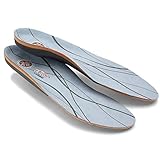
- PODIATRIST DESIGNED! An effective alternative to expensive custom-made orthotics. Innovative biomechanical THREE-ZONE COMFORT technology delivers deep heel cup stability, forefoot cushioning, and ultimate arch support to prevent excessive pronation caused by flat feet. These essential contact points help to realign positioning of feet, aiding to re-establish your body’s natural alignment, from the ground up.
- VIONIC ORTHOTIC INSOLES! These women’s and men’s shoe inserts offer a convenient, pain-free natural healing solution for many of the common aches and pains associated with poor lower-limb alignment, plantar fasciitis, and arch pain. EVA orthotic with re-enforced, hardened plastic (PE) shell for added motion control and stability. Cushioned shock dot in the heel for added shock absorption. Can be trimmed in forefoot if necessary.
- DESIGNED FOR EVERYDAY USE! Designed to provide greater control in faster paced activities such as running and fast walking. 4 degree rear foot wedge to provide support and control which helps prevent excess pronation. Odor absorbing cover. Contoured around the heel and arch areas to achieve 100% foot contact. Podiatrist Designed, APMA Seal of Acceptance.
- COMFORTABLE TO WEAR! Shoe inserts for women and men contoured around the heel and arch areas to achieve perfect foot contact.
- SIZES AVAILABLE: XS: Women’s 4.5 – 6 / Men’s 3.5 – 5 S: Women’s 6.5 – 8 / Men’s 5.5 – 7 M: Women’s 8.5 – 10 / Men’s 7.5 – 9 L: Women’s 10.5 – 12 / Men’s 9.5 – 11 XL: Men’s 11.5 – 13

- Signature waffle-inspired rubber outsole for traction and flexibility

- Provides continuous support of the Plantar Fascia by gently stretching the fascia tissue.
- Compression zones promote circulation, reduce impact vibration, boost recovery and strengthen feet.
- Lightweight, seamless design with extra cushioning provides support while still being comfortable.
- Supports the heel/arch and overall foot structure while stabilizing the tendon for better performance
- Made from high quality materials, the socks are moisture wicking and breathable.

- The first generation of Protalus’s M-100 Insole
- Patented Alignment Technology: The M-100 features a deep heel cup and contoured arch to correct overpronation and promote better posture, stability, and joint health throughout your body.
- Comfortable Insoles: The patented stress relief replacement shoe insoles increase comfort and relieve plantar fasciitis and anti-fatigue.
- Improves Alignment: The shoe insoles help improve alignment and reduce pain in the feet, ideal for low and high arches.
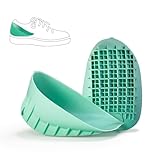
- ✶ALLEVIATES HEEL PAIN – Tuli’s Heavy Duty Heel Cups provide heel pain relief caused by plantar fasciitis, Sever’s disease, excessive pronation, Achilles tendonitis, etc. Ideal for those on their feet for most of the day or those looking for added comfort.
- ✶PODIATRIST PREFERRED – In an independent study conducted by M3 Global Research, podiatrists chose Tuli’s as the clear winner of recommended heel cup brands.
- ✶SHOCK-ABSORBING DESIGN – The multi-cell, multi-layer design absorbs shock and impact energy, mimicking the natural shock-absorbing system of your feet. As you walk or run, the design reduces the stress on your feet.
- ✶DOCTOR RECOMMENDED & APMA ACCEPTED – Tuli’s Heel Cups were designed by a leading podiatrist and have the honor of being accepted by the American Podiatric Medical Association.
- ✶FITS MOST LACE-UP SHOES – Best used in spacious lace-up shoes like athletic shoes / sneakers.
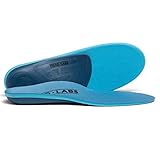
- Plantar Fasciitis Relief, Every Step – Firm arch support helps relieve heel and arch pain from plantar fasciitis and supports flat feet and overpronation for better alignment and all-day comfort.
- Clinical-Grade Biomechanics – Tread Labs 26-33 ARCHitecture delivers orthotic-level stability—custom-orthotic feel without the prescription.
- Dialed Fit for Any Shoe – Four arch heights (low, medium, high, extra-high) and an easy 3-step sizing guide make selection simple for work boots, sneakers, and everyday shoes—great for standing all day.
- Built to Last a Million Miles – Durable, recyclable arch supports with our Million-Mile Guarantee; replaceable top covers keep insoles fresh and cost-effective. Unlike foam that flattens, Pace is engineered to last.
- Trusted Expertise – Designed by Mark Paigen (founder of Chaco). Premium arch support inserts for men and women backed by decades of footwear innovation.
When should I see a podiatrist?
If symptoms persist past 2 weeks, affect your normal activity, or are accompanied by red-flag symptoms (warmth, redness, swelling, inability to bear weight).
What does treatment cost?
Most diagnostic visits and conservative treatments are covered by Medicare and major insurers. Out-of-pocket costs vary by your specific plan.
How quickly can I get an appointment?
Most non-urgent cases see us within 5 business days. Urgent cases (sudden pain, possible fracture) typically same or next business day.
What is Plantar fasciitis?
Plantar fasciitis is a common foot/ankle condition that affects mobility and quality of life. Understanding the underlying cause is the first step in successful treatment. Our podiatrists at Balance Foot & Ankle perform a hands-on biomechanical exam, review your activity history, and use diagnostic imaging when appropriate to identify the root cause—not just treat the symptom. Many patients have been told to “rest and ice” without a deeper diagnostic workup; our approach is different.
Symptoms and warning signs
Common signs of plantar fasciitis include pain that worsens with activity, morning stiffness, swelling, tenderness when palpated, and difficulty bearing weight. If you experience sudden severe pain, inability to walk, visible deformity, numbness or color change, contact our office the same day or visit urgent care—these can signal a more serious injury such as a fracture, tendon rupture, or vascular compromise. Diabetics with any foot wound should seek same-day care.
Conservative treatment options
Most cases of plantar fasciitis respond to non-surgical care: structured rest, supportive footwear changes, custom orthotics, targeted stretching and strengthening protocols, anti-inflammatory medications when medically appropriate, and in-office procedures such as ultrasound-guided injections. We also offer advanced therapies including MLS laser therapy, EPAT/shockwave, regenerative injections, and image-guided procedures. Treatment is sequenced from least invasive to most invasive, and we explain the rationale at every step.
When is surgery considered?
Surgery is reserved for cases that fail 3-6 months of well-structured conservative care, when there is structural pathology (severe deformity, complete tear, advanced arthritis), or when imaging shows damage that will not heal without intervention. Our surgeons have performed 3,000+ foot and ankle procedures and prioritize minimally-invasive techniques whenever appropriate. We discuss recovery timelines, return-to-activity milestones, and realistic outcome expectations before any procedure is scheduled.
Recovery timeline and prevention
Recovery from plantar fasciitis varies based on severity and chosen treatment path. Conservative cases often improve within 4-8 weeks with consistent adherence to the protocol. Post-procedural recovery may range from a few days (in-office procedures) to several months (reconstructive surgery). Long-term prevention involves footwear assessment, activity modification, structured strengthening, and regular check-ins with your podiatrist if you have a history of recurrence. We provide written home-exercise plans and digital follow-up support.
Ready to Get Relief?
Same-day appointments available in Howell & Bloomfield Township, MI
4.9★ | 1,123 Reviews | 3,000+ Surgeries
Or call: (810) 206-1402

Dr. Tom Biernacki, DPM is a board-certified foot & ankle surgeon (ABFAS & ABPM) at Balance Foot & Ankle Specialists in Southeast Michigan. With over a decade of clinical experience, he specializes in heel pain, bunions, diabetic foot care, sports injuries, and minimally invasive surgery. Dr. Biernacki is a member of the APMA and ACFAS, and his patient education content on MichiganFootDoctors.com and YouTube has made him one of the most-followed foot & ankle educators on YouTube.
More questions patients ask
Can you lift weights with plantar fasciitis?
Yes — most weightlifting is safe with plantar fasciitis when modified. Avoid: jumping (box jumps, plyometrics), running between sets, prolonged barefoot lifting on concrete. Best practices: dedicated weightlifting shoes (raised heel, rigid sole), supportive sneakers between sets, pad heel during deadlifts, ice after workouts. Most patients can continue lifting through plantar fasciitis treatment.
Should I wear sneakers or weightlifting shoes for squats?
For squats: weightlifting shoes are vastly superior to sneakers. The rigid heel-raised design (15-22mm heel-to-toe drop) reduces ankle dorsiflexion needed, allowing deeper squat with proper form. Soft sneakers compress under heavy load, creating instability. For Olympic squats and heavy back/front squats, weightlifting shoes are the standard.
Still have a question about coverage or cost? Book online and we will check your benefits before your visit: Book in Howell · Book in Bloomfield Township. Prefer to talk it through first? Call (810) 206-1402.