

Medically reviewed by Dr. Tom Biernacki, DPM
Board-certified podiatric surgeon | Balance Foot & Ankle
Last reviewed: May 2026
Quick answer: Foot Pain Standing Work Solutions That Actually Work has multiple potential causes including mechanical, neurological, vascular, and inflammatory. The most common causes we identify are overuse, ill-fitting shoes, and biomechanical imbalance. Red flags requiring urgent evaluation: warmth/redness (infection), inability to bear weight (fracture), and unilateral swelling without injury (DVT). Call (810) 206-1402.
![How to Cure Plantar Fasciitis in One Week? [FAST Heel Pain Relief!]](https://www.michiganfootdoctors.com/wp-content/cache/flying-press/b5600c3bfb9845a6095da8266d8b5363.jpg)
Watch: How to Cure Plantar Fasciitis in One Week? [FAST Heel Pain Relief!] — MichiganFootDoctors YouTube
Medically Reviewed by Dr. Tom Biernacki, DPM, FACFAS — Board-certified podiatrist & foot surgeon | Balance Foot & Ankle | Last updated: May 2026
The most important clinical decision with Foot Pain Standing Work Solutions That Actually Work isn’t which treatment to start with — it’s identifying the correct subtype. That changes everything. Call (810) 206-1402.
⚡ Quick Answer: Foot Pain from Standing at Work — Solutions That Actually Work
Occupational foot pain from prolonged standing — common in nurses, teachers, retail workers, factory employees, cooks, and now standing-desk users — has three root causes: sustained static load on the plantar fascia and metatarsal heads without the recovery periods that walking provides, footwear designed for appearance rather than biomechanical support, and surface hardness (concrete and tile floors deliver 3–5× the impact of wood or cushioned flooring). The solutions that have the highest evidence base are: anti-fatigue mats (reduce plantar pressure by 25–30%), work-appropriate custom or high-quality OTC orthotics, footwear with a minimum 20mm cushioned midsole and removable footbed, and structured rest-and-movement breaks every 45–60 minutes. Most occupational foot pain resolves in 3–6 weeks with consistent interventions — but escalates to plantar fasciitis or stress fracture if ignored.
Why Standing at Work Hurts More Than You Think It Should
Static standing for 8+ hours is mechanically harder on the foot than running a 5K, a fact that surprises most patients. During running, the foot contacts the ground for less than 0.3 seconds per step and the plantar fascia and heel pad have recovery periods between strikes. During sustained standing, the same structures remain continuously loaded under full body weight with no recovery interval — the heel fat pad compresses, the plantar fascia stretches under static load, and the metatarsal heads receive unrelieved pressure from the same concentrated area of the shoe insole. Over an 8-hour shift on concrete, this cumulative load is the biomechanical equivalent of walking 15–20 miles.
Occupational Foot Pain by Profession: What Goes Wrong and Why
| Profession | Primary Surface | Most Common Injuries | Key Prevention |
|---|---|---|---|
| Nurses / hospital staff | Tile, linoleum | Plantar fasciitis, metatarsalgia, Achilles tendinopathy | Nursing clogs with orthotic, compression socks |
| Retail / service | Concrete, tile | Heel pad syndrome, posterior tibial tendinitis | Anti-fatigue mat at register, arch-support insoles |
| Teachers | Hardwood, concrete | Plantar fasciitis, Morton’s neuroma (dress shoe compression) | Wide-toe-box professional shoes + OTC orthotic |
| Cooks / kitchen staff | Concrete, anti-slip mat | Metatarsalgia, ankle edema, fungal infections (heat + moisture) | Slip-resistant clogs, antifungal sock protocol |
| Factory / warehouse | Concrete | Stress fractures, heel pad atrophy, arch collapse | Steel-toe boots with custom orthotic, anti-fatigue insoles |
| Standing desk users | Hardwood, carpet, tile | Plantar fasciitis, lower back pain with foot component | Anti-fatigue mat, 30-min standing max per session |
Anti-Fatigue Mats: The Evidence Base
Anti-fatigue mats are the most underused, highest-evidence intervention for occupational foot pain. Prospective studies of manufacturing and retail workers using polyurethane anti-fatigue mats (minimum 3/4-inch thickness) demonstrate 25–32% reduction in plantar pressure, 40% reduction in reported lower extremity fatigue at end of shift, and measurable reductions in cortisol (stress hormone) levels compared to standing on concrete controls. The mechanism is both direct cushioning and micro-movement stimulation — the slight surface instability of a quality anti-fatigue mat activates calf and foot muscles constantly, preventing the static load accumulation that causes plantar fascia strain. Not all mats are equal: flat rubber mats (yoga mats, cheap foam) provide minimal benefit; contoured anti-fatigue mats (Topo by Ergodriven, TerraCore) that encourage foot movement are significantly more effective.
Footwear for Standing Professions: The Non-Negotiables
Work footwear for standing occupations must meet minimum biomechanical standards that most fashion-forward professional shoes fail entirely. The four non-negotiable features are: a cushioned midsole of at least 20mm under the heel (eliminates heel pad compression), a removable footbed (allows orthotic insertion), a heel-to-toe drop of 8–12mm (reduces plantar fascia tension during prolonged standing), and a wide enough toebox to allow toe spread under load. Shoes that meet these criteria and are appropriate for professional environments include the HOKA Transport, New Balance 327 and 990 series, Brooks Addiction Walker 2, and Dansko Professional (for nursing and food service environments requiring slip resistance).
The Standing Desk Problem: What the Research Actually Shows
Standing desks became popular as a solution to sedentary work — but a significant body of research now shows that prolonged standing at a desk creates its own health risks, including varicose vein progression, lower extremity edema, and plantar fasciitis, when used incorrectly. The optimal protocol supported by research is sit-stand alternation on a 30-minute cycle — 30 minutes sitting, 30 minutes standing — rather than sustained standing. Standing for more than 45–60 continuous minutes without movement increases lower limb discomfort and cardiovascular strain. A quality anti-fatigue mat, footwear with arch support (not bare feet or socks, despite the temptation at a home office), and regular calf-raise and ankle-circle exercises during standing periods dramatically improve outcomes.
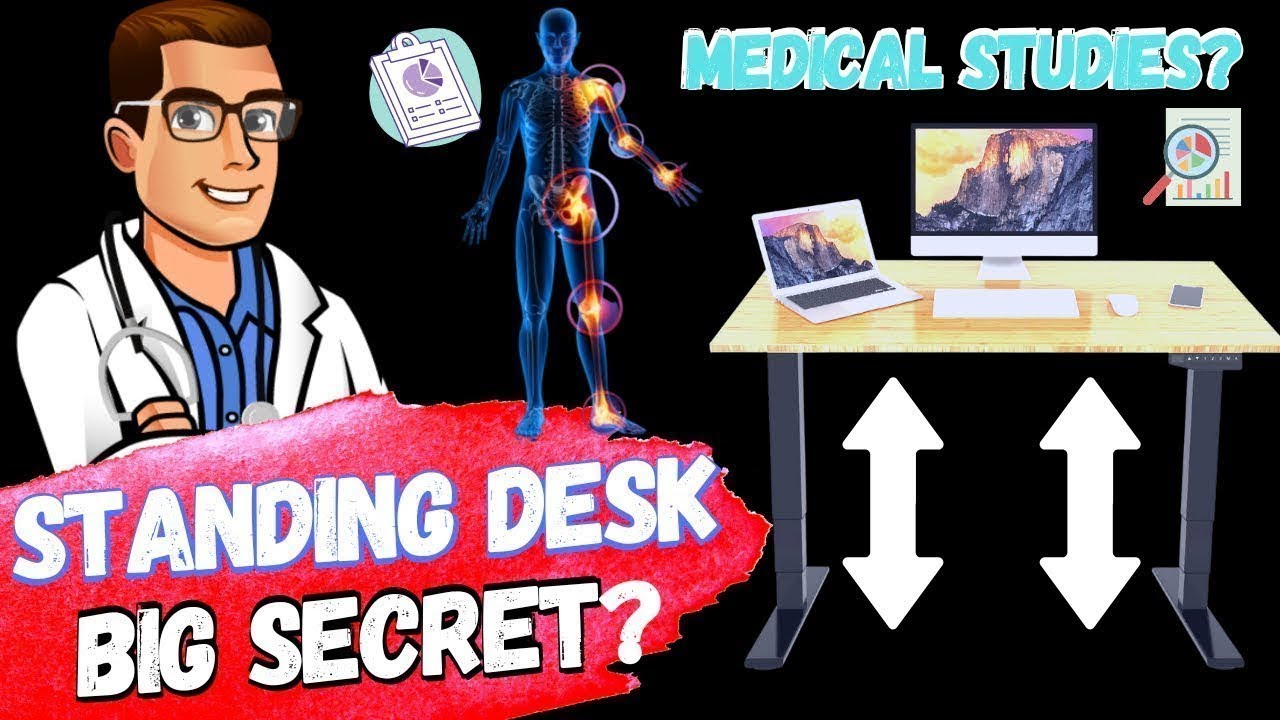
The Standing Desk Secret: Watch Dr. Tom’s Research Breakdown
Dr. Tom reviews the new research on standing desks and foot health — including how long is too long to stand, and what actually reduces foot pain in standing-work environments:
Book a same-day evaluation → · (810) 206-1402
Frequently Asked Questions: Foot Pain from Standing at Work
What is the best shoe for standing all day at work?
The best work shoe for standing all day combines a cushioned midsole (minimum 20mm EVA or polyurethane foam under the heel), a removable footbed that accommodates an orthotic, a heel-to-toe drop of 8–12mm, and a toebox wide enough for the toes to spread under load. The most consistently recommended options across professions are: the HOKA Transport and Bondi series (maximum cushion, professional appearance), Brooks Addiction Walker 2 (proven motion control for flat feet), New Balance 990 series (wide width available, deep heel cup), and Dansko Professional (preferred by nurses and kitchen staff for slip resistance + clog support). Shoes under $80 almost uniformly fail the midsole density test — the foam bottoms out within 3–4 months of daily wear, eliminating cushioning benefit while maintaining the appearance of support.
Do compression socks help with foot pain from standing at work?
Yes — graduated compression socks (15–20 mmHg for most workers, 20–30 mmHg for nurses and workers with venous insufficiency) reduce ankle edema, improve calf-muscle pump function, and decrease lower limb fatigue scores by 30–40% in clinical studies of standing workers. They do not directly reduce plantar pressure or prevent plantar fasciitis — that requires orthotic and footwear intervention — but they significantly reduce the “swollen, heavy leg” sensation that compounds foot pain discomfort by end of shift. Knee-high compression is more effective than ankle socks for full lower limb venous support. Merino wool compression socks address both compression and moisture management simultaneously, making them particularly useful for workers in warm environments.
Can plantar fasciitis develop from standing at a desk job?
Yes — plantar fasciitis is increasingly common in standing desk users and office workers who transition from primarily seated to primarily standing work environments without gradual adaptation. The plantar fascia is an adaptive tissue, but it requires progressive load increases to strengthen. Going from 1–2 hours of standing per day to 6–8 hours (as many new standing desk converts do) in a single week produces a load spike that the plantar fascia cannot tolerate, resulting in microtearing at the calcaneal insertion. The correct standing desk introduction protocol is: add no more than 30 minutes of standing time per week, always on a quality anti-fatigue mat, in supportive footwear. Starting on a hard floor in socks is the fastest route to plantar fasciitis a podiatrist sees from this population.
What type of mat should I use at my standing desk?
The evidence consistently favors contoured anti-fatigue mats over flat foam or rubber mats. Contoured mats (the Topo by Ergodriven is the most-studied, with a central raised dome and angled side edges) encourage micro-movements of the feet — weight shifting, heel raises, toe curls — that activate the calf muscle pump and distribute plantar pressure across changing contact areas. Studies comparing contoured mats to flat anti-fatigue mats show significantly lower discomfort scores at end of shift with contoured surfaces. Minimum mat thickness for meaningful cushioning effect is 3/4 inch (19mm) — anything thinner bottoms out under body weight. A mat of at least 24 × 36 inches allows the full range of subtle foot movements that provide benefit.
Should I see a podiatrist for occupational foot pain, or try OTC solutions first?
A structured OTC trial of 4–6 weeks is reasonable for mild occupational foot pain — improved footwear, a quality OTC orthotic (Superfeet GREEN or Powerstep Pinnacle), an anti-fatigue mat, and compression socks address the majority of uncomplicated cases. See a podiatrist without delay if: pain has persisted more than 6 weeks despite modifications, pain is present at rest or first thing in the morning, the pain is localized to a specific bony area rather than diffuse arch or heel fatigue, you have diabetes or peripheral neuropathy (any foot pain in this population warrants prompt evaluation), or if the pain is progressing rather than stable or improving. Balance Foot & Ankle sees same-day appointments at Howell and Bloomfield Hills — occupational foot pain is one of our most common referral categories and nearly always responds to targeted conservative care.
Foot Pain at Work That Won’t Go Away? We Can Help Fast
Dr. Tom Biernacki, DPM, FACFAS specializes in occupational foot pain — plantar fasciitis, metatarsalgia, heel pad syndrome, and stress fractures from standing work. Same-day appointments at Howell and Bloomfield Hills, MI. Most insurance accepted.
Book Same-Day → (810) 206-1402Howell: 4330 E Grand River Ave · Bloomfield Hills: 43494 Woodward Ave #208
Related Resources
- Plantar Fasciitis Stretches: Daily Protocol for Standing Workers
- Custom Orthotics in Michigan: Work-Specific Fitting
- Foot Pain from Standing in Lines: Event & Theme Park Guide
- Best Work Shoes Recommended by a Podiatrist
- Heel Pain: Causes, Diagnosis & Treatment from a DPM
In-Office Treatment at Balance Foot & Ankle
If home treatment isn’t providing relief for your foot and ankle conditions, our podiatry team at Balance Foot & Ankle can help with same-day evaluations and advanced in-office care.
Same-day appointments available. (810) 206-1402
Doctor Hoy’s Natural Pain Relief Gel
Natural topical pain relief I use in our clinic. Arnica + camphor formula — apply directly to the area 3–4x daily. ($20–25)
Shop Doctor Hoy’s →Frequently Asked Questions

When should I see a doctor?
See a podiatrist if pain persists past 2 weeks, prevents normal activity, or is accompanied by red-flag symptoms (warmth, swelling, numbness, inability to bear weight).
Can I treat this at home?
Mild cases respond to RICE protocol (rest, ice, compression, elevation), supportive shoes, and OTC anti-inflammatories. Persistent symptoms need professional evaluation.
How long does it take to heal?
Most soft tissue injuries resolve in 2-6 weeks with appropriate care. Bone injuries take 6-12 weeks. Chronic conditions need longer-term management.
What is Foot pain?
Foot pain is a common foot/ankle condition that affects mobility and quality of life. Understanding the underlying cause is the first step in successful treatment. Our podiatrists at Balance Foot & Ankle perform a hands-on biomechanical exam, review your activity history, and use diagnostic imaging when appropriate to identify the root cause—not just treat the symptom. Many patients have been told to “rest and ice” without a deeper diagnostic workup; our approach is different.
Symptoms and warning signs
Common signs of foot pain include pain that worsens with activity, morning stiffness, swelling, tenderness when palpated, and difficulty bearing weight. If you experience sudden severe pain, inability to walk, visible deformity, numbness or color change, contact our office the same day or visit urgent care—these can signal a more serious injury such as a fracture, tendon rupture, or vascular compromise. Diabetics with any foot wound should seek same-day care.
Conservative treatment options
Most cases of foot pain respond to non-surgical care: structured rest, supportive footwear changes, custom orthotics, targeted stretching and strengthening protocols, anti-inflammatory medications when medically appropriate, and in-office procedures such as ultrasound-guided injections. We also offer advanced therapies including MLS laser therapy, EPAT/shockwave, regenerative injections, and image-guided procedures. Treatment is sequenced from least invasive to most invasive, and we explain the rationale at every step.
When is surgery considered?
Surgery is reserved for cases that fail 3-6 months of well-structured conservative care, when there is structural pathology (severe deformity, complete tear, advanced arthritis), or when imaging shows damage that will not heal without intervention. Our surgeons have performed 3,000+ foot and ankle procedures and prioritize minimally-invasive techniques whenever appropriate. We discuss recovery timelines, return-to-activity milestones, and realistic outcome expectations before any procedure is scheduled.
Recovery timeline and prevention
Recovery from foot pain varies based on severity and chosen treatment path. Conservative cases often improve within 4-8 weeks with consistent adherence to the protocol. Post-procedural recovery may range from a few days (in-office procedures) to several months (reconstructive surgery). Long-term prevention involves footwear assessment, activity modification, structured strengthening, and regular check-ins with your podiatrist if you have a history of recurrence. We provide written home-exercise plans and digital follow-up support.
Ready to feel better?
Same-week appointments available in Howell and Bloomfield Hills, Michigan.
Book Your VisitReady for Expert Care?
Same-day appointments in Howell & Bloomfield Hills, MI.
4.9★ | 1,123 Reviews | 3,000+ Surgeries
Or call: (810) 206-1402

Dr. Tom Biernacki, DPM is a board-certified foot & ankle surgeon (ABFAS & ABPM) at Balance Foot & Ankle Specialists in Southeast Michigan. With over a decade of clinical experience, he specializes in heel pain, bunions, diabetic foot care, sports injuries, and minimally invasive surgery. Dr. Biernacki is a member of the APMA and ACFAS, and his patient education content on MichiganFootDoctors.com and YouTube has made him one of the most-followed foot & ankle educators on YouTube.