
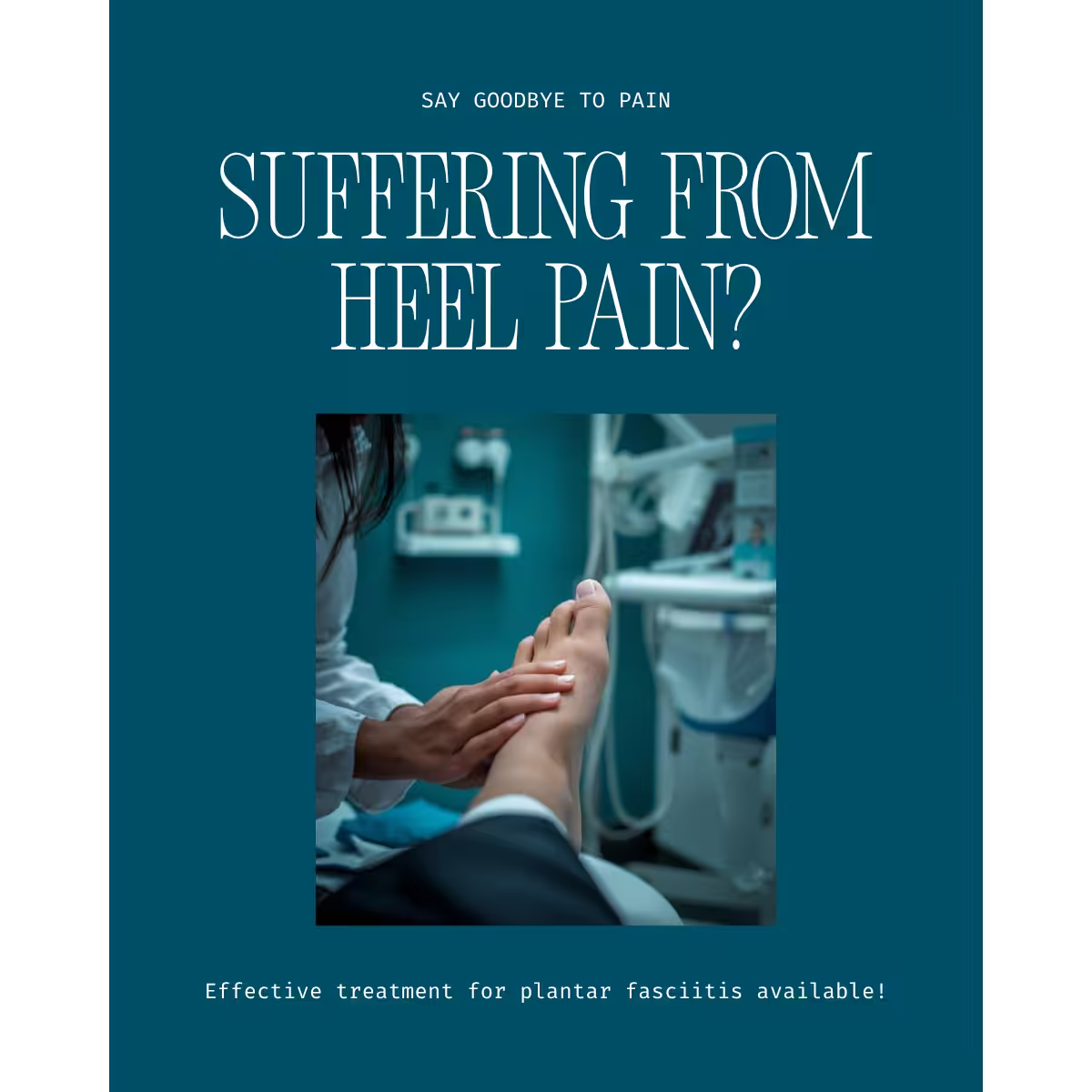
Medically Reviewed by Dr. Tom Biernacki, DPM — Board-Certified Podiatrist, Balance Foot & Ankle Specialists, Michigan. Last updated April 2026.
▶ Watch
Treatment at Balance Foot & Ankle: EPAT Shockwave for Heel Pain →

Why Stretching Works for Plantar Fasciitis
Plantar fasciitis — inflammation and degeneration of the plantar fascia at its heel bone attachment — responds remarkably well to targeted stretching. Research shows that consistent stretching reduces pain, improves function, and accelerates healing by increasing fascial flexibility, reducing tensile overload at the insertion, and improving the mechanical environment for tissue remodeling. The key words are consistent and targeted: random stretching without technique guidance produces inferior results.
The podiatrists at Balance Foot & Ankle in Howell and Bloomfield Township, Michigan recommend these five evidence-based stretches to every plantar fasciitis patient and explain their specific biomechanical rationale.
Stretch 1: Plantar Fascia Stretch (Pre-Step Stretch)
This is the single highest-yield stretch for plantar fasciitis. Perform before your first step out of bed each morning and after any period of prolonged rest.
How to do it: Sit on the edge of the bed. Cross the affected foot over your knee. Grasp the toes and gently pull them back toward the shin, holding for 10 seconds. You should feel a stretch along the arch and bottom of the foot. Repeat 10 times on each foot before standing. This stretch restores fascial length shortened during overnight rest, preventing the micro-tears of contracted fascia re-stretching with weight-bearing that cause morning pain.
Stretch 2: Gastrocnemius (Straight-Knee Calf) Stretch
The gastrocnemius is the largest calf muscle, crossing both the knee and ankle. Tightness here increases tensile load on the plantar fascia during late stance. Stretch it with the knee straight.
How to do it: Stand facing a wall with one foot back. Keep the back knee straight and the back heel flat on the floor. Lean into the wall until you feel a strong stretch in the upper calf. Hold 30 seconds. Repeat three times per leg, two to three times daily.
Stretch 3: Soleus (Bent-Knee Calf) Stretch
The soleus is the deeper, smaller calf muscle below the gastrocnemius and is often overlooked. It is critical to stretch both muscles independently since they contribute differently to ankle dorsiflexion restriction.
How to do it: Same wall position as above, but bend the back knee slightly while keeping the heel flat. You’ll feel the stretch lower, deeper in the calf compared to the gastrocnemius stretch. Hold 30 seconds, repeat three times per leg.
Stretch 4: Towel/Band Plantar Fascia Stretch
A more controlled version of the pre-step stretch that allows progressive loading of the fascia as it heals.
How to do it: Sit on the floor with legs extended. Loop a towel or resistance band around the ball of your foot (not the toes). Gently pull the band toward you, dorsiflexing the ankle and extending the toes simultaneously. Hold 30 seconds. This stretches the plantar fascia through its full functional range and can be performed with varying resistance as healing progresses.
Stretch 5: Intrinsic Foot Muscle Stretch and Toe Extension
Many plantar fasciitis patients have tight toe flexors and intrinsic foot muscles that contribute to ongoing fascial tension.
How to do it: Standing barefoot, place a small ball or rolled towel under the toes of one foot. Apply gentle downward pressure to extend the toes while keeping the heel on the ground. Hold 30 seconds. This applies fascial stretch through the “windlass mechanism” — the anatomical principle that toe extension tightens the plantar fascia — and improves flexibility through the entire kinetic chain of the arch.
How Often and How Long
For best results, perform your stretching routine at minimum twice daily — once immediately before your first morning steps, and once before activity. Consistency over weeks matters more than intensity in any single session. Most patients see meaningful improvement within 2-4 weeks of consistent stretching. Stretching works best as part of comprehensive treatment that includes appropriate footwear, custom orthotics, and activity modification.
Foot or Ankle Pain? We Can Help.
Balance Foot & Ankle — Howell & Bloomfield Township, MI
📅 Book Online
📞 (810) 206-1402
Insurance Accepted
BCBS · Medicare · Aetna · Cigna · United Healthcare · HAP · Priority Health · Humana · View All →
Howell Office
3980 E Grand River Ave, Suite 140
Howell, MI 48843
Get Directions →
Bloomfield Hills Office
43700 Woodward Ave, Suite 207
Bloomfield Hills, MI 48302
Get Directions →
Your Board-Certified Podiatrists



Ready to Get Back on Your Feet?
Same-week appointments available at both locations.
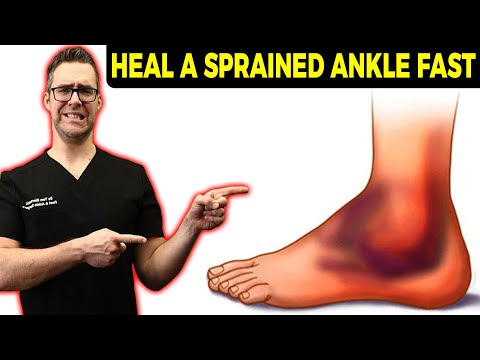
Book Your AppointmentWatch: Dr. Tom explains
Podiatrist-recommended products
As an Amazon Associate, Dr. Tom earns from qualifying purchases.
Related resources
Ready to solve this? Book today.
Same-week appointments · Howell & Bloomfield Hills · 4.9★ (1,123+ reviews)
☎ (810) 206-1402Book Online →In Our Clinic
In our Balance Foot & Ankle clinic, the typical plantar fasciitis patient is a 40- to 60-year-old who noticed sharp heel pain on their very first steps in the morning or after sitting at a desk. Many arrive having already tried cheap shoe-store inserts and a week of ice without relief. On exam, we palpate the medial calcaneal tubercle, check for a positive windlass test, and rule out Baxter’s neuropathy and calcaneal stress fractures. Most of our plantar fasciitis patients respond to a custom orthotic + eccentric calf loading + night splinting protocol within 6–12 weeks — without injections or surgery.
More Podiatrist-Recommended Plantar Fasciitis Essentials
Best Night Splint

- Plantar fascitis night splint brace heel and foot pain size: Medium
- Medium , men 8 10 1/2 , women 7 1/2 10
- Designed to comfortably position the foot
- Low profile shell is sturdy and breathable
Keeps fascia stretched overnight — the #1 intervention for morning heel pain.
Top Podiatrist-Recommended Insole

- The Pinnacle Full length insoles for men & women provide maximum cushioning, from high activity to moderate support. The PowerStep arch support shape provides stability to the foot and ankle, helping to relieve foot pain.
- When you spend all day on your feet, every step counts. PowerStep insoles are a podiatrist-recommended orthotic to help relieve & prevent foot pain related to athletes, runners, Plantar Fasciitis, heel spurs & other common foot, ankle & knee injuries
- The Pinnacle plantar fasciitis insoles offer superior heel cushioning and arch support. The dual-layer cushioning is designed to reduce stress and fatigue, while PowerStep premium arch support is designed for plantar fasciitis relief.
- The PowerStep Pinnacle arch support inserts for men & women can be worn in a variety of shoe types such as; athletic, walking, running, work & some casual shoes. Orthotic Inserts are ordered by shoe size, no trimming required.
- Made in the USA & backed by a 30-day money-back guarantee. PowerStep orthotic inserts for men & women are designed for shoes where the factory insole can be removed. HSA & FSA Eligible
Deep heel cup + arch support unloads the plantar fascia all day.
Plantar Fasciitis Compression Sock

- Provides continuous support of the Plantar Fascia by gently stretching the fascia tissue.
- Compression zones promote circulation, reduce impact vibration, boost recovery and strengthen feet.
- Lightweight, seamless design with extra cushioning provides support while still being comfortable.
- Supports the heel/arch and overall foot structure while stabilizing the tendon for better performance
- Made from high quality materials, the socks are moisture wicking and breathable.
Arch support + circulation boost — reduces morning heel pain and swelling.
As an Amazon Associate, Balance Foot & Ankle earns from qualifying purchases. Product recommendations are based on clinical experience; prices and availability shown above update live from Amazon.

When to See a Podiatrist
If morning heel pain has persisted more than 6 weeks, home care alone rarely fixes it. At Balance Foot & Ankle, we combine in-office ultrasound diagnostics, custom orthotics, and — when needed — shockwave or PRP to resolve plantar fasciitis that hasn’t responded to stretching and inserts. Most patients are walking pain-free within 4-8 weeks of starting a structured plan.
Call Balance Foot & Ankle: (810) 206-1402 · Book online · Offices in Howell & Bloomfield Hills
In-Office Treatment at Balance Foot & Ankle
When conservative care isn’t enough, Dr. Tom Biernacki and the team at Balance Foot & Ankle offer advanced, same-day options — including Plantar Fasciitis Surgery Bloomfield Hills at our Howell and Bloomfield Hills clinics.
Same-day appointments available. Call (810) 206-1402 or book online.

Dr. Tom Biernacki, DPM is a double board-certified podiatrist and foot & ankle surgeon at Balance Foot & Ankle Specialists in Southeast Michigan. With over a decade of clinical experience, he specializes in heel pain, bunions, diabetic foot care, sports injuries, and minimally invasive surgery. Dr. Biernacki is a member of the APMA and ACFAS, and his patient education content on MichiganFootDoctors.com and YouTube has reached over one million views.
Frequently Asked Questions
What is the fastest way to cure plantar fasciitis?
Is plantar fasciitis covered by insurance?
Can plantar fasciitis go away on its own?
- Plantar Fasciitis: Diagnosis and Conservative Management (PubMed)
- Plantar Fasciitis (APMA)
- Diagnosis and Treatment of Plantar Fasciitis (PubMed / AAFP)
- Heel Pain (APMA)
Recommended Products from Dr. Tom