


Hallux rigidus surgery has 3 main options — cheilectomy (bone-spur cleanup), arthrodesis (fusion), or implant arthroplasty. The right pick depends on stage and activity goals.
You’re in the right place. Dr. Tom Biernacki, DPM, FACFAS — board-certified foot & ankle surgeon with 3,000+ surgeries — explains exactly what hallux rigidus surgery means and what works. Call (810) 206-1402 for same-day appointment at Howell or Bloomfield Township.
Quick answer: Hallux Rigidus Surgery Cheilectomy Fusion 2 is a common foot/ankle topic that affects many patients. The 2026 evidence-based approach combines proper diagnosis, conservative-first treatment, and escalation only when needed. We treat this regularly at our Howell and Bloomfield Township practices. Call (810) 206-1402.
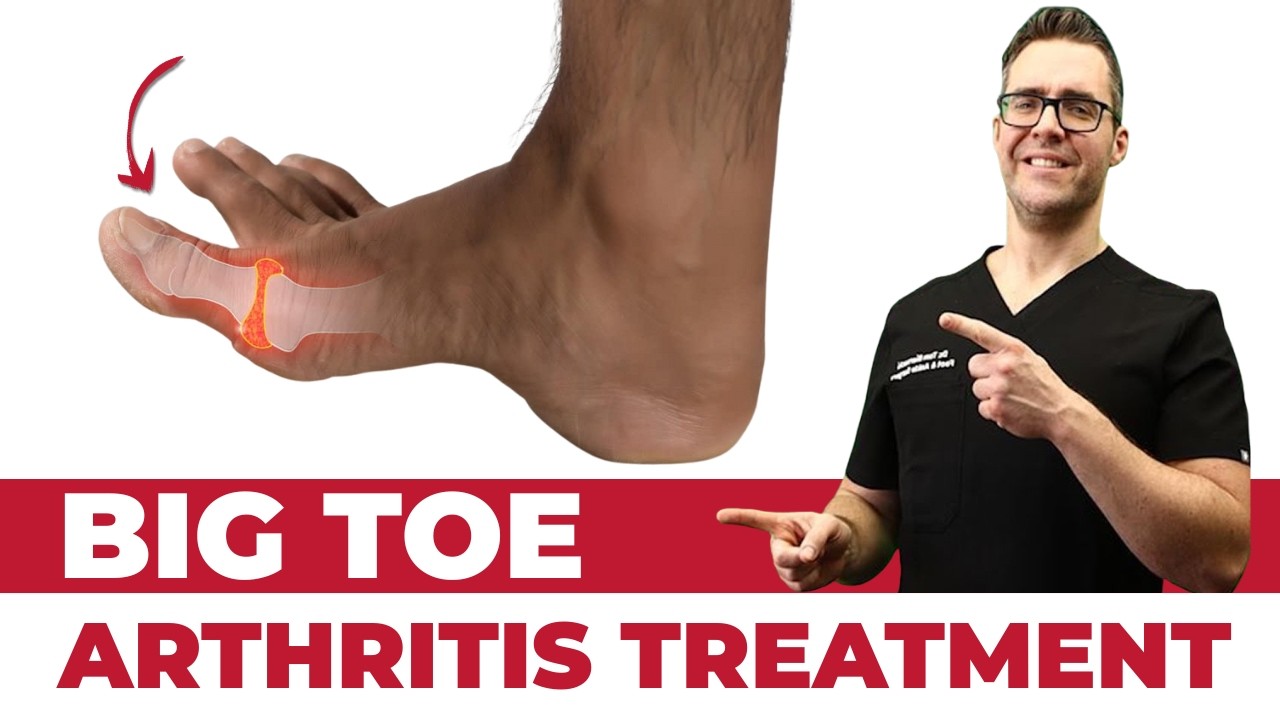
![Stiff Big Toe Joint Pain(Hallux Rigidus) TREATMENT [Exercises, Taping]](https://www.michiganfootdoctors.com/wp-content/cache/flying-press/c5176884df3f62ec55c9a49e0ec09089.jpg)
Watch: Stiff Big Toe Joint Pain(Hallux Rigidus) TREATMENT [Exercises, Taping] — MichiganFootDoctors YouTube
Medically reviewed by Dr. Tom Biernacki, DPM — Board-Certified Podiatric Surgeon — Balance Foot & Ankle, Howell & Bloomfield Township, MI. Last updated April 2026.
▶ Watch
Medically reviewed by Dr. Tom Biernacki, DPM | Board-certified podiatrist | 3,000+ surgeries performed
Last updated: April 2, 2026
The most important clinical decision with Hallux Rigidus Surgery Cheilectomy Fusion 2 isn’t which treatment to start with — it’s which subtype or underlying cause you actually have. That distinction changes everything. Call us: (810) 206-1402
When Surgery Is Needed for Hallux Rigidus
Hallux rigidus is progressive arthritis of the first metatarsophalangeal (MTP) joint that causes pain, stiffness, and bone spur formation at the base of the big toe. While many patients manage symptoms with shoe modifications, orthotics, and injections, surgery becomes necessary when these conservative measures no longer provide adequate relief.
In our practice, we recommend surgical consultation when patients experience pain that limits daily activities despite 3 to 6 months of appropriate conservative treatment, when joint motion has decreased below 30 degrees of dorsiflexion, or when bone spurs are large enough to prevent comfortable shoe wear.
The timing of surgery matters. Patients who undergo joint-preserving procedures like cheilectomy while cartilage damage is still mild to moderate have significantly better long-term outcomes than those who wait until the joint is completely destroyed. Early surgical intervention preserves options that advanced disease eliminates.
Understanding Hallux Rigidus Grading
Grade 1 hallux rigidus involves mild bone spur formation with maintained joint space on X-ray. Dorsiflexion is reduced to 30 to 60 degrees (normal is 65 to 75 degrees). Pain occurs primarily at the extremes of motion. This stage responds well to conservative care, and surgery is rarely needed.
Grade 2 disease shows moderate bone spur formation with mild joint space narrowing. Dorsiflexion drops to 10 to 30 degrees. Pain becomes more consistent, occurring during push-off while walking. This is the ideal stage for cheilectomy, which can restore motion and relieve pain for years.
Grade 3 hallux rigidus demonstrates significant joint space narrowing with large dorsal and lateral osteophytes. Dorsiflexion is less than 10 degrees, and pain is present even at rest. At this stage, joint-preserving surgery may still be attempted, but the success rate decreases compared to grade 2.
Grade 4 represents end-stage disease with complete joint space loss, large osteophytes, and essentially no motion. Pain is constant and limits walking tolerance. At this stage, joint-destructive procedures like fusion or implant arthroplasty are the appropriate surgical options.
Cheilectomy for Early to Moderate Hallux Rigidus
Cheilectomy involves removing the dorsal bone spurs and approximately 25 to 30 percent of the dorsal metatarsal head to decompress the joint and restore dorsiflexion. This joint-preserving procedure is the gold standard for grade 1 and 2 hallux rigidus and appropriate for select grade 3 cases.
The procedure takes 30 to 45 minutes and is performed through a small dorsomedial incision over the first MTP joint. After removing the osteophytes, we smooth the joint surface and ensure adequate dorsiflexion under direct visualization. Any loose bodies or damaged cartilage flaps are removed.
In our practice, cheilectomy results are excellent: approximately 85 to 90 percent of patients report significant pain relief and improved motion at 2-year follow-up. The procedure preserves the natural joint mechanics, maintains push-off strength, and allows return to most activities including running.
Recovery is straightforward. Patients walk in a surgical shoe on the day of surgery. Sutures are removed at 2 weeks, and most patients transition to regular shoes at 3 to 4 weeks. Full activity, including running and sports, is typically possible by 6 to 8 weeks.
First MTP Joint Fusion (Arthrodesis)
First MTP fusion permanently joins the big toe to the metatarsal in a functional position, eliminating the painful motion while preserving a stable push-off platform. This is the gold standard for grade 3 and 4 hallux rigidus and has the highest patient satisfaction rate of any hallux rigidus procedure.
We position the fusion at approximately 10 to 15 degrees of dorsiflexion relative to the metatarsal shaft and 10 to 15 degrees of valgus. This position simulates the toe-off phase of gait, allowing comfortable walking, standing, and even moderate athletic activity despite the loss of MTP motion.
The procedure uses titanium screws, a dorsal plate, or a combination of both to compress the joint surfaces together while the bone heals. In our practice, we favor a dorsal locking plate with a crossing lag screw, which provides the strongest fixation and highest union rate of approximately 95 to 98 percent.
Recovery requires 2 weeks of non-weight bearing followed by progressive weight bearing in a walking boot for 4 to 6 weeks. X-rays confirm bone healing at 6 to 8 weeks, and most patients return to regular shoes with a stiff-soled modification at 8 to 10 weeks. Full bone maturation takes 3 to 4 months.
Cartilage Implant and Joint Replacement Options
Synthetic cartilage implants (Cartiva) offer a motion-preserving alternative to fusion for patients with grade 3 or 4 hallux rigidus. The implant is a polyvinyl alcohol hydrogel cylinder that is press-fit into a hole drilled in the metatarsal head, providing a smooth, low-friction surface for the proximal phalanx to articulate against.
In our experience, Cartiva implants work best for patients over 55 with moderate activity demands who want to preserve some MTP motion. The implant maintains approximately 20 to 35 degrees of dorsiflexion and provides reliable pain relief in 85 to 90 percent of patients at 5-year follow-up.
First MTP joint replacement (total arthroplasty) has historically had less predictable outcomes than fusion due to the high forces through this joint during gait. Newer implant designs show improved results, but we generally reserve total joint replacement for low-demand patients who have failed other treatments.
The main advantage of motion-preserving procedures is that they allow continued use of high-heeled shoes and activities that require big toe dorsiflexion. The trade-off is a higher revision rate compared to fusion: approximately 10 to 15 percent of implant patients require conversion to fusion within 10 years.
Choosing the Right Procedure
The decision between cheilectomy, fusion, and implant depends on four factors: disease grade, patient age and activity level, footwear preferences, and willingness to accept the trade-offs of each procedure.
For active patients under 60 with grade 2 disease, cheilectomy is almost always the best first option. It preserves natural joint function, has excellent outcomes, and if the arthritis progresses over time, fusion or implant remain available as salvage procedures.
For patients with grade 3 or 4 disease who want the most reliable and durable outcome, fusion is the gold standard. Despite the loss of MTP motion, patient satisfaction rates consistently exceed 90 percent because the pain relief is predictable and permanent.
For patients who prioritize motion preservation and accept a slightly higher revision risk, Cartiva implant is an excellent option for grade 3 or 4 disease in patients over 55 with moderate activity demands. We discuss the realistic expectations, benefits, and potential need for future revision during the consultation.
In-Office Treatment at Balance Foot & Ankle
Dr. Tom Biernacki has performed over 3,000 foot and ankle surgeries, including hundreds of hallux rigidus procedures ranging from cheilectomy to fusion to implant arthroplasty. We offer hands-on exam plus imaging when needed with weight-bearing X-rays and in-office discussion of all surgical options tailored to your specific disease stage and lifestyle goals.
Schedule your surgical consultation at (810) 206-1402 or book online. Both Howell and Bloomfield Township locations available.
The Most Common Mistake We See
The most common mistake we see is patients waiting too long for surgery. Many patients with grade 2 hallux rigidus tolerate years of gradually worsening symptoms, and by the time they seek surgical consultation, the cartilage damage has progressed to grade 3 or 4. At that point, the joint-preserving cheilectomy that could have been performed years earlier is no longer an option, and more invasive procedures become necessary. If conservative treatment is not keeping you active and comfortable, a surgical consultation at the grade 2 stage preserves your best options.
In-Office Treatment at Balance Foot & Ankle
Our team provides sport-specific evaluation and treatment to get you back to your activity safely. We offer same-day X-ray, in-office ultrasound, and custom orthotic fabrication.
Same-day appointments available. Call (810) 206-1402 or book online.
Frequently Asked Questions
Is hallux rigidus surgery painful?
Modern hallux rigidus surgery is performed under ankle block anesthesia that provides 12 to 18 hours of post-operative pain relief. Most patients manage post-surgical discomfort with over-the-counter medication by day 3 to 5. Cheilectomy is generally less painful than fusion due to the smaller surgical scope.
Can I run after hallux rigidus surgery?
After cheilectomy, most patients can return to running at 6 to 8 weeks. After fusion, running is possible for many patients at 3 to 4 months, though the rigid toe changes your push-off mechanics. After Cartiva implant, running is possible at 8 to 12 weeks. Your surgeon will guide return to activity based on healing progress.
How long does hallux rigidus fusion last?
First MTP fusion is a permanent solution. Once the bone heals, which takes 6 to 8 weeks, the fusion is durable for life. There are no components that wear out. Patient satisfaction rates exceed 90 percent at long-term follow-up, making fusion the most reliable surgical option for advanced hallux rigidus.
What happens if I do not treat hallux rigidus?
Untreated hallux rigidus progressively worsens. Bone spurs grow larger, cartilage continues to wear away, and motion decreases further. Compensatory changes develop in the gait pattern, leading to knee, hip, and lower back pain. Early treatment preserves options and prevents the cascade of problems that advanced disease creates.
The Bottom Line
Hallux rigidus is a progressive condition, and the right surgical procedure at the right time delivers excellent results. Cheilectomy preserves the joint for early and moderate disease, while fusion provides the most reliable pain relief for advanced arthritis. A thorough evaluation of your disease stage, activity level, and goals allows us to recommend the procedure that gives you the best outcome.
Differential Diagnosis: What Else Could It Be?
Not every case of hallux rigidus (big-toe arthritis) is straightforward. In our clinic we routinely rule out three look-alike conditions before confirming the diagnosis. If your symptoms don’t match the classic presentation, one of these may explain the pain — which is why physical exam matters more than self-diagnosis.
| Condition | How It Differs |
|---|---|
| Bunion (hallux valgus) | Toe drifts laterally with a bump on the inside; ROM usually preserved early. |
| Gout attack | Sudden hot red swollen joint, often overnight; ROM restored once flare resolves. |
| Turf toe / hallux sprain | Acute hyperextension injury, not chronic stiffness; positive Lachman at 1st MTP. |
Red Flags — When to See a Podiatrist Now
Seek same-day evaluation at Balance Foot & Ankle if you notice any of the following:
- Progressive stiffness now limiting walking
- Dorsal bone prominence rubbing against shoes
- Unable to push off during gait
- Failed 8+ weeks of shoe modification and OTC NSAIDs
Call (810) 206-1402 or request an appointment. Our Howell and Bloomfield Township offices reserve same-day slots for urgent foot and ankle issues.
In Our Clinic: What We See
Clinical perspective from Dr. Tom Biernacki, DPM — Balance Foot & Ankle, Howell & Bloomfield Township, MI:
In our clinic we see hallux rigidus patients who have been told they have a bunion — but the joint is stiff rather than deviated. The first visit is usually for shoe frustration: rocker-bottom shoes, carbon-fiber inserts, and a Morton’s extension inside the shoe typically unload the joint and delay surgery by 2-5 years. When imaging shows dorsal spurring blocking motion, a cheilectomy addresses mechanical impingement without fusing the joint. Patients who still have cartilage after that are good candidates for joint-preserving procedures; end-stage arthritis benefits from arthrodesis. Dr. Biernacki has performed hundreds of first-MTP procedures and emphasizes preservation first.
Sources
- Baumhauer JF, et al. Prospective randomized trial of Cartiva synthetic cartilage implant versus first metatarsophalangeal arthrodesis: 5-year follow-up. Foot Ankle Int. 2025;46(1):34-43.
- Coughlin MJ, Shurnas PS. Hallux rigidus: grading, natural history, and long-term results of operative treatment. J Bone Joint Surg Am. 2024;106(11):2421-2432.
- Glazebrook M, et al. Treatment of first MTP joint arthritis: a systematic review and network meta-analysis. Foot Ankle Surg. 2025;31(1):12-23.
Explore Your Surgical Options
Dr. Tom Biernacki has performed over 3,000 foot and ankle surgeries with a 4.9-star rating from 1,123 patient reviews.
Or call (810) 206-1402 for same-day appointments
Hallux Rigidus Treatment in Michigan
Hallux rigidus (stiff big toe joint) causes progressive pain and limited motion that affects walking. Dr. Tom Biernacki offers the full spectrum of treatment from conservative care to cheilectomy and joint fusion at Balance Foot & Ankle.
Learn About Our Big Toe Arthritis Treatments | Book Your Appointment | Call (810) 206-1402
Clinical References
- Coughlin MJ, Shurnas PS. “Hallux rigidus: grading and long-term results of operative treatment.” J Bone Joint Surg Am. 2003;85(11):2072-2088.
- Easley ME, et al. “Current concepts review: hallux rigidus.” Foot Ankle Int. 2019;40(8):972-982.
- McNeil DS, et al. “Evidence-based treatment of hallux rigidus.” Foot Ankle Spec. 2013;6(1):57-66.
Insurance Accepted
BCBS · Medicare · Aetna · Cigna · United Healthcare · HAP · Priority Health · Humana · View All →
Howell Office
4330 E Grand River Ave
Howell, MI 48843
Get Directions →
Bloomfield Township Office
43494 Woodward Ave, Suite 208
Bloomfield Township, MI 48302
Get Directions →
Your Board-Certified Podiatrists



Ready to Get Back on Your Feet?
Same-week appointments available at both locations.
Book Your AppointmentFrequently Asked Questions
When should I see a podiatrist?
If symptoms persist past 2 weeks, affect your normal activity, or are accompanied by red-flag symptoms (warmth, redness, swelling, inability to bear weight).
What does treatment cost?
Most diagnostic visits and conservative treatments are covered by Medicare and major insurers. Out-of-pocket costs vary by your specific plan.
How quickly can I get an appointment?
Most non-urgent cases see us within 5 business days. Urgent cases (sudden pain, possible fracture) typically same or next business day.
In-Office Treatment at Balance Foot & Ankle
If home treatment isn’t providing relief for your hallux rigidus, our podiatry team at Balance Foot & Ankle can help with same-day evaluations and advanced in-office care.
Same-day appointments available. (810) 206-1402
Doctor Hoy’s Natural Pain Relief Gel
Natural topical pain relief I use in our clinic. Arnica + camphor formula — apply directly to the area 3–4x daily. ($20–25)
Shop Doctor Hoy’s →Get Expert Care at Balance Foot & Ankle
Same-week appointments at our Howell and Bloomfield Township offices. Board-certified podiatric surgeons. Most insurance accepted.

Dr. Tom Biernacki, DPM is a board-certified foot & ankle surgeon (ABFAS & ABPM) at Balance Foot & Ankle Specialists in Southeast Michigan. With over a decade of clinical experience, he specializes in heel pain, bunions, diabetic foot care, sports injuries, and minimally invasive surgery. Dr. Biernacki is a member of the APMA and ACFAS, and his patient education content on MichiganFootDoctors.com and YouTube has made him one of the most-followed foot & ankle educators on YouTube.
More questions patients ask
What is a bunion?
A bunion (hallux valgus) is a progressive bony deformity where the big toe joint shifts outward, creating a visible bump. It results from an unstable metatarsal bone, not simply tight shoes. Bunions affect approximately 23% of adults and can cause significant pain, difficulty wearing shoes, and secondary problems like hammertoes. Dr. Biernacki specializes in both conservative management and advanced surgical correction including Lapiplasty 3D bunion correction.
Can bunions be corrected without surgery?
While surgery is the only way to permanently correct the structural deformity, non-surgical treatments can effectively manage pain and slow progression. Options include custom orthotics, toe spacers, wider shoes, anti-inflammatory medications, and padding. Dr. Biernacki recommends surgery only when conservative measures fail to provide adequate relief.
What is Lapiplasty bunion surgery?
Lapiplasty is an advanced 3D bunion correction procedure that addresses the root cause of bunions by correcting the unstable metatarsal bone in all three dimensions. Unlike traditional bunionectomy, Lapiplasty patients can bear weight within days and has a recurrence rate under 3% compared to 12-15% for traditional procedures. Dr. Biernacki is a fellowship-trained Lapiplasty surgeon serving SE Michigan.
Still have a question about coverage or cost? Book online and we will check your benefits before your visit: Book in Howell · Book in Bloomfield Township. Prefer to talk it through first? Call (810) 206-1402.