
Quick answer: Hallux Rigidus Surgery Cheilectomy Fusion Arthroplasty is a common foot/ankle topic that affects many patients. The 2026 evidence-based approach combines proper diagnosis, conservative-first treatment, and escalation only when needed. We treat this regularly at our Howell and Bloomfield Hills practices. Call (810) 206-1402.
Medically reviewed by Dr. Tom Biernacki, DPM — Board-Certified Podiatric Surgeon — Balance Foot & Ankle, Howell & Bloomfield Hills, MI. Last updated April 2026.
▶ Watch
Medically reviewed by Dr. Tom Biernacki, DPM | Board-certified podiatrist | 3,000+ surgeries performed
Last updated: April 2, 2026
The most important clinical decision with Hallux Rigidus Surgery Cheilectomy Fusion Arthroplasty isn’t which treatment to start with — it’s identifying the correct subtype. That changes everything. Call (810) 206-1402.
What Is Hallux Rigidus and Why Does It Need Surgery?
Hallux rigidus is the most common arthritic condition of the foot, affecting the metatarsophalangeal (MTP) joint at the base of the big toe. The condition develops when cartilage protecting the joint surfaces wears away, leading to bone-on-bone contact, painful bone spur formation, and progressive loss of motion.
The hallux normally dorsiflexes 65-75 degrees during walking. As hallux rigidus advances through four clinical grades, this motion decreases until the joint becomes nearly frozen. Grade 1 involves mild stiffness with a dorsiflexion range of 30-50 degrees, while Grade 4 shows near-complete ankylosis with severe pain at rest.
Surgery becomes necessary when patients can no longer walk comfortably despite trying orthotics, anti-inflammatory medications, stiff-soled shoes, and corticosteroid injections. The specific procedure recommended depends on the grade of disease, patient age, activity level, and whether cartilage damage is localized or diffuse throughout the joint.
Cheilectomy: Joint-Preserving Bone Spur Removal
Cheilectomy is the preferred surgical option for Grade 1-2 hallux rigidus where the dorsal one-third of the joint shows spur formation but viable cartilage remains on the plantar surfaces. The procedure involves removing approximately 25-30 percent of the dorsal metatarsal head along with all osteophytes blocking dorsiflexion.
During cheilectomy, Dr. Biernacki makes a dorsomedial incision over the MTP joint, carefully protects the extensor hallucis longus tendon, and uses an oscillating saw to resect the dorsal bone prominences. Intraoperative fluoroscopy confirms adequate bone removal, typically verified by achieving at least 70 degrees of passive dorsiflexion on the operating table.
Recovery from cheilectomy allows weight-bearing in a surgical shoe within days, with most patients returning to regular footwear by 4-6 weeks. Clinical studies report 80-90 percent patient satisfaction at 5-year follow-up, though approximately 10-15 percent of patients eventually progress to requiring fusion as arthritis continues advancing.
First MTP Joint Fusion (Arthrodesis): The Gold Standard for Advanced Disease
Arthrodesis permanently fuses the first metatarsophalangeal joint in a fixed position, eliminating the painful bone-on-bone motion that causes hallux rigidus symptoms. This procedure is the gold standard for Grade 3-4 disease where cartilage loss is complete and the joint is beyond preservation.
The joint is positioned at approximately 10-15 degrees of dorsiflexion relative to the first metatarsal and 10-15 degrees of valgus alignment. This precise positioning allows the toe to clear the ground during the swing phase of gait while maintaining a natural push-off pattern. Fixation uses crossed lag screws, a dorsal plate, or a combination to achieve rigid stabilization.
While fusion eliminates MTP joint motion, patients adapt remarkably well because the interphalangeal joint compensates with increased flexion. Most patients walk normally without a limp, and many return to recreational activities including hiking and light jogging. The fusion rate exceeds 95 percent in published literature when proper technique and fixation are employed.
Comparing Outcomes: Which Surgery Is Right for You?
The decision between cheilectomy and fusion depends primarily on arthritis severity and cartilage status. If intraoperative inspection reveals preserved plantar cartilage with damage limited to the dorsal third, cheilectomy offers excellent results with preserved motion. When cartilage destruction extends across the entire joint surface, fusion provides more predictable long-term pain relief.
Age and activity level also influence surgical planning. Younger patients often prefer cheilectomy to delay fusion, accepting the possibility that a second procedure may eventually be needed. Patients over 60 with advanced disease frequently choose fusion for its definitive, one-time solution that eliminates the arthritic joint permanently.
Joint replacement (hemiarthroplasty or total arthroplasty) represents a third option gaining popularity for patients who want motion preservation with advanced disease. However, long-term implant survivorship data beyond 10 years remains limited compared to fusion, making it a careful discussion between surgeon and patient about risk tolerance.
Surgical Recovery and Rehabilitation Timeline
Cheilectomy recovery follows an accelerated timeline compared to fusion. Patients wear a stiff-soled surgical shoe for 2-3 weeks, begin gentle range-of-motion exercises at the first post-operative visit, and typically return to athletic shoes by week 4-6. Physical therapy focuses on restoring and maximizing dorsiflexion through manual mobilization and stretching protocols.
Fusion recovery requires 6-8 weeks of protected weight-bearing in a walking boot, with the fusion site monitored by serial X-rays at 2, 6, and 12 weeks. Once radiographic union is confirmed, patients transition to supportive shoes with a carbon fiber plate or rocker-bottom modification to support smooth gait mechanics.
Both procedures benefit from early elevation protocols during the first 72 hours to minimize swelling, followed by progressive activity advancement guided by pain levels and healing milestones. Dr. Biernacki emphasizes that following post-operative instructions precisely during the first 6 weeks has the greatest impact on long-term surgical outcomes.
Potential Complications and How We Minimize Risk
Cheilectomy carries relatively low complication rates, with the primary concerns being inadequate bone resection leading to persistent stiffness, dorsal cutaneous nerve irritation causing numbness along the toe, and continued arthritis progression requiring eventual fusion. Meticulous surgical technique with fluoroscopic guidance reduces these risks significantly.
Fusion complications include nonunion (failure of bone healing) in approximately 3-5 percent of cases, malposition affecting gait mechanics, hardware irritation requiring later removal, and transfer metatarsalgia from altered forefoot biomechanics. Risk factors for nonunion include smoking, diabetes, and inadequate fixation.
At Balance Foot & Ankle, we minimize complications through careful patient selection, advanced imaging for pre-operative planning, proven fixation constructs, and close post-operative monitoring. Patients who smoke are counseled extensively about the documented 4-fold increase in nonunion risk and encouraged to quit before elective surgery.
Warning Signs Requiring Urgent Evaluation
- function bold() { [native code] } — undefined
- function bold() { [native code] } — undefined
- function bold() { [native code] } — undefined
- function bold() { [native code] } — undefined
The Most Common Mistake We See
Many patients wait too long hoping the condition will improve on its own. Hallux rigidus is a progressive degenerative condition — it does not reverse without intervention. Early-stage surgery like cheilectomy has dramatically better outcomes and faster recovery than waiting until the joint is completely destroyed and fusion becomes the only option.
Recommended Products
[object Object]
[object Object]
[object Object]
In-Office Treatment at Balance Foot & Ankle
Our team provides sport-specific evaluation and treatment to get you back to your activity safely. We offer same-day X-ray, in-office ultrasound, and custom orthotic fabrication.
Same-day appointments available. Call (810) 206-1402 or book online.
More Podiatrist-Recommended Arthritis Essentials
Cushioned Running Shoe


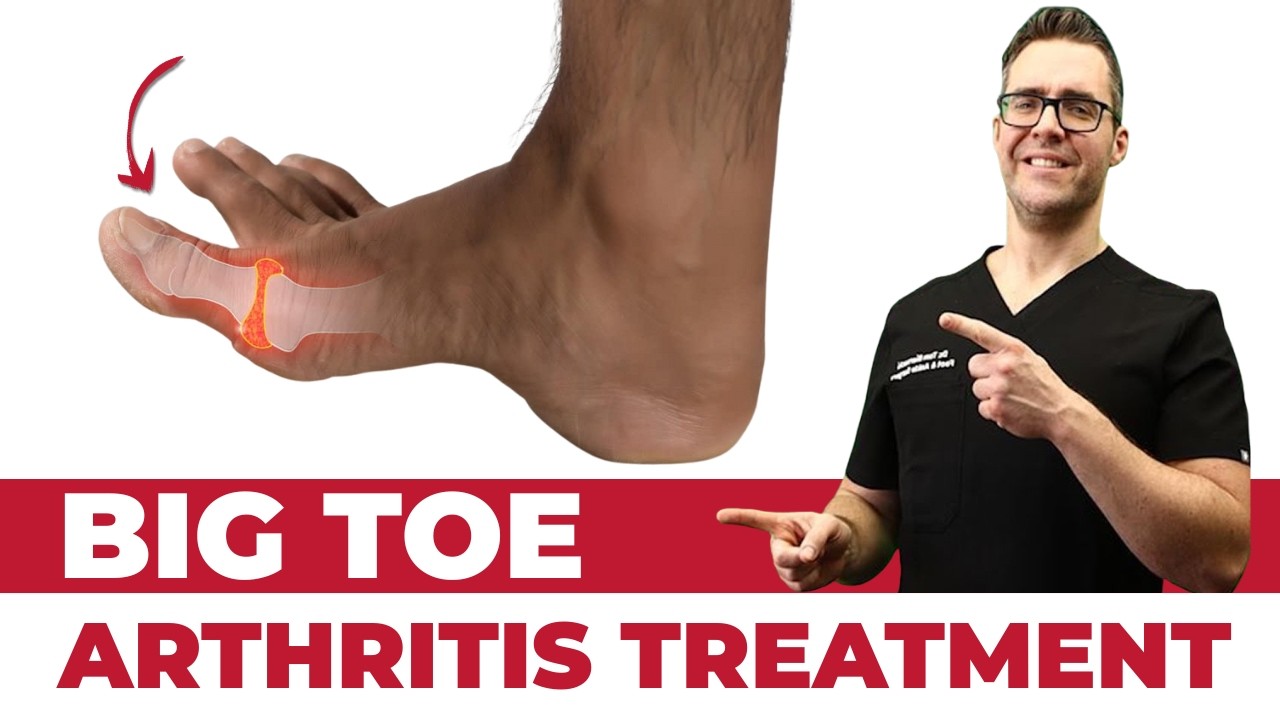
![Stiff Big Toe Joint Pain(Hallux Rigidus) TREATMENT [Exercises, Taping]](https://www.michiganfootdoctors.com/wp-content/cache/flying-press/c5176884df3f62ec55c9a49e0ec09089.jpg)
Watch: Stiff Big Toe Joint Pain(Hallux Rigidus) TREATMENT [Exercises, Taping] — MichiganFootDoctors YouTube
Hoka Clifton 10 — max cushioning reduces joint impact for arthritic feet.
Wide Walking Shoe
New Balance 990v6 — wide toe box accommodates arthritic first-MTP (hallux rigidus).

As an Amazon Associate, Balance Foot & Ankle earns from qualifying purchases. Product recommendations are based on clinical experience; prices and availability shown above update live from Amazon.
When to See a Podiatrist
Foot and ankle arthritis progresses silently — cartilage doesn’t regrow, but joint fusion, cheilectomy, and biologic injections can restore function at every stage. Balance Foot & Ankle offers the full arthritis spectrum: bracing, injections, and reconstructive surgery. Start with a consult so we can image the joint and give you a realistic 5-year outlook.
Call Balance Foot & Ankle: (810) 206-1402 · Book online · Offices in Howell & Bloomfield Hills
Frequently Asked Questions
How long does hallux rigidus surgery take?
Cheilectomy typically takes 30-45 minutes as an outpatient procedure under ankle block anesthesia. First MTP fusion takes 45-60 minutes. Both are performed at an ambulatory surgery center, and patients go home the same day with specific weight-bearing and elevation instructions.
Can I still wear high heels after big toe fusion?
Most patients can wear shoes with a modest heel (1-2 inches) after full fusion healing. Very high heels become difficult because the fused joint cannot flex to accommodate the steep angle. Many patients find this an acceptable trade-off for eliminating the severe pain they experienced before surgery.
What is the success rate of cheilectomy for hallux rigidus?
Published studies report 80-90 percent patient satisfaction with cheilectomy at 5-year follow-up for appropriately selected Grade 1-2 patients. Success rates decline when the procedure is performed on Grade 3-4 joints with diffuse cartilage loss, which is why accurate preoperative staging is critical.
How do I know if I need fusion versus cheilectomy?
The decision is based on arthritis severity determined by X-rays and clinical examination. If cartilage remains on the bottom portion of the joint, cheilectomy can preserve motion. If cartilage is completely gone throughout the joint, fusion provides more reliable long-term pain relief. Dr. Biernacki discusses all options during your consultation.
The Bottom Line
Hallux rigidus surgery — whether cheilectomy for early-stage disease or fusion for advanced arthritis — reliably eliminates the pain and stiffness that limit daily activities. Accurate staging, proper procedure selection, and careful surgical technique determine long-term success. If your big toe joint is progressively stiffening, schedule an evaluation to discuss which surgical approach best matches your condition and goals.
Differential Diagnosis: What Else Could It Be?
Not every case of hallux rigidus (big-toe arthritis) is straightforward. In our clinic we routinely rule out three look-alike conditions before confirming the diagnosis. If your symptoms don’t match the classic presentation, one of these may explain the pain — which is why physical exam matters more than self-diagnosis.
| Condition | How It Differs |
|---|---|
| Bunion (hallux valgus) | Toe drifts laterally with a bump on the inside; ROM usually preserved early. |
| Gout attack | Sudden hot red swollen joint, often overnight; ROM restored once flare resolves. |
| Turf toe / hallux sprain | Acute hyperextension injury, not chronic stiffness; positive Lachman at 1st MTP. |
Red Flags — When to See a Podiatrist Now
Seek same-day evaluation at Balance Foot & Ankle if you notice any of the following:
- Progressive stiffness now limiting walking
- Dorsal bone prominence rubbing against shoes
- Unable to push off during gait
- Failed 8+ weeks of shoe modification and OTC NSAIDs
Call (810) 206-1402 or request an appointment. Our Howell and Bloomfield Hills offices reserve same-day slots for urgent foot and ankle issues.
In Our Clinic: What We See
Clinical perspective from Dr. Tom Biernacki, DPM — Balance Foot & Ankle, Howell & Bloomfield Hills, MI:
In our clinic we see hallux rigidus patients who have been told they have a bunion — but the joint is stiff rather than deviated. The first visit is usually for shoe frustration: rocker-bottom shoes, carbon-fiber inserts, and a Morton’s extension inside the shoe typically unload the joint and delay surgery by 2-5 years. When imaging shows dorsal spurring blocking motion, a cheilectomy addresses mechanical impingement without fusing the joint. Patients who still have cartilage after that are good candidates for joint-preserving procedures; end-stage arthritis benefits from arthrodesis. Dr. Biernacki has performed hundreds of first-MTP procedures and emphasizes preservation first.
Sources
- Ho B, Baumhauer J. Hallux rigidus. EFORT Open Rev. 2017;2(1):13-20.
- Coughlin MJ, Shurnas PS. Hallux rigidus: grading and long-term results of operative treatment. J Bone Joint Surg Am. 2003;85(11):2072-2088.
- Deland JT, Williams BR. Surgical management of hallux rigidus. J Am Acad Orthop Surg. 2012;20(6):347-358.
- McNeil DS, Baumhauer JF, Glazebrook MA. Evidence-based analysis of the efficacy for operative treatment of hallux rigidus. Foot Ankle Int. 2013;34(1):15-32.
End Big Toe Joint Pain With Expert Surgical Care
Dr. Tom Biernacki has performed over 3,000 foot and ankle surgeries with a 4.9-star rating from 1,123 patient reviews.
Or call (810) 206-1402 for same-day appointments
Hallux Rigidus Surgery in Michigan
When big toe arthritis limits your mobility, surgical options from cheilectomy to fusion can restore pain-free walking. Dr. Tom Biernacki performs advanced hallux rigidus procedures at Balance Foot & Ankle.
Learn About Our Big Toe Joint Treatments | Book Your Appointment | Call (810) 206-1402
Clinical References
- Coughlin MJ, Shurnas PS. “Hallux rigidus: grading and long-term results of operative treatment.” J Bone Joint Surg Am. 2003;85(11):2072-2088.
- Lam A, et al. “Hallux rigidus: how do I approach it?” World J Orthop. 2017;8(5):364-371.
- Goucher NR, Coughlin MJ. “Hallux metatarsophalangeal joint arthrodesis using dome-shaped reamers and dorsal plate fixation.” Foot Ankle Int. 2006;27(11):869-876.
Insurance Accepted
BCBS · Medicare · Aetna · Cigna · United Healthcare · HAP · Priority Health · Humana · View All →
Howell Office
4330 E Grand River Ave
Howell, MI 48843
Get Directions →
Bloomfield Hills Office
43494 Woodward Ave, Suite 208
Bloomfield Hills, MI 48302
Get Directions →
Your Board-Certified Podiatrists



Ready to Get Back on Your Feet?
Same-week appointments available at both locations.
Book Your AppointmentIn-Office Treatment at Balance Foot & Ankle
If home treatment isn’t providing relief for your hallux rigidus, our podiatry team at Balance Foot & Ankle can help with same-day evaluations and advanced in-office care.
Same-day appointments available. (810) 206-1402
Doctor Hoy’s Natural Pain Relief Gel
Natural topical pain relief I use in our clinic. Arnica + camphor formula — apply directly to the area 3–4x daily. ($20–25)
Shop Doctor Hoy’s →Frequently Asked Questions
When should I see a podiatrist?
If symptoms persist past 2 weeks, affect your normal activity, or are accompanied by red-flag symptoms (warmth, redness, swelling, inability to bear weight).
What does treatment cost?
Most diagnostic visits and conservative treatments are covered by Medicare and major insurers. Out-of-pocket costs vary by your specific plan.
How quickly can I get an appointment?
Most non-urgent cases see us within 5 business days. Urgent cases (sudden pain, possible fracture) typically same or next business day.

Dr. Tom Biernacki, DPM is a board-certified foot & ankle surgeon (ABFAS & ABPM) at Balance Foot & Ankle Specialists in Southeast Michigan. With over a decade of clinical experience, he specializes in heel pain, bunions, diabetic foot care, sports injuries, and minimally invasive surgery. Dr. Biernacki is a member of the APMA and ACFAS, and his patient education content on MichiganFootDoctors.com and YouTube has made him one of the most-followed foot & ankle educators on YouTube.