

| Cause | Category | Associated Features | Diagnostic Test | Treatment Direction |
|---|---|---|---|---|
| Charcot-Marie-Tooth (CMT) disease | Hereditary neuropathy | Foot drop, hammer toes, family history | EMG/NCS, genetic testing | Orthotics, PT, bracing; surgery for deformity |
| Idiopathic cavus foot | Unknown (likely hereditary) | Bilateral high arch, no neurologic signs | Clinical exam; weight-bearing X-ray | Orthotics, supportive footwear, PT |
| Spinal cord lesion / tethered cord | Neurologic (central) | Unilateral cavus, back pain, bladder/bowel symptoms | MRI spine | Neurosurgical referral; orthotic management |
| Cerebral palsy | Neurologic (central) | Spasticity, unilateral or bilateral, gait abnormality | Clinical neurology evaluation | AFO, PT, surgical correction |
| Polio / post-polio syndrome | Infectious (historical) | Lower limb weakness, asymmetric | History + NCS/EMG | Custom AFO, reconstructive surgery |
| Friedreich’s ataxia | Hereditary (spinocerebellar) | Ataxia, cardiomyopathy, scoliosis, pes cavus | Genetic testing; echo | Multidisciplinary; orthotic support |
| Muscular dystrophy | Hereditary neuromuscular | Progressive weakness, pseudohypertrophy | CK level; muscle biopsy; genetic testing | AFO, PT, surgical correction of equinus |
| Complication | Mechanism | Prevalence in Cavus Foot | Treatment |
|---|---|---|---|
| Lateral ankle instability / sprains | Supinated foot posture shifts weight to lateral border | Very common (>60%) | Lateral heel wedge, ligament reconstruction |
| Metatarsal stress fractures | Elevated peak pressure over rigid arch | Common | Metatarsal pad, orthotic, rest |
| Plantar fasciitis | Tight plantar fascia under high arch | Common | Fascial stretching, custom orthotic |
| Peroneal tendon tears | Overloaded lateral stabilizers | Moderate | Brace, PT; surgical repair if complete |
| Hammertoe deformities | Intrinsic muscle imbalance draws toes into clawing | Common (especially with CMT) | Toe pads, surgery for rigid deformity |
| Painful calluses (lateral border) | Increased lateral weight-bearing | Very common | DPM debridement, lateral wedge orthotic |
Quick answer:High arch foot (pes cavus) causes excess lateral loading, stress fractures, and ankle instability due to limited foot pronation. Custom orthotics with lateral forefoot posting and a medial heel wedge redistribute load. Unlike flat feet, high arches tend to worsen pain with overpronation-designed shoes — choose neutral or cushioned shoes. Call (810) 206-1402. Call (810) 206-1402.
Medically Reviewed by Dr. Tom Biernacki, DPM — Board-Certified Podiatrist, Balance Foot & Ankle PLLC · Howell & Bloomfield Township, MI · Last reviewed May 6, 2026
In This Article
- What Is a High Arch (Pes Cavus)?
- Anatomy of the Cavus Foot
- Charcot-Marie-Tooth: The #1 Cause
- Other Neurologic Causes
- Post-Traumatic Cavus
- Congenital & Idiopathic Cavus
- What Cavus Feet Cause Later
- Symptoms & Self-Test
- Differential Diagnosis
- How a Podiatrist Diagnoses It
- Treatment & Bracing
- Surgical Reconstruction
- When to See a Podiatrist Urgently
- Most Common Mistake
- Frequently Asked Questions
- The Bottom Line
- Sources
- High Arches and Recurrent Sprains?
- What is Foot pain?
- Symptoms and warning signs
- Conservative treatment options
- When is surgery considered?
- Recovery timeline and prevention
Quick Answer
High arch (pes cavus) causes are predominantly neurologic — until proven otherwise. The single most important rule when we evaluate a high-arched foot is to look for an underlying nerve disease, especially Charcot-Marie-Tooth (CMT), which accounts for roughly two-thirds of progressive cavus deformities. Other causes include cerebral palsy, spinal cord lesions, post-stroke spasticity, and post-traumatic. A small minority are truly idiopathic. In our clinic any patient with bilateral, progressive, or family-history-positive cavus gets a neurologic exam.
If your arches have always sat noticeably higher than other people’s, you’ve rolled your ankle far more than your share of times, you wear out the outside edge of every shoe within a few months, and you’re starting to wonder if there’s a reason your feet have always been “different” — there almost certainly is. A high arch is rarely an isolated foot finding. In our Howell and Bloomfield Township clinics, the first thing we tell every patient with a true cavus foot is: high arches mean we owe you a neurologic workup. The vast majority of progressive high-arched feet trace back to an underlying nerve disorder, and identifying that disorder changes everything about how the foot is managed.

What Is a High Arch (Pes Cavus)?
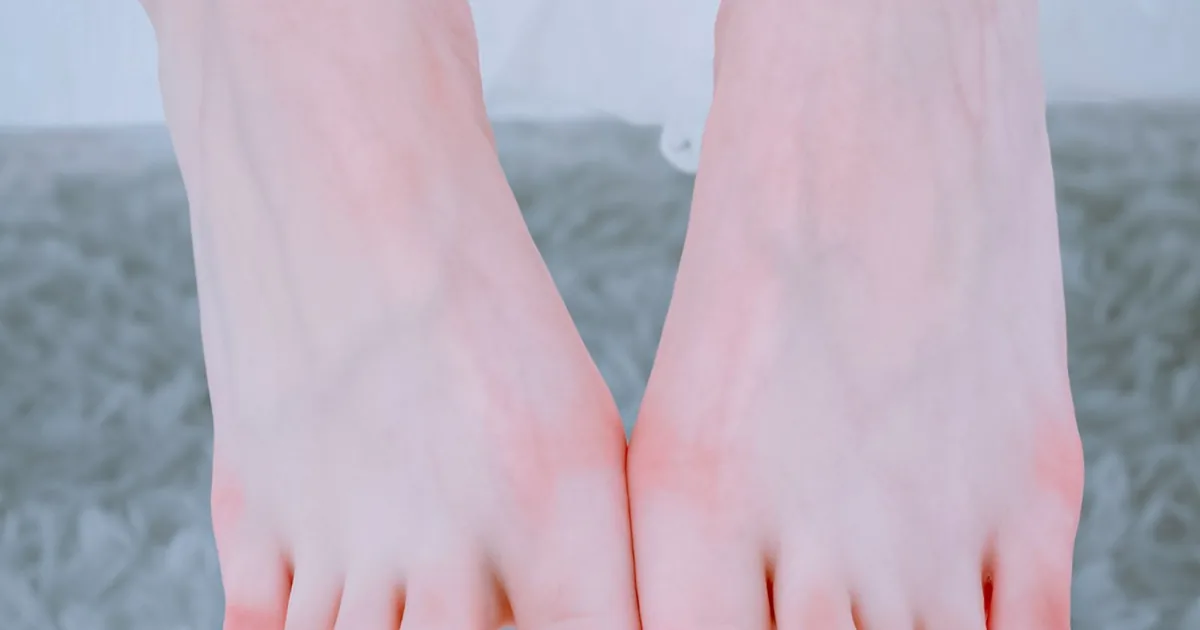
Pes cavus is the medical term for a foot with an abnormally high longitudinal arch. The defining feature is that the arch does not flatten when bearing weight, leaving the midfoot elevated above the ground; in advanced cases the foot prints only as a heel and forefoot pad with no midfoot contact at all. The condition is usually associated with a constellation of findings — clawed toes, plantarflexed first ray, hindfoot varus, lateral instability — that together make up the cavus foot phenotype. Pes cavus affects roughly 10% of the U.S. population, but only a fraction of those have symptomatic disease. The single most important clinical fact about cavus feet is that they are presumed neurologic until proven otherwise.
Anatomy of the Cavus Foot
The classic cavus foot has four interlocking deformities that develop together because they share the same underlying neuromuscular driver. There is hindfoot varus (the heel tilts inward), midfoot supination (the arch is elevated and rotated), forefoot pronation (the first metatarsal is plantarflexed driving the forefoot down and in), and clawed toes (lesser toes buckled by intrinsic weakness). Together these create the characteristic tripod posture: heel inverted, first metatarsal head plantarflexed, fifth metatarsal head plantarflexed, with everything between elevated. Weight-bearing concentrates at three small contact points instead of distributing across the normal foot footprint, which is why cavus feet pound the lateral ankle, the first and fifth metatarsal heads, and the heel pad.
Charcot-Marie-Tooth: The #1 Cause
Charcot-Marie-Tooth disease (CMT) is the most common inherited peripheral neuropathy, affecting roughly 1 in 2,500 people, and it accounts for an estimated 50 to 70% of progressive cavus deformities seen in foot clinics. CMT preferentially weakens the small intrinsic muscles of the foot and the peroneal muscles on the outside of the lower leg, while sparing the strong tibialis posterior on the inside. The result is exactly the cavus foot pattern: the unopposed tibialis posterior pulls the midfoot into supination, the unopposed peroneus longus pulls the first metatarsal into plantarflexion, the intrinsics fail and the toes claw, and the foot ends up high-arched and laterally unstable.
The clinical clues that point us toward CMT include a positive family history, bilateral disease, progressive worsening through teens and twenties, foot drop or weak ankle eversion, hand involvement (intrinsic atrophy), and an inability to walk on heels. Genetic testing now identifies more than 100 CMT subtypes; CMT1A is the most common (PMP22 duplication on chromosome 17). When we suspect CMT we coordinate with neurology for nerve conduction studies, EMG, and genetic testing — because the diagnosis affects family planning, brace selection, and surgical decision-making.
Other Neurologic Causes
Beyond CMT, several other neurologic conditions can produce a cavus foot, often unilaterally and with distinctive examination clues. Here are the most common.
- Cerebral palsy: Spasticity drives equinocavovarus posture, often with toe walking, scissoring gait, and hyperreflexia.
- Spinal cord lesions: Spina bifida, tethered cord, syringomyelia, intramedullary tumor — often presents with unilateral cavus, leg-length discrepancy, abnormal back exam.
- Stroke / upper motor neuron disease: Acquired equinocavovarus from spasticity after stroke, brain injury, or multiple sclerosis.
- Post-polio syndrome: Late-onset weakness with new cavus deformity decades after acute polio infection.
- Friedreich’s ataxia: Hereditary spinocerebellar ataxia with cavus, scoliosis, cardiomyopathy, ataxia.
- Syringomyelia / Chiari malformation: Unilateral cavus, absent reflexes, dissociated sensory loss.
- Lumbosacral radiculopathy: Chronic L5-S1 nerve root compression can produce a unilateral cavus foot from intrinsic atrophy.
Post-Traumatic Cavus
A post-traumatic cavus foot develops after compartment syndrome, malunited fractures, severe burns, or peripheral nerve injury. The classic example is missed compartment syndrome of the deep posterior compartment of the leg, which silently kills the intrinsic muscles of the foot and produces a fixed cavovarus deformity over months. Talus or calcaneus fractures that heal in malposition can also alter hindfoot alignment into varus, and severe forefoot crush injuries can drive a plantarflexed first ray. Post-traumatic cavus is typically unilateral, has an identifiable inciting event, and stops progressing once the original injury heals — distinguishing features from progressive neurologic causes.
Congenital & Idiopathic Cavus
A small subset of cavus feet are truly idiopathic — bilateral, non-progressive, family-history-negative, with completely normal neurologic exams and EMG. Some authors estimate this represents 10 to 20% of cavus feet seen in clinic; others believe many “idiopathic” cases ultimately turn out to be subtle CMT or undiagnosed cerebral palsy that simply hasn’t been worked up properly. Pure congenital cavus from clubfoot residua, congenital vertical talus, or arthrogryposis is also possible. The honest clinical reality: “idiopathic cavus” is a diagnosis of exclusion that requires a thorough neurologic workup before being applied.
What Cavus Feet Cause Later
Beyond the cosmetic high arch, cavus feet drive a predictable set of complications that bring patients into our clinic. Lateral ankle instability is by far the most common — the inverted hindfoot and laterally translated weight-bearing axis make recurrent ankle sprains nearly inevitable, and many patients eventually require Brostrom-Gould lateral ligament reconstruction. Stress fractures of the lateral metatarsals from chronic overload are common in athletes. Sesamoiditis from the plantarflexed first ray is a regular finding. Plantar fasciitis is more common because of the rigid arch architecture. Peroneal tendon dysfunction, painful plantar callosities at the first and fifth metatarsal heads, and progressive arthritis of the lateral ankle gutter all appear over time.
Symptoms & Self-Test
Many patients with cavus feet are surprisingly asymptomatic for years before their first significant problem. When symptoms appear, they tend to follow a predictable pattern shaped by the underlying mechanics. The most common presenting complaints are recurrent lateral ankle sprains (from the inverted hindfoot), painful plantar callus under the first or fifth metatarsal head (from the tripod weight-bearing pattern), and fatigue with prolonged standing (from the rigid, non-shock-absorbing arch). A simple home self-test: stand on a damp surface and step onto a piece of dry cardboard. A normal arch leaves a connected footprint; a cavus foot leaves only a forefoot and heel imprint with no midfoot contact at all.
Differential Diagnosis
A genuinely high arch needs to be distinguished from several look-alikes that have very different management.
- Flexible vs rigid cavus: Coleman block test determines whether the hindfoot varus corrects when the first ray is removed from weight-bearing — major surgical implication.
- Cavovarus vs cavovalgus: Most cavus feet are varus, but valgus cavus (rare) signals different etiology.
- Neuromuscular vs idiopathic: Neurologic exam, EMG/NCV, and genetic testing distinguish.
- Forefoot-driven vs hindfoot-driven: The plantarflexed first ray drives some cavus feet; the hindfoot varus drives others. Identifying the primary driver determines surgery.
- Static vs progressive: Photographs over time and family history distinguish.
- Adolescent idiopathic vs CMT: Strong family history, progressive worsening through teens, hand involvement point toward CMT.
- Foot drop with cavus: Anterior compartment weakness from peroneal nerve injury, L5 radiculopathy, or CMT.
How a Podiatrist Diagnoses It
The diagnosis of pes cavus is straightforward; the harder and more important task is identifying the cause. Here’s the systematic exam we use in our Howell and Bloomfield Township clinics, with a low threshold for neurologic referral.
- Standing alignment exam — measuring arch height, hindfoot position (varus, neutral, valgus), forefoot relationship.
- Coleman block test — patient stands with the lateral foot on a 1-inch block and the medial first ray hanging off; flexible cavus corrects the hindfoot, rigid cavus does not.
- Range of motion — subtalar joint, midfoot, ankle, first MTPJ.
- Manual muscle testing — tibialis anterior, peroneals, gastroc-soleus, intrinsics, extensors.
- Neurologic exam — deep tendon reflexes, monofilament sensation, vibratory sense, proprioception.
- Family history — bilateral cavus, hand involvement, scoliosis, family members in braces.
- Hand exam — intrinsic atrophy, weak grip, claw fingers — strong CMT clue.
- Heel walking and toe walking — assesses anterior compartment and posterior compartment strength.
- Three-view weight-bearing X-rays — measure Meary’s angle, calcaneal pitch, talo-first metatarsal angle.
- EMG / nerve conduction studies and genetic testing — when neurologic disease is suspected, coordinated through neurology.
- MRI of foot/ankle — when post-traumatic cause or peroneal tendon pathology is suspected.
- MRI of brain and spinal cord — when central neurologic disease (Chiari, syrinx, tumor) is suspected.
Treatment & Bracing
Conservative management of pes cavus aims to redistribute load, prevent ankle sprains, manage callosities, and slow secondary complications. Many patients live well their entire lives without surgery. Here’s the ladder we use in clinic.
- Cushioned, structured footwear with deep heel counter and lateral flare for ankle stability.
- Custom orthotics with cavus-specific build — first metatarsal head accommodation, lateral hindfoot post, full-length cushion. Best result of any conservative measure.
- Stage-2 OTC option — the PowerStep Pinnacle Maxx for patients between custom orthotic visits or trying nonsurgical first. (Affiliate link.)
- Lateral wedge insole — reduces hindfoot varus by 3-5 degrees in selected cases.
- Calf and Achilles stretching — ongoing for tight equinus, especially in CMT.
- Peroneal strengthening — Theraband eversion, lateral hops if appropriate.
- Bracing — AFO for foot drop in CMT; lateral hinge ankle brace for instability.
- Topical analgesic for plantar callus pain — Doctor Hoy’s natural pain relief gel. (Affiliate link.)
- Periodic callus debridement — first and fifth metatarsal callosities trimmed every 6 to 8 weeks.
- Neurology coordination — for CMT and other progressive disease, ongoing care with a neurologist.
Surgical Reconstruction
When conservative care fails to control pain or recurrent ankle instability, cavus reconstruction is reserved for selected cases and tailored to the deformity. Common procedures include dorsiflexion osteotomy of the first metatarsal (for plantarflexed first ray), Dwyer lateral closing-wedge calcaneal osteotomy (for hindfoot varus), midfoot osteotomies (for rigid midfoot supination), tendon transfers (peroneus longus to brevis, posterior tibial transfer for foot drop), plantar fascia release, and concurrent lateral ligament reconstruction. Surgery is most effective when the underlying neurologic disease is stable; progressive CMT requires surgical timing decisions in coordination with neurology.
When to See a Podiatrist Urgently
Don’t ignore any of these red flags in a high-arched foot:
- Family history of CMT, muscular dystrophy, or unexplained foot deformity.
- Progressive worsening of arch height, ankle sprains, or weakness over months to years.
- Hand weakness or grip changes accompanying the foot changes.
- Foot drop or new tripping over your own foot.
- Unilateral cavus with no clear traumatic cause — needs spinal cord workup.
- Recurrent ankle sprains (3+) — high risk of progressive instability.
Same-day appointments — Howell & Bloomfield Township, MI · (810) 206-1402
Most Common Mistake
The most common mistake we see with high-arched feet is treating the foot in isolation without ever doing a neurologic workup. Patient presents with a cavus foot, gets an orthotic, returns 5 years later with progressive deformity, recurrent sprains, and obvious peroneal weakness — and only then does someone send them for nerve conduction studies that confirm CMT. By then, the family hasn’t been counseled, siblings haven’t been screened, and treatment plans haven’t accounted for the progressive nature of the disease. Every patient with a true cavus foot deserves a careful neurologic exam at the first visit, and a low threshold for EMG/NCV referral if any red flag is present.
Frequently Asked Questions
Are high arches always abnormal?
No. Many people with mildly elevated arches have no symptoms, no neurologic disease, and no progression — that’s a normal anatomic variant. The arches that need workup are the ones that are progressively worsening, bilateral with strong family history, associated with weakness or recurrent sprains, or accompanied by hand or back findings.
Is Charcot-Marie-Tooth life-threatening?
CMT is generally not life-threatening and most subtypes do not affect lifespan. However, it is progressive and can significantly affect mobility, especially in lower extremities and hands. Some rare subtypes affect respiratory or cardiac function. Most patients with the common CMT1A subtype live full lives with appropriate orthotic, bracing, and occasional surgical management.
Can I prevent cavus deformity from getting worse?
If the cause is progressive neurologic disease (CMT, post-polio), the deformity will tend to progress regardless of conservative treatment. What you can prevent are the secondary complications: recurrent ankle sprains (with bracing), painful callosities (with custom orthotics and debridement), stress fractures (with shock-absorbing footwear), and disability from foot drop (with AFO bracing).
Why does my foot keep rolling outward?
Cavus feet have an inverted hindfoot, which means the calcaneus tilts inward and weight-bearing concentrates on the lateral border of the foot. That position predisposes the ankle to roll into inversion at every uneven step. Recurrent lateral ankle sprains are the most common reason cavus patients eventually need surgical lateral ligament reconstruction.
Should my children be tested if I have CMT?
Yes. CMT1A is autosomal dominant, meaning each child has a 50% chance of inheriting it. Children with cavus feet, frequent tripping, or hand clumsiness should be evaluated by pediatric neurology with consideration for genetic testing. Early identification allows for proactive bracing and physical therapy.
Are custom orthotics worth it for cavus feet?
For symptomatic cavus feet — yes. The cavus foot’s tripod loading pattern produces concentrated stresses that off-the-shelf insoles cannot effectively address. A custom orthotic with first metatarsal head accommodation, full lateral support, and shock-absorbing topcover can dramatically reduce pain and the rate of secondary complications, and is among the most cost-effective interventions in foot care.
The Bottom Line
A high-arched (cavus) foot is presumed neurologic until proven otherwise. Charcot-Marie-Tooth accounts for the majority of progressive cases; cerebral palsy, spinal cord lesions, and post-traumatic injuries account for most of the remainder; truly idiopathic cavus is a diagnosis of exclusion. The most important early step is a careful neurologic exam, family history, and EMG/NCV when red flags are present. Conservative management with custom orthotics and bracing controls symptoms and prevents complications in most patients; selected cases benefit from cavus reconstruction.
Sources
- Aktas S, Sussman MD. The Coleman block test in the assessment of the hindfoot deformity in pes cavovarus. J Pediatr Orthop B. 2000;9(4):330-334.
- Pareyson D, Marchesi C. Diagnosis, natural history, and management of Charcot-Marie-Tooth disease. Lancet Neurol. 2009;8(7):654-667. PubMed
- Brewerton DA, Sandifer PH, Sweetnam DR. “Idiopathic” pes cavus: an investigation into its aetiology. Br Med J. 1963;2(5358):659-661.
- Maskill MP, Maskill JD, Pomeroy GC. Surgical management and treatment algorithm for the subtle cavovarus foot. Foot Ankle Int. 2010;31(12):1057-1063.
- Burns J, Crosbie J, Hunt A, Ouvrier R. The effect of pes cavus on foot pain and plantar pressure. Clin Biomech. 2018;20(9):877-882.
Related Conditions
High Arches and Recurrent Sprains?
Same-day evaluations available in Howell and Bloomfield Township, MI. We’ll examine the foot, screen for underlying causes, and build a long-term plan.
Ready to feel better?
Same-week appointments available in Howell and Bloomfield Township, Michigan.
Book Your VisitFrequently Asked Questions
Related Care at Balance Foot & Ankle
Clinical arch services at our Howell and Bloomfield Township offices.
Get Expert Care at Balance Foot & Ankle
Same-week appointments at our Howell and Bloomfield Township offices. Board-certified podiatric surgeons. Most insurance accepted.
In-Office Treatment at Balance Foot & Ankle
If home treatment isn’t providing relief for your foot and ankle conditions, our podiatry team at Balance Foot & Ankle can help with same-day evaluations and advanced in-office care.
Same-day appointments available. (810) 206-1402
Same-Week Appointments in Howell & Bloomfield Township
Three board-certified podiatric surgeons. 1,123+ five-star reviews. Most insurance accepted.

Dr. Tom Biernacki, DPM is a board-certified foot & ankle surgeon (ABFAS & ABPM) at Balance Foot & Ankle Specialists in Southeast Michigan. With over a decade of clinical experience, he specializes in heel pain, bunions, diabetic foot care, sports injuries, and minimally invasive surgery. Dr. Biernacki is a member of the APMA and ACFAS, and his patient education content on MichiganFootDoctors.com and YouTube has made him one of the most-followed foot & ankle educators on YouTube.