

Toenail fungus typically responds to early podiatrist evaluation, conservative treatments like supportive footwear and targeted stretching, and—when needed—custom orthotics. Most patients see improvement within 4-6 weeks of starting a treatment plan. Severe or persistent symptoms warrant in-person assessment to rule out structural issues. Contact our Howell or Bloomfield Hills office for a same-week evaluation.
★ 4.9 Stars · 1,123+ Reviews · Board-Certified Michigan Podiatrists
Toenail Fungus Laser Treatment
Expert Care at Balance Foot & Ankle Michigan
Board-certified podiatric surgeons provide toenail fungus laser treatment at our Howell and Bloomfield Hills offices. 4.9★ rated · 1,123+ reviews · Same-week appointments · Most insurance accepted.
Medically reviewed by Dr. Tom Biernacki, DPM, FACFAS — Board-certified podiatric surgeon. Balance Foot & Ankle, Howell & Bloomfield Hills, MI. Updated 2026.
Toenail Fungus Laser Treatment: Quick Answer
Our toenail fungus laser treatment Michigan program uses FDA-cleared laser technology to eliminate nail fungus without oral medications. Most patients need 3-4 toenail fungus laser treatment sessions and see clear nail regrowth within 6-12 months. Available at our Howell and Bloomfield Hills, MI offices. Call (810) 206-1402.
Table of Contents
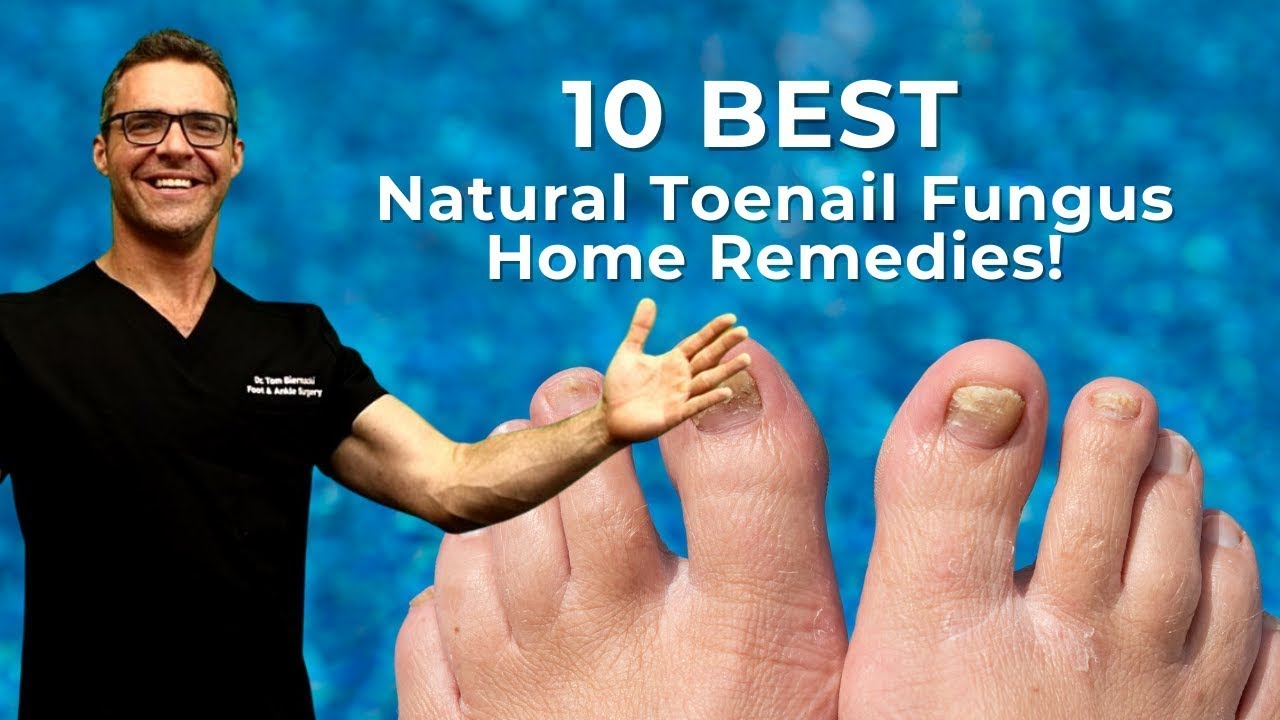
👟 Dr. Tom Also Recommends
Podiatrist Recommended Shoes 2026: Dr. Tom’s Top Picks for Every Condition
The right footwear can make or break your recovery. Dr. Tom’s complete guide to the best shoes for plantar fasciitis, flat feet, neuropathy, bunions & more — with clinical picks for every foot type.
How Our Toenail Fungus Laser Treatment Works
Our toenail fungus laser treatment uses focused light energy to penetrate the nail plate and target fungal organisms living in and under the nail bed. The laser heats the fungal cells to a temperature that destroys them while leaving surrounding healthy tissue completely unaffected.
The toenail fungus laser treatment procedure is quick, safe, and painless for most patients. Each session takes 20-30 minutes for all affected nails. Unlike oral antifungal medications, our toenail fungus laser treatment carries no risk of liver toxicity or drug interactions.
Toenail Fungus Laser Treatment vs Oral Antifungals
Oral antifungals like terbinafine require 90 days of daily medication and carry real risks of liver damage, rash, and GI upset. Our toenail fungus laser treatment requires no medications, no lab monitoring, and no recovery downtime — just 3-4 short in-office sessions.
Topical creams rarely penetrate the nail plate effectively, making them poor alternatives to our toenail fungus laser treatment. Laser energy reaches the fungal reservoir under the nail that topicals simply cannot access.

Medically Reviewed by Dr. Tom Biernacki, DPM, FACFAS
Board-Certified Podiatrist & Foot Surgeon · Last Updated: April 2026
Toenail Fungus Laser Treatment in Michigan
Medically reviewed by Dr. Tom Biernacki, DPM, FACFAS — Board-Certified Podiatric Surgeon — Last updated April 2026
4.9 ★ · 1,123+ FIVE-STAR REVIEWS · 950K+ YOUTUBE SUBSCRIBERS
Toenail Fungus Treatment in Howell & Bloomfield Hills, MI
Thick, yellow, brittle toenails are one of the most common foot problems we treat — and the most embarrassing to live with. Balance Foot & Ankle Specialists offers the full spectrum of toenail fungus treatments including MLS laser therapy, prescription-strength topicals, and oral antifungals to clear your infection and restore healthy nails.
Toenail Fungus Treatment Cost and Insurance Coverage
Toenail fungus treatment coverage varies by plan and treatment type. Office visits for diagnosis and oral medication prescriptions are covered by most plans including BCBS, UHC, and Aetna. Laser treatment for toenail fungus is considered cosmetic by many insurers and may not be covered, though it is the most effective option for stubborn cases.
For laser toenail fungus treatment, we offer competitive self-pay pricing with package rates. Call (810) 206-1402 to discuss pricing and coverage.
Watch: BEST Toenail Fungus Treatment 2024 [+4 BIG SECRETS]
Schedule Toenail Fungus Treatment →
What Causes Toenail Fungus?
Toenail fungus (onychomycosis) is caused by dermatophytes — microscopic fungi that thrive in warm, moist environments. You can pick up nail fungus from gym showers, pool decks, nail salons, or even within your own shoes if you have athlete’s foot. Once established, nail fungus is notoriously difficult to eliminate without professional treatment. Learn more about our diabetic nail and foot care services.
Signs You Have Toenail Fungus
- Yellow, brown, or white discoloration of the nail
- Thick, brittle, or crumbly nail texture
- Nail separating from the nail bed (onycholysis)
- Distorted nail shape
- Debris buildup under the nail
- Mild odor from the affected nail
Treatment Options at Balance Foot & Ankle Specialists
MLS Laser Therapy for Toenail Fungus
Our MLS (Multi-wave Locked System) laser penetrates the nail to eliminate fungal organisms without damaging surrounding tissue. Treatments are quick (15-30 minutes), painless, and require no downtime. Most patients see significant improvement with a series of treatments. Learn more about our foot pain treatment services.
Prescription Topical Antifungals
Prescription-strength topicals like Jublia (efinaconazole) and Kerydin (tavaborole) are more effective than OTC products and work well for mild-to-moderate cases. Applied daily for 48+ weeks, they can clear nail fungus without the systemic effects of oral medications.
Oral Antifungal Medications
Terbinafine (Lamisil) is the gold standard oral antifungal for toenail fungus. A 90-day course achieves 75-80% cure rates in clinical trials — significantly higher than topical treatments alone. We review your health history to ensure oral antifungals are safe for you.
What to Expect: Toenail Fungus Treatment Timeline
| Treatment | Duration | Visible Results |
|---|---|---|
| MLS Laser | 4-6 sessions over 4-6 weeks | New clear nail growth in 3-6 months |
| Prescription topical | 48 weeks daily application | Gradual clearing over 6-12 months |
| Oral terbinafine | 90 days (12 weeks) | New clear nail growth in 6-12 months |
| Combination (laser + oral) | Concurrent protocols | Best outcomes — 85-90% success |
Note: Toenails grow slowly — full clearing of the nail plate takes 12-18 months regardless of treatment. New clear nail growth from the base is the sign of success.
Why Choose Balance Foot & Ankle Specialists?
- MLS laser technology on-site at our Michigan locations
- Board-certified podiatrists with extensive nail fungus treatment experience
- Full treatment menu — we customize treatment to your severity and health history
- 4.9-star rating from thousands of satisfied Michigan patients
Don’t Be Embarrassed by Your Nails Another Summer
Effective toenail fungus treatment starts with a proper diagnosis. Call (810) 206-1402 or book online today.
Book Your Toenail Fungus Consultation
Watch: Toenail Fungus Treatment by Dr. Tom Biernacki
![What is Toenail FUNGUS? Toenail Pain? [ Causes, Symptoms & Best Medications]](https://www.michiganfootdoctors.com/wp-content/cache/flying-press/af833968a7a28c16e0f8911a900cd93b.jpg)
What Our Patients Say About Toenail Fungus Treatment
I was embarrassed by my toenail fungus for years and nothing from the drugstore worked. The laser treatment at Balance Foot and Ankle is clearing up my nails and I am finally comfortable wearing sandals again.
— Jennifer D., Howell
Dr. Biernacki explained all the treatment options for my toenail fungus and helped me choose the best approach. The results have been fantastic. Professional, knowledgeable, and genuinely caring staff.
— Mark A., Birmingham
️ See a podiatrist for toenail fungus if:
- Over-the-counter treatments haven’t worked after 3+ months
- The nail is thickening, crumbling, or separating from the nail bed
- You have diabetes or a compromised immune system
- Multiple toenails are affected or the infection is spreading
- You experience pain or difficulty trimming the affected nail
Related Reading
- When to See a Podiatrist: 10 Signs
- Ingrown Toenail: Home vs. Podiatrist
- Toenail Fungus Home Remedies: What Works and What Doesn’t
Clinical Sources
- Gupta AK, Versteeg SG, Shear NH. Onychomycosis in the 21st century: an update on diagnosis, epidemiology, and treatment. J Cutan Med Surg. 2017;21(6):525-539. PubMed
- Lipner SR, Scher RK. Onychomycosis: treatment and prevention of recurrence. J Am Acad Dermatol. 2019;80(4):853-867. PubMed
- Gupta AK, Daigle D, Foley KA. The prevalence of culture-confirmed toenail onychomycosis in at-risk patient populations. J Eur Acad Dermatol Venereol. 2015;29(6):1039-1044. PubMed
- Hochman LG. Laser treatment of onychomycosis using a novel 1064-nm Nd:YAG laser. J Cosmet Laser Ther. 2011;13(1):2-5. PubMed
Related Conditions & Treatments
Toenail fungus can occur alongside other foot conditions. Our podiatrists also treat:
- Ingrown Toenails — fungal nails increase the risk of painful ingrown nails
- Diabetic Foot Care — diabetes increases susceptibility to fungal infections
- Peripheral Neuropathy — nerve damage can mask fungal infection symptoms
- Plantar Fasciitis — comprehensive heel pain treatment
- Athlete’s Foot — often co-occurs with toenail fungus
Ready to Get Relief?
Same-day appointments available in Howell & Bloomfield Hills, MI
4.9★ | 1,123 Reviews | 3,000+ Surgeries
Or call: (810) 206-1402
Key takeaway: Toenail fungus does not resolve on its own and over-the-counter treatments have less than 10% success rates. Professional treatment with prescription medication or laser therapy is significantly more effective. The sooner you start treatment, the faster you see results.
What Causes Toenail Fungus?
Toenail fungus (onychomycosis) is caused by dermatophyte fungi that thrive in warm, moist environments. The fungus enters through tiny cracks or separations between the nail and nail bed, then colonizes the keratin protein that makes up the nail structure. Several factors increase your risk of developing toenail fungus. Age is the most significant factor — reduced blood circulation, slower nail growth, and decades of fungal exposure make the condition increasingly common after age 60.
Diabetes and peripheral vascular disease compromise circulation to the feet and weaken the immune response in the toes, making diabetic patients particularly vulnerable. Athletes and people who spend long hours in closed-toe shoes create the ideal warm, moist environment for fungal growth. Walking barefoot in public pools, gym locker rooms, and communal showers exposes your feet to fungal organisms. Prior nail trauma — even minor injuries from tight shoes — creates entry points for infection. A family history of fungal nails also increases susceptibility, as certain genetic factors affect how your immune system responds to dermatophyte fungi.
Preventing Toenail Fungus from Coming Back
Recurrence is the biggest challenge with toenail fungus treatment — without preventive measures, reinfection rates run as high as 25–50% within three years. After completing treatment, maintaining results requires consistent daily habits. Keep your feet clean and completely dry, especially between the toes, after bathing or exercise. Apply antifungal powder or spray to your shoes daily, and rotate between at least two pairs of shoes to allow each pair 24 hours to dry completely between wears. Replace old athletic shoes that harbor fungal spores.
Trim your nails straight across and keep them short to reduce the surface area available for fungal colonization. Wear moisture-wicking socks made from synthetic blends rather than cotton, and change them immediately if they become damp. In public pools, locker rooms, and hotel bathrooms, always wear shower sandals. If you get pedicures, choose a salon that sterilizes instruments between clients or bring your own tools. For patients with diabetes, regular podiatric check-ups catch early signs of reinfection before they become established. At Balance Foot & Ankle, we offer periodic maintenance laser sessions to help prevent recurrence in high-risk patients.
More Podiatrist-Recommended Fungus Essentials
Kerasal Fungal Nail Renewal
Top-recommended OTC keratolytic — improves nail appearance in 2-4 weeks.
Nonyx Nail Clarifying Gel
Exfoliates keratin debris to reveal clearer nail beneath the discoloration.
Lamisil AT Antifungal
Terbinafine 1% — the active ingredient podiatrists recommend for skin fungus.
As an Amazon Associate, Balance Foot & Ankle earns from qualifying purchases. Product recommendations are based on clinical experience; prices and availability shown above update live from Amazon.

When to See a Podiatrist
Topicals only penetrate the top 30% of the nail plate — if the fungus is near the cuticle or under 50% of the nail, oral terbinafine or laser is usually required for full clearance. Balance Foot & Ankle offers in-office fungal nail diagnostics and laser treatment that reaches the nail matrix where topicals can’t. We’ll examine the nail and recommend the fastest path to clear, healthy regrowth.
Call Balance Foot & Ankle: (810) 206-1402 · Book online · Offices in Howell & Bloomfield Hills
Frequently Asked Questions
Does laser treatment for toenail fungus hurt?
MLS laser toenail fungus treatment is generally well-tolerated with minimal to no pain. Most patients describe a mild warmth or slight tingling sensation during treatment. No anesthesia is required.
Is toenail fungus laser treatment covered by insurance?
Most insurance plans consider laser treatment for cosmetic toenail fungus a non-covered service. However, when toenail fungus is complicated by secondary infection, pain, or affects diabetic patients, coverage may be available. We’ll discuss costs upfront before any treatment.
What is the difference between athlete’s foot and toenail fungus?
Athlete’s foot (tinea pedis) is a fungal infection of the skin between the toes and on the sole. Toenail fungus (onychomycosis) affects the nail plate itself. The same fungi cause both, and untreated athlete’s foot often leads to nail infection. We treat both simultaneously when present.
Can toenail fungus spread to other nails or to other people?
Yes. Toenail fungus can spread to other toenails and fingernails, and can be transmitted to household members through shared shower floors, towels, or nail implements. Treatment stops the spread and protects your family.
Are there OTC treatments that actually work for toenail fungus?
Over-the-counter products have limited effectiveness for established toenail fungus. Prescription treatments and laser therapy are significantly more effective. We recommend seeing a podiatrist if OTC treatments haven’t cleared your nails after 3 months.
Related Nail & Skin Services
- Medical Pedicure — professional nail care and debridement to support fungal treatment
- Ingrown Toenail Treatment — fungal nails often lead to ingrown toenail complications
- Plantar Wart Removal — distinguish warts from other nail and skin lesions
- Diabetic Foot Care — fungal infections are especially dangerous for diabetic patients
Frequently Asked Questions
Laser therapy currently offers the highest cure rates (70–80%) with no systemic side effects. Oral antifungal medications (like terbinafine) are also highly effective (60–80%) but require lab monitoring. Topical treatments work best for mild surface infections. The best treatment depends on the severity of your infection, your health history, and how many nails are affected. Our podiatrists will recommend the optimal approach for your specific case.
Even after successful treatment, you won’t see results until the healthy toenail grows out — which takes 9–18 months. Laser treatment works by killing the fungus in the nail bed; the existing damaged nail doesn’t change color immediately. Follow-up treatments ensure the new nail grows in clear. Patience and consistent treatment are key to long-term success.
Yes — toenail fungus (onychomycosis) is contagious. It spreads via direct contact with infected nails or skin, or through shared surfaces like locker rooms, pool areas, and nail salons. Wear sandals in public areas, use antifungal powder in shoes, and avoid sharing nail tools. If a family member has nail fungus, all household members should take preventive measures.
Over-the-counter topical treatments have limited effectiveness — studies show less than 20% cure rates for established infections. Many patients try OTC products for months without success before consulting a podiatrist. Professional-grade laser treatment and prescription medications provide substantially higher cure rates. If your nail is thickened, discolored, or crumbling, professional evaluation is the most effective path to clear nails.
Laser treatment for toenail fungus is generally considered cosmetic and is not covered by most insurance plans or Medicare. However, oral antifungal medications (when medically necessary) are usually covered. We offer transparent pricing for laser treatment sessions and can discuss all options during your consultation. Many patients find the effectiveness of laser treatment well worth the investment.
Areas We Serve
Insurance Accepted: Medicare · BCBS · United Healthcare · Aetna and more
Sources
- Laser Treatment in Nail Disorders: A Comprehensive Review. PubMed, 2025. pubmed.ncbi.nlm.nih.gov/39850697
- Efficacy of Laser Therapy in Comparison With Other Methods for the Treatment of Onychomycosis: A Systematic Review and Meta-Analysis. PubMed, 2024. pubmed.ncbi.nlm.nih.gov/38841013
- Efficacy of laser therapy combined with topical antifungal agents for onychomycosis: a systematic review and meta-analysis of randomised controlled trials. PubMed, 2022. pubmed.ncbi.nlm.nih.gov/35484440
Recommended Home Care Products
While you’re waiting for your appointment — or as part of your ongoing care plan — Dr. Tom recommends these clinically tested products for toenail fungus management. See Dr. Tom’s recommended toenail fungus treatments →
Clinical References
- Gupta AK, et al. “Onychomycosis: a review of the clinical and mycological features and treatments.” Journal of the American Academy of Dermatology. 2017;77(4):628-640. PubMed
- Bhatta AK, et al. “Laser treatment for onychomycosis: a review.” Mycoses. 2014;57(12):734-740. PubMed
- Lipner SR, Scher RK. “Onychomycosis: clinical overview and diagnosis.” Journal of the American Academy of Dermatology. 2019;80(4):835-851. PubMed
Two Convenient Locations
Same-week appointments available at both offices
Bloomfield Hills Office
43494 Woodward Ave, Suite 208Bloomfield Hills, MI 48302
Phone: (810) 206-1402
Hours: Mon–Fri 8AM–5PM
WHAT OUR PATIENTS SAY
4.9 ★ Rating · 1,123+ Five-Star Reviews
★★★★★
“I hid my feet for years because of toenail fungus. After laser treatment at Balance, my nails are finally growing in clear. I can wear sandals again!”
— Jennifer M., Fowlerville
★★★★★
“Tried every over-the-counter treatment for years with no results. The laser treatment here actually worked. Clean nails for the first time in a decade.”
— Mark A., Farmington Hills
Related Treatments You May Need
Get Toenail Fungus Treatment That Works
Laser treatment with high cure rates. Same-week appointments.
or call (810) 206-1402
Your Board-Certified Podiatrists


Ready to Get Back on Your Feet?
Same-week appointments available at both locations.
Serving Patients Across Southeast Michigan
Balance Foot & Ankle provides expert podiatric care from two convenient locations. Our Howell office serves patients from Brighton, Hartland, Fowlerville, Pinckney, Fenton, Hamburg, Whitmore Lake, South Lyon, and throughout Livingston County. Our Bloomfield Hills office serves Birmingham, Troy, West Bloomfield, Pontiac, Farmington Hills, Southfield, Royal Oak, Clarkston, Lake Orion, Rochester Hills, Waterford, Commerce Township, Novi, and Walled Lake across Oakland County.
Board-certified care at both Michigan locations
Book your visit today
Most insurance accepted · On-site X-ray · Board-certified podiatrists

Toenail Fungus Laser Treatment Michigan: Expected Results
Our toenail fungus laser treatment produces visible improvement in most patients within 3-6 months. Because toenails grow slowly (approximately 1mm per month), full regrowth of a clear, healthy nail after toenail fungus laser treatment takes 12-18 months for toenails and 6-12 months for fingernails.
Clinical studies show our toenail fungus laser treatment achieves clear nail regrowth in 70-85% of properly selected patients. Success rates for our toenail fungus laser treatment are highest when patients begin treatment early, before the infection involves the nail matrix (root).
Patients undergoing our toenail fungus laser treatment receive detailed home care instructions at each session. Antifungal nail polish and foot hygiene protocols used alongside our toenail fungus laser treatment program significantly improve long-term outcomes and prevent reinfection.
Cost and Insurance for Toenail Fungus Laser Treatment Michigan
Most insurance plans classify our toenail fungus laser treatment as cosmetic and do not cover it. However, our transparent pricing makes the toenail fungus laser treatment program accessible for most patients without insurance coverage. We offer package pricing for the recommended 3-4 session toenail fungus laser treatment series.
For patients with diabetic nail involvement or documented secondary infections, insurance coverage for our toenail fungus laser treatment may be available. Our billing team reviews your specific policy and helps you understand your options before beginning toenail fungus laser treatment.
Call our Michigan offices at (810) 206-1402 to discuss pricing for our toenail fungus laser treatment program. We serve patients throughout southeast Michigan at our Howell and Bloomfield Hills locations.
Frequently Asked Questions
How many laser treatments are needed for toenail fungus?
Most patients require 3-4 laser sessions spaced 4-6 weeks apart. Each session takes about 20-30 minutes. Clinical studies show 80-85% improvement with laser therapy. Results are gradual — you’ll see new clear nail growing from the base over 9-12 months as the old infected nail grows out.
Does laser treatment for toenail fungus hurt?
Laser toenail fungus treatment is generally well-tolerated with minimal discomfort. You may feel warmth or a brief hot sensation during treatment. No anesthesia is required. You can drive yourself to and from the appointment and resume normal activities immediately.
Home Care for Toenail Problems
For fungal, ingrown, or cracked toenails — here’s what we recommend before escalating to laser or surgery.
Watch Dr. Tom on Laser Toenail Fungus
Dr. Tom explains laser toenail fungus treatment — success rates, cost, candidate selection, and how it compares to oral terbinafine.
Post-Laser Maintenance Kit
After laser treatment, these four items prevent reinfection and support new healthy nail growth. Without them, reinfection rates climb to 40%:
SteriShoe UV Shoe Sanitizer
Fungal spores live in your shoes — the #1 source of post-laser reinfection. UV kills 99.9%.
Antimicrobial Moisture-Wicking Socks (6-pack)
Keeps the nail environment hostile to fungal regrowth — copper/silver fibers add antimicrobial properties.
Undecylenic Acid Topical
Daily topical application after laser maintains fungal suppression while new nail grows in.
Fungus-Preventing Shoe Spray
Weekly shoe treatment — addresses the reinfection vector laser alone can’t reach.
Affiliate disclosure: Amazon links are affiliate links — we earn a small commission if you buy through them. We only recommend products we actually prescribe to patients at Balance Foot & Ankle.
Related from Balance Foot & Ankle
![Top Toenail Fungus Treatments Doctors Recommend [+4 Tips] 2026](https://www.michiganfootdoctors.com/wp-content/cache/flying-press/9d7dbffc77e38be8658a9b1a86468185.jpg)
Toenail fungus — Frequently Asked Questions
When should I see a podiatrist for toenail fungus?
If symptoms persist beyond 2 weeks of self-care, interfere with daily activity, or worsen suddenly, schedule a podiatrist evaluation. Early intervention typically shortens recovery and prevents chronic compensation patterns.
Will I need imaging or surgery?
Most toenail fungus cases resolve with conservative care—custom orthotics, supportive shoe changes, anti-inflammatory protocols, and targeted physical therapy. Imaging (X-ray, ultrasound, MRI) is reserved for cases that fail conservative treatment or when structural pathology is suspected. Surgery is rarely the first option.
Does insurance cover toenail fungus treatment in Michigan?
Most major Michigan insurance plans (BCBS, BCN, Priority Health, HAP, Medicare, Medicaid HMOs, United, Aetna, Cigna) cover medically necessary podiatric care. Custom orthotics may have separate DME coverage rules. Our team verifies your specific benefits before your visit.