

You are in the right place. Dr. Tom Biernacki, DPM, FACFAS — board-certified foot & ankle surgeon with 3,000+ surgeries — explains exactly what managing foot pain pregnancy normal not normal when podiatrist means and what works. Call (810) 206-1402 for same-day appointment at Howell or Bloomfield Township.
Quick answer: Managing Foot Pain Pregnancy Normal Not Normal When Podiatrist has multiple potential causes including mechanical, neurological, vascular, and inflammatory. The most common causes we identify are overuse, ill-fitting shoes, and biomechanical imbalance. Red flags requiring urgent evaluation: warmth/redness (infection), inability to bear weight (fracture), and unilateral swelling without injury (DVT). Call (810) 206-1402.
Medically reviewed by Dr. Tom Biernacki, DPM — Board-Certified Podiatric Surgeon — Balance Foot & Ankle, Howell & Bloomfield Township, MI. Last updated April 2026.
▶ Watch
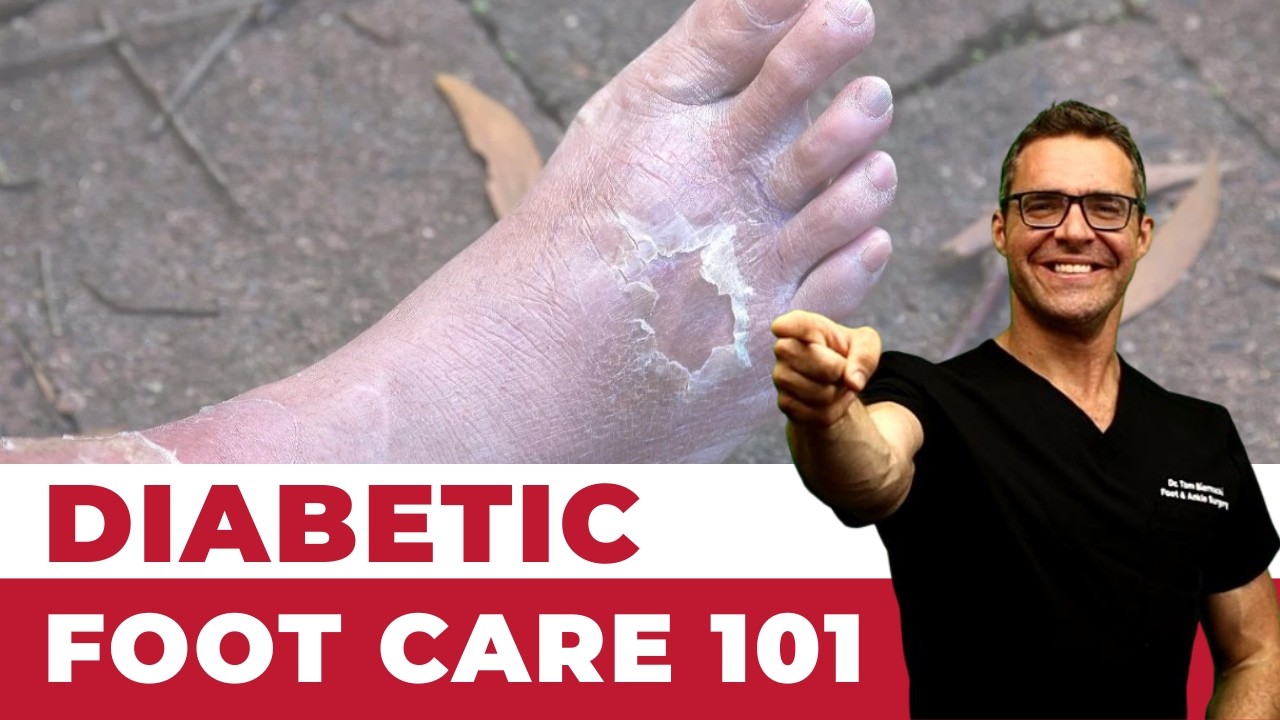
Medically reviewed by Dr. Tom Biernacki, DPM | Board-certified podiatrist | 3,000+ surgeries performed
Last updated: April 2, 2026
The most important clinical decision with Managing Foot Pain Pregnancy Normal Not Normal When Podiatrist isn’t which treatment to start with — it’s which subtype or underlying cause you actually have. That distinction changes everything. Call us: (810) 206-1402
Why Pregnancy Changes Your Feet
Pregnancy hormones — particularly relaxin — soften ligaments throughout the body to prepare for delivery. This ligament laxity extends to the 33 joints of each foot, reducing the structural support that maintains the arch and allowing progressive flattening under the increasing body weight of pregnancy. Research published in the American Journal of Physical Medicine (2024) found that first-time mothers experience an average arch height decrease of 3-5mm that may be permanent.
Weight gain of 25-35 pounds during pregnancy increases ground reaction forces through the feet by 20-30%. The forefoot and heel absorb this additional load during every step, and the combination of increased force with decreased ligamentous support creates conditions for plantar fasciitis, metatarsalgia, and posterior tibial tendon strain.
Fluid retention causes bilateral foot and ankle swelling that typically worsens throughout the day and progresses during the third trimester. Normal pregnancy edema resolves with elevation and is symmetric between both feet. Asymmetric swelling or sudden onset of severe edema warrants immediate medical evaluation.
Common Pregnancy Foot Conditions
Plantar fasciitis develops in approximately 25% of pregnant women due to the combination of arch flattening, weight gain, and prolonged standing. The plantar fascia stretches beyond its normal tolerance as the arch collapses, creating microtears at its calcaneal origin that cause the characteristic first-step morning heel pain.
Over-pronation (flat feet) progresses throughout pregnancy as relaxin softens the spring ligament complex and the posterior tibial tendon stretches under increased load. This acquired flatfoot condition changes walking mechanics, increases fatigue, and can cause knee and hip pain in addition to foot discomfort.
Metatarsalgia — pain at the ball of the foot — results from forefoot widening and increased pressure on the metatarsal heads. The forefoot may widen by a half to full shoe size during pregnancy, and this change is often permanent. Many women find their pre-pregnancy shoes no longer fit comfortably after delivery.
Ingrown toenails occur more frequently during pregnancy because foot swelling compresses the toes within shoes and altered biomechanics change pressure patterns on the nail borders. Hormonal changes may also affect nail growth patterns and thickness.
Safe Treatment Options During Pregnancy
Supportive footwear with firm arch support, cushioned midsoles, and adequate toe box width is the most important intervention for pregnancy foot pain. Athletic shoes or supportive sandals with contoured footbeds should replace flat shoes, ballet flats, and flip-flops that provide no structural support for the increasingly lax foot.
Over-the-counter arch support insoles provide immediate relief for over-pronation and plantar fasciitis symptoms. Prefabricated orthotics with firm medial arch posting and metatarsal support reduce the strain on softened ligaments and help maintain arch height throughout the pregnancy.
Ice application for 15-20 minutes after prolonged standing reduces plantar fascial inflammation safely during all trimesters. Gentle calf stretching and plantar fascia stretching exercises performed twice daily maintain tissue flexibility and reduce morning heel pain severity.
Compression stockings reduce lower extremity edema and venous congestion, improving comfort during prolonged standing and reducing the foot swelling that contributes to nerve compression and metatarsalgia. Gradient compression of 15-20 mmHg is generally recommended for pregnancy-related edema.
Warning Signs That Require Immediate Evaluation
Sudden severe swelling in one leg or foot — particularly when accompanied by calf pain, redness, or warmth — may indicate deep vein thrombosis (DVT), a serious condition that requires emergency medical evaluation. Pregnancy increases DVT risk five-fold, and unilateral leg swelling should never be attributed to normal pregnancy changes without medical assessment.
Severe swelling of the face, hands, and feet accompanied by headache, visual changes, or upper abdominal pain may indicate preeclampsia, a pregnancy complication requiring immediate obstetric evaluation. While mild bilateral foot swelling is normal, rapid onset of generalized edema is a warning sign.
Inability to bear weight on the foot after a twisting injury or fall requires evaluation for possible fracture. Pregnancy-related osteopenia reduces bone density in some women, increasing fracture susceptibility. Stress fractures of the metatarsals can occur from normal walking when bone quality is compromised.
Persistent numbness or tingling in the feet, particularly when accompanied by burning pain, may indicate tarsal tunnel syndrome caused by pregnancy-related swelling compressing the posterior tibial nerve. This condition can worsen rapidly and may require intervention to prevent permanent nerve damage.
Postpartum Foot Recovery
Most pregnancy-related foot swelling resolves within 2-4 weeks after delivery as excess fluid is eliminated. However, structural changes including arch flattening and forefoot widening may be permanent, particularly after first pregnancies. Women should not expect their feet to return to pre-pregnancy dimensions.
Postpartum foot pain from plantar fasciitis and over-pronation often improves gradually as relaxin levels normalize over 3-6 months after delivery. Continued use of supportive footwear and orthotics during this period supports the ligamentous recovery process and prevents chronic condition development.
Custom orthotics fabricated after delivery address the permanent structural changes that occurred during pregnancy. Dr. Biernacki recommends waiting until 3-4 months postpartum for custom orthotic fitting to allow hormone levels to stabilize and foot dimensions to reach their new baseline before casting.
Women planning subsequent pregnancies should be aware that arch height may decrease further with each pregnancy. Early orthotic intervention during subsequent pregnancies can minimize additional structural changes by providing external support during the period of maximum ligamentous laxity.
Exercises for Pregnancy Foot Health
Calf raises performed while holding a counter for balance strengthen the gastrocnemius-soleus complex and posterior tibial tendon, improving dynamic arch support during the period of ligamentous laxity. Perform 2 sets of 15 repetitions twice daily throughout pregnancy.
Towel scrunches and marble pickups activate the intrinsic foot muscles that provide fine motor control of the arch. These exercises take 5 minutes and can be performed while seated, making them accessible even during the third trimester when balance and mobility are limited.
Ankle circles and alphabet exercises maintain ankle range of motion and promote venous return from the lower extremities. Performing these exercises with the feet elevated above heart level combines the benefits of movement with gravitational fluid drainage.
Walking on a regular schedule maintains cardiovascular fitness and foot conditioning throughout pregnancy. Dr. Biernacki recommends 20-30 minutes of walking daily in supportive shoes, adjusting pace and duration as the pregnancy progresses.
The Most Common Mistake We See
The biggest mistake pregnant women make regarding foot pain is assuming all discomfort is a normal part of pregnancy that must be endured. While mild foot aching is common, significant pain that limits walking, disturbs sleep, or requires daily medication deserves podiatric evaluation. Many pregnancy foot conditions respond quickly to simple interventions like proper footwear and orthotics that dramatically improve quality of life during an already challenging time.
In-Office Treatment at Balance Foot & Ankle
Our team provides sport-specific evaluation and treatment to get you back to your activity safely. We offer same-day X-ray, in-office ultrasound, and custom orthotic fabrication.
Same-day appointments available. Call (810) 206-1402 or book online.
More Podiatrist-Recommended Foot Health Essentials
Hoka Clifton 10


![How to Cure Plantar Fasciitis in One Week? [FAST Heel Pain Relief!]](https://www.michiganfootdoctors.com/wp-content/cache/flying-press/b5600c3bfb9845a6095da8266d8b5363.jpg)
Watch: How to Cure Plantar Fasciitis in One Week? [FAST Heel Pain Relief!] — MichiganFootDoctors YouTube
Max-cushion everyday shoe — podiatrist favorite for walking and running.

OOFOS Recovery Slide

Impact-absorbing recovery sandal — wear after long days on your feet.
As an Amazon Associate, Balance Foot & Ankle earns from qualifying purchases. Product recommendations are based on clinical experience; prices and availability shown above update live from Amazon.
When to See a Podiatrist
If foot or ankle pain has been bothering you for more than a few weeks, home care alone may not be enough. Balance Foot & Ankle offers same-week appointments at our Howell and Bloomfield Township clinics — no referral needed in most cases. Bring your current shoes and a short list of symptoms and we’ll build you a treatment plan in one visit.
Call Balance Foot & Ankle: (810) 206-1402 · Book online · Offices in Howell & Bloomfield Township
Frequently Asked Questions
Will my feet go back to normal after pregnancy?
Foot swelling resolves within 2-4 weeks after delivery. However, arch flattening and forefoot widening are often permanent, particularly after first pregnancies. Most women find their foot size increases by a half to full size permanently. Custom orthotics can support the new foot structure effectively.
Is it safe to see a podiatrist during pregnancy?
Yes. Podiatric evaluation during pregnancy is completely safe. Board-certified podiatrists modify treatment approaches for pregnant patients, avoiding certain medications and imaging studies while providing effective conservative care. Most pregnancy foot conditions respond well to non-invasive treatments.
Can I wear heels during pregnancy?
High heels are not recommended during pregnancy because they increase forefoot pressure, destabilize already lax ankle ligaments, and raise fall risk. Low heels (under 2 inches) with wide bases may be acceptable for short periods. Supportive flats or low-heeled shoes with arch support are the safest choice.
Why are my feet bigger after having a baby?
Pregnancy hormones soften foot ligaments, allowing the arch to flatten and the forefoot to widen under increased body weight. These structural changes are often permanent because the ligaments do not fully regain their pre-pregnancy tension. This is why many women need larger shoes after their first pregnancy.
The Bottom Line
Pregnancy foot pain is common but treatable. Board-certified podiatrists at Balance Foot & Ankle provide pregnancy-safe treatment options that reduce pain and protect foot health during this significant time. Do not endure months of foot pain when simple interventions can make your pregnancy more comfortable.
Sources
- American Journal of Physical Medicine & Rehabilitation, ‘Arch Height Changes During First Pregnancy,’ 2024
- Journal of Foot and Ankle Research, ‘Pregnancy-Related Foot Conditions: Prevalence Study,’ 2025
- Obstetrics & Gynecology, ‘Lower Extremity Edema and Venous Thromboembolism in Pregnancy,’ 2024
- Clinical Biomechanics, ‘Gait Changes and Foot Loading During Pregnancy,’ 2025
Pregnancy Foot Pain? Get Comfortable Again
Dr. Tom Biernacki has performed over 3,000 foot and ankle surgeries with a 4.9-star rating from 1,123 patient reviews.
Or call (810) 206-1402 for same-day appointments
Pregnancy Foot Pain Treatment at Balance Foot & Ankle
Swollen feet, arch pain, and widening feet are common during pregnancy — but some symptoms signal problems that need medical attention. Dr. Tom Biernacki provides safe, pregnancy-appropriate foot care for expectant mothers.
Learn About Foot Pain Treatment → | Book Your Appointment | Call (810) 206-1402
Clinical References
- Ponnapula P, Boberg JS. “Lower extremity changes experienced during pregnancy.” J Foot Ankle Surg. 2010;49(5):452-458.
- Vullo VJ, et al. “Postpartum loss of abducted gait.” J Rheumatol. 1996;23(4):744-751.
- Alvarez R, et al. “Changes of the foot during pregnancy.” J Am Podiatr Med Assoc. 1988;78(5):264-269.
Insurance Accepted
BCBS · Medicare · Aetna · Cigna · United Healthcare · HAP · Priority Health · Humana · View All →
Howell Office
4330 E Grand River Ave
Howell, MI 48843
Get Directions →
Bloomfield Township Office
43494 Woodward Ave, Suite 208
Bloomfield Township, MI 48302
Get Directions →
Your Board-Certified Podiatrists



Ready to Get Back on Your Feet?
Same-week appointments available at both locations.
Book Your AppointmentVisit Balance Foot & Ankle — Same-Day Appointments Available
Our podiatry team serves patients throughout Michigan including Howell, Brighton, and Bloomfield Township. If you’re dealing with heel pain, ingrown toenails, or a foot injury, we have same-day appointment availability.
Same-day appointments available. (810) 206-1402
Doctor Hoy’s Natural Pain Relief Gel
Natural topical pain relief I use in our clinic. Arnica + camphor formula — apply directly to the area 3–4x daily. ($20–25)
Shop Doctor Hoy’s →Frequently Asked Questions
When should I see a doctor?
See a podiatrist if pain persists past 2 weeks, prevents normal activity, or is accompanied by red-flag symptoms (warmth, swelling, numbness, inability to bear weight).
Can I treat this at home?
Mild cases respond to RICE protocol (rest, ice, compression, elevation), supportive shoes, and OTC anti-inflammatories. Persistent symptoms need professional evaluation.
How long does it take to heal?
Most soft tissue injuries resolve in 2-6 weeks with appropriate care. Bone injuries take 6-12 weeks. Chronic conditions need longer-term management.
What is Foot pain?
Foot pain is a common foot/ankle condition that affects mobility and quality of life. Understanding the underlying cause is the first step in successful treatment. Our podiatrists at Balance Foot & Ankle perform a hands-on biomechanical exam, review your activity history, and use diagnostic imaging when appropriate to identify the root cause—not just treat the symptom. Many patients have been told to “rest and ice” without a deeper diagnostic workup; our approach is different.
Symptoms and warning signs
Common signs of foot pain include pain that worsens with activity, morning stiffness, swelling, tenderness when palpated, and difficulty bearing weight. If you experience sudden severe pain, inability to walk, visible deformity, numbness or color change, contact our office the same day or visit urgent care—these can signal a more serious injury such as a fracture, tendon rupture, or vascular compromise. Diabetics with any foot wound should seek same-day care.
Conservative treatment options
Most cases of foot pain respond to non-surgical care: structured rest, supportive footwear changes, custom orthotics, targeted stretching and strengthening protocols, anti-inflammatory medications when medically appropriate, and in-office procedures such as ultrasound-guided injections. We also offer advanced therapies including MLS laser therapy, EPAT/shockwave, regenerative injections, and image-guided procedures. Treatment is sequenced from least invasive to most invasive, and we explain the rationale at every step.
When is surgery considered?
Surgery is reserved for cases that fail 3-6 months of well-structured conservative care, when there is structural pathology (severe deformity, complete tear, advanced arthritis), or when imaging shows damage that will not heal without intervention. Our surgeons have performed 3,000+ foot and ankle procedures and prioritize minimally-invasive techniques whenever appropriate. We discuss recovery timelines, return-to-activity milestones, and realistic outcome expectations before any procedure is scheduled.
Recovery timeline and prevention
Recovery from foot pain varies based on severity and chosen treatment path. Conservative cases often improve within 4-8 weeks with consistent adherence to the protocol. Post-procedural recovery may range from a few days (in-office procedures) to several months (reconstructive surgery). Long-term prevention involves footwear assessment, activity modification, structured strengthening, and regular check-ins with your podiatrist if you have a history of recurrence. We provide written home-exercise plans and digital follow-up support.
Ready to feel better?
Same-week appointments available in Howell and Bloomfield Township, Michigan.
Book Your VisitReady to fix this for good?
Reading goes so far. The fastest path is a 30-minute office visit. Same-day Howell or Bloomfield Township. Call (810) 206-1402.

Dr. Tom Biernacki, DPM is a board-certified foot & ankle surgeon (ABFAS & ABPM) at Balance Foot & Ankle Specialists in Southeast Michigan. With over a decade of clinical experience, he specializes in heel pain, bunions, diabetic foot care, sports injuries, and minimally invasive surgery. Dr. Biernacki is a member of the APMA and ACFAS, and his patient education content on MichiganFootDoctors.com and YouTube has made him one of the most-followed foot & ankle educators on YouTube.