
Medically reviewed by Dr. Tom Biernacki, DPM — Board-Certified Podiatric Surgeon — Balance Foot & Ankle, Howell & Bloomfield Hills, MI. Last updated April 2026.
▶ Watch
Medically Reviewed by Dr. Tom Biernacki, DPM — Board-Certified Podiatrist, Balance Foot & Ankle Specialists, Michigan. Last updated April 2026.
Treatment at Balance Foot & Ankle: Morton's Neuroma Treatment →
What Is Metatarsalgia?
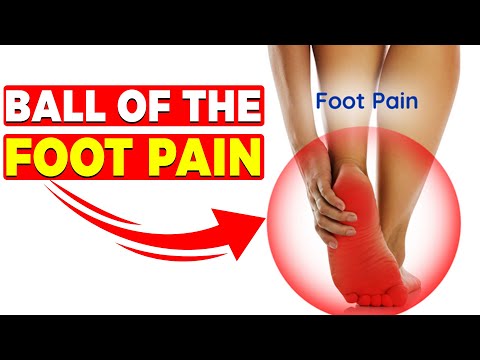
Metatarsalgia is a general term describing pain in the ball of the foot — the region under the metatarsal heads where the five long bones of the foot (metatarsals) meet the toes. It’s not a single diagnosis but a symptom with multiple possible underlying causes, which is why treatment must be tailored to the specific cause rather than applied uniformly.
The ball of the foot bears approximately one-third of body weight during standing and considerably more during walking and running. The metatarsal heads are cushioned by a specialized fat pad and surrounded by the plantar plate — a thick fibrocartilaginous structure that stabilizes the toe joints from below. When any of these structures are overloaded, damaged, or degenerated, metatarsalgia results.
Patients typically describe a burning, aching, or sharp pain specifically under the ball of the foot, often worse after prolonged standing or walking and improved by rest. Some describe feeling like they’re walking on pebbles or marbles. The pain may be localized to one or two metatarsal heads or spread across the entire ball of the foot, depending on the underlying cause.
Causes of Metatarsalgia: Identifying the Specific Problem
Accurate diagnosis of what’s causing metatarsalgia is the foundation of effective treatment. The most common causes each have distinctive features that point to the diagnosis.
Metatarsal overload is the most common cause — excessive pressure concentrated under one or more metatarsal heads, most often the second and third. Contributing factors include a long second metatarsal (Morton’s toe configuration), high-arched foot that concentrates pressure on the central metatarsals, fat pad atrophy (loss of the natural cushioning under the metatarsal heads), tight calf muscles (equinus) that cause early heel rise and forefoot overload, and inadequate footwear cushioning. The pain is diffuse under the metatarsal head(s) and correlates with hard surface loading.
Plantar plate tear is an underdiagnosed cause of metatarsalgia, particularly under the second metatarsal head. The plantar plate is a fibrocartilaginous structure that stabilizes the MTP joint from below — when it tears, the toe begins to drift upward and sideways, creating a characteristic crossover toe deformity. Signs of plantar plate tear include a V-sign (space between the second and third toes), pain with toe extension loading, and positive drawer test (abnormal joint laxity). Ultrasound or MRI confirms the diagnosis. Early-stage tears respond to plantar plate taping and offloading orthotics; established tears may require surgical repair.
Morton’s neuroma causes burning and shooting pain between the metatarsal heads (most commonly between the third and fourth) due to enlargement and irritation of the interdigital nerve. Symptoms include burning pain between the toes, numbness, and a pebble sensation. The Mulder’s click test reproduces symptoms and helps confirm the diagnosis. Treatment progresses from footwear modification and orthotics through alcohol sclerosing injections to surgical neurectomy for resistant cases.
MTP joint synovitis and capsulitis involves inflammation of the joint capsule and lining, causing localized swelling, tenderness, and pain with toe dorsiflexion. It commonly affects the second MTP joint and can progress to plantar plate tear if unmanaged.
Sesamoid pathology causes pain specifically under the first metatarsal head — under the big toe joint area — from the two small sesamoid bones that cushion and protect this high-pressure area. Sesamoiditis (inflammation), stress fractures, and avascular necrosis of the sesamoids each require specific management approaches.
Diagnosis: Differentiating the Causes
Clinical examination identifies the specific cause in most cases through careful history and physical examination. We assess the distribution of pain, the presence of callus (whose pattern reflects chronic overloading), joint range of motion and stability testing (including the drawer test and Lachman test of the MTP joint), and Mulder’s maneuver for neuroma. Neurological assessment distinguishes neuropathic from mechanical causes.
Weight-bearing X-rays assess bone structure, metatarsal length pattern, and joint space. MRI is valuable for plantar plate tears, sesamoid conditions, and bone marrow edema in suspected stress fractures. Ultrasound provides real-time visualization of the plantar plate, peritendinous structures, and interdigital neuroma.
Treatment by Cause
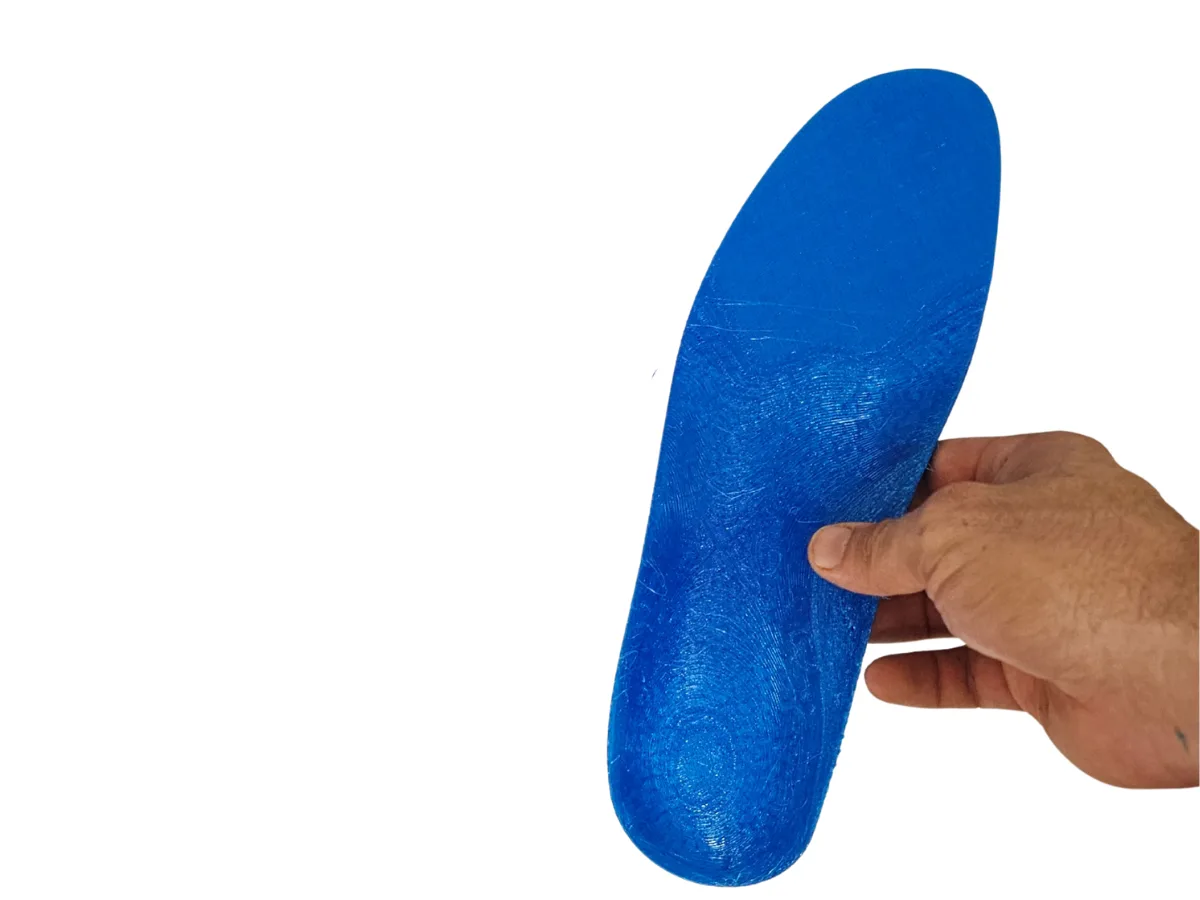
For metatarsal overload, custom orthotics are the most effective intervention. A properly designed orthotic redistributes pressure from overloaded metatarsals to adjacent areas using metatarsal pads or bars placed proximal to (behind) the metatarsal heads. This is technically demanding — the pad must be positioned precisely to achieve pressure transfer rather than adding pressure to the tender area. Appropriate footwear with cushioned insoles and sufficient toe box depth, combined with activity modification to reduce prolonged forefoot loading, completes the conservative approach.
For plantar plate tears, early intervention prevents progressive toe drift and deformity. Dorsal plate taping holds the toe in plantarflexion (downward position) to offload the plantar plate and allow healing. Custom orthotics provide ongoing stabilization. Surgical plantar plate repair is required for complete tears or cases where conservative care fails — outcomes are good with early intervention.
For Morton’s neuroma, treatment progresses through footwear widening, metatarsal pad orthotics, corticosteroid injections, sclerosing alcohol injection series, and ultimately surgical neurectomy for resistant cases. Response rates for conservative treatment are good in moderate-sized neuromas identified early.
Surgical options for metatarsalgia from structural causes include metatarsal osteotomy — surgically elevating or shortening overloaded metatarsal heads — and are reserved for cases that have failed well-designed conservative care. Modern surgical techniques produce predictable results with acceptable recovery times.
Foot or Ankle Pain? We Can Help.
Balance Foot & Ankle — Howell & Bloomfield Township, MI
📅 Book Online
📞 (810) 206-1402
Metatarsalgia Treatment in Michigan
Ball-of-foot pain (metatarsalgia) affects daily walking and can result from multiple conditions requiring accurate diagnosis. At Balance Foot & Ankle, Dr. Tom Biernacki identifies the specific cause and provides targeted relief — serving Howell and Bloomfield Hills, MI.
Learn About Foot Pain Treatment Options → | Book Your Appointment | Call (810) 206-1402
Clinical References
- Espinosa N, Brodsky JW, Maceira E. Metatarsalgia. J Am Acad Orthop Surg. 2010;18(8):474-485.
- Besse JL. Metatarsalgia. Orthop Traumatol Surg Res. 2017;103(1S):S29-S39.
- Highlander P, VonHerbulis E, Gonzalez A, Britt J, Buchman J. Complications of metatarsal head resection arthroplasty. Foot Ankle Spec. 2011;4(1):26-31.
- Diagnosis and Treatment of Plantar Fasciitis (PubMed / AAFP)
- Heel Pain (APMA)
- Hallux Valgus (Bunions): Evaluation and Management (PubMed)
- Bunions (Mayo Clinic)
Recommended Products from Dr. Tom