
Medically reviewed by Dr. Tom Biernacki, DPM
Board-certified podiatric surgeon | Balance Foot & Ankle, Howell & Bloomfield Hills, MI
Last reviewed: May 2026

Quick answer: Osgood Schlatter Disease Adults is a clinical condition that responds to evidence-based treatment when caught early. Symptoms include pain, swelling, and altered function. Diagnosis requires clinical exam, often imaging. Treatment ladder: conservative care first (4-6 weeks), then targeted interventions if needed. Call (810) 206-1402.
If your knee pain is right at that bony bump below your kneecap — and you had knee problems as a teenager — you may be experiencing the adult version of Osgood-Schlatter. It was supposed to go away when you finished growing. So why does it still hurt?
Here’s why Osgood-Schlatter pain persists into adulthood and exactly what can be done about it.
The most important clinical decision with Osgood Schlatter Disease Adults isn’t which treatment to start with — it’s identifying the correct subtype. That changes everything. Call (810) 206-1402.
What Is Osgood-Schlatter Disease?
Osgood-Schlatter disease (OSD) is traction apophysitis of the tibial tubercle — the bony prominence at the top of the shin, just below the kneecap, where the patellar tendon attaches. During adolescent growth spurts, the quadriceps muscle repeatedly pulls on this still-developing growth plate through the patellar tendon, causing inflammation, micro-fractures, and in some cases, fragmentation of the apophysis.
Classic OSD affects children ages 10–15 (boys) and 8–12 (girls) and is supposed to resolve when the tibial tubercle growth plate fuses at skeletal maturity. However, in an estimated 10–30% of cases, symptoms persist or return in adulthood — usually due to a residual bony ossicle that formed within the patellar tendon during the active phase.
Why Does Osgood-Schlatter Persist in Adults?
In adults with residual Osgood-Schlatter symptoms, the mechanism is different from the childhood condition:
- Tibial tubercle ossicle: During the active phase, bone fragments may form within the patellar tendon attachment. When the growth plate fuses, these fragments calcify into persistent bony ossicles. With activity, the patellar tendon repeatedly compresses and irritates these ossicles — causing the characteristic pain with kneeling, squatting, and high-impact activity.
- Enlarged tibial tubercle: The growth plate heals with extra bone formation, creating a permanently prominent tubercle that’s vulnerable to direct pressure (kneeling, contact sports) and tendon irritation.
- Patellar tendinopathy: The patellar tendon attachment can develop chronic tendinosis at the tibial tubercle — a separate but related condition requiring its own treatment approach.
Symptoms in Adults
- Pain at the tibial tubercle: The characteristic bony bump below the kneecap — may be visibly larger than the other knee
- Pain with kneeling: Direct pressure on the tubercle is often the most provocative activity — kneeling on hard floors, gardening, flooring work
- Pain with athletic activity: Running, jumping, squatting, stair climbing — any activity loading the patellar tendon
- Palpable ossicle: A distinct firm nodule within the patellar tendon just above the tibial tubercle — can be felt as a ‘lump’
- Post-activity soreness: Aching after activity that persists into the evening
⚠️ Seek evaluation if your knee pain shows:
- Sudden severe pain or swelling after activity — possible patellar tendon rupture
- Inability to extend the knee fully
- Locking, catching, or giving way of the knee
- Pain that’s constant (not just activity-related) — rules out simple OSD, needs full knee workup
- Knee pain in an adult with no history of adolescent OSD — do not self-diagnose
Diagnosis
X-rays: Often show a calcified ossicle at the tibial tubercle or within the patellar tendon, and/or an enlarged irregular tibial tubercle. Lateral knee X-ray is the key view.
Ultrasound: Excellent for identifying the ossicle, assessing patellar tendon integrity, and guiding injections. Dynamic assessment during knee flexion reproduces mechanical impingement.
MRI: Useful when diagnosis is uncertain or patellar tendinopathy vs. ossicle irritation distinction is needed. Shows tendon signal changes, ossicle, and surrounding bursitis.
Treatment Options for Adults
Conservative (First-Line)
- Activity modification: Avoid kneeling, reduce high-impact activities during symptomatic periods
- Patellar tendon strap/knee brace: A strap just below the kneecap reduces the compressive force at the tibial tubercle during activity
- Quadriceps stretching: Reduces baseline patellar tendon tension
- Quadriceps and hip strengthening: Reduces patellar tendon load per step
- Ice after activity: Reduces local inflammation
- Corticosteroid injection: Injection into the pre-tibial bursa (NOT into the patellar tendon) can provide temporary relief for bursitis component
Surgical (When Conservative Fails)
For patients with a symptomatic ossicle that has failed 6+ months of conservative treatment, surgical ossicle excision is highly effective:
- Arthroscopic or open approach depending on ossicle size and location
- The offending ossicle fragment(s) are identified and removed
- Success rates of 90%+ for pain relief in properly selected patients
- Return to full activity in 4–8 weeks post-operatively
- The tubercle prominence typically remains — but without the ossicle irritating the tendon, symptoms resolve
Key takeaway: The key distinction in adults: childhood OSD was active growth plate irritation. Adult residual OSD is mechanical ossicle impingement. The treatments are completely different — stretching helps both, but surgery targets the ossicle, not the growth plate.
Frequently Asked Questions
Does Osgood-Schlatter go away in adults?
For the ~70% who are asymptomatic after skeletal maturity, yes — they have a prominent bump but no pain. For the ~10–30% with persistent symptoms, it doesn’t go away on its own if an ossicle is present. Conservative treatment manages symptoms; surgery removes the underlying cause.
Is the bony bump from Osgood-Schlatter permanent?
Yes — the enlarged tibial tubercle is permanent bone and won’t go away. However, most people with a prominent tubercle have no pain. The pain in symptomatic adults comes from the ossicle within the tendon, which can be surgically removed.
Can I run with Osgood-Schlatter as an adult?
Many adults with residual OSD run without significant issues, especially with a patellar tendon strap and activity management. If running consistently triggers 4+ hours of post-run pain at the tubercle, surgical consultation is reasonable.
Can Osgood-Schlatter cause arthritis?
OSD itself doesn’t cause arthritis — it’s a tendon attachment problem, not an articular (joint surface) problem. However, if patellar tendinopathy develops, patellofemoral joint mechanics may be altered over time.
The Bottom Line
Osgood-Schlatter disease in adults is a manageable condition — not a life sentence of knee pain. Conservative treatment with activity modification, patellar straps, and targeted strengthening resolves most cases. For those with a persistent painful ossicle, surgical excision offers a definitive fix with excellent outcomes.
At Balance Foot & Ankle, we evaluate lower extremity pain comprehensively — including the knee-to-foot kinetic chain. If you have persistent knee pain at the tubercle, we can help.
Sources
1. Gholve PA, et al. Osgood Schlatter syndrome. Curr Opin Pediatr. 2007;19(1):44-50.
2. Pihlajamäki HK, et al. Surgical treatment of chronic Osgood-Schlatter disease. J Bone Joint Surg Am. 2009;91(10):2350-2358.
3. Topol GA, et al. Efficacy of dextrose prolotherapy in elite male kicking-sport athletes. Arch Phys Med Rehabil. 2005;86(4):697-702.
When Shoes Aren’t Enough — Dr. Tom’s Top 9 Orthotics
About 30% of patients I see for foot pain need MORE than a great shoe — they need a structured insole. Below: my complete 2026 orthotic ranking with pros, cons, and the specific patient I’d give each one to.


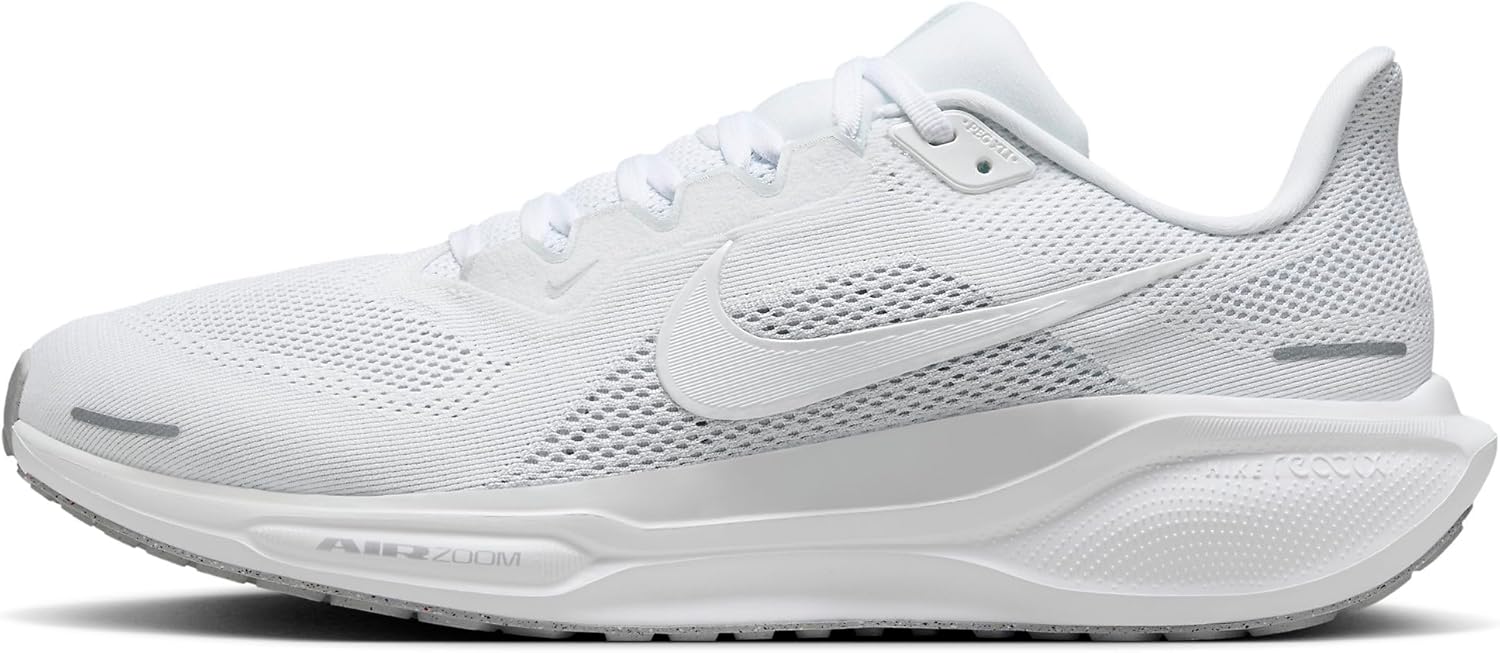


Podiatrist-Recommended Products for Knee & Foot Chain Issues
- PowerStep Maxx — corrects the overpronation and tibial rotation that worsens tibial tuberosity stress
- CURREX RunPro — biomechanically calibrated insole that reduces lower-limb chain stress in active adults
- Doctor Hoy’s Natural Pain Relief Gel — topical anti-inflammatory relief for knee and shin soreness associated with Osgood-Schlatter sequelae
These are the same products Dr. Biernacki recommends in clinic. Available through our partner Foundation Wellness.
Frequently Asked Questions
What causes this condition?
Causes include mechanical stress, biomechanical imbalance, age-related changes, and sometimes systemic disease. Our clinical exam plus imaging identifies the specific driver.
Can it go away on its own?
Mild cases sometimes resolve with rest and supportive footwear. Persistent symptoms past 4-6 weeks rarely resolve without active treatment.
Is surgery required?
Most patients resolve with non-surgical care. Surgery is reserved for refractory cases or structural deformity.
What is Foot pain?
Foot pain is a common foot/ankle condition that affects mobility and quality of life. Understanding the underlying cause is the first step in successful treatment. Our podiatrists at Balance Foot & Ankle perform a hands-on biomechanical exam, review your activity history, and use diagnostic imaging when appropriate to identify the root cause—not just treat the symptom. Many patients have been told to “rest and ice” without a deeper diagnostic workup; our approach is different.
Symptoms and warning signs
Common signs of foot pain include pain that worsens with activity, morning stiffness, swelling, tenderness when palpated, and difficulty bearing weight. If you experience sudden severe pain, inability to walk, visible deformity, numbness or color change, contact our office the same day or visit urgent care—these can signal a more serious injury such as a fracture, tendon rupture, or vascular compromise. Diabetics with any foot wound should seek same-day care.
Conservative treatment options
Most cases of foot pain respond to non-surgical care: structured rest, supportive footwear changes, custom orthotics, targeted stretching and strengthening protocols, anti-inflammatory medications when medically appropriate, and in-office procedures such as ultrasound-guided injections. We also offer advanced therapies including MLS laser therapy, EPAT/shockwave, regenerative injections, and image-guided procedures. Treatment is sequenced from least invasive to most invasive, and we explain the rationale at every step.
When is surgery considered?
Surgery is reserved for cases that fail 3-6 months of well-structured conservative care, when there is structural pathology (severe deformity, complete tear, advanced arthritis), or when imaging shows damage that will not heal without intervention. Our surgeons have performed 3,000+ foot and ankle procedures and prioritize minimally-invasive techniques whenever appropriate. We discuss recovery timelines, return-to-activity milestones, and realistic outcome expectations before any procedure is scheduled.
Recovery timeline and prevention
Recovery from foot pain varies based on severity and chosen treatment path. Conservative cases often improve within 4-8 weeks with consistent adherence to the protocol. Post-procedural recovery may range from a few days (in-office procedures) to several months (reconstructive surgery). Long-term prevention involves footwear assessment, activity modification, structured strengthening, and regular check-ins with your podiatrist if you have a history of recurrence. We provide written home-exercise plans and digital follow-up support.
AAOS: Osgood-Schlatter Disease & Lower Extremity Impact
AAOS: Osgood-Schlatter Disease & Lower Extremity Impact
Ready to Get Relief?
Same-day appointments available in Howell & Bloomfield Hills, MI
4.9★ | 1,123 Reviews | 3,000+ Surgeries
Or call: (810) 206-1402

Dr. Tom Biernacki, DPM is a board-certified foot & ankle surgeon (ABFAS & ABPM) at Balance Foot & Ankle Specialists in Southeast Michigan. With over a decade of clinical experience, he specializes in heel pain, bunions, diabetic foot care, sports injuries, and minimally invasive surgery. Dr. Biernacki is a member of the APMA and ACFAS, and his patient education content on MichiganFootDoctors.com and YouTube has made him one of the most-followed foot & ankle educators on YouTube.