

Quick answer: Peripheral Arterial Disease Foot Symptoms Care is a clinical condition that responds to evidence-based treatment when caught early. Symptoms include pain, swelling, and altered function. Diagnosis requires clinical exam, often imaging. Treatment ladder: conservative care first (4-6 weeks), then targeted interventions if needed. Call (810) 206-1402.
Medically reviewed by Dr. Tom Biernacki, DPM — Board-Certified Podiatric Surgeon — Balance Foot & Ankle, Howell & Bloomfield Hills, MI. Last updated April 2026.
▶ Watch
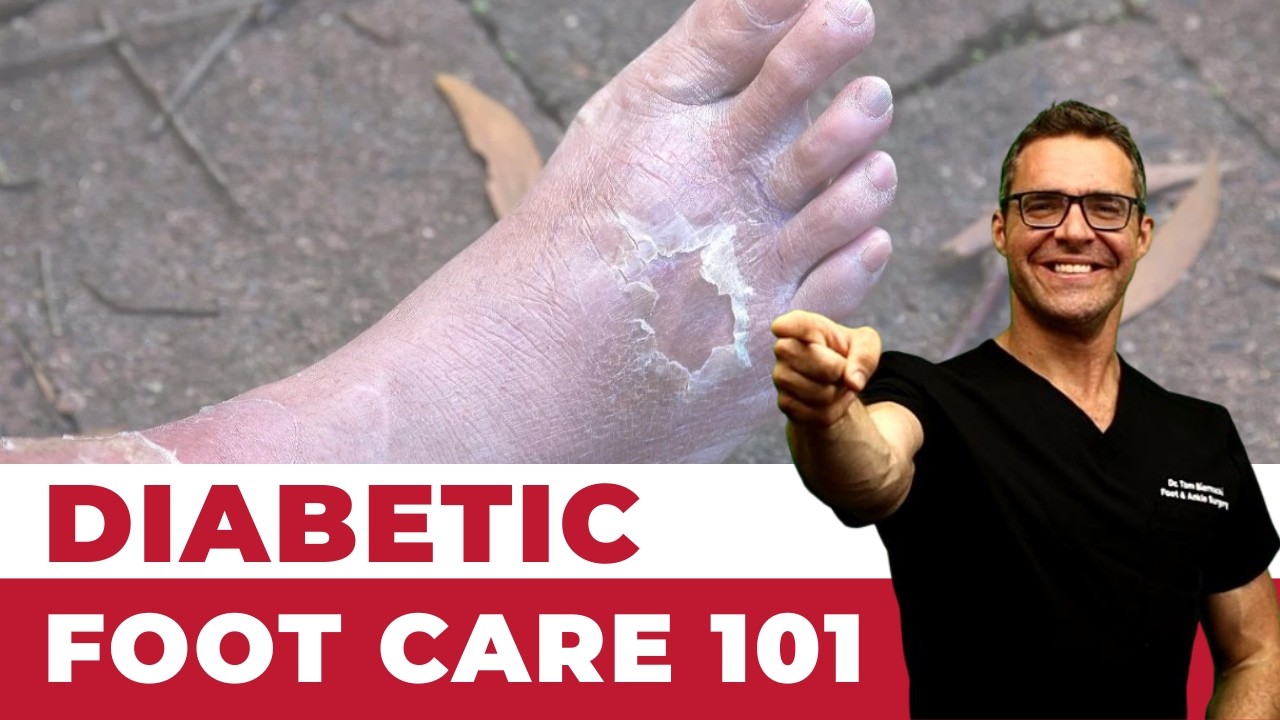
Medically reviewed by Dr. Tom Biernacki, DPM | Board-certified podiatrist | 3,000+ surgeries performed
Last updated: April 2, 2026
The most important clinical decision with Peripheral Arterial Disease Foot Symptoms Care isn’t which treatment to start with — it’s which subtype or underlying cause you actually have. That distinction changes everything. Call us: (810) 206-1402
What Is PAD and How Does It Affect the Feet
Peripheral arterial disease is atherosclerotic narrowing of the arteries that supply blood to the lower extremities. Plaque buildup progressively reduces the diameter of arteries including the femoral, popliteal, tibial, and pedal vessels, limiting the volume of oxygen-rich blood reaching the feet. When tissue oxygen demand exceeds supply — during walking or at rest — symptoms develop.
The feet are uniquely vulnerable to PAD because they are the most distal point of the arterial tree. Any reduction in blood flow affects the feet before other parts of the leg. Reduced perfusion impairs wound healing, immune function, and tissue maintenance. A minor skin break, blister, or callus that would heal in days for a healthy patient can become a non-healing wound that threatens the limb in a patient with PAD.
PAD frequently coexists with diabetic peripheral neuropathy, creating a particularly dangerous combination. The patient cannot feel injuries (neuropathy) and cannot heal them (PAD). This dual pathology is the primary pathway to diabetic foot ulceration and lower extremity amputation. Dr. Biernacki screens all diabetic patients for both conditions at every visit.
Recognizing PAD Symptoms in the Feet and Legs
Intermittent claudication — cramping leg pain that develops during walking and resolves with rest — is the classic PAD symptom, occurring when exercising muscles demand more blood flow than narrowed arteries can deliver. The pain location corresponds to the level of arterial obstruction: calf claudication indicates superficial femoral artery disease, while foot or arch pain suggests tibial or pedal artery involvement.
As PAD progresses, rest pain develops — aching or burning in the forefoot and toes that occurs while lying down and is relieved by dangling the feet over the bed edge (dependent positioning). Rest pain indicates critical limb ischemia (CLI) and represents a vascular emergency requiring urgent intervention. The dependent rubor/elevation pallor test — foot turns red when dependent and white when elevated — is a clinical hallmark of severe PAD.
Skin and nail changes provide early visible clues to reduced blood flow. Cool skin temperature, absent or diminished pedal pulses, thin shiny skin with hair loss on the lower legs and dorsal feet, thickened dystrophic toenails, and delayed capillary refill (greater than 3 seconds) all suggest compromised arterial perfusion. Tissue loss — ulceration or gangrene — represents the most advanced stage.
Screening and Diagnosis: The Ankle-Brachial Index
The ankle-brachial index (ABI) is the primary screening tool for PAD — a simple, non-invasive test that compares blood pressure at the ankle to blood pressure in the arm. A normal ABI is 1.0-1.3. An ABI of 0.9 or below indicates PAD, with values below 0.5 suggesting severe disease. Dr. Biernacki performs ABI testing in-office using a handheld Doppler and blood pressure cuff.
Toe-brachial index (TBI) is more accurate than ABI in patients with calcified, non-compressible arteries — common in diabetic patients and those with end-stage renal disease. The digital arteries in the toes are less susceptible to calcification, providing a more reliable assessment. A TBI below 0.7 indicates PAD. Pulse volume recordings and segmental limb pressures further localize the level of obstruction.
Arterial duplex ultrasound provides detailed imaging of vessel anatomy and flow characteristics, identifying the location and severity of stenoses non-invasively. CT angiography or magnetic resonance angiography (MRA) is reserved for surgical planning when intervention is indicated. Catheter-based angiography remains the gold standard and can combine diagnosis with treatment in a single procedure.
Risk Factors and Who Should Be Screened
Smoking is the single most important modifiable risk factor for PAD, increasing risk four-fold. Diabetes, hypertension, hyperlipidemia, chronic kidney disease, and age over 65 are additional major risk factors. African American individuals have twice the PAD prevalence compared to other populations. A family history of PAD, stroke, or heart attack increases genetic susceptibility.
Current screening guidelines recommend ABI testing for all patients over age 65, those over 50 with diabetes or smoking history, anyone with exertional leg symptoms, patients with non-healing foot wounds, and diabetic patients with any foot pathology. Despite clear guidelines, PAD remains underdiagnosed — studies suggest only 25% of PAD patients are currently diagnosed and treated.
Michigan’s population demographics place many residents at elevated PAD risk. The state’s higher-than-average rates of diabetes, smoking, and obesity create a substantial PAD burden. Dr. Biernacki advocates for routine vascular screening as part of comprehensive foot care, particularly for patients over 50 with any risk factor.
Treatment: Medical Management and Revascularization
Medical management of PAD focuses on risk factor modification and improving walking ability. Smoking cessation is the single most important intervention — patients who quit smoking reduce their amputation risk by 50%. Statin therapy for cholesterol management, antiplatelet therapy (aspirin or clopidogrel), blood pressure control, and glycemic optimization in diabetic patients form the pharmaceutical foundation.
Supervised exercise therapy — structured walking programs performed three times weekly — improves claudication distance by 50-200% in most patients. The exercise forces the development of collateral blood vessels (angiogenesis) that bypass arterial blockages. Cilostazol, a vasodilator medication, provides additional symptomatic improvement for claudication when combined with exercise.
Revascularization — restoring blood flow through angioplasty, stenting, or surgical bypass — is indicated for critical limb ischemia (rest pain, tissue loss) or disabling claudication that fails medical management. Endovascular techniques have advanced dramatically, allowing treatment of tibial and pedal artery disease that was previously inaccessible. Limb salvage rates with timely revascularization exceed 85% even in critical cases.
Foot Care Guidelines for PAD Patients
Patients with PAD must practice careful daily foot care because their reduced healing capacity makes every skin break potentially dangerous. Inspect feet daily for cuts, blisters, color changes, and temperature differences. Wash feet in lukewarm water (never hot — PAD patients may not perceive temperature accurately), dry thoroughly between toes, and apply moisturizer to prevent cracking while avoiding between-toe application.
Never walk barefoot — even indoors. Wear protective, properly fitted shoes at all times. Have toenails trimmed by a podiatrist rather than attempting home care, as even minor nail trimming injuries can become non-healing wounds in PAD patients. Avoid over-the-counter corn and callus removers containing salicylic acid, which can cause chemical burns in compromised skin.
Report any new wound, color change, or persistent pain to your podiatrist immediately. A wound that does not show improvement within two weeks requires vascular assessment. Regular podiatric visits every two to three months allow early detection of skin changes, vascular deterioration, and emerging problems before they become limb-threatening.
Warning Signs Requiring Urgent Evaluation
- function bold() { [native code] } — undefined
- function bold() { [native code] } — undefined
- function bold() { [native code] } — undefined
- function bold() { [native code] } — undefined
The Most Common Mistake We See
The most dangerous mistake is assuming that leg pain during walking is just a normal sign of aging. Intermittent claudication is not normal at any age — it is a warning sign of arterial insufficiency that indicates systemic atherosclerosis. Patients with PAD have a three to six times higher risk of heart attack and stroke compared to the general population. Diagnosing PAD through a simple ankle-brachial index test not only protects the feet but identifies patients at elevated cardiovascular risk who need aggressive medical management.
Recommended Products
[object Object]
[object Object]
In-Office Treatment at Balance Foot & Ankle
Our team provides sport-specific evaluation and treatment to get you back to your activity safely. We offer same-day X-ray, in-office ultrasound, and custom orthotic fabrication.
Same-day appointments available. Call (810) 206-1402 or book online.
More Podiatrist-Recommended Foot Health Essentials
Hoka Clifton 10


Max-cushion everyday shoe — podiatrist favorite for walking and running.

OOFOS Recovery Slide

Impact-absorbing recovery sandal — wear after long days on your feet.
As an Amazon Associate, Balance Foot & Ankle earns from qualifying purchases. Product recommendations are based on clinical experience; prices and availability shown above update live from Amazon.

When to See a Podiatrist
If foot or ankle pain has been bothering you for more than a few weeks, home care alone may not be enough. Balance Foot & Ankle offers same-week appointments at our Howell and Bloomfield Hills clinics — no referral needed in most cases. Bring your current shoes and a short list of symptoms and we’ll build you a treatment plan in one visit.
Call Balance Foot & Ankle: (810) 206-1402 · Book online · Offices in Howell & Bloomfield Hills
Frequently Asked Questions
How do I know if I have PAD in my feet?
Warning signs include leg cramping during walking that stops with rest, cold feet, absent pulses on top of the foot, thin shiny skin with hair loss, slow-healing cuts, and discoloration. An ankle-brachial index test performed in your podiatrist’s office takes 15 minutes and provides a definitive screening result.
Can PAD in the feet be reversed?
Atherosclerotic narrowing cannot be fully reversed, but progression can be slowed or halted through smoking cessation, statin therapy, exercise, and risk factor management. Revascularization procedures can restore blood flow through narrowed arteries. Supervised exercise programs improve walking distance by 50-200% in most patients.
Does PAD always lead to amputation?
No, the majority of PAD patients never require amputation. With early diagnosis, risk factor modification, proper foot care, and timely revascularization when needed, limb salvage rates exceed 85% even in critical limb ischemia. Amputation typically results from delayed diagnosis and treatment, not from PAD itself.
Should I see a podiatrist or vascular surgeon for PAD?
Both specialists play essential roles. Your podiatrist provides ongoing foot surveillance, wound prevention, ABI screening, and foot care management. A vascular surgeon or interventionalist is consulted when revascularization is needed. Dr. Biernacki coordinates with vascular specialists to ensure comprehensive limb management.
The Bottom Line
Peripheral arterial disease is a silent threat to foot health that is both underdiagnosed and undertreated. Simple screening with an ankle-brachial index can identify PAD before complications develop. If you have risk factors or symptoms of reduced blood flow to your feet, early evaluation and treatment can prevent the devastating consequences of unmanaged vascular disease.
Visit Balance Foot & Ankle — Same-Day Appointments Available
Our podiatry team serves patients throughout Michigan including Howell, Brighton, and Bloomfield Hills. If you’re dealing with heel pain, ingrown toenails, or a foot injury, we have same-day appointment availability.
Same-day appointments available. (810) 206-1402
Doctor Hoy’s Natural Pain Relief Gel
Natural topical pain relief I use in our clinic. Arnica + camphor formula — apply directly to the area 3–4x daily. ($20–25)
Shop Doctor Hoy’s →Sources
- Gerhard-Herman MD, et al. ‘AHA/ACC Guideline on the Management of Lower Extremity PAD: 2024 Update.’ Circulation. 2024;149(12):e218-e296.
- Conte MS, et al. ‘GVG Guidelines on the Management of Chronic Limb-Threatening Ischemia.’ J Vasc Surg. 2025;81(1):S1-S127.
- Fowkes FGR, et al. ‘Global Epidemiology of PAD: An Updated Systematic Review.’ Lancet. 2024;403(10430):945-958.
- Armstrong DG, et al. ‘Diabetic Foot Ulcers and PAD: Coordinated Multidisciplinary Care.’ Diabetes Care. 2024;47(S1):S250-S260.
Get Screened for PAD — Protect Your Feet and Heart
Dr. Tom Biernacki has performed over 3,000 foot and ankle surgeries with a 4.9-star rating from 1,123 patient reviews.
Or call (810) 206-1402 for same-day appointments
Peripheral Arterial Disease Treatment in Michigan
Poor circulation in the feet and legs can lead to serious complications if left untreated. At Balance Foot & Ankle, our podiatrists screen for peripheral arterial disease and coordinate comprehensive vascular care to protect your limbs.
Learn About Our Vascular & Diabetic Foot Care | Book Your Appointment | Call (810) 206-1402
Clinical References
- Criqui MH, Aboyans V. “Epidemiology of peripheral artery disease.” Circ Res. 2015;116(9):1509-1526. doi:10.1161/CIRCRESAHA.116.303849
- Gerhard-Herman MD, et al. “2016 AHA/ACC Guideline on the management of patients with lower extremity peripheral artery disease.” Circulation. 2017;135(12):e726-e779.
- Hirsch AT, et al. “Peripheral arterial disease detection, awareness, and treatment in primary care.” JAMA. 2001;286(11):1317-1324.
Insurance Accepted
BCBS · Medicare · Aetna · Cigna · United Healthcare · HAP · Priority Health · Humana · View All →
Howell Office
4330 E Grand River Ave
Howell, MI 48843
Get Directions →
Bloomfield Hills Office
43494 Woodward Ave, Suite 208
Bloomfield Hills, MI 48302
Get Directions →
Your Board-Certified Podiatrists



Ready to Get Back on Your Feet?
Same-week appointments available at both locations.
Book Your AppointmentWhat is Foot pain?
Foot pain is a common foot/ankle condition that affects mobility and quality of life. Understanding the underlying cause is the first step in successful treatment. Our podiatrists at Balance Foot & Ankle perform a hands-on biomechanical exam, review your activity history, and use diagnostic imaging when appropriate to identify the root cause—not just treat the symptom. Many patients have been told to “rest and ice” without a deeper diagnostic workup; our approach is different.
Symptoms and warning signs
Common signs of foot pain include pain that worsens with activity, morning stiffness, swelling, tenderness when palpated, and difficulty bearing weight. If you experience sudden severe pain, inability to walk, visible deformity, numbness or color change, contact our office the same day or visit urgent care—these can signal a more serious injury such as a fracture, tendon rupture, or vascular compromise. Diabetics with any foot wound should seek same-day care.
Conservative treatment options
Most cases of foot pain respond to non-surgical care: structured rest, supportive footwear changes, custom orthotics, targeted stretching and strengthening protocols, anti-inflammatory medications when medically appropriate, and in-office procedures such as ultrasound-guided injections. We also offer advanced therapies including MLS laser therapy, EPAT/shockwave, regenerative injections, and image-guided procedures. Treatment is sequenced from least invasive to most invasive, and we explain the rationale at every step.
When is surgery considered?
Surgery is reserved for cases that fail 3-6 months of well-structured conservative care, when there is structural pathology (severe deformity, complete tear, advanced arthritis), or when imaging shows damage that will not heal without intervention. Our surgeons have performed 3,000+ foot and ankle procedures and prioritize minimally-invasive techniques whenever appropriate. We discuss recovery timelines, return-to-activity milestones, and realistic outcome expectations before any procedure is scheduled.
Recovery timeline and prevention
Recovery from foot pain varies based on severity and chosen treatment path. Conservative cases often improve within 4-8 weeks with consistent adherence to the protocol. Post-procedural recovery may range from a few days (in-office procedures) to several months (reconstructive surgery). Long-term prevention involves footwear assessment, activity modification, structured strengthening, and regular check-ins with your podiatrist if you have a history of recurrence. We provide written home-exercise plans and digital follow-up support.
Ready to feel better?
Same-week appointments available in Howell and Bloomfield Hills, Michigan.
Book Your Visit
Dr. Tom Biernacki, DPM is a board-certified foot & ankle surgeon (ABFAS & ABPM) at Balance Foot & Ankle Specialists in Southeast Michigan. With over a decade of clinical experience, he specializes in heel pain, bunions, diabetic foot care, sports injuries, and minimally invasive surgery. Dr. Biernacki is a member of the APMA and ACFAS, and his patient education content on MichiganFootDoctors.com and YouTube has made him one of the most-followed foot & ankle educators on YouTube.