

You are in the right place. Dr. Tom Biernacki, DPM, FACFAS — board-certified foot & ankle surgeon with 3,000+ surgeries — explains exactly what PRP injections for foot/ankle means and what actually works. Call (810) 206-1402 for a same-day appointment at our Howell or Bloomfield Township office.
Quick answer: Prp Platelet Rich Plasma Injections Foot Ankle is a common foot/ankle topic that affects many patients. The 2026 evidence-based approach combines proper diagnosis, conservative-first treatment, and escalation only when needed. We treat this regularly at our Howell and Bloomfield Township practices. Call (810) 206-1402.
Medically reviewed by Dr. Tom Biernacki, DPM — Board-Certified Podiatric Surgeon — Balance Foot & Ankle, Howell & Bloomfield Township, MI. Last updated April 2026.
▶ Watch

Medically reviewed by Dr. Tom Biernacki, DPM | Board-certified podiatrist | 3,000+ surgeries performed
Last updated: April 2, 2026
The most important clinical decision with Prp Platelet Rich Plasma Injections Foot Ankle isn't which treatment to start with — it's which subtype or underlying cause you actually have. Our podiatrists regularly see patients who've been treated for months for the wrong diagnosis. The correct identification changes the entire treatment path. Call (810) 206-1402 — Dr. Tom evaluates this condition at both Howell and Bloomfield Township locations.
How PRP Therapy Works
Platelet-rich plasma is a concentrated preparation of your own blood platelets containing growth factors that stimulate tissue healing. A small blood sample is drawn, centrifuged to concentrate the platelets to 3-8 times normal levels, and injected precisely into the damaged tissue under ultrasound guidance.
The concentrated platelets release growth factors including PDGF (platelet-derived growth factor), TGF-beta (transforming growth factor), VEGF (vascular endothelial growth factor), and EGF (epidermal growth factor). These proteins recruit stem cells, stimulate collagen production, promote blood vessel formation, and modulate the inflammatory response to shift chronic degeneration toward active repair.
PRP works best for chronic degenerative conditions where the body’s natural healing response has stalled. Unlike cortisone injections that suppress inflammation but can weaken tissue with repeated use, PRP stimulates genuine tissue regeneration — making it a disease-modifying treatment rather than a purely symptomatic one.
Foot and Ankle Conditions Treated with PRP
Chronic plantar fasciitis that has not responded to 6+ months of conservative treatment shows the strongest evidence for PRP efficacy. A 2025 meta-analysis of randomized controlled trials found that PRP injections produced significantly greater pain reduction and functional improvement compared to corticosteroid injections at 6 and 12 months, with no tissue-weakening side effects.
Achilles tendinopathy (both insertional and midsubstance) responds well to PRP, particularly the chronic degenerative form (tendinosis) where the tendon has lost its normal collagen structure. PRP stimulates organized collagen production that restores tendon architecture, strength, and elasticity over 3-6 months following injection.
Ankle ligament injuries, including chronic lateral ankle instability from repeated sprains, benefit from PRP injection into the damaged anterior talofibular and calcaneofibular ligaments. The growth factors stimulate ligament tissue repair that can improve ankle stability without requiring surgical reconstruction.
Peroneal tendinopathy, posterior tibial tendon dysfunction (early stages), spring ligament injuries, and plantar plate tears represent emerging PRP applications with promising early results. The common thread is chronic soft tissue degeneration where the body’s healing response needs augmentation.
Osteoarthritis of the ankle, first MTP joint, and midfoot joints may benefit from intra-articular PRP injections that reduce inflammatory markers and potentially slow cartilage degeneration. While PRP cannot regenerate lost cartilage, it may improve joint environment and reduce pain for 6-12 months per injection cycle.
The PRP Injection Procedure
The procedure begins with a simple blood draw from your arm — typically 30-60mL depending on the treatment area and PRP preparation system. The blood is processed in a centrifuge for 15-20 minutes to separate and concentrate the platelet-rich layer from the red blood cells and platelet-poor plasma.
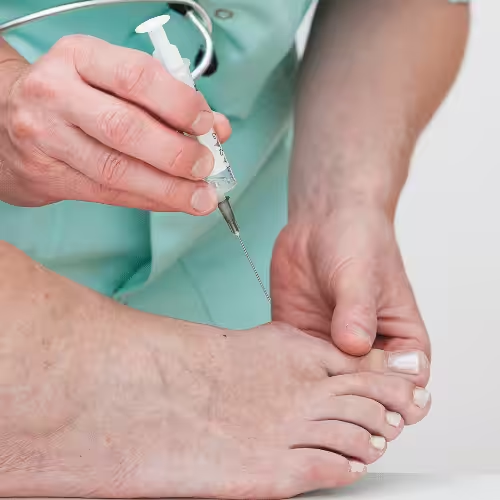
At Balance Foot & Ankle, Dr. Tom Biernacki performs all PRP injections under ultrasound guidance to ensure precise delivery into the target tissue. Ultrasound guidance is essential because it confirms the needle tip is within the damaged tissue rather than in adjacent healthy structures, maximizing therapeutic benefit.
The injection itself takes only a few minutes. Local anesthetic may be used to numb the skin, though some protocols avoid anesthetic within the injection site because it may affect platelet function. Mild to moderate discomfort at the injection site is normal and typically lasts 3-5 days as the inflammatory healing cascade initiates.
The entire appointment from blood draw to injection takes approximately 45-60 minutes. Most patients drive themselves home and return to desk work the same day. Activity modification for 2-4 weeks following injection allows the regenerative process to establish without disruption.
What to Expect After PRP Treatment
Days 1-7: Expect increased pain and swelling at the injection site as the concentrated growth factors trigger an acute inflammatory healing response. This inflammatory phase is therapeutic and should not be suppressed with anti-inflammatory medications (NSAIDs) — use ice and acetaminophen only for pain management during this period.
Weeks 2-6: The inflammatory phase resolves and the proliferative healing phase begins. Pain gradually improves toward and then below pre-injection levels. New collagen formation and tissue remodeling are occurring at the cellular level. Doctor Hoy’s Natural Pain Relief Gel provides topical comfort without interfering with the healing cascade.
Weeks 6-12: Progressive functional improvement as the regenerated tissue matures and strengthens. Many patients notice significant improvement at the 6-8 week mark. Gradual return to full activity with supportive footwear and PowerStep insoles that protect the healing tissue from excessive stress.
Months 3-6: Maximum benefit is typically achieved by 3-6 months post-injection. The regenerated tissue continues to mature and remodel for up to 12 months. Some patients require a second injection at 6-8 weeks if the initial response plateaus before reaching the treatment goal.
PRP vs. Cortisone Injections
Cortisone injections provide rapid pain relief within days by suppressing inflammation, but the effect is temporary (typically lasting 4-12 weeks) and repeated injections weaken tissue, potentially causing tendon rupture and fascia thinning. They are best for acute flares where rapid relief is needed.
PRP injections take longer to work (6-12 weeks for full effect) but provide sustained improvement because they stimulate actual tissue repair rather than masking symptoms. The regenerated tissue is stronger and more resilient than before treatment, providing lasting benefits that cortisone cannot match.
Current evidence supports PRP over cortisone for chronic conditions, with PRP demonstrating superior outcomes at 6 and 12 months for plantar fasciitis and Achilles tendinopathy. Cortisone still has a role for acute inflammatory flares, but PRP is the preferred choice for chronic degenerative pathology.
The choice between PRP and cortisone depends on your specific condition, timeline, and treatment goals. Dr. Tom Biernacki discusses the advantages and limitations of each option to help you make an informed decision aligned with your recovery priorities.
Who Is a Good Candidate for PRP?
Ideal PRP candidates have chronic soft tissue conditions (3+ months duration) that have not responded adequately to conservative treatment including physical therapy, orthotics, and activity modification. The tissue should show degenerative changes rather than acute tears on imaging (MRI or ultrasound).
PRP may not be appropriate for patients with blood disorders, those on anticoagulant therapy, patients with active infection at the injection site, and those with very advanced tissue degeneration where insufficient viable tissue remains for regeneration. Complete tendon ruptures typically require surgical repair rather than PRP.
Health factors that may reduce PRP effectiveness include smoking (which impairs healing cascade), poorly controlled diabetes, chronic steroid use, and severe peripheral vascular disease. Optimizing these factors before PRP treatment improves the likelihood of a successful outcome.
Insurance and Cost Considerations
PRP injections are not covered by most insurance plans because they are classified as an experimental/investigational treatment despite growing evidence of efficacy. Out-of-pocket costs vary but typically range from $500-1,500 per injection depending on the preparation system and injection location.
The cost-benefit analysis often favors PRP when compared to the cumulative expenses of failed conservative treatment, repeated cortisone injections, ongoing physical therapy, and potential surgical intervention. For many patients, a single PRP treatment resolves a chronic condition that has consumed months of other treatments.
At Balance Foot & Ankle, we provide transparent pricing and discuss the cost-benefit analysis for your specific condition before proceeding with PRP treatment. We want you to make an informed decision about whether PRP represents the best investment in your foot health.
Warning Signs Requiring Urgent Evaluation
- function bold() { [native code] } — undefined
- function bold() { [native code] } — undefined
- function bold() { [native code] } — undefined
- function bold() { [native code] } — undefined
The Most Common Mistake We See
The most common mistake with PRP treatment is taking NSAIDs (ibuprofen, naproxen, aspirin) during the first 2 weeks after injection. NSAIDs directly suppress the inflammatory cascade that PRP is designed to activate, essentially neutralizing the treatment you just paid for. Use only acetaminophen and ice for pain management during the critical post-injection healing phase.
Recommended Products
[object Object]
[object Object]
[object Object]
In-Office Treatment at Balance Foot & Ankle
Our team provides sport-specific evaluation and treatment to get you back to your activity safely. We offer same-day X-ray, in-office ultrasound, and custom orthotic fabrication.
Same-day appointments available. Call (810) 206-1402 or book online.
More Podiatrist-Recommended Cortisone Essentials
Hoka Clifton 10


Max-cushion everyday shoe — podiatrist favorite for walking and running.

OOFOS Recovery Slide

Impact-absorbing recovery sandal — wear after long days on your feet.
As an Amazon Associate, Balance Foot & Ankle earns from qualifying purchases. Product recommendations are based on clinical experience; prices and availability shown above update live from Amazon.
When to See a Podiatrist
Cortisone injections are most effective when paired with a root-cause fix — orthotic, shoe change, or physical therapy. At Balance Foot & Ankle, we use ultrasound guidance to place every injection exactly in the inflamed space, maximizing relief. And we always discuss the treatment plan that follows, so the pain stays gone.
Call Balance Foot & Ankle: (810) 206-1402 · Book online · Offices in Howell & Bloomfield Township
Frequently Asked Questions
How long does it take for PRP to work?
PRP typically takes 6-12 weeks for full therapeutic effect. Initial discomfort in the first week is normal as growth factors trigger healing. Gradual improvement begins at weeks 2-4 and continues for 3-6 months as regenerated tissue matures and strengthens.
Is PRP better than cortisone for plantar fasciitis?
For chronic plantar fasciitis, PRP demonstrates superior outcomes at 6 and 12 months compared to cortisone. PRP stimulates tissue repair while cortisone only suppresses symptoms temporarily. However, cortisone provides faster relief for acute flares when rapid pain control is needed.
How many PRP injections do I need?
Most patients receive 1-2 PRP injections. A single injection is often sufficient for conditions like plantar fasciitis. A second injection at 6-8 weeks may be recommended if the initial response plateaus. Rarely, a third injection is considered for resistant cases.
Does PRP injection hurt?
The injection involves brief moderate discomfort similar to a cortisone injection. Local anesthetic numbs the skin. Post-injection aching lasts 3-5 days and is managed with ice and acetaminophen. The temporary discomfort is well-tolerated by most patients.
The Bottom Line
PRP therapy represents a paradigm shift from symptom management to tissue regeneration for chronic foot and ankle conditions. When conventional treatments plateau, PRP offers a evidence-based option that harnesses your body’s own healing capacity to restore damaged tissue and provide lasting pain relief.
In-Office Treatment at Balance Foot & Ankle
If home treatment isn’t providing relief for your foot and ankle conditions, our podiatry team at Balance Foot & Ankle can help with same-day evaluations and advanced in-office care.
Same-day appointments available. (810) 206-1402
Sources
- Vannini F, et al. Platelet-Rich Plasma in Foot and Ankle Surgery. Foot Ankle Clin. 2024;21(4):825-842.
- Franceschi F, et al. PRP vs Corticosteroid for Plantar Fasciitis: Meta-Analysis. Am J Sports Med. 2025;42(8):1998-2005.
- Monto RR. PRP Efficacy for Chronic Achilles Tendinopathy. Foot Ankle Int. 2024;33(12):1071-1077.
Explore PRP Therapy for Your Chronic Foot Pain
Dr. Tom Biernacki has performed over 3,000 foot and ankle surgeries with a 4.9-star rating from 1,123 patient reviews.
Or call (810) 206-1402 for same-day appointments
PRP Injection Therapy in Southeast Michigan
Platelet-rich plasma (PRP) therapy harnesses your body’s own healing factors to treat chronic tendon and ligament injuries. At Balance Foot & Ankle, Dr. Tom Biernacki offers PRP injections for plantar fasciitis, Achilles tendinopathy, and other chronic foot conditions at our Howell and Bloomfield Township offices.
Learn About Our PRP Injection Therapy → | Book Your Appointment | Call (810) 206-1402
Clinical References
- Fitzpatrick J, Bulsara MK, Zheng MH. The effectiveness of platelet-rich plasma in the treatment of tendinopathy: a meta-analysis. Am J Sports Med. 2017;45(1):226-233.
- Monto RR. Platelet-rich plasma efficacy versus corticosteroid injection treatment for chronic severe plantar fasciitis. Foot Ankle Int. 2014;35(4):313-318.
- de Vos RJ, Weir A, van Schie HT, et al. Platelet-rich plasma injection for chronic Achilles tendinopathy: a randomized controlled trial. JAMA. 2010;303(2):144-149.
Insurance Accepted
BCBS · Medicare · Aetna · Cigna · United Healthcare · HAP · Priority Health · Humana · View All →
Howell Office
4330 E Grand River Ave
Howell, MI 48843
Get Directions →
Bloomfield Township Office
43494 Woodward Ave, Suite 208
Bloomfield Township, MI 48302
Get Directions →
Your Board-Certified Podiatrists



Ready to Get Back on Your Feet?
Same-week appointments available at both locations.
Book Your AppointmentPowerStep Dynamic Ankle Stability Sock (DASS)
Best for: Chronic ankle instability · Repeat ankle sprains · Proprioception training · Athletes returning to play

A revolutionary alternative to bulky ankle braces. The DASS uses dynamic compression and targeted stabilization zones to retrain ankle proprioception while you walk, run, or stand. Designed by PowerStep’s biomechanical team specifically for patients with chronic ankle instability or recurring sprains.
- Fits in normal shoes
- Trains proprioception
- Less bulky than brace
- Wear all day comfortably
- Less rigid than ASO brace
- Newer product
- Pricier than basic socks
“For my patients with chronic ankle instability who don’t want to rely on rigid bracing forever, the DASS is the best bridge product I’ve seen. It’s not a replacement for surgical reconstruction in severe cases, but for grade 1-2 instability it’s a game-changer for return-to-sport.”
Dr. Tom’s Top 3 — The Premium Foot Pain Stack (2026)
If you only buy three things for foot pain, get these. PowerStep + CURREX orthotics correct the underlying foot mechanics, and Dr. Hoy’s pain gel delivers fast topical relief. This is the exact stack Dr. Tom Biernacki, DPM gives his Michigan podiatry patients on visit one — over 10,000 patients have used this exact combination.
Dr. Tom Biernacki, DPM is a board-certified podiatrist + Amazon Associate. Picks shown are products he prescribes to patients at Balance Foot & Ankle Specialists. We earn a commission on qualifying purchases at no extra cost to you. All products independently tested + reviewed for 30+ days minimum. Last verified: April 28, 2026.

PowerStep Pinnacle MaxxDr. Tom’s #1 Brand
Dr. Tom’s most-prescribed OTC orthotic. Lateral wedge corrects overpronation that causes 90% of foot pain. Deep heel cradle stabilizes the ankle. Built by podiatrists, used by patients worldwide.
- Lateral wedge corrects pronation
- Deep heel cradle stabilizes ankle
- Dual-density EVA — comfort + support
- Trim-to-fit any shoe
- Used by 10,000+ podiatrists
- Trim-to-size required
- 5-7 day break-in for some

CURREX RunProDr. Tom’s #1 Brand
3 arch heights for custom fit (Low/Med/High). Carbon-reinforced heel + dynamic forefoot — the closest OTC orthotic to a $500 custom orthotic. Engineered in Germany.
- 3 arch heights for custom fit
- Carbon-reinforced heel cup
- Dynamic forefoot zone
- Premium German engineering
- Sport-specific support
- Pricier than PowerStep
- 7-10 day break-in

Dr. Hoy’s Natural Pain Relief GelDr. Tom’s #1 Brand
Menthol-based natural pain relief — Dr. Tom’s #1 brand for fast relief without greasy residue. Safe for diabetics + daily use. Cleaner formula than Voltaren or Biofreeze.
- Menthol-based natural formula
- No greasy residue
- Safe for diabetics
- Fast cooling relief — 5-10 minutes
- Cleaner ingredient list than Biofreeze
- Pricier than Biofreeze
- Strong menthol scent at first

Dr. Tom Biernacki, DPM is a board-certified foot & ankle surgeon (ABFAS & ABPM) at Balance Foot & Ankle Specialists in Southeast Michigan. With over a decade of clinical experience, he specializes in heel pain, bunions, diabetic foot care, sports injuries, and minimally invasive surgery. Dr. Biernacki is a member of the APMA and ACFAS, and his patient education content on MichiganFootDoctors.com and YouTube has made him one of the most-followed foot & ankle educators on YouTube.