
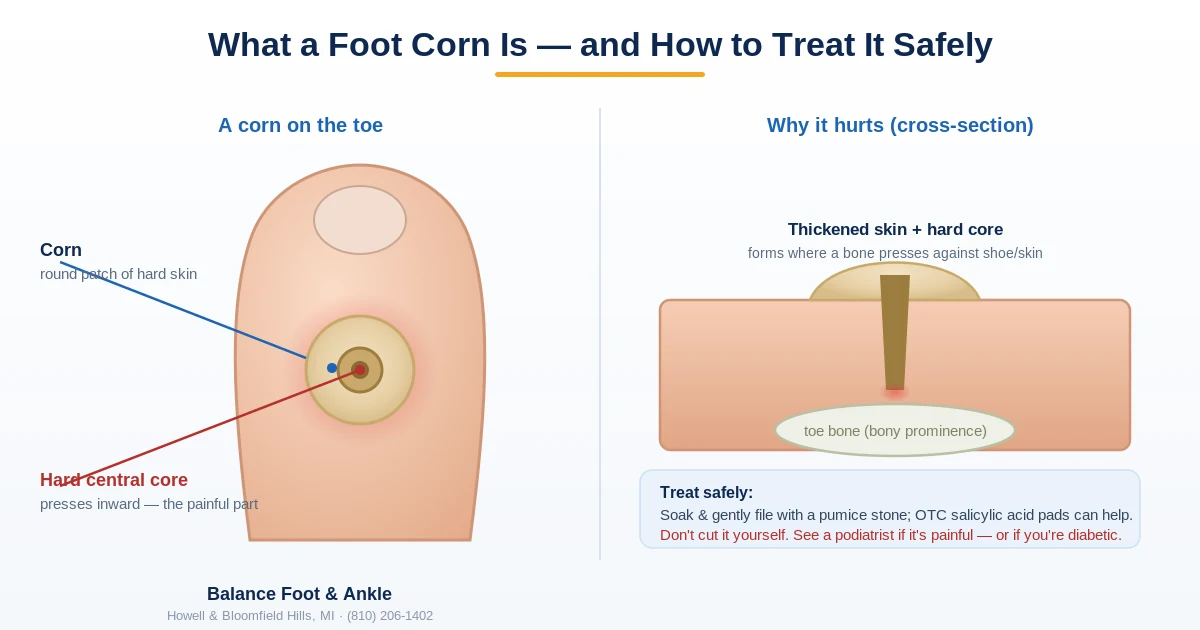
Corn typically responds to early podiatrist evaluation, conservative treatments like supportive footwear and targeted stretching, and—when needed—custom orthotics. Most patients see improvement within 4-6 weeks of starting a treatment plan. Severe or persistent symptoms warrant in-person assessment to rule out structural issues. Contact our Howell or Bloomfield Township office for a same-week evaluation.
★ 4.9 Stars · 1,123+ Reviews · Balance Foot & Ankle Michigan
Corn Callus Treatment
Board-certified podiatrists in Howell & Bloomfield Township, MI. 4.9★ rated · Same-week appointments · Most insurance accepted · (810) 206-1402.
Medically reviewed by Dr. Tom Biernacki, DPM, FACFAS — Board-certified podiatric surgeon. Corn Callus Treatment Michigan specialist, Balance Foot & Ankle Michigan. Updated 2026.
Watch: Corns and Calluses
Dr. Tom Biernacki, DPM explains the clinical basics — then covers what we do differently in our Howell and Bloomfield Township clinics. Subscribe on YouTube for weekly walkthroughs.
Expert Corn Callus Treatment Michigan at Balance Foot & Ankle
Balance Foot & Ankle provides expert corn callus treatment michigan in Howell and Bloomfield Township, MI. Our board-certified podiatric surgeons have treated 50,000+ Michigan patients. Same-week appointments. Book online or call (810) 206-1402.
Table of Contents

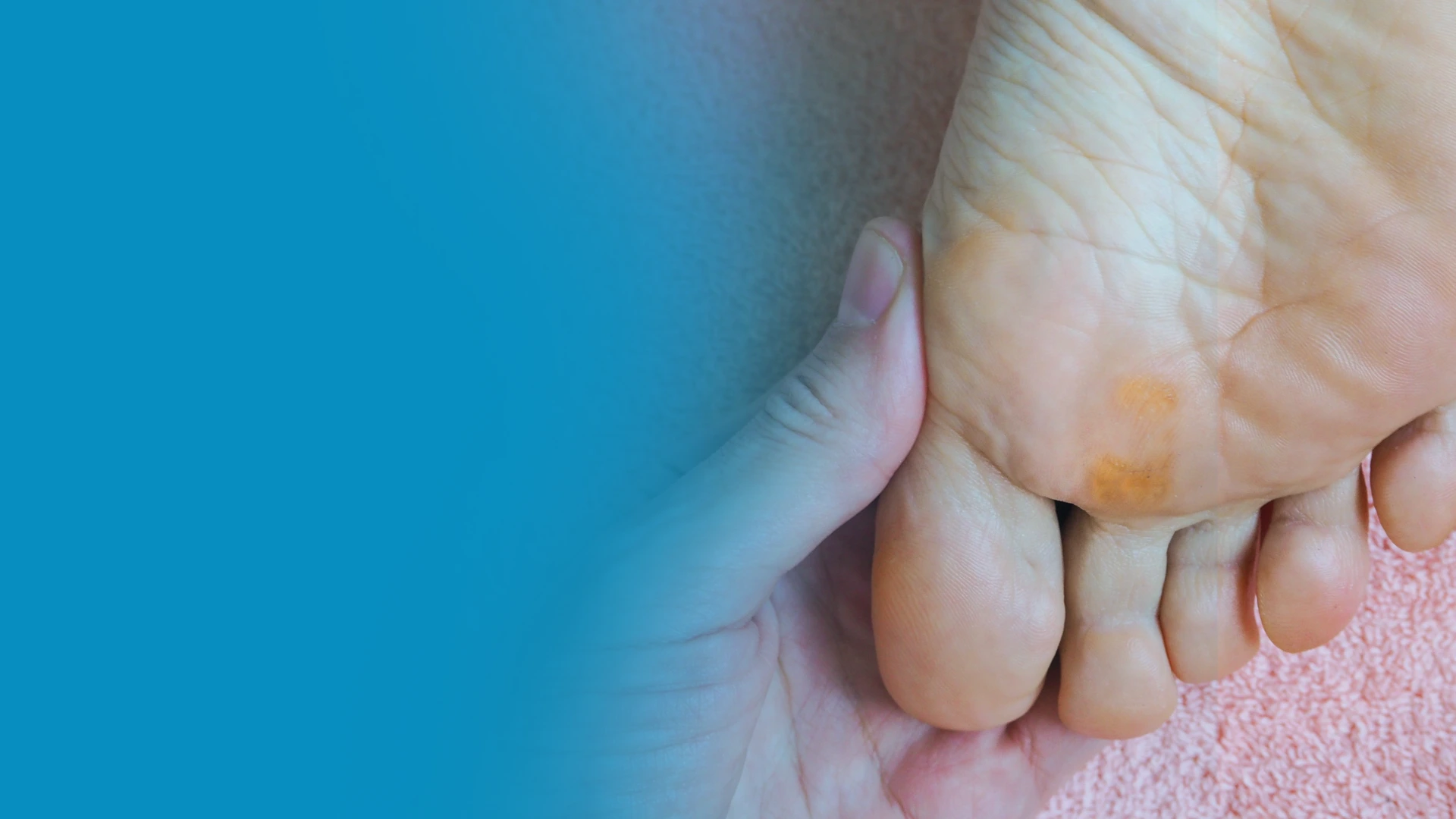
When to See a Podiatrist
If foot or ankle pain has been bothering you for more than a few weeks, home care alone may not be enough. Balance Foot & Ankle offers same-week appointments at our Howell and Bloomfield Township clinics — no referral needed in most cases. Bring your current shoes and a short list of symptoms and we’ll build you a treatment plan in one visit.
Call Balance Foot & Ankle: (810) 206-1402 · Book online · Offices in Howell & Bloomfield Township
Get Expert Corn Callus Treatment Michigan Today
Same-week appointments in Howell & Bloomfield Township. 4.9★ | 1,123+ Reviews.
Or call: (810) 206-1402
MEDICALLY REVIEWED
Reviewed by Dr. Tom Biernacki, DPM — Board-Certified Podiatrist | Last updated: April 2026
Corn & Callus Treatment in Michigan
Professional Removal & Prevention by Board-Certified Podiatrists
3
Board-Certified DPMs
Expert foot care specialists
Same-Day
Appointments Available
Emergency relief when you need it
2
Michigan Locations
Howell & Bloomfield Township
Most
Insurance Plans Accepted
Affordable, accessible care
Quick Answer
Professional corn and callus removal takes 15–30 minutes and provides immediate pain relief. Our podiatrists use safe, proven techniques to eliminate thick skin, reduce pressure, and prevent recurrence with custom orthotics and footwear guidance.
What Are Corns and Calluses?
Corns and calluses are areas of thickened, hardened skin that develop as a protective response to repeated friction, pressure, or irritation. While they’re not inherently dangerous, they can become painful and may hide underlying structural issues in your feet. Understanding the different types is essential for proper treatment.
Calluses (Hyperkeratotic Patches)
Calluses are broad, flattened areas of thick skin that typically develop on weight-bearing surfaces of the feet—particularly the heels, balls of the feet, and outer edges. They are the body’s natural response to pressure and friction over time. While calluses themselves are protective, excessive thickness can trap bacteria, reduce sensation, and become uncomfortable, especially in patients with diabetes or neuropathy.
Hard Corns (Heloma Durum)
Hard corns are small, dense, cone-shaped growths that typically form on the tops or outer sides of the toes, especially the fifth toe (pinky toe). They develop where bone protrusions (such as those from hammertoes or bunions) press against shoe leather or against adjacent toes. Hard corns can be extremely painful, particularly when wearing shoes, and often signal an underlying structural deformity that requires professional evaluation.
Soft Corns (Heloma Molle)
Soft corns form in the webbing between toes, most commonly in the fourth and fifth web space (between the fourth and fifth toes). Moisture from perspiration keeps these areas soft, hence the name. Soft corns are particularly prone to infection and maceration (breakdown of skin) because of the warm, damp environment. They are often painful and may require special separators to prevent recurrence.
Seed Corns
Seed corns are small, discrete calluses on the bottom of the feet that may appear as tiny, hard spots with minimal surrounding callus. They often develop on pressure points and can be tender. The cause is not always clear, though they are sometimes associated with friction from walking barefoot or wearing thin-soled shoes.
What Causes Corns and Calluses?
Corns and calluses develop through a combination of biomechanical, mechanical, and environmental factors. Understanding the root cause is critical for effective, long-term treatment and prevention.
1. Abnormal Foot Mechanics & Structural Deformity
Structural abnormalities in the foot redistribute weight unevenly, concentrating pressure on specific areas:
- Hammertoes — Bent toe joints create prominent pressure points on the top of the toe.
- Bunions — A bony bump at the base of the big toe shifts weight and creates friction against footwear.
- High Arches (Cavus Feet) — Reduced weight distribution across the forefoot concentrates pressure on the ball of the foot and heel.
- Flat Feet (Pes Planus) — Excessive pronation and inward rotation cause abnormal pressure on the inner foot and heel.
- Leg Length Discrepancy — Unequal limb length forces compensation, creating asymmetrical pressure patterns.
2. Ill-Fitting Footwear
Shoes that do not accommodate the foot’s shape and biomechanics are a major contributor to corn and callus formation:
- Too Tight or Narrow — Constrictive shoes compress the toes and sides of the foot, creating friction.
- Shallow Toe Box — Insufficient vertical space forces toes into the shoe top.
- High Heels — Shoes with heels higher than 2 inches push the foot forward, increasing metatarsal head pressure.
- Worn-Out Shoes — Loss of cushioning and arch support increases pressure on the sole.
- Loose Shoes — Paradoxically, loose shoes cause the foot to slide, creating excessive friction.
3. Activity & Occupational Factors
Certain activities and occupations increase friction and pressure:
- Running or High-Impact Sports — Repetitive stress on the feet accelerates callus formation.
- Walking or Standing for Extended Periods — Occupations like healthcare, retail, or manufacturing involve prolonged pressure.
- Manual Labor — Dirty or abrasive environments increase friction.
Special Risk Factors: Diabetes & Neuropathy
Patients with diabetes or peripheral neuropathy face significantly increased risk of complications from corns and calluses:
- Loss of Sensation — Numbness prevents patients from noticing pain, leading to continued friction and skin breakdown.
- Poor Wound Healing — Diabetes impairs the body’s ability to repair damaged skin, increasing infection risk.
- Ulceration Risk — What begins as a callus can progress to an open ulcer if not properly managed, potentially leading to serious infection or amputation.
If you have diabetes or neuropathy, professional foot care is not optional—it’s essential for preventing serious complications.
Professional Corn & Callus Removal: What to Expect
At Balance Foot & Ankle Specialists, our podiatrists use evidence-based techniques to safely remove corns and calluses while identifying and addressing underlying causes to prevent recurrence.
1. Comprehensive Foot Assessment
Your appointment begins with a thorough evaluation. Your podiatrist will examine your feet, assess your gait, review your medical history (especially if you have diabetes or neuropathy), and discuss your footwear and activity level. This assessment helps identify the root cause so we can develop a prevention plan tailored to you.
2. Professional Debridement (Removal)
Using sterile instruments, your podiatrist will carefully remove the thickened, hardened skin using a combination of techniques:
- Scalpel Debridement — A sharp surgical blade allows precise removal of hardened skin layers.
- Curette Technique — A special instrument scrapes away the corn or callus without damaging healthy skin.
- Pumice or Paring — For thicker calluses, additional methods may be used to achieve optimal smoothness.
This process is quick (typically 15–30 minutes), painless, and provides immediate relief. The removed tissue is disposed of properly.
3. Padding, Protection & Aftercare
After removal, your podiatrist may apply protective padding to reduce friction and pressure on the treated area. You’ll receive detailed aftercare instructions, including when to resume normal activities, how to keep the area clean and dry, and what to watch for.
4. Long-Term Prevention Planning
Removing a corn or callus is only half the solution. To prevent recurrence, your podiatrist will:
- Recommend proper footwear (wider toe box, appropriate heel height, cushioned insoles).
- Discuss structural corrections (such as custom orthotics or possible surgery for severe hammertoes or bunions).
- Schedule follow-up visits for periodic professional maintenance if needed.
- Address any underlying biomechanical issues through gait analysis or orthotic prescription.
Special Considerations: Corns & Calluses in Diabetic Patients
If you have diabetes, professional management of corns and calluses is critical to prevent serious complications.
If you have diabetes or poor circulation, this is the one foot problem you should never trim at home — a professional reduction is far safer. You don’t need to wait for the office to open to arrange it: book our Howell office or Bloomfield Township online, any hour.
Why Diabetes Changes Everything
- Peripheral Neuropathy — High blood sugar damages nerves, causing numbness or altered sensation in the feet. You may not feel a corn or callus forming, or pain that would normally alert you to a problem.
- Impaired Wound Healing — Diabetes slows the body’s ability to repair skin damage, making even small breaks in the skin susceptible to infection.
- Increased Infection Risk — High blood glucose levels create an environment where bacteria thrive. A simple callus can quickly become infected if the skin is broken.
- Ulceration & Amputation Risk — Without proper care, a small callus or corn can progress to an open ulcer, leading to serious infection, hospitalization, or loss of the limb.
Our Diabetic-Specific Treatment Protocols
- Conservative Debridement — We remove only necessary tissue using gentle techniques to avoid damaging healthy skin.
- Protective Padding — Extra cushioning and pressure-relief strategies to prevent recurrence.
- Diabetic-Appropriate Footwear — Recommendations for shoes designed specifically for diabetic feet (roomier, cushioned, minimally seamed).
- Diabetic Shoes & Inserts — Custom orthotics and diabetic shoe prescriptions to offload pressure points and prevent future issues.
- Patient Education — Detailed instructions on daily foot inspection, hygiene, and when to seek immediate care.
- Regular Monitoring — Scheduled follow-up visits to catch any changes early and prevent complications.
Call Immediately If You Notice:
- Redness, swelling, or warmth around the corn or callus
- Open sores, drainage, or bleeding
- Increased pain or signs of infection
- Any change in the appearance or feel of your feet
Custom Orthotics: The Key to Prevention
While professional removal provides immediate relief, custom orthotics are often the best long-term solution for preventing corn and callus recurrence. Our podiatrists use advanced technology and clinical expertise to design orthotic solutions specifically for your feet.
How We Design Your Custom Orthotics
- Digital Gait Analysis — High-speed video and pressure mapping technology show exactly how your foot moves and where pressure concentrates during walking and running.
- 3D Foot Scanning — Computer imaging captures the precise contours of your foot to ensure a perfect, custom fit.
- Biomechanical Assessment — We evaluate your arch type, alignment, and any structural abnormalities to guide orthotic design.
- Custom Fabrication — Orthotics are precisely manufactured to your specifications using premium materials that provide support, cushioning, and pressure relief.
Specialized Orthotic Features
- Metatarsal Pads — Placed beneath the ball of the foot to redistribute pressure and reduce callus formation on the metatarsal heads.
- Cushioned Forefoot Areas — Extra padding in high-pressure zones to absorb shock and reduce friction.
- Heel Cups — Contoured support for the heel to reduce plantar pressure and stabilize the foot.
- Arch Support — Appropriate arch height and firmness to correct overpronation or supination and normalize weight distribution.
- Morton’s Extension — For patients with certain toe deformities, a rigid forefoot extension can redistribute pressure and protect sensitive areas.
Results You Can Expect
Patients typically notice significant improvement within 2–4 weeks of wearing custom orthotics, including:
- Reduced corn and callus formation
- Improved comfort and reduced foot pain
- Better weight distribution and biomechanics
- Prevention of future complications from bunions, hammertoes, or other structural issues
Ready to Get Relief?
Schedule your appointment today for professional corn and callus treatment. Most new patients are seen the same week.
Book Online — Howell Book Online — Bloomfield TownshipFrequently Asked Questions
How long does professional corn and callus removal take?
Professional debridement typically takes 15–30 minutes, depending on the size and number of corns or calluses being treated, as well as the need for additional assessments or orthotic consultations. Most patients can return to normal activities immediately, though we recommend avoiding strenuous exercise for 24 hours.
Will my corn or callus come back after professional removal?
It may recur if the underlying cause (abnormal foot mechanics, ill-fitting shoes, structural deformity) is not addressed. This is why we develop a thorough prevention plan for every patient, including footwear recommendations, custom orthotics if needed, and periodic professional maintenance. With proper prevention, most patients experience significant reduction in recurrence.
Is it safe to cut corns or calluses at home?
We strongly advise against self-treatment. Cutting or filing corns and calluses with non-sterile instruments risks infection, bleeding, and scarring. This is especially dangerous for patients with diabetes, neuropathy, or compromised immune function. Professional removal uses sterile, calibrated instruments and proper technique. If you have diabetes or reduced sensation, home treatment can be life-threatening. Always see a podiatrist.
Is corn and callus removal covered by insurance?
Most insurance plans cover professional corn and callus removal (debridement) when medically necessary. Coverage varies by plan and individual circumstances. We accept most insurance plans and are happy to verify your coverage before your appointment. Our billing team can answer specific questions about your out-of-pocket costs. Book online or call (810) 206-1402 to check your benefits.
How do I tell the difference between a corn and a plantar wart?
Both appear as raised lesions on the foot, but they are different conditions. Corns are thickened skin (callus) with a hard center caused by pressure. Plantar warts are caused by the human papillomavirus (HPV) and have characteristic features like tiny black dots (thrombosed blood vessels) or a cauliflower-like surface. Warts are contagious and require different treatment. A podiatrist can accurately distinguish between the two during an examination and recommend appropriate treatment. Don’t guess—see a professional for diagnosis.
Related Conditions & Treatments
Hammertoe Treatment
Bent toe joints cause corns and pressure points. Learn about conservative and surgical options.
Bunion Treatment
Bony bumps at the big toe base create calluses and pain. Discover our treatment options.
Plantar Wart Removal
HPV-caused warts can mimic corns. Get professional diagnosis and treatment options.
Heel Pain & Plantar Fasciitis
Heel calluses and pain are often linked to plantar fasciitis. We treat the root cause.
Diabetic Foot Care
Diabetes requires specialized foot care. Learn about prevention and management.
Custom Orthotics
Prescription shoe inserts correct biomechanics and prevent corns, calluses, and other foot issues.
Flat Feet & Arch Support
Flat feet cause abnormal pressure distribution and calluses. Custom support restores proper alignment.
High Arches (Cavus Feet)
High arches concentrate pressure on the ball and heel, leading to calluses. Specialized orthotics help.
Get Professional Relief Today
Our board-certified podiatrists specialize in quick, effective corn and callus removal. Schedule your appointment now for same-day relief and long-term prevention.
Call (810) 206-1402 Book Online — Howell Book Online — Bloomfield TownshipOur Michigan Locations
Howell
Balance Foot & Ankle Specialists
4330 E Grand River Ave
Howell, MI 48843
Hours: Mon–Fri 9:00 AM – 4:30 PM
Fax: 833-450-6201
Bloomfield Township
Balance Foot & Ankle Specialists
43494 Woodward Ave #208
Bloomfield Township, MI 48302
Hours: Mon–Fri 9:00 AM – 4:30 PM
Fax: 833-450-6201
Meet Our Podiatrists
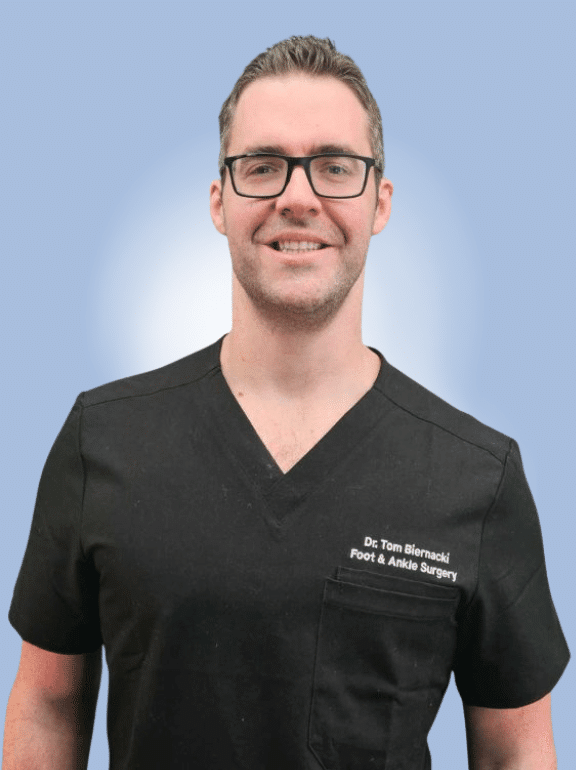
Dr. Tom Biernacki
DPM, Board-Certified Podiatrist
With extensive experience in corn and callus treatment, diabetic foot care, and custom orthotics, Dr. Biernacki is committed to comprehensive foot health.
Schedule Status: Limited availability
View Profile
Dr. Carl Jay
DPM, Board-Certified Podiatrist
Dr. Jay specializes in all aspects of foot and ankle care, including professional corn and callus treatment and prevention strategies.
Schedule Status: Accepting new patients
View Profile
Dr. Daria Gutkin
DPM AACFAS, Board-Certified Podiatrist
Board-certified and fellowship-trained, Dr. Gutkin provides advanced foot and ankle care, including surgical and non-surgical treatment options.
Schedule Status: Accepting new patients
View ProfileMedical Sources & References
This page is medically reviewed and based on evidence-based clinical practices and peer-reviewed literature:
- American Podiatric Medical Association (APMA) — Corn and Callus Treatment Guidelines
- Maceira, E., et al. (2018). “Classification of Corns and Calluses: A New Approach.” Journal of the American Podiatric Medical Association, 108(1), 20-27.
- Yetkin, H., & Duteille, F. (2016). “Plantar Keratoderma: A Review.” Journal of Foot and Ankle Surgery, 55(6), 1167-1174.
- Bus, S. A., et al. (2015). “Diabetic Foot Ulcer Prevention and Care.” The Lancet Diabetes & Endocrinology, 3(9), 688-697.
- American Diabetes Association — Standards of Medical Care in Diabetes (Foot Care Section)
- International Society of Biomechanics — Guidelines for Gait Analysis and Orthotic Prescription
Medical Disclaimer
This content is for informational purposes only and does not constitute medical advice. Corns and calluses can occasionally indicate more serious underlying conditions. Do not attempt home treatment if you have diabetes, neuropathy, or compromised circulation. Always consult a qualified podiatrist or healthcare provider for proper diagnosis, evaluation, and treatment. Balance Foot & Ankle Specialists and its providers are not liable for any diagnosis, treatment, or outcomes resulting from self-diagnosis or delay in professional care. If you experience severe pain, infection, or signs of complications, seek immediate medical attention.
Related Treatments You May Need
“I had painful corns that made it hard to walk. The treatment was quick and painless, and the doctors gave me tips to prevent them from coming back. Highly recommend!”
— David R., Corn & Callus Patient
Serving Patients Across Southeast Michigan
Balance Foot & Ankle provides expert podiatric care from two convenient locations. Our Howell office serves patients from Brighton, Hartland, Fowlerville, Pinckney, Fenton, Hamburg, Whitmore Lake, South Lyon, and throughout Livingston County. Our Bloomfield Township office serves Birmingham, Troy, West Bloomfield, Pontiac, Farmington Hills, Southfield, Royal Oak, Clarkston, Lake Orion, Rochester Hills, Waterford, Commerce Township, Novi, and Walled Lake across Oakland County.
Howell Office
4330 E Grand River Ave
Howell, MI 48843
Get Directions →
Bloomfield Township Office
43494 Woodward Ave #208
Bloomfield Township, MI 48302
Get Directions →
Your Board-Certified Podiatrists

Ready to Get Back on Your Feet?
Same-week appointments available at both locations.
Book Online — Howell Book Online — Bloomfield TownshipBoard-certified care at both Michigan locations
Book your visit today
Most insurance accepted · On-site X-ray · Board-certified podiatrists
Howell · (810) 206-1402 Bloomfield · (810) 206-1402Corn & Callus Treatment Michigan — Permanent Relief
Dr. Biernacki explains the difference between corns and calluses, why they form, and why professional podiatric treatment provides permanent relief when home treatments fail.
Frequently Asked Questions
What is the difference between a corn and a callus?
Calluses are broad, flat areas of thickened skin from diffuse pressure — typically on the ball of the foot or heel. Corns are smaller, focused areas with a hard central core — most often on toe tops (hard corns) or between toes (soft corns). Both form from friction and pressure, but corns penetrate deeper and are more painful.
Are medicated corn pads safe to use?
Medicated corn pads (salicylic acid) are not safe for diabetic patients, people with neuropathy, or those with poor circulation — they can cause chemical burns and serious wounds. For healthy patients, they provide temporary softening but don’t address the underlying pressure cause, so corns recur. Professional debridement plus pressure redistribution is more effective.
How can I prevent corns and calluses from coming back?
Permanent prevention requires addressing the cause: custom orthotics redistribute pressure away from high-load areas; properly fitted shoes with adequate width and depth; toe alignment for hammertoe or bunion deformities that create pressure points; and regular podiatry debridement every 6–8 weeks for high-risk patients.
Watch Dr. Tom on Corn & Callus
Dr. Tom on corn and callus treatment — professional debridement, home protocol, shoes and orthotics that prevent recurrence.
Book Online — Howell Book Online — Bloomfield Township (810) 206-1402
Related from Balance Foot & Ankle
Corn — Frequently Asked Questions
When should I see a podiatrist for corn?
If symptoms persist beyond 2 weeks of self-care, interfere with daily activity, or worsen suddenly, schedule a podiatrist evaluation. Early intervention typically shortens recovery and prevents chronic compensation patterns.
Will I need imaging or surgery?
Most corn cases resolve with conservative care—custom orthotics, supportive shoe changes, anti-inflammatory protocols, and targeted physical therapy. Imaging (X-ray, ultrasound, MRI) is reserved for cases that fail conservative treatment or when structural pathology is suspected. Surgery is rarely the first option.
Does insurance cover corn treatment in Michigan?
Most major Michigan insurance plans (BCBS, BCN, Priority Health, HAP, Medicare, Medicaid HMOs, United, Aetna, Cigna) cover medically necessary podiatric care. Custom orthotics may have separate DME coverage rules. Our team verifies your specific benefits before your visit.
Related Treatments at Balance Foot & Ankle
Common conditions we treat in our Howell and Bloomfield Township offices.
More questions patients ask
Should I try to remove a corn or callus at home?
Over-the-counter corn removal pads contain salicylic acid which can damage surrounding skin and cause infections, especially in diabetics. Professional removal by a podiatrist is safer and prevents recurrence by addressing the underlying cause.
Still have a question about coverage or cost? Book online and we will check your benefits before your visit: Book in Howell · Book in Bloomfield Township. Prefer to talk it through first? Call (810) 206-1402.