

Hammertoe typically responds to early podiatrist evaluation, conservative treatments like supportive footwear and targeted stretching, and—when needed—custom orthotics. Most patients see improvement within 4-6 weeks of starting a treatment plan. Severe or persistent symptoms warrant in-person assessment to rule out structural issues. Contact our Howell or Bloomfield Hills office for a same-week evaluation.
★ 4.9 Stars · 1,123+ Reviews · Balance Foot & Ankle Michigan
Hammertoe Treatment
Board-certified podiatrists in Howell & Bloomfield Hills, MI. 4.9★ rated · Same-week appointments · Most insurance accepted · (810) 206-1402.
Medically reviewed by Dr. Tom Biernacki, DPM, FACFAS — Board-certified podiatric surgeon. Hammertoe Treatment Michigan specialist, Balance Foot & Ankle Michigan. Updated 2026.
Expert Hammertoe Treatment Michigan at Balance Foot & Ankle
Balance Foot & Ankle provides expert hammertoe treatment michigan in Howell and Bloomfield Hills, MI. Our board-certified podiatric surgeons have treated 50,000+ Michigan patients. Same-week appointments. Call (810) 206-1402.
Table of Contents
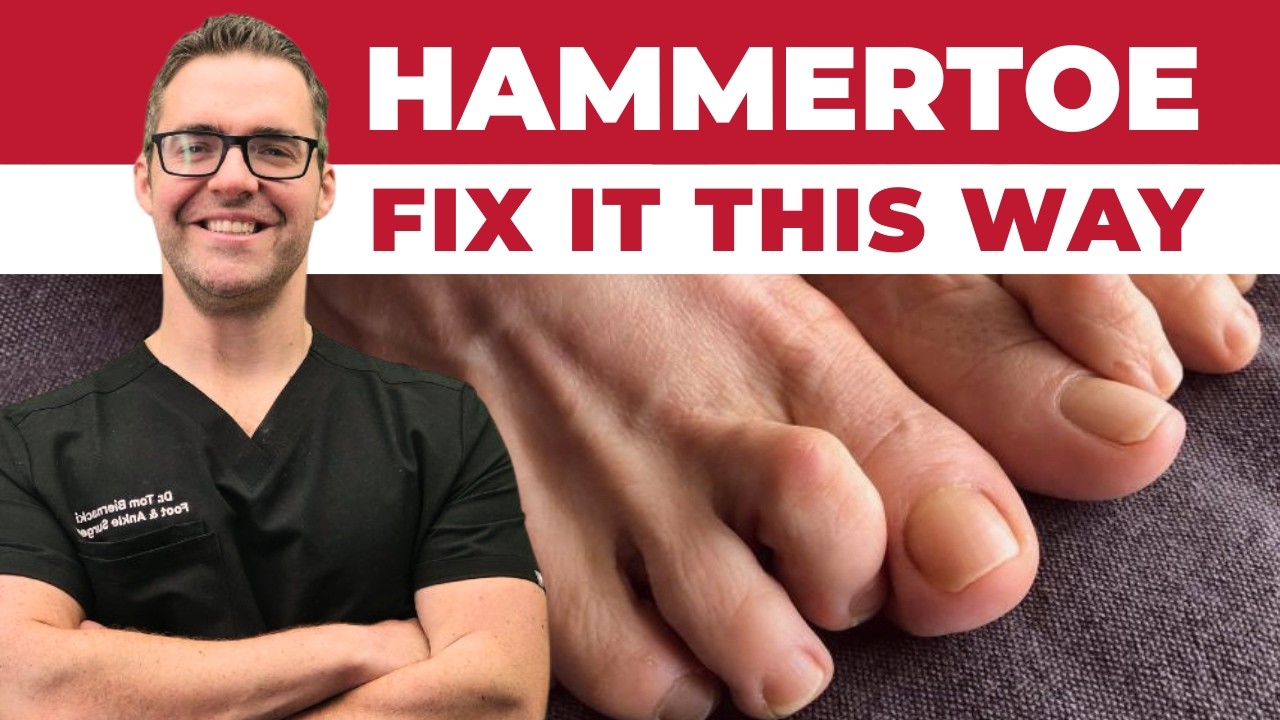
👟 Dr. Tom Also Recommends
Podiatrist Recommended Shoes 2026: Dr. Tom’s Top Picks for Every Condition
The right footwear can make or break your recovery. Dr. Tom’s complete guide to the best shoes for plantar fasciitis, flat feet, neuropathy, bunions & more — with clinical picks for every foot type.

What Is Hammertoe Deformity?
Hammertoe Deformity affects thousands of Michigan patients each year. Our hammertoe treatment michigan program at Balance Foot & Ankle uses the latest evidence-based protocols to deliver lasting relief. Board-certified surgeons with 3,000+ procedures and a 4.9-star rating serve patients throughout Howell, Bloomfield Hills, and all of southeast Michigan.
When you seek hammertoe treatment michigan at Balance Foot & Ankle, your first visit includes a hands-on exam plus imaging when needed, in-office digital X-ray when indicated, and musculoskeletal ultrasound for soft-tissue diagnosis. Most patients leave with a clear diagnosis and treatment plan the same day.
Expert Hammertoe Treatment Michigan: Treatment Options
Our hammertoe treatment michigan team offers both conservative and surgical care. Conservative options include custom 3D orthotics, targeted rehabilitation, anti-inflammatory therapy, and in-office injections. When surgery is the best path, our board-certified surgeons use minimally invasive techniques with rapid recovery times.
According to the American Podiatric Medical Association (APMA) and ACFAS, board-certified podiatric physicians are the specialists of choice for Hammertoe Deformity. Our hammertoe treatment michigan team holds the highest certifications available.
Why Hammertoe Treatment Michigan Patients Choose Balance Foot & Ankle
Our hammertoe treatment michigan practice combines triple board-certified expertise with compassionate patient care. Dr. Tom Biernacki DPM FACFAS, Dr. Carl Jay DPM, and Dr. Daria Gutkin DPM bring complementary specialties to every Hammertoe Deformity case. Patients from Howell, Bloomfield Hills, Brighton, Troy, and all of southeast Michigan trust our team for hammertoe treatment michigan results.
More Podiatrist-Recommended Hammertoe Essentials
Hammertoe Gel Cushions
Protects the raised knuckle from corn/callus formation in closed shoes.
Metatarsal Pad
Shifts pressure off the toe joint — reduces the tendon imbalance.
Wide-Toe-Box Walking Shoe
Roomy forefoot accommodates the curled toe and prevents friction pain.
As an Amazon Associate, Balance Foot & Ankle earns from qualifying purchases. Product recommendations are based on clinical experience; prices and availability shown above update live from Amazon.
When to See a Podiatrist
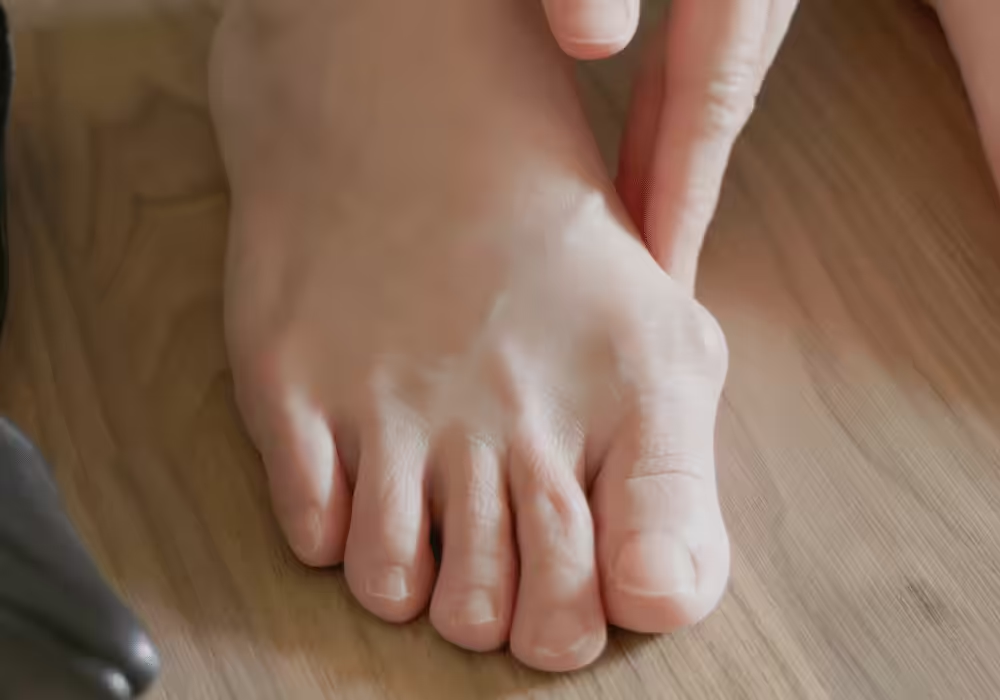
Rigid hammertoes don’t reduce with splinting alone — the tendon and capsule have contracted. If the toe no longer straightens passively, surgical correction restores alignment in one short outpatient visit. Call Balance Foot & Ankle to see whether your deformity is still flexible (and responsive to the conservative tools above) or if it’s time for a 20-minute in-office correction.
Call Balance Foot & Ankle: (810) 206-1402 · Book online · Offices in Howell & Bloomfield Hills
Get Expert Hammertoe Treatment Michigan Today
Same-day appointments in Howell & Bloomfield Hills. 4.9★ | 1,123+ Reviews.
Or call: (810) 206-1402
Medically Reviewed by Dr. Tom Biernacki, DPM
Last updated: April 7, 2026 · Evidence-based · 8 min read
Hammertoe Treatment in Michigan
Board-certified podiatrists offering conservative and surgical hammertoe correction. Custom orthotics, padding, splinting, and minimally invasive surgery for lasting relief.
⭐ 4.9/5 from 1,123+ Reviews
🎓 Board-Certified Podiatrists
📅 Same-Day Appointments
💰 Most Insurance Accepted
Quick Answer
A hammertoe is a toe deformity where the middle joint bends abnormally, causing the toe to curl downward. Early-stage (flexible) hammertoes respond well to conservative treatment including custom orthotics, splinting, and proper footwear. When the toe becomes rigid and painful, minimally invasive surgical correction provides lasting straightening with a short recovery time. At Balance Foot & Ankle, we treat hammertoes at every stage with personalized care plans.
What Is a Hammertoe?
A hammertoe develops when the muscles, tendons, and ligaments that hold a toe straight become imbalanced. This imbalance causes the proximal interphalangeal (PIP) joint—the middle joint of the toe—to buckle and bend downward, creating a claw-like or hammer-shaped appearance. Hammertoes most commonly affect the second, third, and fourth toes.
Without treatment, a flexible hammertoe progressively stiffens into a rigid deformity. The bent joint presses against the inside of your shoe, creating painful corns and calluses on top of the toe or at the tip. In severe cases, open sores can develop, which poses a serious risk for patients with diabetes or poor circulation.
Related deformities include mallet toe (where the distal interphalangeal joint at the tip of the toe bends down) and claw toe (where both the PIP and DIP joints buckle). All three conditions share similar causes and treatment approaches, though the specific surgical technique may differ depending on which joints are involved.
Types of Hammertoe
Flexible Hammertoe
In the flexible stage, the toe can still be manually straightened at the affected joint. The tendons and soft tissues have begun to tighten, but the joint has not yet developed permanent structural changes. This is the ideal time to begin treatment, as conservative measures are most effective at this stage. Custom orthotics, toe splints, and footwear modifications can slow or halt progression.
Semi-Rigid Hammertoe
As the condition progresses, the joint becomes increasingly stiff. You can still partially straighten the toe, but it springs back into the bent position. The tendons have shortened significantly and early arthritic changes may be developing in the joint. Conservative treatment can still help manage symptoms, but surgical correction may be recommended if pain is affecting your daily activities.
Rigid Hammertoe
A rigid hammertoe is permanently fixed in the bent position. The joint surfaces have remodeled, and the tendons and ligaments are contracted beyond the point where they can be stretched back. Corns, calluses, and bursitis over the prominent joint are common. Surgical correction is typically necessary to straighten the toe and relieve pain. Modern minimally invasive techniques allow for smaller incisions and faster recovery than traditional open surgery.
What Causes Hammertoes?
Hammertoes develop from an imbalance between the muscles and tendons that control toe position. Several factors contribute to this imbalance:
Footwear: Shoes that are too tight, too narrow, or have high heels push the toes into a bent position for extended periods. Over time, the muscles and tendons adapt to this shortened position and lose the ability to straighten fully. This is the single most common contributing factor.
Foot structure: Inherited foot types—particularly flat feet, high arches, and bunions—alter the mechanical balance of the forefoot. A bunion pushes the big toe toward the second toe, crowding it into a bent position. Flat feet create excessive pronation that destabilizes the lesser toes.
Nerve and muscle conditions: Peripheral neuropathy, stroke, Charcot-Marie-Tooth disease, and other neurological conditions can weaken the intrinsic foot muscles that stabilize the toes, leading to progressive deformity.
Toe length: Having a second toe that is longer than the big toe (known as Morton’s toe) increases the risk because the longer toe is more likely to be compressed by shoes.
Trauma: A broken, jammed, or dislocated toe can damage the joint structures and trigger hammertoe development during healing. Arthritis in the toe joints also disrupts normal alignment and can lead to contracture.
Hammertoe Symptoms
Hammertoe symptoms typically develop gradually and worsen over time if left untreated. The most common signs include a visibly bent or curled toe, pain or irritation at the top of the bent joint when wearing shoes, corns or calluses that develop where the toe rubs against the shoe or against an adjacent toe, redness and swelling at the affected joint, and restricted motion in the toe.
In more advanced cases, the toe may cross over or under an adjacent toe, the ball of the foot beneath the affected toe may become painful (metatarsalgia), and open sores can develop over the prominent joint. Patients with diabetes should seek prompt evaluation for any hammertoe, as the pressure points created by the deformity increase the risk of wounds that heal poorly.
⚠️ When to See a Podiatrist
See a podiatrist if your toe is visibly bent and you cannot straighten it, if you have pain that limits your footwear choices or daily activities, if corns or calluses keep returning despite home care, or if you have diabetes and notice any toe deformity. Early treatment of flexible hammertoes is significantly more effective than waiting until the joint becomes rigid.
How We Diagnose Hammertoes
Diagnosing a hammertoe starts with a thorough clinical examination. Your podiatrist will assess the toe’s flexibility, check for corns and calluses, evaluate the range of motion at the affected joint, and test the stability of the surrounding tendons. We also examine the overall alignment of your foot, because factors like bunions and metatarsal length patterns often contribute to hammertoe development.
Weight-bearing X-rays are taken to evaluate the degree of joint contracture, check for any arthritic changes within the joint, and assess the bone alignment of the entire forefoot. These images are essential for surgical planning if conservative treatment is insufficient. In some cases, advanced imaging or vascular assessment may be ordered, particularly for patients with diabetes or peripheral vascular disease.
Conservative Hammertoe Treatment
For flexible and semi-rigid hammertoes, conservative treatment focuses on reducing symptoms, slowing progression, and improving comfort. Our podiatrists create individualized treatment plans based on the severity of your deformity, your activity level, and your goals.
Custom Orthotics
Custom-molded orthotic inserts address the underlying biomechanical imbalances that contribute to hammertoe development. By correcting excessive pronation, supporting the metatarsal arch, and redistributing pressure across the forefoot, orthotics reduce the mechanical forces that drive the toe into a bent position. We use 3D digital scanning for precise measurements and craft each device to your exact foot contours.
Padding & Splinting
Gel toe pads, cushioned corn covers, and hammertoe crests protect the prominent joint from shoe friction and reduce corn formation. Toe splints and straps gently hold the toe in a straighter position, helping to maintain flexibility and prevent further contracture. While these devices do not reverse a hammertoe, they provide meaningful symptom relief and can significantly slow progression when used consistently.
Footwear Modifications
Switching to shoes with a deep, wide toe box is one of the most important steps in managing hammertoes. Shoes should have at least a half inch of space between the longest toe and the end of the shoe. Avoid heels higher than two inches, and look for shoes with soft, flexible uppers that accommodate the toe deformity without creating pressure points. Your podiatrist can recommend specific shoe brands and styles suited to your foot shape.
Stretching & Strengthening Exercises
Targeted exercises help maintain and improve flexibility in the affected toe joint. Toe curls, marble pickups, and towel scrunches strengthen the intrinsic foot muscles. Manual stretching of the toe joint several times per day helps counteract the tightening tendons. While exercises alone cannot correct a hammertoe, they are an important component of a thorough conservative treatment program and can improve overall foot function.
Surgical Hammertoe Correction
When conservative treatment no longer provides adequate relief, or when the hammertoe is rigid and causing persistent pain, surgical correction is recommended. Modern hammertoe surgery has advanced significantly, with minimally invasive options that reduce scarring, swelling, and recovery time.
Arthroplasty (Joint Resection)
In this procedure, a small portion of bone is removed from the affected joint to allow the toe to straighten. The toe retains some flexibility at the joint. Arthroplasty is typically used for less severe rigid hammertoes and offers a quicker recovery. The procedure is performed through a small incision under local anesthesia, and most patients walk in a surgical shoe immediately afterward.
Arthrodesis (Joint Fusion)
For more severe or recurrent hammertoes, arthrodesis permanently fuses the PIP joint in a straight position. The damaged cartilage surfaces are removed and the bone ends are held together with an internal implant (typically a small pin or absorbable fixation device) while they heal into one solid bone. This procedure provides the most reliable long-term correction and has the lowest recurrence rate. The fused joint does not bend, but since the PIP joint contributes little to normal walking function, most patients notice no significant functional limitation.
Minimally Invasive Techniques
Our surgeons use minimally invasive approaches whenever possible, performing the correction through incisions as small as 2–3 millimeters. These techniques use specialized instruments and fluoroscopic (live X-ray) guidance to reshape the bone without large incisions. Benefits include less post-operative pain, reduced swelling, smaller scars, and faster return to regular footwear.
Tendon Lengthening & Transfer
In cases where tendon imbalance is the primary driver, tendon procedures may be performed alongside bone work. Flexor tendon lengthening relaxes the tight tendon pulling the toe down. Flexor-to-extensor tendon transfer reroutes the tendon from the bottom of the toe to the top, creating an active force that holds the toe straight. These soft tissue procedures help address the root cause of the deformity and reduce the chance of recurrence.
Recovery After Hammertoe Surgery
Most patients walk in a surgical shoe or boot immediately after surgery. Sutures are removed at 10–14 days, and swelling gradually decreases over 4–8 weeks. Return to regular shoes typically occurs at 4–6 weeks, with full healing at 8–12 weeks. Your podiatrist provides specific post-operative instructions, including elevation protocols, ice application, and gentle range-of-motion exercises to optimize your recovery.
Don’t Let a Hammertoe Get Worse
Early treatment is the key to avoiding surgery. Our podiatrists can evaluate your hammertoe and create a personalized plan to straighten your toe and stop progression.
Book Today — Same-Day Appointments Available
Or call (810) 206-1402
Preventing Hammertoes
While you cannot change your inherited foot structure, there are practical steps you can take to reduce your risk of developing hammertoes or prevent existing ones from worsening. Wearing shoes with a wide, deep toe box that allows your toes to lie flat is the most important preventive measure. Avoid pointed-toe shoes and heels over two inches for extended wear.
Performing daily toe stretches and strengthening exercises maintains muscle balance and joint flexibility. If you have flat feet, high arches, or bunions, custom orthotics can correct the biomechanical imbalances that predispose you to hammertoes. Regular foot check-ups are especially important if you have diabetes or a family history of toe deformities.
Hammertoes & Diabetes
Hammertoes pose an elevated risk for patients with diabetes. Diabetic peripheral neuropathy reduces sensation in the feet, meaning painful pressure points from a hammertoe deformity may go unnoticed. Combined with impaired circulation that slows wound healing, even a small corn or blister over a hammertoe can progress to a serious ulceration.
At Balance Foot & Ankle, we provide comprehensive diabetic foot care that includes hammertoe monitoring and management. Early correction of toe deformities in diabetic patients is a proactive strategy to prevent wounds, infections, and the serious complications they can cause. If you have diabetes and notice any change in your toe alignment, schedule an evaluation promptly.
Frequently Asked Questions About Hammertoe
Can a hammertoe be fixed without surgery?
Flexible hammertoes often respond well to conservative treatment. Custom orthotics, toe splints, padding, proper footwear, and exercises can manage symptoms and slow progression. However, once a hammertoe becomes rigid, surgery is typically needed to straighten the toe permanently.
How long does hammertoe surgery take?
Hammertoe surgery typically takes 15 to 30 minutes per toe and is performed as an outpatient procedure under local anesthesia. Most patients go home within an hour of surgery and walk in a surgical shoe the same day.
Will my hammertoe come back after surgery?
Recurrence rates depend on the procedure. Joint fusion (arthrodesis) has the lowest recurrence rate because it permanently straightens the joint. Addressing contributing factors like bunions, improper footwear, and biomechanical imbalance with orthotics also helps prevent recurrence.
Is hammertoe surgery painful?
Surgery is performed under local anesthesia, so you feel no pain during the procedure. Post-operative discomfort is typically mild to moderate and well-controlled with over-the-counter pain medication. Most patients report that the post-surgical discomfort is significantly less than the pain they experienced from the hammertoe itself.
Can I walk after hammertoe surgery?
Yes. Most patients walk in a protective surgical shoe immediately after the procedure. You will need to limit prolonged standing and high-impact activities for several weeks, but basic walking and daily activities can resume right away.
Does insurance cover hammertoe treatment?
Yes. Hammertoe is a medical condition, and both conservative treatment (orthotics, splinting) and surgical correction are typically covered by health insurance including Medicare, Blue Cross Blue Shield, United Healthcare, Aetna, Cigna, HAP, Priority Health, and most other plans. Our office verifies your benefits before treatment begins.
What happens if I don’t treat my hammertoe?
An untreated flexible hammertoe will gradually stiffen into a rigid deformity. The corns and calluses will worsen, pain will increase, and the toe may begin to cross over adjacent toes. For patients with diabetes or circulation problems, the pressure points can lead to skin breakdown, infection, and more serious complications.
How do I know if my hammertoe needs surgery?
Surgery is typically recommended when conservative treatments have not adequately relieved your symptoms, when the toe is rigid and cannot be straightened manually, or when the deformity is causing secondary problems like chronic wounds, crossover toe, or metatarsalgia. Your podiatrist will discuss all options and help you make an informed decision.
Related Treatments
Bunions often contribute to hammertoe development by crowding the lesser toes.
Prescription inserts that correct the biomechanical imbalances behind hammertoe formation.
Professional removal of painful corns caused by hammertoe pressure points.
Comprehensive diabetes foot management including hammertoe monitoring and wound prevention.
Get Expert Hammertoe Treatment Today
Our board-certified podiatrists specialize in both conservative and surgical hammertoe correction. Two convenient Michigan locations with same-day appointments available.
Book Today — Same-Day Appointments Available
Or call (810) 206-1402
Our Locations
Howell Office
4330 E Grand River Ave
Howell, MI 48843
Phone: (810) 206-1402
Fax: (833) 450-6201
Mon–Fri: 8:00 AM – 5:00 PM
Bloomfield Hills Office
43494 Woodward Ave #208
Bloomfield Hills, MI 48302
Phone: (810) 206-1402
Fax: (833) 450-6317
Mon–Fri: 8:00 AM – 5:00 PM
Our Podiatrists



Sources
1. American College of Foot and Ankle Surgeons. “Hammertoe.” FootHealthFacts.org.
2. American Academy of Orthopaedic Surgeons. “Hammer Toe.” OrthoInfo.aaos.org.
3. Schrier JC, et al. “Hammertoe correction with PIP joint fusion: a systematic review.” Foot Ankle Surg. 2023.
4. Coughlin MJ, et al. “Lesser Toe Deformities.” Mann’s Surgery of the Foot and Ankle, 9th ed. Elsevier, 2014.
5. American Diabetes Association. “Foot Complications.” Diabetes.org.
This content is for informational purposes only and does not constitute medical advice. Always consult a qualified healthcare provider for diagnosis and treatment. Results vary by individual. Balance Foot & Ankle Specialists — serving Howell, Bloomfield Hills, and communities throughout Michigan.
What to Expect at Your Appointment
Toe Evaluation
Your podiatrist assesses the rigidity of the deformity, identifies which joints are affected, and evaluates your footwear.
Imaging & Diagnosis
Digital X-rays show the bone alignment and joint position to determine if the hammertoe is flexible or rigid.
Treatment Options
We discuss conservative care (padding, orthotics, toe exercises) or minimally invasive surgical correction if needed.
“My hammertoe was getting worse every month. Dr. Jay recommended a minimally invasive approach and the recovery was much faster than I expected. Walking comfortably again!”
— Sandra K., Hammertoe Patient
Serving Patients Across Southeast Michigan
Balance Foot & Ankle provides expert podiatric care from two convenient locations. Our Howell office serves patients from Brighton, Hartland, Fowlerville, Pinckney, Fenton, Hamburg, Whitmore Lake, South Lyon, and throughout Livingston County. Our Bloomfield Hills office serves Birmingham, Troy, West Bloomfield, Pontiac, Farmington Hills, Southfield, Royal Oak, Clarkston, Lake Orion, Rochester Hills, Waterford, Commerce Township, Novi, and Walled Lake across Oakland County.
Your Board-Certified Podiatrists



Ready to Get Back on Your Feet?
Same-week appointments available at both locations.
Board-certified care at both Michigan locations
Book your visit today
Most insurance accepted · On-site X-ray · Board-certified podiatrists
Hammertoe Treatment Michigan — Conservative & Surgical
Dr. Biernacki explains hammertoe causes, stages (flexible vs. rigid), non-surgical treatment options, and the advanced minimally invasive hammertoe correction surgery available at Balance Foot & Ankle.

Frequently Asked Questions
Can hammertoes be corrected without surgery?
Flexible (early-stage) hammertoes can be improved with: wider shoes with a tall toe box, toe stretching exercises, buddy-taping, hammertoe pads or cushions, and custom orthotics to redistribute pressure. Surgery is needed for rigid hammertoes that are painful, cause skin breakdown, or interfere with footwear.
What is minimally invasive hammertoe surgery?
Minimally invasive hammertoe correction uses a small puncture incision rather than a full open cut. Through this, the contracted tendons are released and the joint is realigned with a temporary pin or permanent implant. Recovery is faster, with less swelling and scarring compared to traditional open hammertoe repair.
Do hammertoes run in families?
Genetic factors contribute significantly to hammertoe development — inherited foot structure (long 2nd toe, flat feet, high arch) predisposes to hammertoe formation. Footwear habits accelerate progression. If a parent had hammertoes, children benefit from early custom orthotics and appropriate footwear to slow progression.
Products That Help Hammertoes
Proper shoes with roomy toe boxes + gel spacers can delay surgery in many hammertoe cases. Here’s what to try.
Podiatrist-Recommended Bunion Products
Gel spacers, splints, and sleeves that reduce pain.
Best Insoles for Flat Feet
Rigid arch-shell insoles that correct overpronation at the source.
Best Sandals for Plantar Fasciitis
Podiatrist-ranked sandals with deep heel cups and APMA acceptance.
Watch Dr. Tom on Hammertoe Treatment
Dr. Tom walks through hammertoe treatment — flexible vs rigid deformities, toe splints, wider shoes, and surgical arthroplasty/arthrodesis.

Hammertoe Conservative Care
Flexible hammertoes respond well to conservative care. Rigid hammertoes typically need surgery. These four items address flexible hammertoes:
Gel Hammertoe Splint
Repositions flexible hammertoes during wear — worn daily can delay or avoid surgery.
Extra-Depth Walking Shoe
Hammertoes need vertical toe box room — this prevents the corns and calluses that drive most patients to surgery.
PowerStep Pinnacle Insoles
Offloads the metatarsal heads — reduces the plantar pain that hammertoes cause.
Doctor Hoy’s Pain Relief Gel
Topical menthol for PIP joint soreness — safer than daily NSAIDs long-term.
Affiliate disclosure: Amazon links are affiliate links — we earn a small commission if you buy through them. We only recommend products we actually prescribe to patients at Balance Foot & Ankle.
Related from Balance Foot & Ankle
Hammertoe — Frequently Asked Questions
When should I see a podiatrist for hammertoe?
If symptoms persist beyond 2 weeks of self-care, interfere with daily activity, or worsen suddenly, schedule a podiatrist evaluation. Early intervention typically shortens recovery and prevents chronic compensation patterns.
Will I need imaging or surgery?
Most hammertoe cases resolve with conservative care—custom orthotics, supportive shoe changes, anti-inflammatory protocols, and targeted physical therapy. Imaging (X-ray, ultrasound, MRI) is reserved for cases that fail conservative treatment or when structural pathology is suspected. Surgery is rarely the first option.
Does insurance cover hammertoe treatment in Michigan?
Most major Michigan insurance plans (BCBS, BCN, Priority Health, HAP, Medicare, Medicaid HMOs, United, Aetna, Cigna) cover medically necessary podiatric care. Custom orthotics may have separate DME coverage rules. Our team verifies your specific benefits before your visit.
Related Treatments at Balance Foot & Ankle
Common conditions we treat in our Howell and Bloomfield Hills offices.