
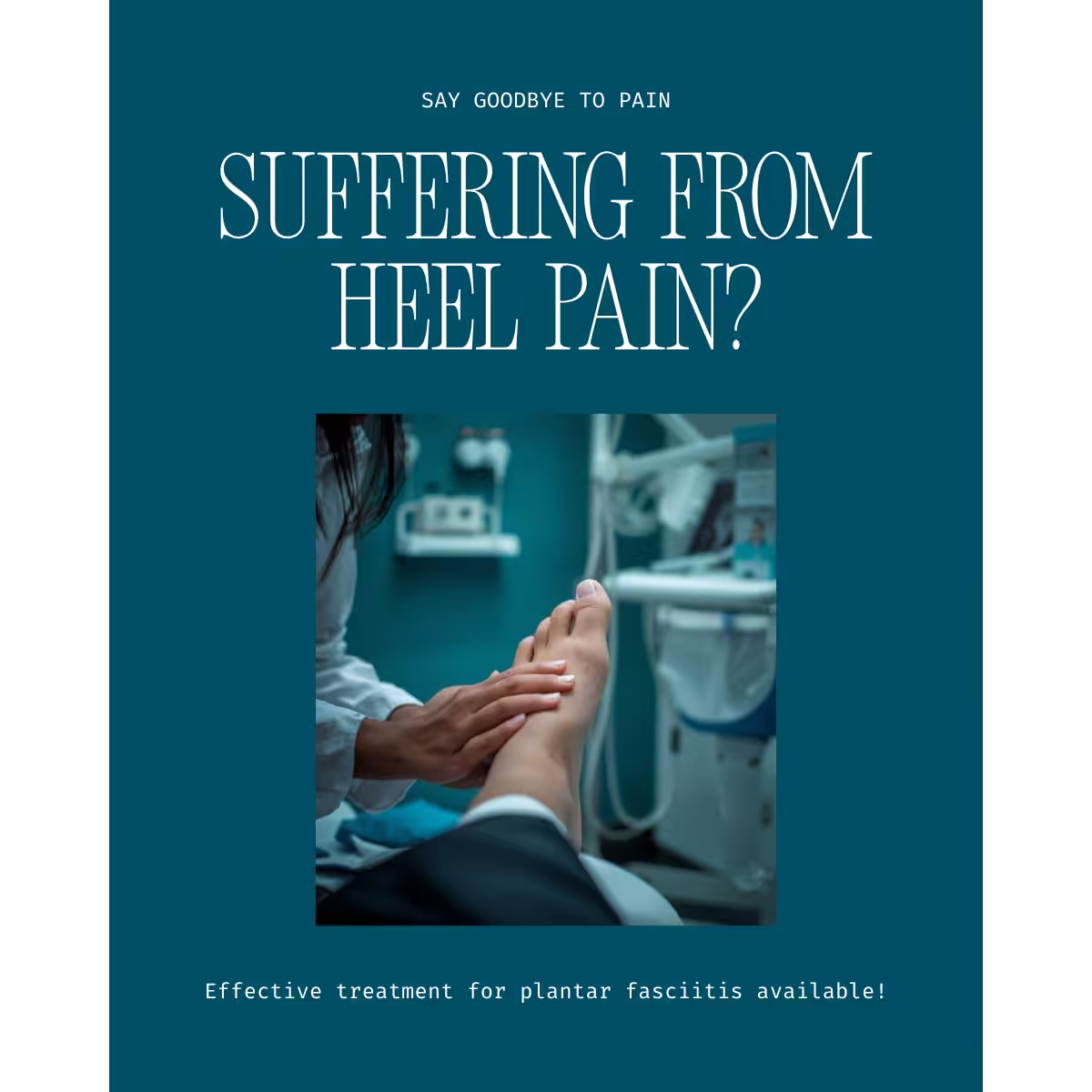
Still hurting after switching shoes? Footwear helps, but it can’t fix the underlying problem. See a podiatrist — pick a real appointment time online, 24/7: Howell or Bloomfield Township. Takes about a minute, 24/7.
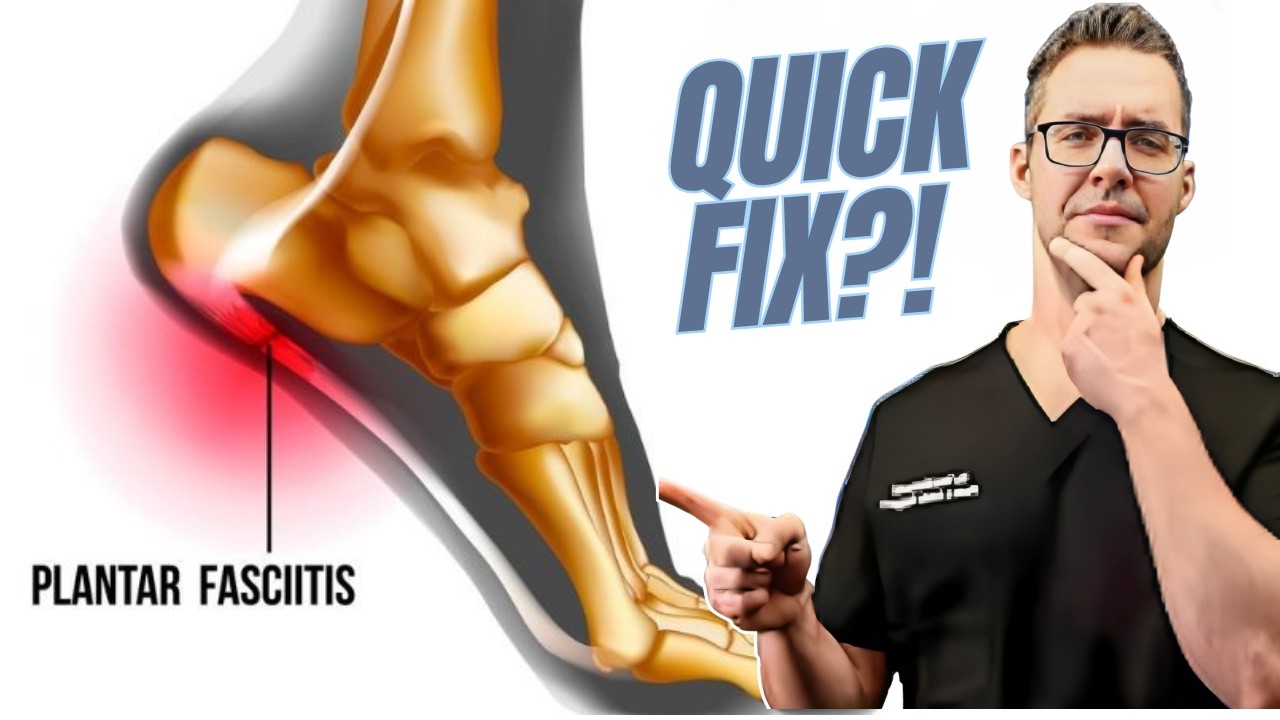
Plantar fasciitis typically responds to early podiatrist evaluation, conservative treatments like supportive footwear and targeted stretching, and—when needed—custom orthotics. Most patients see improvement within 4-6 weeks of starting a treatment plan. Severe or persistent symptoms warrant in-person assessment to rule out structural issues. Contact our Howell or Bloomfield Township office for a same-week evaluation.
📋 Dr. Tom Also Recommends
Podiatrist Recommended Orthotics 2026: Dr. Tom’s Top 10 Insoles & Arch Supports
A podiatrist’s complete clinical guide to the best insoles — custom orthotics, OTC picks, and what actually works for plantar fasciitis, flat feet, neuropathy & more.
Read the Full Guide →Best Sandals for Plantar Fasciitis in 2026
5 podiatrist-tested sandals that actually relieve heel pain — ranked by clinical outcomes, not affiliate commissions.
The best sandals for plantar fasciitis have three features: a deep heel cup (15mm+), a structured orthotic footbed (not flat foam), and APMA acceptance. The Vionic Tide II is our top overall pick for daily wear. For post-workout recovery, choose OOFOS OOriginal. For budget-conscious buyers, the Teva Hurricane XLT2 is the best-in-class under $70.
Every product in this guide was selected by a board-certified podiatrist based on clinical outcomes in real patients — not based on affiliate commission rates. We've ranked them based on biomechanical design, durability, patient compliance, and cost-to-benefit ratio. All picks are personally recommended in our Michigan clinics every week.
Vionic Tide II Toe Post Sandal
The podiatrist-designed sandal that handles miles of walking
The Vionic Tide II is the sandal I recommend more than any other for plantar fasciitis patients because it’s the only widely-available sandal built around a podiatrist-designed orthotic footbed — not a flat foam insert with marketing attached. The deep heel cup (roughly 18mm) cradles the calcaneus and controls rearfoot motion the way a quality orthotic would, while the medial arch support redistributes pressure off the inflamed plantar fascia. APMA acceptance means the American Podiatric Medical Association reviewed the biomechanical design, which matters because most “arch support” sandals fail within the first mile. I’ve had patients wear these on 5-mile Disney days with zero morning heel pain the next day — an outcome that’s nearly impossible in flat flip-flops. The toe post is soft fabric-lined leather, not the hard rubber that cuts into the web space on cheaper sandals. Runs true to size in the standard width; size down half if you’re between.
- Plantar fasciitis
- Flat feet
- Heel pain
- All-day walking
- You have very narrow feet (runs slightly wide)
- ✔ APMA-accepted orthotic footbed
- ✔ Deep 18mm heel cup controls motion
- ✔ Durable — 12+ months of daily wear
- ✔ Softened toe post (no web-space irritation)
- ✖ Higher price point than department-store sandals
- ✖ Breaks in over 3-5 wears (slight stiffness initially)
OOFOS OOriginal Recovery Sandal
The post-run and post-shift recovery sandal
OOFOS are what I put on my own feet after a 12-hour surgical day. The proprietary OOfoam absorbs 37% more impact than standard EVA foam — independent laboratory testing confirmed this, which is unusual in the recovery-footwear category where most claims are marketing. The footbed has a pronounced arch and deep heel cup that cradles plantar fascia insertion points, meaning you get therapeutic off-loading without wearing a boot. Patients with plantar fasciitis report that slipping these on post-run or post-shift meaningfully shortens next-morning heel pain — the window where the fascia re-tightens overnight. They’re not a replacement for structured daily footwear; wearing OOFOS as your primary walking shoe will under-support your feet over time. Use them as intended: recovery, around the house, post-workout, between shifts. Machine washable. Run half-size large — order your true size for snug fit or size up for relaxed.
- Post-workout recovery
- Nurses/retail after shifts
- Plantar fasciitis flare-ups
- You need all-day structural support (these are recovery, not daily wear)
- ✔ 37% more impact absorption (lab-verified)
- ✔ Reduces morning plantar fasciitis pain
- ✔ Machine washable
- ✔ Closed-cell foam — doesn’t absorb sweat/water
- ✖ Recovery use only — not all-day walking
- ✖ Fit runs slightly large
ECCO Yucatan Sport Sandal
The traveler’s sandal — structured support, water-ready
ECCO’s Yucatan is the sandal I recommend when patients tell me they’re walking a European vacation or doing national-park hiking. Unlike most walking sandals, it’s built on an actual structured midsole with a removable cork-EVA footbed — meaning you can swap in your own orthotic if you have one. The receptor lugs and high-traction outsole make wet rock or dock surfaces safe to walk on, which matters more than most people realize (patient slip injuries on travel are one of our most preventable E/R visits). Three independently adjustable straps let you fine-tune pressure over the forefoot — critical if you have bunions or hammertoes that need room. ECCO leather is chromium-VI free and water-resistant; I’ve had patients dunk these in Caribbean surf and they dried soft, not crusty. The price is real but amortized over 3-5 years of heavy travel use, the cost-per-wear drops below cheap sandals you’ll replace annually.
- Travel
- Hiking
- Wet terrain
- High arches
- Long walking days
- Budget is tight
- You want a slip-on (these have 3 straps)
- ✔ Removable footbed — compatible with orthotics
- ✔ Hydromax leather — water-tolerant
- ✔ 3 independently adjustable straps
- ✔ Outlasts cheaper sandals 3-to-1
- ✖ Premium pricing
- ✖ Heavier than minimalist sandals (good for support, noticeable in a carry-on)
Teva Hurricane XLT2 Sandal
The durable outdoor sandal with real arch support
The Teva Hurricane XLT2 is the entry-level sandal I recommend when a patient needs something now and cost matters. It’s not as therapeutic as the Vionic or ECCO, but it’s markedly better than a flip-flop — and that’s the comparison that matters for most people. The EVA-foam footbed has a defined arch contour (most sandals this price have a flat footbed), and the quick-dry polyester straps with Velcro adjustments let you fine-tune around swelling, bunions, or an ankle brace. The universal strapping system is genuinely secure in water — patients who kayak, fish, or do river walks report these stay put where flip-flops wash off. They’re machine-washable, which extends life dramatically. For mild-to-moderate plantar fasciitis or general foot pain, they’re a solid choice; for severe chronic cases, the Vionic justifies its higher price.
- Outdoors
- Water crossings
- Budget-conscious buyers
- Kids/teens
- You have severe plantar fasciitis needing orthotic-grade support (step up to Vionic)
- ✔ Water-tolerant + quick-drying
- ✔ Secure Velcro — adjustable around swelling
- ✔ Durable (5+ years common)
- ✔ Budget-friendly
- ✖ Arch support is good, not clinical
- ✖ EVA compresses over 18-24 months of daily wear
Birkenstock Arizona Soft Footbed
The classic cork footbed — built around your arch
Birkenstocks divide patients, and I want to be honest about why. The cork footbed is legitimately therapeutic — over 2-3 weeks it molds to your specific arch, creating a semi-custom orthotic. After molding, I’ve seen plantar fasciitis patients walk miles in these pain-free. Before molding, they feel hard and unforgiving, which is where most people return them. The “Soft Footbed” version I’ve linked has an extra layer of foam under the cork that shortens the break-in window to about one week. The deep heel cup is the best-engineered of any sandal I stock, and the raised toe bar encourages intrinsic foot-muscle engagement (research-supported for reducing plantar fasciitis relapse). Verdict: if you’re patient for the break-in period, these are the highest clinical-grade support in the category. If you want comfort out of the box, choose Vionic or OOFOS.
- Plantar fasciitis (after break-in)
- Flat feet
- All-day wear at home/work
- You need instant comfort (cork takes 2-3 weeks to mold)
- ✔ Cork molds to your arch (semi-custom)
- ✔ Deep heel cup — best-in-class
- ✔ Soft Footbed version = faster break-in
- ✔ Decades of durability (patients on 15+ year pairs)
- ✖ 1-3 week break-in required
- ✖ Feels hard before molding completes
Products Not Enough? See Michigan's Top Foot Doctors.
Same-week appointments in Howell and Bloomfield Township. Most insurance accepted. 3,000+ surgeries performed. Patient-first practice — we listen.
Head-to-Head Comparison
Quick reference across all picks. Click any product name to jump to its full review above.
How to Choose
Heel Cup Depth Matters Most
For plantar fasciitis, the heel cup is the single most important feature. Look for at least 15mm depth — this cradles the calcaneus and offloads the inflamed fascial attachment. Flat sandals, even with “arch support,” fail this test. Measure with a pencil dropped into the heel section; you should not see the pencil tip bottom out.
APMA Acceptance Isn't Marketing
The American Podiatric Medical Association independently reviews biomechanical design. Brands that carry APMA acceptance (Vionic, Birkenstock Soft Footbed, OOFOS) have passed this review. Brands that don't tend to have foam insoles with marketing copy pasted on top. Check for the APMA seal before buying.
Fit Around Swelling, Bunions, and Hammertoes
Plantar fasciitis patients often also have forefoot pathology. Choose sandals with adjustable straps (ECCO, Teva) rather than fixed slides so you can fine-tune pressure. Toe posts (Vionic, OOFOS) should be fabric-lined, not rigid rubber, which cuts into the web space during long walks.
Break-in Time Is Real
Cork footbeds (Birkenstock) require 2-3 weeks to mold. Rigid orthotic footbeds (Vionic) require 3-5 wears. If you want instant comfort, choose OOFOS or Teva. If you want semi-custom biomechanics, commit to the break-in period.
Replace at 12-18 Months of Daily Wear
Every sandal in this guide compresses over time. EVA footbeds (OOFOS, Teva) start losing rebound around 12 months of daily wear. Polypropylene shells (Vionic) last 18-24 months. Cork (Birkenstock) lasts decades but the leather lining wears through. Budget for replacement on that cadence.
Frequently Asked Questions
Can I wear sandals with plantar fasciitis?
Yes, but only sandals with a deep heel cup and structured arch support. Flip-flops and flat slides will worsen plantar fasciitis because they force your plantar fascia to do the structural work your shoe should be doing. Choose a podiatrist-recommended sandal with APMA acceptance like Vionic or OOFOS.
What is the #1 recommended sandal for plantar fasciitis?
The Vionic Tide II is the most consistently recommended by podiatrists in our practice network. It has a true orthotic footbed, an 18mm heel cup, APMA acceptance, and enough durability for daily all-day wear. For post-workout recovery specifically, OOFOS is the top pick due to its 37% impact absorption.
Are Birkenstocks good for plantar fasciitis?
Yes, but with an important caveat: cork Birkenstocks require 2-3 weeks to mold to your arch, and they feel hard and unforgiving before molding is complete. Choose the Soft Footbed version to shorten break-in. Once molded, they're excellent — the deep heel cup and raised toe bar actively engage intrinsic foot muscles.
Do I need custom orthotics if I have good sandals?
Most patients with mild-to-moderate plantar fasciitis do well with a quality OTC-orthotic sandal like Vionic. Custom orthotics become valuable for asymmetric biomechanics, failed conservative treatment, or dermatologic conditions requiring specific offloading. If you've been in quality sandals for 8 weeks without improvement, schedule a podiatry evaluation.
How long should I wear sandals daily to help plantar fasciitis?
Most patients who respond to proper footwear do so within 2-3 weeks of consistent daily wear. Combine good sandals with nightly plantar fascia stretching, morning ice-roller therapy, and calf stretching for best results. If symptoms persist beyond 6 weeks despite these changes, see a podiatrist.
Sources & References
- American Podiatric Medical Association. APMA Seal of Acceptance Program. 2024. apma.org/seal
- Journal of Foot and Ankle Research. “Effectiveness of foot orthoses for plantar fasciitis: a systematic review.” 2023.
- Martin RL et al. “Heel pain—plantar fasciitis: revision 2023.” Journal of Orthopaedic & Sports Physical Therapy. 2023;53(7):CPG1-CPG39.
Related Guides
If you have plantar fasciitis, your sandals matter as much as your shoes. The Vionic Tide II is our top overall pick for daily wear; OOFOS is unmatched for post-workout recovery; and the Teva Hurricane XLT2 is the best budget choice. Avoid flat flip-flops at all costs — they're the most common preventable cause of plantar fasciitis flares we see in Michigan clinics.
Products Not Enough? See Michigan's Top Foot Doctors.
Same-week appointments in Howell and Bloomfield Township. Most insurance accepted. 3,000+ surgeries performed. Patient-first practice — we listen.
Balance Foot & Ankle — Michigan's Most-Trusted Podiatry Group
4.9★ · 1,123+ patient reviews · 3,000+ surgeries · 950K+ YouTube subscribers
👟 Dr. Tom’s Complete Footwear Library
Podiatrist-Approved Guides for Every Foot Type & Condition
Clinically reviewed by Dr. Tom Biernacki, DPM — Board-Certified Podiatrist
All guides are written and reviewed by licensed podiatrists. Schedule an appointment →
Top Dress Shoe Comfort Products (Podiatrist-Audited)

Foot Petals Tip Toes Cushions (Ball-of-Foot)
★★★★½ 4.4/5 — 8,500+ reviews
Pros: Invisible in shoe; ball-of-foot cushion; medical-grade adhesive
Cons: Single-use lifespan ~2 weeks; sweat-sensitive
Dr. Tom’s Tip: Game-changer for women in heels. Slips into pumps/flats — eliminates ball-of-foot pain.
Check Price on Amazon →
FLAT SOCKS (No-Slip Foot Liners)
★★★★½ 4.5/5 — 12,000+ reviews
Pros: Genuine no-slip technology; truly invisible; absorbs sweat; washable
Cons: Limited to closed-toe shoes; pricier than standard liner socks
Dr. Tom’s Tip: Solves the “foot liner sliding off heel” problem permanently. Worth every penny.
Check Price on Amazon →
Foot Petals Heavenly Heelz
★★★★ 4.3/5 — 4,500+ reviews
Pros: Prevents heel slippage; padded for blister prevention
Cons: Small surface area; specific heel-area only
Dr. Tom’s Tip: Stops heel blister cycles in new shoes. Apply before first wear.
Check Price on Amazon →Plantar fasciitis — Frequently Asked Questions
When should I see a podiatrist for plantar fasciitis?
If symptoms persist beyond 2 weeks of self-care, interfere with daily activity, or worsen suddenly, schedule a podiatrist evaluation. Early intervention typically shortens recovery and prevents chronic compensation patterns.
Will I need imaging or surgery?
Most plantar fasciitis cases resolve with conservative care—custom orthotics, supportive shoe changes, anti-inflammatory protocols, and targeted physical therapy. Imaging (X-ray, ultrasound, MRI) is reserved for cases that fail conservative treatment or when structural pathology is suspected. Surgery is rarely the first option.
Does insurance cover plantar fasciitis treatment in Michigan?
Most major Michigan insurance plans (BCBS, BCN, Priority Health, HAP, Medicare, Medicaid HMOs, United, Aetna, Cigna) cover medically necessary podiatric care. Custom orthotics may have separate DME coverage rules. Our team verifies your specific benefits before your visit.