

★ 4.9 Stars · 1,123+ Reviews · Balance Foot & Ankle Michigan
Ready to be seen? Book a real appointment time online, 24/7 — Howell or Bloomfield Township. Takes about a minute, 24/7.
Peripheral Arterial Disease Foot Care Michigan
Board-certified podiatrists in Howell & Bloomfield Township, MI. 4.9★ rated · Same-week appointments · Most insurance accepted · (810) 206-1402.
Medically reviewed by Dr. Tom Biernacki, DPM, FACFAS — Board-certified podiatric surgeon. Balance Foot & Ankle, Howell & Bloomfield Township MI. Updated 2026.
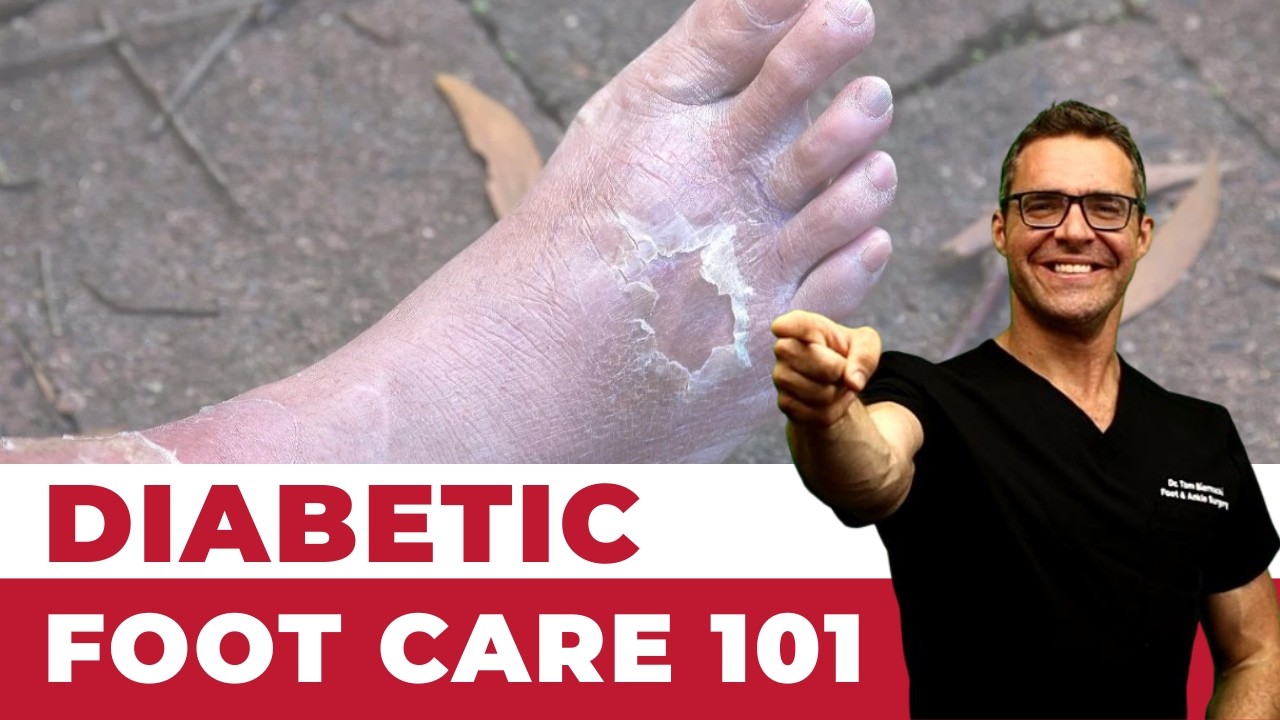
Watch: Best Shoes for Diabetics (PAD & Circulation)
![Diabetic Foot Care 101 [Diabetic Foot Pain: Podiatrist TREATMENT]](https://www.michiganfootdoctors.com/wp-content/cache/flying-press/a386d125d030385b9d7b05fcf4b12e37.jpg)
Dr. Tom Biernacki, DPM explains the clinical basics — then covers what we do differently in our Howell and Bloomfield Township clinics. Subscribe on YouTube for weekly walkthroughs.
Expert Peripheral Arterial Disease Foot Care Michigan at Balance Foot & Ankle Michigan
Our peripheral arterial disease foot care michigan program at Balance Foot & Ankle Michigan combines board-certified expertise with the latest evidence-based protocols. Same-week appointments in Howell & Bloomfield Township. Call (810) 206-1402.
Table of Contents
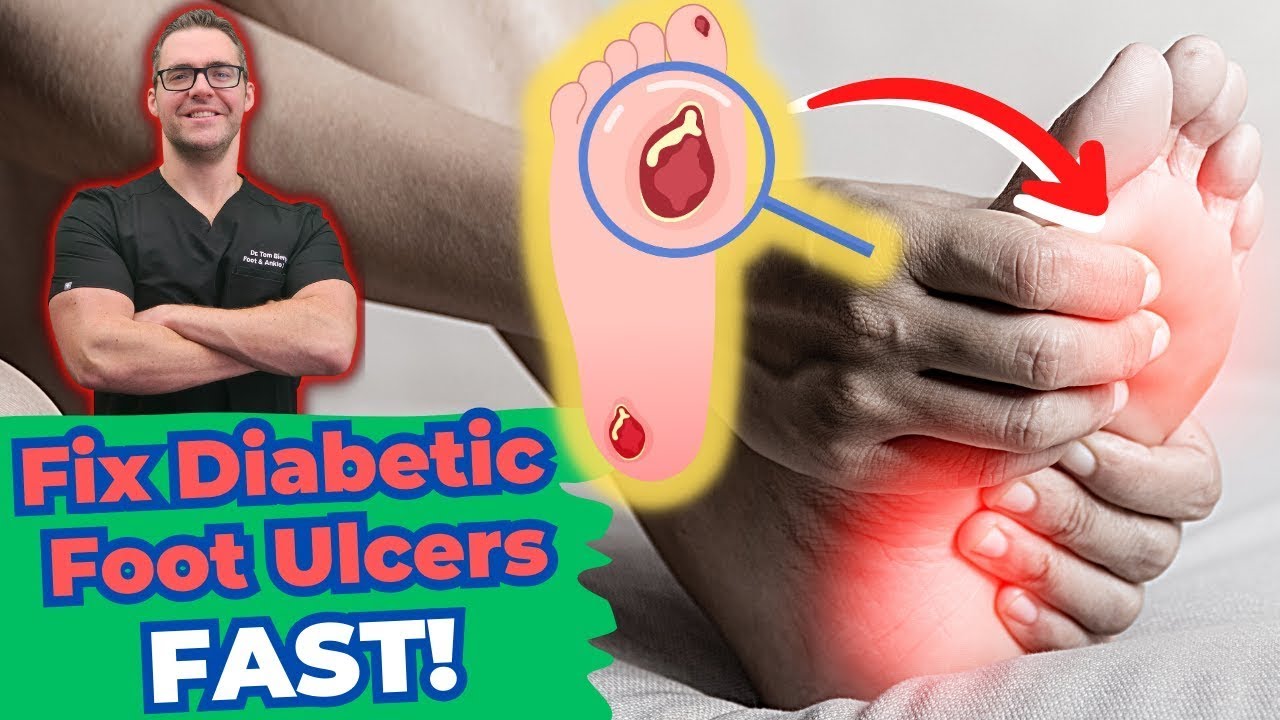

What Is Peripheral Arterial Disease (PAD) Foot Care?
Peripheral Arterial Disease (PAD) Foot Care is a condition that affects patients throughout Michigan. At Balance Foot & Ankle, our peripheral arterial disease foot care michigan program helps patients from Howell, Brighton, Bloomfield Township, Troy, Birmingham, and all of southeast Michigan achieve lasting relief. Our board-certified podiatric surgeons bring 3,000+ procedures and 4.9-star patient ratings to every case.
Understanding Peripheral Arterial Disease (PAD) Foot Care is the first step toward effective treatment. Our peripheral arterial disease foot care michigan specialists begin every case with a hands-on exam plus imaging when needed including in-office digital X-ray and musculoskeletal ultrasound when indicated, ensuring accurate diagnosis before any treatment begins.
Symptoms of Peripheral Arterial Disease (PAD) Foot Care
PAD foot care symptoms include cold or numb feet, leg cramping during walking, slow-healing wounds on the feet or ankles, and discoloration of the skin. These symptoms indicate reduced blood flow to the lower extremities and require prompt evaluation.
With PAD, small foot problems turn serious fast because reduced blood flow slows healing — which is exactly why regular podiatric care matters so much when circulation is compromised. Don’t wait for a sore to worsen: book our Howell office or Bloomfield Township online, or call (810) 206-1402.
If you are experiencing these symptoms, our peripheral arterial disease foot care michigan team recommends scheduling an evaluation promptly. Early intervention for Peripheral Arterial Disease (PAD) Foot Care typically produces faster results and prevents the condition from becoming chronic or requiring surgery.

Expert Peripheral Arterial Disease Foot Care Michigan: Treatment Options
PAD foot care at Balance Foot & Ankle includes comprehensive vascular assessment, Doppler ultrasound studies, wound care management, custom diabetic shoe fittings, and coordination with vascular specialists when indicated. Early intervention dramatically reduces amputation risk.
Our peripheral arterial disease foot care michigan team follows published clinical guidelines from the American Podiatric Medical Association (APMA) and the American College of Foot and Ankle Surgeons (ACFAS). Treatment is individualized to each patient’s anatomy, activity level, and goals.
Recovery from Peripheral Arterial Disease (PAD) Foot Care Treatment
Recovery from PAD foot care interventions depends on the severity of arterial disease and the treatments used. Conservative management often begins producing results within 4-8 weeks. Our team monitors healing closely and adjusts protocols to maximize circulation and tissue health.
Our peripheral arterial disease foot care michigan team provides comprehensive post-treatment support including follow-up appointments, home exercise programs, and direct access to your care team between visits. Most patients return to normal activities significantly faster with our structured rehabilitation protocols.
Why Choose Our Peripheral Arterial Disease Foot Care Michigan Practice
Balance Foot & Ankle has treated Peripheral Arterial Disease (PAD) Foot Care in thousands of Michigan patients. Dr. Tom Biernacki DPM FACFAS, Dr. Carl Jay DPM, and Dr. Daria Gutkin DPM bring complementary expertise to every peripheral arterial disease foot care michigan case. Patients from Howell, Bloomfield Township, Troy, Birmingham, Brighton, and all of southeast Michigan trust our team.
Products We Actually Stock for PAD Foot Care
These are the products we actually stock at our Howell and Bloomfield Township clinics and hand to patients dealing with peripheral arterial disease. Each one has clinical evidence behind it — and each one has a patient it is not right for. We have included that, too, because we want you to pick well. Links below support the research behind this site; prices and availability vary.
- DASS 15–20 mmHg Medical Compression Socks — Graduated compression helps venous return and reduces edema in mixed arterial-venous disease when ABI ≥ 0.7. We fit these in clinic to confirm the pressure is safe for your arterial flow. Not ideal for: severe arterial disease (ABI <0.6) or active ulceration — pressure over ischemic tissue causes harm. See what we stock.
- Doctor Hoy’s Natural Pain Relief Gel — Arnica + camphor — topical pain relief without the blood-thinning risk that oral NSAIDs carry for PAD patients already on antiplatelet therapy. Not ideal for: open wounds or broken skin (applies to most topicals). See what we stock.
- Extra-depth diabetic shoes (Medicare-eligible) — Protects compromised tissue and reduces friction injuries that heal slowly with reduced perfusion. Not ideal for: patients with normal circulation — you do not need specialty shoes. See what we stock.
Not sure which is right for your foot? We fit and demo these in clinic and can pair them with the right shoe. (810) 206-1402 · book online. Same-day appointments available.
Peripheral Arterial Disease Foot Care Michigan FAQ
How quickly can I be seen for peripheral arterial disease foot care michigan? Same-week appointments available at both locations. Call (810) 206-1402 or book online.
Does insurance cover peripheral arterial disease foot care michigan? Most major plans including Medicare, Blue Cross Blue Shield, Aetna, Cigna, and UnitedHealthcare cover medically necessary Peripheral Arterial Disease (PAD) Foot Care treatment. We verify benefits before your first visit.
What is the difference between conservative and surgical peripheral arterial disease foot care michigan? Conservative treatment uses non-invasive approaches (orthotics, injections, physical therapy) and is always tried first. Surgical options are reserved for cases where conservative care has not achieved adequate relief.
Get Expert Peripheral Arterial Disease Foot Care Michigan Today
Same-day appointments. Howell & Bloomfield Township, MI. 4.9★ | 1,123+ Reviews.
Or call: (810) 206-1402
Coordinated Vascular Care in Howell
For complex diabetic and vascular cases, we partner directly with internal medicine and vascular specialists. Learn about our coordinated care with Vassallo Medical Group →
💡 Coordinated vascular care: Through our partnership with Vassallo Medical Group, we provide team-based PAD and foot care — podiatry and internal medicine coordinated for comprehensive vascular foot treatment in Howell, MI.
Ready to Get Back on Your Feet?
Same-week appointments available at both locations.
Book Your AppointmentUnderstanding Peripheral Arterial Disease in the Feet
Peripheral arterial disease (PAD) occurs when plaque builds up in the arteries that supply blood to your legs and feet. This narrowing restricts blood flow, causing symptoms like leg pain when walking (claudication), cold feet, slow-healing wounds, and changes in skin color. Left untreated, PAD can lead to critical limb ischemia—a serious condition that increases the risk of amputation.
At Balance Foot & Ankle, our podiatrists perform non-invasive vascular screenings using ankle-brachial index (ABI) testing, pulse volume recordings, and skin perfusion assessments. Early detection is essential: patients with PAD are four to five times more likely to develop foot ulcers, and those ulcers heal far more slowly without adequate circulation.
Who Is at Risk for PAD?
Several factors increase your risk of developing peripheral arterial disease. Diabetes is the single greatest risk factor—patients with diabetes are two to four times more likely to develop PAD. Smoking, high blood pressure, elevated cholesterol, obesity, and a sedentary lifestyle also significantly increase risk. If you are over 50, have a family history of vascular disease, or experience numbness, tingling, or cramping in your legs and feet, a PAD screening is strongly recommended.
Our PAD Treatment Approach
Treatment begins with a thorough vascular evaluation to determine the severity of arterial blockage. For mild to moderate PAD, our team develops a conservative management plan that may include supervised exercise programs, medication optimization (antiplatelet agents, statins, and cilostazol), smoking cessation support, and diabetic foot care protocols. For advanced cases, we coordinate with vascular surgeons for angioplasty, stenting, or bypass procedures while continuing to manage your foot health throughout recovery.
“The circulation screening caught a problem I had no idea about. Dr. Jay explained everything clearly and got me the care I needed right away.”
— Robert K., PAD Patient
What to Expect at Your PAD Screening
Non-Invasive Vascular Testing
We measure blood flow using ankle-brachial index testing and pulse volume recordings—painless tests that take about 15 minutes.
Comprehensive Foot Exam
Your podiatrist examines skin color, temperature, nail health, and wound status to assess circulation impact.
Personalized Treatment Plan
Based on your results, we create a care plan that may include lifestyle modifications, medications, wound care, or vascular surgery referral.
Related Treatments You May Need
Your Expert Podiatrists
Serving Patients Across Southeast Michigan
Balance Foot & Ankle provides PAD screening and circulation treatment from two convenient locations. Our Howell office serves patients from Brighton, Hartland, Fowlerville, Pinckney, Fenton, Hamburg, Whitmore Lake, South Lyon, and throughout Livingston County. Our Bloomfield Township office serves Birmingham, Troy, West Bloomfield, Pontiac, Farmington Hills, Southfield, Royal Oak, Clarkston, Lake Orion, Rochester Hills, Waterford, Commerce Township, Novi, and Walled Lake across Oakland County.
Your Board-Certified Podiatrists



Board-certified care at both Michigan locations
Book your visit today
Most insurance accepted · On-site X-ray · Board-certified podiatrists
Howell · (810) 206-1402 Bloomfield · (810) 206-1402Watch: Peripheral Arterial Disease & Foot Care Michigan
How poor circulation affects your feet — and how our vascular foot care team keeps you mobile.
What are the early signs of PAD in the feet?
Cold feet, cramping when walking, pale or bluish skin, and slow-healing wounds are early warning signs of peripheral arterial disease.
Can a podiatrist treat peripheral arterial disease in Michigan?
We provide conservative foot care for PAD patients — wound management, specialized footwear, and coordination with your vascular team.
How serious is PAD for foot health?
Severe PAD is the leading cause of non-traumatic lower limb amputation. Early intervention and preventive foot care dramatically reduce this risk.
Watch: PAD Foot Care Michigan
Dr. Tom explains peripheral arterial disease foot care — Michigan’s specialty PAD-aware podiatry protocol.

Related: Diabetic Foot Care · Howell Location · Book Same-Week Appointment
When to See a Podiatrist
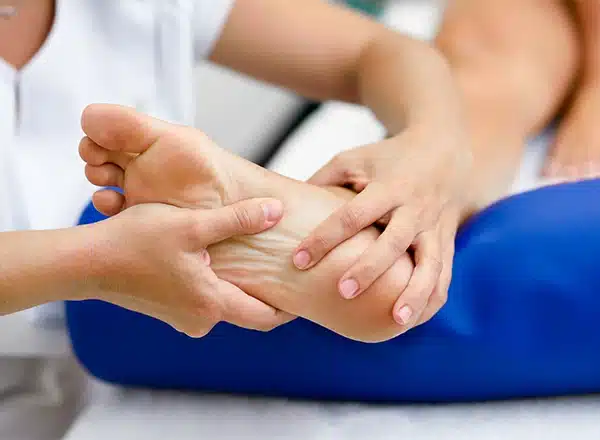
If foot or ankle pain has been bothering you for more than a few weeks, home care alone may not be enough. Balance Foot & Ankle offers same-week appointments at our Howell and Bloomfield Township clinics — no referral needed in most cases. Bring your current shoes and a short list of symptoms and we’ll build you a treatment plan in one visit.
Call Balance Foot & Ankle: (810) 206-1402 · Book online · Offices in Howell & Bloomfield Township
Foot pain — Frequently Asked Questions
When should I see a podiatrist for foot pain?
If symptoms persist beyond 2 weeks of self-care, interfere with daily activity, or worsen suddenly, schedule a podiatrist evaluation. Early intervention typically shortens recovery and prevents chronic compensation patterns.
Will I need imaging or surgery?
Most foot pain cases resolve with conservative care—custom orthotics, supportive shoe changes, anti-inflammatory protocols, and targeted physical therapy. Imaging (X-ray, ultrasound, MRI) is reserved for cases that fail conservative treatment or when structural pathology is suspected. Surgery is rarely the first option.
Does insurance cover foot pain treatment in Michigan?
Most major Michigan insurance plans (BCBS, BCN, Priority Health, HAP, Medicare, Medicaid HMOs, United, Aetna, Cigna) cover medically necessary podiatric care. Custom orthotics may have separate DME coverage rules. Our team verifies your specific benefits before your visit.
Related Treatments at Balance Foot & Ankle
Common conditions we treat in our Howell and Bloomfield Township offices.
Our podiatrists treat the underlying cause, not just the symptom. Same-week appointments at our Howell and Bloomfield Township, Michigan offices.
🤝 Team-based vascular care: Peripheral arterial disease requires a team approach. Our coordinated care program with Vassallo Medical Group connects podiatric surgery with internal medicine and vascular specialists — giving PAD patients comprehensive care without bouncing between providers. Learn about our coordinated vascular foot care →