

Quick answer: Treatment for venous insufficiency foot swelling causes symptoms treatment edema follows a stepwise approach: 1) conservative care first (rest, ice, supportive footwear, OTC anti-inflammatories), 2) physical therapy and targeted exercises, 3) in-office treatments (injections, custom orthotics) if conservative fails at 4-6 weeks, 4) surgery for refractory cases. Most patients resolve at step 1 or 2. Call (810) 206-1402.
Medically reviewed by Dr. Tom Biernacki, DPM — Board-Certified Podiatric Surgeon — Balance Foot & Ankle, Howell & Bloomfield Hills, MI. Last updated April 2026.
▶ Watch
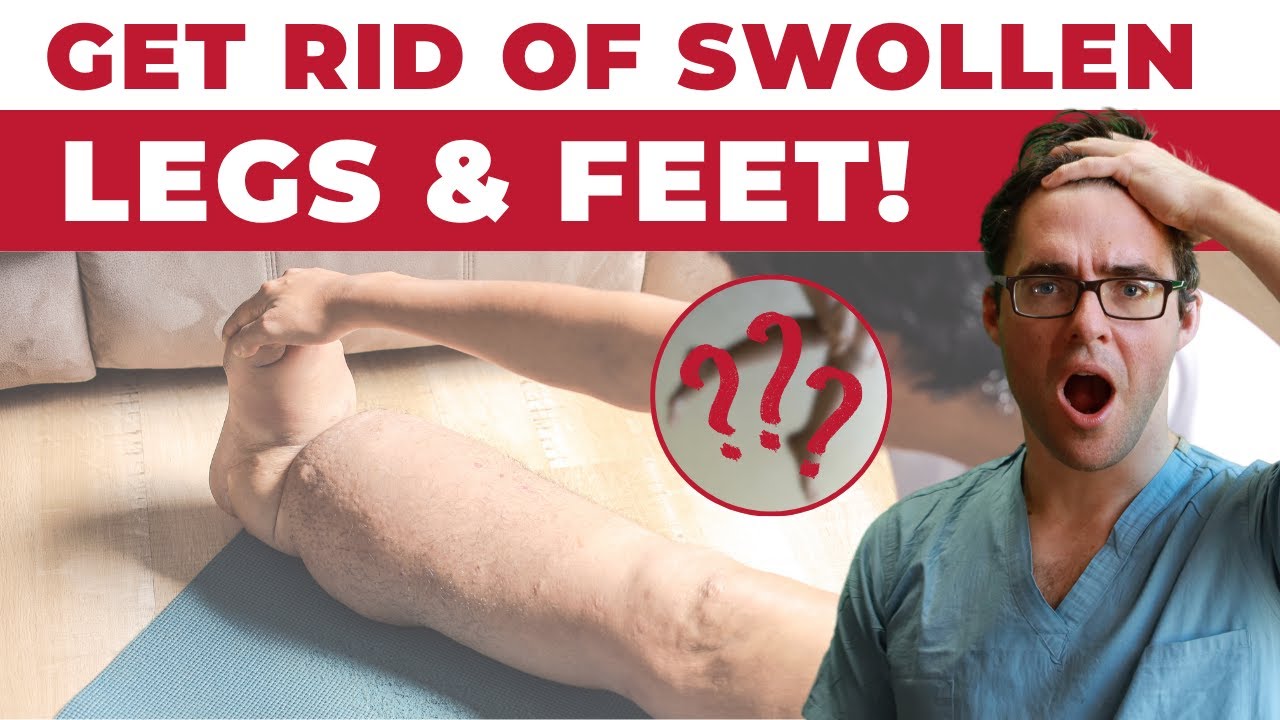
Medically Reviewed by Dr. Tom Biernacki, DPM — Board-Certified Podiatrist, Balance Foot & Ankle Specialists, Michigan. Last updated April 2026.
What Is Chronic Venous Insufficiency?
Chronic venous insufficiency (CVI) occurs when the one-way valves in the leg veins fail to maintain normal directional blood flow back toward the heart. Venous blood pools in the lower leg and foot, increasing venous hydrostatic pressure and forcing fluid out of the capillaries into the surrounding tissue. The result is persistent lower leg and foot swelling — edema — that is characteristically worse at the end of the day and after prolonged standing, and improved with leg elevation overnight.
CVI is among the most common chronic conditions in adults — affecting an estimated 25 percent of women and 15 percent of men in the United States. Despite its prevalence, it is frequently under-treated, leading to progressive skin changes and — in the most severe cases — venous stasis ulceration that is among the most challenging wounds in wound care.
Causes and Risk Factors
The most common cause of CVI is post-thrombotic syndrome — venous valve damage following deep vein thrombosis (DVT). Blood clots damage the delicate venous valves as they recanalize, leaving permanent valve insufficiency. Primary venous valve incompetence without prior DVT — thought to be inherited in many patients — is also common. Risk factors for CVI include prolonged standing or sitting occupations, obesity, pregnancy (which increases venous pressure), advanced age, female sex, and a family history of varicose veins or CVI.
Symptoms and Clinical Findings
The hallmark symptom of CVI is lower extremity swelling that is greatest at the ankle and foot, worsening through the day and improving overnight. Patients also experience leg heaviness, aching, and fatigue — particularly after prolonged standing. Varicose veins — enlarged, tortuous superficial veins visible beneath the skin — are present in many patients. Skin changes of chronic venous stasis include hemosiderin deposition (rusty brown discoloration), lipodermatosclerosis (firm, indurated, woody skin around the ankle and lower leg), and stasis dermatitis (scaling, itchy skin). Venous stasis ulcers — typically located at the medial gaiter area (lower medial leg and ankle) — are the most serious complication of advanced CVI.
Podiatric Considerations in Venous Insufficiency
The foot and ankle are the focal point of CVI pathology. Chronic venous edema creates several foot-specific problems: shoe fitting difficulty as foot volume increases through the day, skin maceration and breakdown in edematous skin, impaired wound healing in patients who develop foot ulcers, and increased infection risk from edematous skin with compromised barrier function. Patients with CVI and concurrent diabetes or peripheral arterial disease face compound wound healing challenges that require coordinated multidisciplinary care.
Treatment of Chronic Venous Insufficiency
Compression Therapy: The Foundation
Compression stockings and wraps are the cornerstone of CVI management. Graduated compression — highest at the ankle and decreasing toward the knee — counters venous pooling by externally supporting the venous walls and improving calf muscle pump efficiency. Medical-grade compression stockings rated 20 to 30 mmHg reduce edema, relieve aching, and slow progression of skin changes. For patients with active venous ulcers or more severe edema, 30 to 40 mmHg compression or layered compression systems (Unna boots, four-layer bandaging) provide more aggressive edema control.
Elevation and Exercise
Elevating the legs above heart level for 30 minutes three to four times daily reduces hydrostatic venous pressure and mobilizes interstitial fluid back into the vascular compartment. Regular walking activates the calf muscle pump — the most powerful physiological mechanism for promoting venous return. Patients who are active and maintain regular walking have significantly lower edema burden than sedentary patients with equivalent venous insufficiency.
Wound Care for Venous Stasis Ulcers
Venous stasis ulcers require moist wound healing dressings, compression, and treatment of any secondary infection. These wounds are managed by wound care specialists and podiatrists with training in complex wound management. Contact Balance Foot & Ankle for evaluation of any lower extremity wound, particularly in the context of known venous insufficiency or edema.
When to See a Podiatrist for Leg Swelling
Not all foot and ankle swelling is from venous insufficiency — lymphedema, cardiac failure, renal failure, and musculoskeletal conditions also cause lower extremity edema. Accurate diagnosis guides appropriate treatment. If you have persistent foot and ankle swelling, skin changes of the lower leg, or any wound in an area of chronic edema, contact Balance Foot & Ankle for evaluation and coordinated management.
Ready to Relieve Your Foot Pain?
Board-certified podiatrists serving Southeast Michigan. Same-week appointments available.
Book Your AppointmentVenous Insufficiency & Leg Swelling Treatment in Michigan
Chronic venous insufficiency causes persistent foot and ankle swelling, skin changes, and potential ulceration. Dr. Tom Biernacki at Balance Foot & Ankle provides hands-on exam plus imaging when needed and management of venous-related foot conditions at our Howell and Bloomfield Hills offices.
Learn About Our Vascular Foot Care Services | Book Your Appointment | Call (810) 206-1402
Clinical References
- Eberhardt RT, Raffetto JD. “Chronic venous insufficiency.” Circulation. 2014;130(4):333-346.
- O’Donnell TF Jr, et al. “Management of venous leg ulcers: clinical practice guidelines of the Society for Vascular Surgery and the American Venous Forum.” Journal of Vascular Surgery. 2014;60(2 Suppl):3S-59S.
- Rabe E, et al. “Guidelines of the German Society for Phlebology for diagnosis and treatment of venous insufficiency.” Phlebology. 2012;27(2):42-55.
Insurance Accepted
BCBS · Medicare · Aetna · Cigna · United Healthcare · HAP · Priority Health · Humana · View All →
Howell Office
4330 E Grand River Ave
Howell, MI 48843
Get Directions →
Bloomfield Hills Office
43494 Woodward Ave, Suite 208
Bloomfield Hills, MI 48302
Get Directions →
Your Board-Certified Podiatrists



Ready to Get Back on Your Feet?
Same-week appointments available at both locations.
Book Your AppointmentWatch: Venous Insufficiency
Dr. Tom explains venous insufficiency — foot swelling, symptoms, treatment, and compression therapy.

Venous Insufficiency Kit
Chronic venous insufficiency responds to compression + elevation. Dr. Tom’s kit:
As an Amazon Associate, Balance Foot & Ankle earns from qualifying purchases. This supports our free patient education content.
Therapeutic-grade compression — first-line treatment.
Elevates legs 12+ inches above heart — required dose.
Reduces inflammation component of edema.
Barrier repair — venous skin is fragile and cracks easily.
Related: Swollen Feet · Diabetic Foot Care · Book Same-Week Appointment
More Podiatrist-Recommended Foot Health Essentials
Hoka Clifton 10


![Stop These Mistakes Making Edema Swelling Worse! [Swollen Feet Ankles And Legs Fast Fix]](https://www.michiganfootdoctors.com/wp-content/cache/flying-press/4a7b775817c9c770ed7a9357a1ced610.jpg)
Watch: Stop These Mistakes Making Edema Swelling Worse! [Swollen Feet Ankles And Legs Fast Fix] — MichiganFootDoctors YouTube
Max-cushion everyday shoe — podiatrist favorite for walking and running.

OOFOS Recovery Slide

Impact-absorbing recovery sandal — wear after long days on your feet.
As an Amazon Associate, Balance Foot & Ankle earns from qualifying purchases. Product recommendations are based on clinical experience; prices and availability shown above update live from Amazon.
When to See a Podiatrist
If foot or ankle pain has been bothering you for more than a few weeks, home care alone may not be enough. Balance Foot & Ankle offers same-week appointments at our Howell and Bloomfield Hills clinics — no referral needed in most cases. Bring your current shoes and a short list of symptoms and we’ll build you a treatment plan in one visit.
Call Balance Foot & Ankle: (810) 206-1402 · Book online · Offices in Howell & Bloomfield Hills
In-Office Treatment at Balance Foot & Ankle
If home treatment isn’t providing relief for your foot and ankle conditions, our podiatry team at Balance Foot & Ankle can help with same-day evaluations and advanced in-office care.
Same-day appointments available. (810) 206-1402
Doctor Hoy’s Natural Pain Relief Gel
Natural topical pain relief I use in our clinic. Arnica + camphor formula — apply directly to the area 3–4x daily. ($20–25)
Shop Doctor Hoy’s →Frequently Asked Questions
How long does treatment take to work?
Most patients see improvement in 4-8 weeks with consistent conservative care. Persistent symptoms after 8 weeks need imaging and escalation.
When is surgery needed?
Surgery is reserved for cases that fail 3-6 months of conservative care, structural deformities, or fractures requiring stabilization.
Is this covered by insurance?
Most diagnostic visits and conservative treatments are covered by Medicare and major insurers. Custom orthotics often require diabetic or post-surgical justification.
Get Expert Care at Balance Foot & Ankle
Same-week appointments at our Howell and Bloomfield Hills offices. Board-certified podiatric surgeons. Most insurance accepted.

Dr. Tom Biernacki, DPM is a board-certified foot & ankle surgeon (ABFAS & ABPM) at Balance Foot & Ankle Specialists in Southeast Michigan. With over a decade of clinical experience, he specializes in heel pain, bunions, diabetic foot care, sports injuries, and minimally invasive surgery. Dr. Biernacki is a member of the APMA and ACFAS, and his patient education content on MichiganFootDoctors.com and YouTube has made him one of the most-followed foot & ankle educators on YouTube.