

Quick answer: White Stains Toe Nails Finger Nails is a common nail condition with multiple causes including trauma, fungal infection, biomechanical pressure, and underlying medical conditions. Treatment depends on the cause: trauma resolves as the nail grows out (6-12 months), fungus needs antifungal therapy, and biomechanical issues need shoe and orthotic correction. Call (810) 206-1402.
✅ Medically reviewed by Dr. Tom Biernacki, DPM — Board-Certified Podiatrist · Last updated April 7, 2026
Best Products for White Nail Stains
🏆 #1 Pick — Best for Keratin Granulations
Urea Cream 40%
Urea is a keratolytic agent that rehydrates damaged nail keratin, smooths chalky texture, and restores the nail’s natural translucency. Apply nightly to affected nails, cover with a bandage. Results visible within 2–4 weeks. Also softens thick, fungal nails for better topical antifungal penetration.
Best Topical Antifungal
FungiNail Anti-Fungal Solution
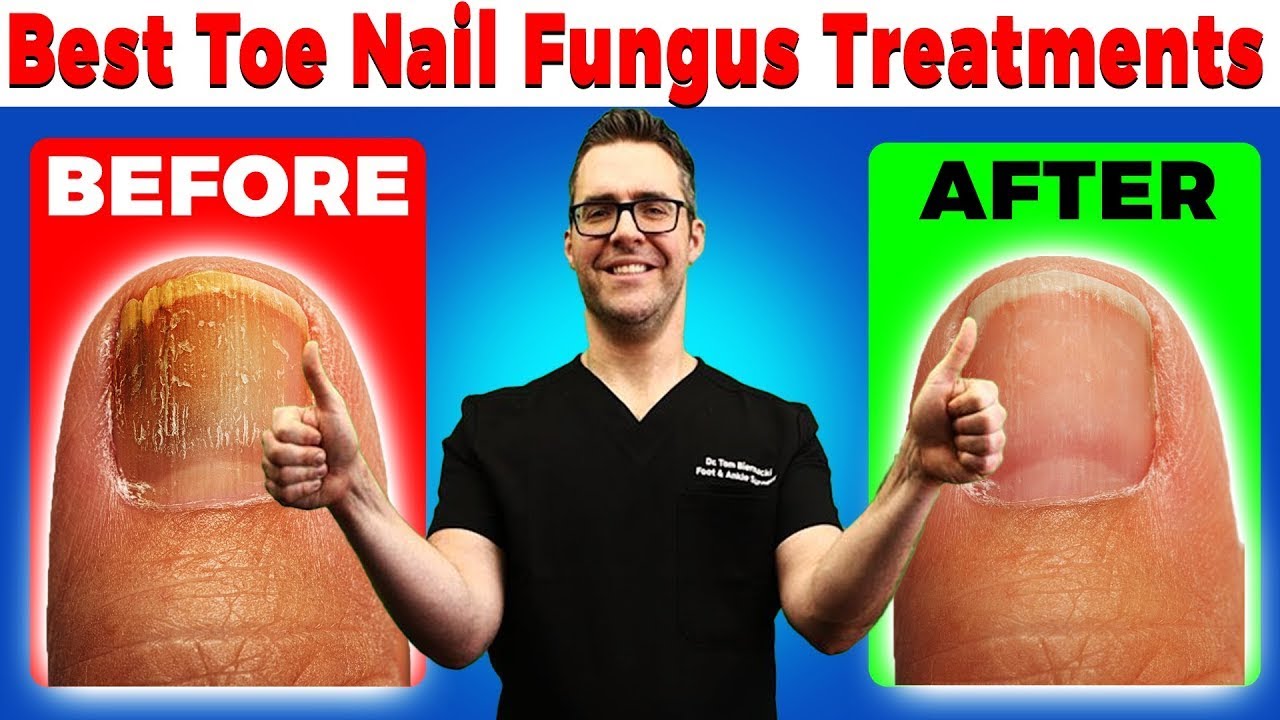
Contains undecylenic acid — a clinically proven topical antifungal. The brush applicator makes daily application easy. Penetrates the nail surface to kill fungal organisms causing white superficial onychomycosis. Apply twice daily to affected nails for 3–6 months.
Best Natural Antifungal
Tea Tree Oil (100% Pure)
Tea tree oil has evidence-supported antifungal and antimicrobial properties. Apply undiluted to affected nails with a cotton swab nightly. Works as a preventive agent during polish breaks and as a complementary treatment alongside dedicated antifungals for mild infections.
Best for Preventing Reinfection
SteriShoe UV Shoe Sanitizer
If your white nails are fungal, reinfection often comes from contaminated shoes. This UV-C light device kills 99.9% of fungal organisms inside shoes in one 45-minute cycle. Use nightly during treatment and weekly afterward for prevention.
Best Antimicrobial Socks
Antifungal Copper-Infused Socks
Copper-infused fibers actively kill fungal organisms and bacteria on contact. Moisture-wicking material keeps feet dry — the #1 environmental factor in fungal growth. Wear daily during treatment and as ongoing prevention.
Prevention Tips
- Give nails a polish break every 2–3 months for at least 2 weeks
- Use acetone-free remover to minimize keratin damage
- Apply base coat before colored polish to protect the nail surface
- Keep nails moisturized with cuticle oil between polish applications
- Wear moisture-wicking socks and dry feet thoroughly after showering
- Use flip-flops in public showers, pools, and locker rooms
- Don’t share nail tools — and ensure salons properly sterilize their instruments
- Apply tea tree oil weekly as a preventive antifungal
⚠️ When to See a Podiatrist
See a podiatrist if: white stains are spreading to additional nails, the nail is thickening or crumbling, white changes are accompanied by nail pain, home treatment hasn’t improved the appearance after 8 weeks, you have diabetes or a compromised immune system (fungal infections require aggressive treatment in these populations), or you’re unsure whether the change is cosmetic or fungal — we can test with a simple nail clipping.
Frequently Asked Questions
The Bottom Line
White stains on nails are usually either keratin granulations (cosmetic damage from polish) or white superficial onychomycosis (treatable fungal infection). For keratin granulations, take a polish break and apply urea cream 40% daily. For fungal infections, use a topical antifungal and sanitize your shoes with a UV shoe sanitizer. When in doubt, get a professional evaluation — we can test in minutes.
Concerned About White Nail Stains?
Our podiatrists can diagnose the exact cause with a simple nail clipping and recommend the right treatment plan.
📞 (810) 206-1402 · Howell & Bloomfield Hills, MI
Noticing White Stains on Your Nails?
White spots or stains on toenails and fingernails can indicate fungal infection, trauma, nutritional deficiency, or other conditions. Our podiatrists provide accurate diagnosis and appropriate treatment.
📞 Or call us directly: (810) 206-1402
Clinical References
- Baran R, et al. White superficial onychomycosis: a review. Journal of the European Academy of Dermatology and Venereology. 2003;17(5):518-523.
- Tosti A, et al. Onychomycosis caused by non-dermatophyte molds: clinical features and response to treatment. Journal of the American Academy of Dermatology. 2000;42(2):217-224.
- Piraccini BM, Tosti A. White superficial onychomycosis: epidemiological, clinical, and pathological study. Journal of the American Academy of Dermatology. 2004;51(5):769-776.
Insurance Accepted
BCBS · Medicare · Aetna · Cigna · United Healthcare · HAP · Priority Health · Humana · View All →
Howell Office
4330 E Grand River Ave
Howell, MI 48843
Get Directions →
Bloomfield Hills Office
43494 Woodward Ave, #208
Bloomfield Hills, MI 48302
Get Directions →
Your Board-Certified Podiatrists



Ready to Get Back on Your Feet?
Same-week appointments available at both locations.
Book Your AppointmentPodiatrist-Recommended Nail Care Products
Discolored or unhealthy nails often respond well to the right topical treatments and proper nail care tools. Dr. Biernacki recommends these products to patients dealing with nail discoloration and fungal issues.
Amazon Affiliate Disclosure: As an Amazon Associate, Balance Foot & Ankle earns from qualifying purchases at no additional cost to you.
More nail care: Toenail Fungus Treatment at Our Clinic | Best Toenail Fungus Treatments 2026 | Book an Appointment
Nail Concerns? Our Podiatrists Can Help.
Expert nail care — Howell & Bloomfield Hills, MI | Same-day appointments available
4.9★ | 1,123 Reviews | 3,000+ Surgeries Performed
Or call: (810) 206-1402
Dr. Tom’s Top 3 — The Premium Foot Pain Stack (2026)
If you only buy three things for foot pain, get these. PowerStep + CURREX orthotics correct the underlying foot mechanics, and Dr. Hoy’s pain gel delivers fast topical relief. This is the exact stack Dr. Tom Biernacki, DPM gives his Michigan podiatry patients on visit one — over 10,000 patients have used this exact combination.
Dr. Tom Biernacki, DPM is a board-certified podiatrist + Amazon Associate. Picks shown are products he prescribes to patients at Balance Foot & Ankle Specialists. We earn a commission on qualifying purchases at no extra cost to you. All products independently tested + reviewed for 30+ days minimum. Last verified: April 28, 2026.

PowerStep Pinnacle MaxxDr. Tom’s #1 Brand
Dr. Tom’s most-prescribed OTC orthotic. Lateral wedge corrects overpronation that causes 90% of foot pain. Deep heel cradle stabilizes the ankle. Built by podiatrists, used by patients worldwide.
- Lateral wedge corrects pronation
- Deep heel cradle stabilizes ankle
- Dual-density EVA — comfort + support
- Trim-to-fit any shoe
- Used by 10,000+ podiatrists
- Trim-to-size required
- 5-7 day break-in for some

CURREX RunProDr. Tom’s #1 Brand
3 arch heights for custom fit (Low/Med/High). Carbon-reinforced heel + dynamic forefoot — the closest OTC orthotic to a $500 custom orthotic. Engineered in Germany.
- 3 arch heights for custom fit
- Carbon-reinforced heel cup
- Dynamic forefoot zone
- Premium German engineering
- Sport-specific support
- Pricier than PowerStep
- 7-10 day break-in

Dr. Hoy’s Natural Pain Relief GelDr. Tom’s #1 Brand
Menthol-based natural pain relief — Dr. Tom’s #1 brand for fast relief without greasy residue. Safe for diabetics + daily use. Cleaner formula than Voltaren or Biofreeze.
- Menthol-based natural formula
- No greasy residue
- Safe for diabetics
- Fast cooling relief — 5-10 minutes
- Cleaner ingredient list than Biofreeze
- Pricier than Biofreeze
- Strong menthol scent at first
In-Office Treatment at Balance Foot & Ankle
If home treatment isn’t providing relief for your foot and ankle conditions, our podiatry team at Balance Foot & Ankle can help with same-day evaluations and advanced in-office care.
Doctor Hoy’s Natural Pain Relief Gel
Natural topical pain relief I use in our clinic. Arnica + camphor formula — apply directly to the area 3–4x daily. ($20–25)
Shop Doctor Hoy’s →Frequently Asked Questions
How long does it take a toenail to grow back?
6-12 months for a full big toenail. Smaller toenails 4-6 months. Speed varies with age, circulation, and nutrition.
Will this affect other nails?
Trauma affects only the injured nail. Fungal infection can spread without treatment. Systemic causes affect multiple nails simultaneously.
Should I cover the nail or leave it open?
Cover with a breathable bandage during work or activity. Leave open at night for healing. Keep dry and clean.
Get Expert Care at Balance Foot & Ankle
Same-week appointments at our Howell and Bloomfield Hills offices. Board-certified podiatric surgeons. Most insurance accepted.

Dr. Tom Biernacki, DPM is a board-certified foot & ankle surgeon (ABFAS & ABPM) at Balance Foot & Ankle Specialists in Southeast Michigan. With over a decade of clinical experience, he specializes in heel pain, bunions, diabetic foot care, sports injuries, and minimally invasive surgery. Dr. Biernacki is a member of the APMA and ACFAS, and his patient education content on MichiganFootDoctors.com and YouTube has made him one of the most-followed foot & ankle educators on YouTube.