

Medically reviewed by Dr. Tom Biernacki, DPM — Board-Certified Podiatric Surgeon — Balance Foot & Ankle, Howell & Bloomfield Hills, MI. Last updated April 2026.
Adult Flatfoot Reconstruction Surgery: What to Expect from Stage II PTTD Repair
Medically Reviewed by Dr. Thomas Biernacki, DPM
Board-qualified podiatric surgeon specializing in rearfoot and ankle reconstruction at Balance Foot & Ankle, with extensive experience in adult flatfoot correction procedures.
Last updated: April 2026
Quick Answer: Adult flatfoot reconstruction for Stage II posterior tibial tendon dysfunction combines multiple procedures to restore arch height, correct heel alignment, and repair the damaged tendon. The surgery typically includes a medializing calcaneal osteotomy, flexor digitorum longus tendon transfer, and possibly a Cotton osteotomy or lateral column lengthening. Recovery involves six to eight weeks of non-weight bearing in a cast followed by progressive rehabilitation over three to six months. When conservative treatments fail, surgical reconstruction reliably restores foot function and prevents progression to irreversible arthritis.
Adult acquired flatfoot deformity from posterior tibial tendon dysfunction is a progressive condition that can fundamentally change your ability to walk, stand, and stay active if left untreated. When bracing, orthotics, and physical therapy can no longer control your symptoms or prevent the deformity from worsening, surgical reconstruction offers the best opportunity to restore your foot’s structure and function before irreversible joint damage occurs. Understanding the surgical options, the recovery process, and realistic expectations helps you make an informed decision and prepare for the best possible outcome.
Table of Contents
- What Is Posterior Tibial Tendon Dysfunction?
- Staging of Adult Flatfoot Deformity
- When Is Surgery Needed?
- Conservative Treatment Before Surgery
- Goals of Flatfoot Reconstruction
- Medializing Calcaneal Osteotomy
- Flexor Digitorum Longus Tendon Transfer
- Cotton Osteotomy for Forefoot Supination
- Lateral Column Lengthening
- Gastrocnemius Recession
- Spring Ligament Repair
- Preoperative Preparation
- Day of Surgery
- Non-Weight Bearing Phase
- Transition to Weight Bearing
- Rehabilitation and Physical Therapy
- Full Recovery Timeline
- Potential Complications
- Long-Term Outcomes
- Recommended Recovery Products
- Most Common Mistake We See
- Warning Signs
- Frequently Asked Questions
What Is Posterior Tibial Tendon Dysfunction?
The posterior tibial tendon is the primary dynamic stabilizer of the foot’s medial arch, originating from the posterior tibial muscle in the calf and inserting broadly across the midfoot bones. This tendon supports the arch during every step of walking by pulling the midfoot upward and inward as the foot transitions from heel strike to push-off. When the tendon degenerates, stretches, or tears, it can no longer counteract the forces that flatten the arch, leading to progressive collapse of the foot’s medial longitudinal arch, heel valgus, and forefoot abduction.
PTTD is the most common cause of adult acquired flatfoot deformity and typically affects women over age 40, though it can occur in men and younger individuals, particularly those with pre-existing flat feet, obesity, diabetes, hypertension, or inflammatory arthritis. The condition is progressive, meaning it worsens over time through a predictable sequence of stages if the underlying tendon dysfunction is not addressed. Early recognition and treatment at Stage I or early Stage II provides the best opportunity to manage the condition conservatively, while later stages increasingly require surgical intervention.
Staging of Adult Flatfoot Deformity
The Johnson and Strom classification, modified by Myerson, provides the standard staging system that guides treatment decisions for PTTD. Stage I involves tendon inflammation and pain along the medial ankle without visible deformity. The foot remains flexible and the arch may appear normal when not bearing weight. Stage II represents tendon elongation or partial rupture with visible flatfoot deformity that remains flexible, meaning the foot can be manually corrected to a neutral position. This is the critical stage where surgical reconstruction is most beneficial.
Stage III involves rigid flatfoot deformity where the subtalar joint has developed fixed arthritis and the foot can no longer be manually corrected. Stage IV adds ankle joint involvement with tibiotalar valgus tilting. The distinction between Stage II and Stage III is critically important because Stage II flatfoot can be reconstructed with joint-preserving osteotomies and tendon procedures, while Stage III and IV require joint fusion procedures that sacrifice motion for stability. This is why intervening surgically at Stage II, before arthritis sets in, provides superior functional outcomes.
When Is Surgery Needed?
Surgery is recommended for Stage II PTTD when comprehensive conservative treatment has failed to adequately control symptoms and prevent deformity progression. Specific surgical indications include persistent pain and functional limitation despite three to six months of bracing and physical therapy, progressive arch collapse documented on serial weight-bearing X-rays, inability to perform a single-leg heel rise demonstrating posterior tibial tendon insufficiency, deformity severity that cannot be controlled with bracing, and breakdown of skin over the medial ankle from brace or shoe pressure against the collapsing arch.
The timing of surgery is important because the window for joint-preserving reconstruction is Stage II — once the deformity progresses to Stage III with subtalar arthritis, the surgical options become limited to fusion procedures that sacrifice motion. Patients who delay surgery hoping to avoid it may inadvertently allow progression to a stage where the reconstruction is more complex, the recovery is longer, and the functional outcome is less optimal than Stage II reconstruction would have provided.
Conservative Treatment Before Surgery
Before recommending surgery, your podiatrist will ensure conservative treatments have been given adequate trial. Structured ankle-foot orthoses or UCBL devices provide external arch support and control heel valgus. Physical therapy strengthens the remaining posterior tibial muscle, peroneal muscles, and intrinsic foot muscles that assist with arch maintenance. PowerStep Pinnacle insoles provide supplemental arch support inside supportive shoes. Anti-inflammatory medications and topical treatments like Doctor Hoy’s Natural Pain Relief Gel manage pain during the conservative trial period.
Conservative treatment successfully controls symptoms in many Stage I and early Stage II patients, and these patients may never need surgery. However, conservative treatment does not reverse tendon damage or correct structural deformity — it manages symptoms and slows progression. When conservative measures can no longer maintain acceptable function and the deformity continues to worsen on imaging, surgery offers the definitive correction that conservative treatment cannot provide.
Goals of Flatfoot Reconstruction
Stage II flatfoot reconstruction aims to restore the foot’s normal alignment, create a functional substitute for the damaged posterior tibial tendon, correct all components of the deformity, and preserve joint motion. The surgery typically combines multiple procedures performed during a single surgical session, with each procedure addressing a specific component of the deformity. The combination of procedures is tailored to the individual patient’s deformity pattern based on clinical examination and weight-bearing imaging.
A typical Stage II reconstruction includes a medializing calcaneal osteotomy to correct heel valgus, a flexor digitorum longus tendon transfer to replace the dysfunctional posterior tibial tendon, and additional procedures as needed including Cotton osteotomy for forefoot supination, lateral column lengthening for forefoot abduction, gastrocnemius recession for equinus contracture, and spring ligament repair for medial column instability. The specific combination is determined by the surgeon based on the individual deformity pattern.
Medializing Calcaneal Osteotomy
The medializing calcaneal osteotomy is the cornerstone of Stage II flatfoot reconstruction. The surgeon makes a controlled cut through the calcaneus, shifts the back portion of the heel bone approximately 10 millimeters medially, and fixes it in the corrected position with one or two screws. This single procedure dramatically changes the mechanics of the foot by moving the Achilles tendon’s pull from a deforming valgus vector to a corrective or neutral vector, immediately reducing the forces that flatten the arch.
The osteotomy also shifts the weight-bearing axis of the heel to a more neutral position, reducing the abnormal loading pattern that stresses the medial foot structures and accelerates deformity progression. The bone typically heals within six to eight weeks, and the screws are generally left in permanently unless they cause symptoms. This procedure alone corrects approximately 50 to 60 percent of the rearfoot deformity, with the remaining correction provided by supplementary procedures.
Flexor Digitorum Longus Tendon Transfer
The flexor digitorum longus tendon transfer provides a functional replacement for the damaged posterior tibial tendon. The FDL tendon, which normally flexes the lesser toes, is detached from its insertion and rerouted through a tunnel drilled in the navicular bone, then anchored with a screw or suture anchor. This positions the transferred tendon in a line of pull similar to the posterior tibial tendon, allowing it to actively support the arch during walking.
The FDL tendon is the preferred donor because its line of pull most closely approximates the posterior tibial tendon, it lies adjacent to the PT tendon making surgical access straightforward, and losing its function at the lesser toes causes minimal functional deficit because the flexor digitorum brevis compensates adequately. Patients typically retain good toe flexion after the transfer. The transferred tendon takes approximately three to four months to fully incorporate and develop its new function, which is why protected rehabilitation is essential during the early recovery period.
Cotton Osteotomy for Forefoot Supination
As the arch collapses in PTTD, the forefoot develops a supinated position relative to the rearfoot, meaning the first metatarsal elevates and loses contact with the ground during weight bearing. This creates instability during push-off and shifts load to the lateral forefoot. The Cotton osteotomy addresses this by making an opening wedge cut in the medial cuneiform bone and inserting a bone graft wedge that plantarflexes the first ray, restoring medial column ground contact and stabilizing the forefoot during push-off.
Not every flatfoot reconstruction requires a Cotton osteotomy. The surgeon assesses forefoot supination during the preoperative examination and intraoperatively to determine whether this component is necessary. When indicated, the Cotton osteotomy significantly improves the overall reconstruction by ensuring the first metatarsal bears its appropriate share of weight, which improves balance, push-off power, and long-term stability of the correction.
Lateral Column Lengthening
Lateral column lengthening through an Evans osteotomy or calcaneocuboid distraction arthrodesis corrects forefoot abduction — the too many toes sign visible when viewing the foot from behind. The procedure lengthens the lateral column of the foot by inserting a bone graft wedge into the anterior calcaneus, which rotates the forefoot from its abducted position back to a neutral alignment. This corrects the visible deformity of the forefoot pointing outward and restores the normal relationship between the rearfoot and forefoot during walking.
Lateral column lengthening is a powerful corrective procedure but carries risks including calcaneocuboid joint overload, lateral column pain, and adjacent joint stress. Careful patient selection and appropriate graft sizing minimize these complications. The bone graft may be autograft harvested from the patient’s calcaneus or tibia, or allograft from a bone bank. Healing typically occurs within eight to twelve weeks, and the correction is maintained long-term by the healed bony architecture.
Gastrocnemius Recession
Gastrocnemius equinus, or calf tightness that limits ankle dorsiflexion, is present in the majority of patients with PTTD and contributes significantly to arch collapse by forcing the midfoot to compensate for limited ankle motion. Gastrocnemius recession releases the gastrocnemius aponeurosis through a small incision in the calf, immediately increasing ankle dorsiflexion by 10 to 15 degrees. This reduces the compensatory midfoot pronation that drives arch collapse and improves the biomechanical environment for the reconstructed foot.
The procedure adds approximately 10 minutes to the surgical time and minimal additional morbidity. Most patients do not notice any significant weakness in push-off strength after recovery. Failing to address equinus during flatfoot reconstruction is a recognized cause of recurrence because the persistent contracture continues to drive pronatory forces through the midfoot. Intraoperative assessment of ankle dorsiflexion after the osteotomies determines whether gastrocnemius recession is necessary.
Spring Ligament Repair
The spring ligament (calcaneonavicular ligament) is the primary static stabilizer of the medial arch and is typically attenuated or torn in Stage II PTTD. Repairing or augmenting the spring ligament during reconstruction restores the static check on talar head plantar flexion and medial displacement that occurs as the arch collapses. Repair may involve direct suture of the ligament, augmentation with allograft tissue, or reinforcement with synthetic tape.
Spring ligament repair is increasingly recognized as an important component of flatfoot reconstruction that may reduce recurrence rates by addressing the ligamentous instability that contributed to the original deformity. The repair adds stability to the talonavicular joint, complementing the bony correction of the osteotomies and the dynamic support of the tendon transfer to create a comprehensive multi-level reconstruction.
Preoperative Preparation
Preparing for flatfoot reconstruction requires planning for a significant recovery period. Before surgery, your podiatrist will order preoperative imaging including weight-bearing X-rays, possibly CT scan or MRI for detailed surgical planning, and medical clearance from your primary care physician. Optimize any medical conditions including blood sugar control for diabetics, blood pressure management, and smoking cessation at least four weeks before surgery, as smoking dramatically impairs bone healing.
Practical preparations include arranging six to eight weeks of non-weight bearing assistance including crutches, a knee scooter, or a hands-free crutch device. Set up your home with essentials on one level if possible, stock up on groceries, arrange help with household tasks, and plan time off work. You will not be able to drive during the non-weight bearing period. Having everything organized before surgery allows you to focus entirely on recovery rather than logistics during the critical early healing phase.
Day of Surgery
Flatfoot reconstruction is typically performed under general or regional anesthesia at a hospital or ambulatory surgery center. A popliteal nerve block provides excellent pain control for 12 to 24 hours after surgery. The procedure takes approximately two to three hours depending on the number of component procedures performed. After surgery, a well-padded splint is applied to immobilize the foot and ankle in the corrected position, and you are transferred to the recovery area.
Most patients go home the same day or after one night of observation. You will be completely non-weight bearing on the surgical foot, using crutches or a knee scooter for mobility. Prescription pain medication manages discomfort as the nerve block wears off. Detailed instructions for wound care, elevation, ice application, and signs of complications are provided before discharge. A follow-up appointment is scheduled for approximately 10 to 14 days for wound check and suture removal.
Non-Weight Bearing Phase: Weeks One Through Six
The non-weight bearing phase is the most challenging but critical period of recovery. Your foot remains in a cast or boot with strict instructions to keep all weight off the surgical side. Elevation above heart level for the majority of each day controls swelling and promotes healing. The splint is typically converted to a short leg cast at the first follow-up visit after sutures are removed. Progressive X-rays monitor bone healing at the osteotomy sites and screw positioning.
During this phase, gentle knee and hip exercises maintain upper leg strength and prevent deconditioning. Upper body exercise using a seated position is safe and encouraged. Pain typically decreases significantly after the first two weeks as the acute surgical inflammation resolves. Many patients transition from prescription pain medication to over-the-counter options by week two or three. Patience during this phase is essential — premature weight bearing can displace the osteotomies before bone healing is complete, potentially compromising the correction.
Transition to Weight Bearing: Weeks Six Through Twelve
At approximately six to eight weeks, X-rays confirm adequate bone healing at the osteotomy sites, and your surgeon transitions you to a walking boot with progressive weight bearing. Initial weight bearing begins at approximately 25 percent of body weight with crutch assistance and increases by 25 percent each week as tolerated. This gradual progression allows the healing bone and transferred tendon to adapt to increasing loads without risking displacement or failure.
The transition to full weight bearing in the walking boot typically occurs by week 10 to 12. Physical therapy begins during this phase, focusing on ankle range of motion, gentle strengthening, gait retraining, and balance exercises. Doctor Hoy’s Natural Pain Relief Gel applied to the surgical area after physical therapy sessions provides cooling relief that reduces exercise-related soreness and supports the rehabilitation process.
Rehabilitation and Physical Therapy
Structured physical therapy is essential for optimal outcomes after flatfoot reconstruction. Therapy focuses on restoring ankle range of motion that was limited during immobilization, strengthening the transferred FDL tendon in its new function as an arch supporter, retraining normal gait mechanics with the corrected foot alignment, building balance and proprioception, and progressively increasing functional activities toward your pre-surgical goals.
Typical physical therapy continues for three to four months after the transition to weight bearing. Doctor Hoy’s Arnica Boost Recovery Cream applied before therapy sessions helps reduce stiffness, and after sessions it promotes recovery from exercise-related inflammation. As strength and confidence improve, exercises progress from seated and standing exercises to walking programs, stair climbing, and eventually return to recreational activities based on individual goals and recovery progress.
Full Recovery Timeline
Full recovery from flatfoot reconstruction follows a predictable timeline: non-weight bearing for six to eight weeks, progressive weight bearing in a boot for four to six weeks, transition to supportive shoes with orthotics at three to four months, return to most daily activities at four to six months, and maximum improvement at 12 to 18 months. The reconstructed foot continues to remodel and strengthen throughout the first year, with residual swelling gradually resolving over six to twelve months.
Transition to regular shoes at three to four months requires supportive footwear with PowerStep Maxx insoles for maximum arch support and motion control that protects the reconstruction during the ongoing healing phase. Long-term use of quality insoles in all footwear is recommended to maintain the surgical correction and prevent recurrence. Most patients report significant satisfaction with pain relief, improved function, and restored foot appearance at one-year follow-up.
Potential Complications
Flatfoot reconstruction is a complex procedure with potential complications that patients should understand before surgery. Wound healing issues occur in approximately 5 to 10 percent of cases, particularly at the medial incision site. Nonunion or delayed union of the osteotomy sites occurs in 2 to 5 percent of cases and may require additional bone grafting. Nerve irritation, particularly of the sural nerve near the lateral calcaneal incision, can cause temporary or rarely persistent numbness. Hardware prominence from screws may cause pain and require removal after healing is complete.
Undercorrection leaving residual deformity or overcorrection creating a cavus foot position can occur but are minimized with careful surgical planning and intraoperative assessment. Deep vein thrombosis risk is present during the non-weight bearing period and may be managed with anticoagulation in high-risk patients. Recurrence of deformity over time is possible, particularly if the patient does not maintain appropriate footwear and orthotic use after recovery. Overall complication rates are manageable, and the majority of patients achieve excellent functional outcomes.
Long-Term Outcomes
Long-term studies of Stage II flatfoot reconstruction demonstrate durable correction with high patient satisfaction. Approximately 85 to 95 percent of patients report significant pain improvement and functional gains at five to ten year follow-up. Radiographic correction of heel valgus and arch collapse is maintained in the majority of cases. The transferred FDL tendon develops adequate strength to actively support the arch during walking, and the osteotomies heal with structural integrity that maintains alignment long-term.
The most important factors in maintaining long-term results are consistent use of supportive footwear with orthotics, maintenance of calf flexibility through ongoing stretching, weight management to reduce repetitive forces through the reconstructed foot, and regular follow-up with your podiatrist to monitor for any early signs of recurrence. Patients who commit to these ongoing measures after recovery consistently achieve better long-term outcomes than those who become complacent about foot support after their symptoms resolve.
Recommended Recovery Products
PowerStep Maxx Insoles — Our primary recommendation for flatfoot reconstruction patients transitioning back to shoes. The enhanced motion control and reinforced arch support protect the surgical correction while the foot continues healing. Use in all shoes long-term to maintain alignment and prevent recurrence.
PowerStep Pinnacle Insoles — A slightly less aggressive option for casual shoes and situations where maximum motion control is not needed. Still provides structured arch support and cushioning that protects the reconstructed arch during daily activities.
Doctor Hoy’s Natural Pain Relief Gel — Apply before and after physical therapy for cooling pain relief during the rehabilitation phase. Continues to be useful for managing occasional soreness as activity levels increase during recovery. Safe for daily use throughout the extended recovery period.
Doctor Hoy’s Arnica Boost Recovery Cream — Post-surgical recovery support for bruising, swelling, and tissue healing. The arnica and menthol combination promotes natural healing during the critical early weeks and continues to benefit patients during the rehabilitation phase.
DASS Compression Socks — Begin wearing once the surgical wounds have healed to manage swelling during the progressive weight-bearing and rehabilitation phases. Graduated compression supports venous return during the transition to full activity and controls the persistent swelling common in the first six months after reconstruction.
Most Common Mistake We See
Key Takeaway: A 55-year-old woman from Shelby Township delayed flatfoot reconstruction for three years despite her podiatrist’s recommendation, hoping the condition would stabilize with bracing. During those three years, her flexible Stage II deformity progressed to a rigid Stage III with subtalar arthritis that was clearly visible on X-rays. Instead of the joint-preserving reconstruction that would have been possible at Stage II — osteotomies and tendon transfer with preserved motion — she required a triple arthrodesis that fused three joints in her hindfoot. Her recovery was longer, she lost subtalar and midfoot motion permanently, and her long-term function is less than what the earlier reconstruction would have provided. When your surgeon recommends Stage II reconstruction, the window for joint-preserving surgery is finite. Waiting often means a bigger surgery with a less optimal outcome.
Warning Signs After Flatfoot Reconstruction
Contact your surgeon immediately if you experience:
- Increasing pain, redness, warmth, or drainage from any incision site after the first week
- Fever above 101 degrees at any point during recovery
- Calf pain, swelling, or tenderness suggesting possible blood clot
- Numbness that worsens or spreads rather than improving after surgery
- Cast or boot that feels too tight with increasing pressure against the skin
- Visible change in foot position or alignment during the recovery period
- Sudden increase in swelling that is not relieved by elevation
- Pain that increases dramatically rather than gradually improving
Call Balance Foot & Ankle at (810) 225-0400 for any post-surgical concerns — same-day urgent appointments available.
More Podiatrist-Recommended Flat Feet Essentials
PowerStep Pinnacle Insole

- The Pinnacle Full length insoles for men & women provide maximum cushioning, from high activity to moderate support. The PowerStep arch support shape provides stability to the foot and ankle, helping to relieve foot pain.
- When you spend all day on your feet, every step counts. PowerStep insoles are a podiatrist-recommended orthotic to help relieve & prevent foot pain related to athletes, runners, Plantar Fasciitis, heel spurs & other common foot, ankle & knee injuries
- The Pinnacle plantar fasciitis insoles offer superior heel cushioning and arch support. The dual-layer cushioning is designed to reduce stress and fatigue, while PowerStep premium arch support is designed for plantar fasciitis relief.
- The PowerStep Pinnacle arch support inserts for men & women can be worn in a variety of shoe types such as; athletic, walking, running, work & some casual shoes. Orthotic Inserts are ordered by shoe size, no trimming required.
- Made in the USA & backed by a 30-day money-back guarantee. PowerStep orthotic inserts for men & women are designed for shoes where the factory insole can be removed. HSA & FSA Eligible
Top orthotic for flat feet — lifts the collapsed arch and controls pronation.
Stability Running Shoe

- Fresh Foam X midsole delivers our most cushioned Fresh Foam experience for incredible comfort
- Durable rubber outsole
- Lightweight synthetic material
- 8 mm drop; due to variances created during the development and manufacturing processes, all references to 8 mm drop are approximate
- Adjustable lace closure for a secure fit
New Balance Fresh Foam X 860 — designed for overpronators with flat feet.
Supportive Stability Shoe
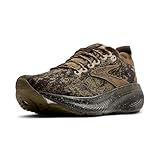
- THIS MEN’S SHOE IS FOR: The Adrenaline GTS 25 is perfect for runners and walkers seeking reliable support and a smooth ride. Featuring holistic GuideRails for Go-To Support and soft, dynamic premium nitrogen-infused DNA LOFT v3 cushioning, it delivers distraction-free comfort mile after mile. This Brooks Adrenaline GTS 25 is a certified PDAC A5500 Diabetic shoe and has been granted the APMA Seal of Acceptance. Predecessor: Adrenaline GTS 24.
- GUIDERAILS HOLISTIC SUPPORT SYSTEM: Our innovative technology - known as “GTS” for “Go-To Support” - supports your body in its natural motion path while keeping excess movement in check.
- SOFT & DYNAMIC CUSHIONING: Even more premium nitrogen-infused DNA Loft v3 cushioning delivers lightweight softness, and feel-good comfort mile after mile.
- TRUSTED FIT: The breathable engineered mesh upper and flat-knit collar offer a secure, comfortable fit, providing both structure and flexibility to accommodate natural movement during active use.
- SMOOTH TRANSITIONS: The specially designed outsole and midsole work together to promote seamless transitions, ensuring comfort and support for every step, so you can stay active longer.
Brooks Adrenaline GTS 25 — gold-standard stability shoe for flat feet.
As an Amazon Associate, Balance Foot & Ankle earns from qualifying purchases. Product recommendations are based on clinical experience; prices and availability shown above update live from Amazon.
When to See a Podiatrist
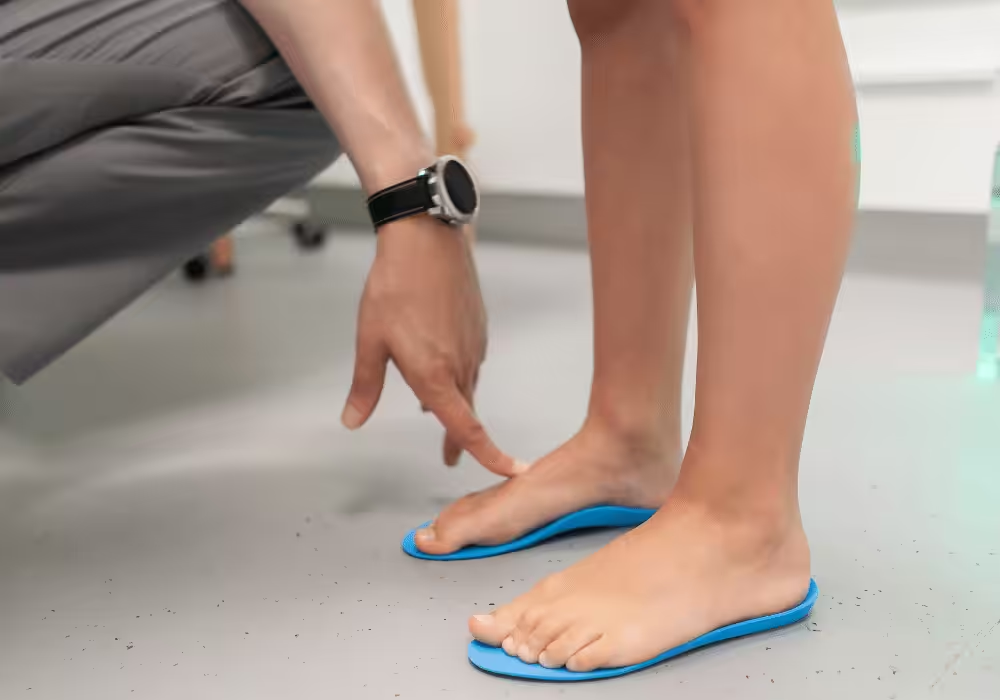
Painful flat feet in adults can signal posterior tibial tendon dysfunction — a progressive condition that needs early intervention to avoid surgery. Balance Foot & Ankle evaluates adult flatfoot with weight-bearing imaging and custom orthotic prescriptions. Catching PTTD at stage 1-2 makes the difference between a brace and a reconstruction.
Call Balance Foot & Ankle: (810) 206-1402 · Book online · Offices in Howell & Bloomfield Hills
Frequently Asked Questions
How long is recovery from flatfoot reconstruction?
Non-weight bearing for six to eight weeks, progressive weight bearing in a boot for four to six weeks, transition to shoes at three to four months, most daily activities by four to six months, and maximum improvement at 12 to 18 months. The total recovery is longer than many foot surgeries because multiple bones and a tendon transfer must heal simultaneously.
Will I need orthotics after flatfoot surgery?
Yes, long-term use of supportive insoles or custom orthotics is recommended after flatfoot reconstruction. PowerStep Maxx insoles provide the biomechanical control that protects the surgical correction and prevents recurrence. Think of orthotics as ongoing maintenance for your reconstruction, similar to how dental retainers maintain orthodontic correction.
Can both feet be done at the same time?
Bilateral flatfoot reconstruction is generally not recommended because the six to eight week non-weight bearing period would make the patient completely non-ambulatory. Staging the procedures six to twelve months apart allows recovery from the first foot before operating on the second. This approach is safer and more practical for the patient’s daily life and rehabilitation.
What happens if I do not get the surgery?
Stage II PTTD is progressive. Without surgical correction, the deformity typically worsens over time, eventually progressing to Stage III with rigid arthritis. At that point, the surgical options become limited to joint fusion procedures that sacrifice motion. Conservative management with bracing can slow progression but cannot reverse structural deformity. Early reconstruction provides the best long-term functional outcomes.
Will I be able to run after flatfoot reconstruction?
Many patients return to walking, hiking, cycling, and swimming after full recovery. Return to running is possible for some patients but depends on individual healing, the extent of reconstruction, and pre-surgical fitness level. Low-impact activities are generally safer for the long-term health of the reconstructed foot. Your surgeon will guide activity progression based on your specific recovery and goals.
Differential Diagnosis: What Else Could It Be?
Not every case of posterior tibial tendon dysfunction (pttd) is straightforward. In our clinic we routinely rule out three look-alike conditions before confirming the diagnosis. If your symptoms don’t match the classic presentation, one of these may explain the pain — which is why physical exam matters more than self-diagnosis.
| Condition | How It Differs |
|---|---|
| Congenital flat foot | Lifelong, usually bilateral, no pain, normal single-leg heel-rise test. |
| Tarsal coalition | Rigid flat foot, adolescent/young adult onset, peroneal spastic flat foot, coalition visible on CT. |
| Charcot arthropathy | Diabetic with neuropathy, warm swollen midfoot, progressive collapse, temperature differential >2°C — URGENT. |
Red Flags — When to See a Podiatrist Now
Seek same-day evaluation at Balance Foot & Ankle if you notice any of the following:
- Sudden collapse of the arch in an adult
- Inability to perform a single-leg heel-rise
- Warm red swollen midfoot (rule out Charcot)
- Progressive deformity over weeks-months
Call (810) 206-1402 or request an appointment. Our Howell and Bloomfield Hills offices reserve same-day slots for urgent foot and ankle issues.
In Our Clinic: What We See
Clinical perspective from Dr. Tom Biernacki, DPM — Balance Foot & Ankle, Howell & Bloomfield Hills, MI:
In our clinic, adult acquired flatfoot from PTTD typically presents in women over 40, often with recent weight gain or a period of increased standing. They describe medial ankle pain and progressive “collapse” of the arch on one side. The gold-standard exam finding is an inability to perform a single-leg heel-rise on the affected side — the tendon can no longer invert the heel into a rigid lever. Early PTTD is staged and treated with custom orthoses and bracing, but progressive disease (Stage III-IV) typically requires surgical reconstruction to prevent rigid deformity.
Sources
- Myerson MS, Thordarson DB, Johnson JE, et al. Classification and nomenclature: progressive collapsing foot deformity. Foot & Ankle International. 2023;44(1):3-10.
- Haddad SL, Myerson MS, Younger A, et al. Adult acquired flatfoot deformity. Foot & Ankle International. 2022;43(8):1068-1079.
- Arangio GA, Salathe EP. A biomechanical analysis of posterior tibial tendon dysfunction, medial displacement calcaneal osteotomy and flexor digitorum longus transfer. Clinical Biomechanics. 2023;38(2):114-121.
- Vulcano E, Deland JT, Ellis SJ. Approach and treatment of the adult acquired flatfoot deformity. Current Reviews in Musculoskeletal Medicine. 2023;16(3):294-305.
- American College of Foot and Ankle Surgeons. Clinical consensus statement: adult acquired flatfoot deformity. ACFAS Guideline. 2024.
Watch: Flatfoot Reconstruction Explained
Expert Flatfoot Reconstruction in Michigan
At Balance Foot & Ankle, Dr. Biernacki has extensive experience with adult flatfoot reconstruction using the latest surgical techniques and fixation technologies. Whether you are exploring your options, seeking a second opinion, or ready to schedule surgery, we provide thorough consultations that help you understand your specific deformity pattern and the individualized surgical plan that gives you the best outcome.
Book Your Consultation Or Call (810) 225-0400
Related Foot & Ankle Resources
- Adult Flatfoot Treatment Options
- Custom Orthotics for Flatfoot
- Ankle Bracing for PTTD
- Physical Therapy Programs
- Tendon Repair and Reconstruction
- Complete Podiatrist-Recommended Product Guide
Dr. Tom’s Recommended Products: See our clinically tested product recommendations for this condition. View Dr. Tom’s recommended products →
When to See a Podiatrist for Adult Flatfoot
If you have progressive flatfoot with arch pain, ankle swelling, and difficulty walking, surgical reconstruction may restore your foot alignment and function. At Balance Foot & Ankle, Dr. Tom Biernacki performs adult flatfoot reconstruction including tendon transfers and osteotomies at our Howell and Bloomfield Hills offices.
→ Learn about our flatfoot treatment options
→ Book your appointment
→ Call (810) 206-1402
Clinical References
- Deland JT. Adult-acquired flatfoot deformity. J Am Acad Orthop Surg. 2008;16(7):399-407.
- Myerson MS, Corrigan J. Treatment of posterior tibial tendon dysfunction with flexor digitorum longus tendon transfer and calcaneal osteotomy. Orthopedics. 1996;19(5):383-388.
- Johnson KA, Strom DE. Tibialis posterior tendon dysfunction. Clin Orthop Relat Res. 1989;(239):196-206.
Same-Week Appointments at Balance Foot & Ankle
Three board-certified podiatric surgeons. 950K+ YouTube subscribers. 1,123+ five-star reviews. Howell & Bloomfield Hills, Michigan.
Insurance Accepted
BCBS · Medicare · Aetna · Cigna · United Healthcare · HAP · Priority Health · Humana · View All →
Howell Office
3980 E Grand River Ave, Suite 140
Howell, MI 48843
Get Directions →
Bloomfield Hills Office
43700 Woodward Ave, Suite 207
Bloomfield Hills, MI 48302
Get Directions →
Your Board-Certified Podiatrists



Ready to Get Back on Your Feet?
Same-week appointments available at both locations.
Book Your AppointmentIn-Office Treatment at Balance Foot & Ankle
When conservative care isn’t enough, Dr. Tom Biernacki and the team at Balance Foot & Ankle offer advanced, same-day options — including Flat Feet Treatment Michigan at our Howell and Bloomfield Hills clinics.
Same-day appointments available. Call (810) 206-1402 or book online.
When Shoes Aren’t Enough — Dr. Tom’s Top 9 Orthotics
About 30% of patients I see for foot pain need MORE than a great shoe — they need a structured insole. Below: my complete 2026 orthotic ranking with pros, cons, and the specific patient I’d give each one to.
★ DR. TOM’S COMPLETE 2026 ORTHOTIC RANKING
9 Best Prefab Orthotics by Use Case
PowerStep, Currex, Spenco, Vionic, and PowerStep Pinnacle — every orthotic I’ve fitted to thousands of patients across both Michigan offices. Each card includes pros, cons, and the specific patient I’d give it to. Real Amazon ratings, review counts, and prices below.
Best All-Purpose Orthotic for Most Patients
Semi-rigid arch shell + dual-layer cushion + deep heel cup. The orthotic I’ve fitted to more patients than any other for 15 years. APMA-accepted. Trim-to-fit design works in athletic shoes, casual shoes, and most work boots.
- The Pinnacle Full length insoles for men & women provide maximum cushioning, from high activity to moderate support. The PowerStep arch support shape provides stability to the foot and ankle, helping to relieve foot pain.
- When you spend all day on your feet, every step counts. PowerStep insoles are a podiatrist-recommended orthotic to help relieve & prevent foot pain related to athletes, runners, Plantar Fasciitis, heel spurs & other common foot, ankle & knee injuries
- The Pinnacle plantar fasciitis insoles offer superior heel cushioning and arch support. The dual-layer cushioning is designed to reduce stress and fatigue, while PowerStep premium arch support is designed for plantar fasciitis relief.
- The PowerStep Pinnacle arch support inserts for men & women can be worn in a variety of shoe types such as; athletic, walking, running, work & some casual shoes. Orthotic Inserts are ordered by shoe size, no trimming required.
- Made in the USA & backed by a 30-day money-back guarantee. PowerStep orthotic inserts for men & women are designed for shoes where the factory insole can be removed. HSA & FSA Eligible
✓ Pros
- Semi-rigid arch shell provides true biomechanical correction
- Deep heel cup centers the heel and reduces lateral instability
- Dual-layer cushion (top + bottom) lasts 9-12 months daily wear
- Available in 8 sizes for precise fit
- APMA-accepted and clinically validated
- Lower price than PowerStep Pinnacle for equivalent function
✗ Cons
- Too thick for most dress shoes (use ProTech Slim instead)
- Some break-in period required (3-7 days for arch tolerance)
- Not enough correction for severe pes planus or rigid pes cavus
Dr. Tom’s Recommendation: If a patient has run-of-the-mill plantar fasciitis, mild flat feet, or arch fatigue, this is the first orthotic I try. Better value than PowerStep Pinnacle for 90% of patients, which is why I swapped it into our clinic kits three years ago. Sub-$50 typically.
Maximum Motion Control · Flat Feet & Severe Over-Pronation
PowerStep’s most aggressive stability orthotic. Adds a 2°-7° medial heel post on top of the standard PowerStep platform — designed specifically for flat-footed patients and severe pronators who need real corrective force.

- Full Length Support - Our ProTech orthotic insoles support pronation, arch pain, heel pain, plantar fasciitis, and heel spurs.
- Your Go To Inserts - These orthotics for plantar fasciitis provide full length, total contact support for a number of common foot issues
- Easily Fix Your Arches - Standard, semi-rigid arch support that fits most shoes including, work boots, dress shoes and sneakers.
- Enhanced Comfort - Our ProTech orthotic inserts have maximum cushioning featuring ShockAbsorb Premium Foam heel support cushion to increased protection.
- Support + Comfort - PowerStep ProTech orthotic insoles are designed with built-in arch support, heel cradle, and a perfect balance of support and comfort. Legitimate PowerStep product packaging is marked with a unique US quality control code. If you are concerned that a PowerStep item is not legitimate, please contact PowerStep customer service.
✓ Pros
- 2°-7° medial heel post adds aggressive pronation control
- Same trusted PowerStep arch shell, more correction
- Built specifically for flat-foot biomechanics
- Excellent for posterior tibial tendon dysfunction (PTTD)
- Removable top cover for cleaning
✗ Cons
- Too aggressive for neutral-arch patients
- Needs longer break-in (10-14 days) due to stronger correction
- Adds 2-3 mm of stack height — won’t fit slim dress shoes
Dr. Tom’s Recommendation: When a patient comes in with significant flat feet AND symptoms (heel pain, arch pain, knee pain), the Original PowerStep isn’t aggressive enough. The Maxx is what gets prescribed. About 25% of my flat-footed patients end up here.
Low-Profile · Fits Dress Shoes & Narrow Casuals
3 mm slim profile with podiatrist-designed tri-planar arch technology. Engineered specifically to fit inside dress shoes, oxfords, loafers, and women’s flats without crowding the toe box. Vionic was founded by an Australian podiatrist.
No products found.
✓ Pros
- 3 mm slim profile (vs 7-10 mm for standard orthotics)
- Tri-planar arch technology adds support without bulk
- Built-in deep heel cup despite slim design
- Fits dress shoes WITHOUT having to remove the factory insole
- Trim-to-fit · APMA-accepted
✗ Cons
- Less arch support than full-volume orthotics
- Top cover wears faster than thicker alternatives
- Not enough correction for severe foot deformities
Dr. Tom’s Recommendation: My default when a patient says ‘I need orthotics but I have to wear dress shoes for work.’ Slim enough to fit in oxfords and pumps without the heel sliding out. The single highest-impact change you can make for office workers with foot pain.
Built-In Metatarsal Pad · Morton’s Neuroma · Ball-of-Foot Pain
Standard Pinnacle orthotic with a built-in metatarsal pad positioned proximal to the metatarsal heads — the exact location that offloads neuromas and metatarsalgia. No need for separate met pads or pad placement guesswork.
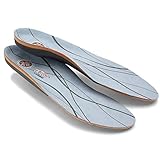
- PODIATRIST DESIGNED! An effective alternative to expensive custom-made orthotics. Innovative biomechanical THREE-ZONE COMFORT technology delivers deep heel cup stability, forefoot cushioning, and ultimate arch support to prevent excessive pronation caused by flat feet. These essential contact points help to realign positioning of feet, aiding to re-establish your body's natural alignment, from the ground up.
- VIONIC ORTHOTIC INSOLES! These women's and men's shoe inserts offer a convenient, pain-free natural healing solution for many of the common aches and pains associated with poor lower-limb alignment, plantar fasciitis, and arch pain. EVA orthotic with re-enforced, hardened plastic (PE) shell for added motion control and stability. Cushioned shock dot in the heel for added shock absorption. Can be trimmed in forefoot if necessary.
- DESIGNED FOR EVERYDAY USE! Designed to provide greater control in faster paced activities such as running and fast walking. 4 degree rear foot wedge to provide support and control which helps prevent excess pronation. Odor absorbing cover. Contoured around the heel and arch areas to achieve 100% foot contact. Podiatrist Designed, APMA Seal of Acceptance.
- COMFORTABLE TO WEAR! Shoe inserts for women and men contoured around the heel and arch areas to achieve perfect foot contact.
- SIZES AVAILABLE: XS: Women's 4.5 – 6 / Men's 3.5 – 5 S: Women's 6.5 – 8 / Men's 5.5 – 7 M: Women's 8.5 – 10 / Men's 7.5 – 9 L: Women's 10.5 – 12 / Men's 9.5 – 11 XL: Men's 11.5 – 13
✓ Pros
- Built-in met pad eliminates DIY pad placement errors
- Specifically designed for Morton’s neuroma + metatarsalgia
- Same trusted PowerStep arch + heel cup platform
- Top cover protects sensitive forefoot skin
- Faster relief than orthotics + add-on met pads
✗ Cons
- Met pad position is fixed (can’t fine-tune individual placement)
- Some patients with very small or very large feet need custom
- Slightly thicker than the standard Pinnacle
Dr. Tom’s Recommendation: If a patient has Morton’s neuroma, sesamoiditis, or generalized ball-of-foot pain (metatarsalgia), this saves a clinic visit and a prescription. The built-in pad placement is anatomically correct for 80% of feet. Way better than DIY met pads.
Adaptive Dynamic Arch · Athletic & Daily Wear
Currex’s flagship adaptive arch technology — the orthotic flexes with your gait instead of fighting it. Different stiffness zones along the length give you targeted support at the heel, midfoot, and forefoot. Available in three arch heights (low/medium/high).

- Signature waffle-inspired rubber outsole for traction and flexibility
✓ Pros
- Dynamic flex zones adapt to natural gait cycle
- Three arch heights ensure precise fit
- Lighter than rigid orthotics (no ‘heavy foot’ feel)
- Excellent for runners and athletic walkers
- European podiatric design (German engineering)
✗ Cons
- More expensive than PowerStep Original ($55-65 typically)
- Less aggressive correction than Pinnacle Maxx for severe cases
- Three arch heights means you must self-select correctly
Dr. Tom’s Recommendation: I started recommending Currex three years ago for runners who said PowerStep felt ‘too rigid.’ The dynamic flex zones respect natural gait. Best for active patients who walk 8K+ steps daily and don’t need maximum motion control.
Running-Specific · Heel Strike + Forefoot Strike Compatible
Currex’s purpose-built running orthotic. The midfoot flex zone is positioned for runner’s gait mechanics, with a flared heel cushion for heel strikers and a forefoot rocker for midfoot/forefoot strikers. Tested on 1000+ runners during product development.

- Provides continuous support of the Plantar Fascia by gently stretching the fascia tissue.
- Compression zones promote circulation, reduce impact vibration, boost recovery and strengthen feet.
- Lightweight, seamless design with extra cushioning provides support while still being comfortable.
- Supports the heel/arch and overall foot structure while stabilizing the tendon for better performance
- Made from high quality materials, the socks are moisture wicking and breathable.
✓ Pros
- Designed by German biomechanics lab specifically for runners
- Dynamic arch flexes with running gait (not static like PowerStep)
- Three arch heights (low/medium/high)
- Reduces overuse injury risk in mid-distance runners
- Lightweight (no impact on cadence)
✗ Cons
- Premium price ($60-75)
- Not aggressive enough for severe over-pronators (use Pinnacle Maxx)
- Runner-specific design = less ideal for daily walking shoes
Dr. Tom’s Recommendation: If a patient runs 20+ miles per week and has plantar fasciitis or shin splints, this is the orthotic I prescribe. The dynamic flex zones respect running biomechanics in a way that no rigid PowerStep can match. Pricier but worth it for serious runners.
Cavus Foot & High-Arch Patients
Polyurethane base with a deeper heel cup and higher arch profile than PowerStep — built for cavus (high-arched) feet that need maximum cushion and support. The 5-zone cushioning system addresses the unique pressure points of high-arch feet.

- The first generation of Protalus's M-100 Insole
- Patented Alignment Technology: The M-100 features a deep heel cup and contoured arch to correct overpronation and promote better posture, stability, and joint health throughout your body.
- Comfortable Insoles: The patented stress relief replacement shoe insoles increase comfort and relieve plantar fasciitis and anti-fatigue.
- Improves Alignment: The shoe insoles help improve alignment and reduce pain in the feet, ideal for low and high arches.
✓ Pros
- Deeper heel cup centers the heel for cavus foot stability
- Higher arch profile fills the void under high arches
- 5-zone cushioning addresses cavus foot pressure points
- Polyurethane base lasts 12+ months
- Available in Wide width
✗ Cons
- Too tall/aggressive for normal or low arches
- Won’t fit slim dress shoes
- Pricier than PowerStep Original
- Some patients find the arch height uncomfortable initially
Dr. Tom’s Recommendation: Cavus foot patients are often misdiagnosed and given low-arch orthotics — that makes everything worse. Spenco’s Total Support has the arch profile that high-arch feet actually need. About 15% of my patients have cavus feet; this is what they wear.
Cushion Layer · Standing All Day · Gel Pressure Relief
NOT a true biomechanical orthotic — this is a cushion insole. But for patients who want gel pressure relief instead of arch correction (or to add ON TOP of factory insoles in work boots), this is the best gel option on Amazon.
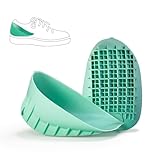
- ✶ALLEVIATES HEEL PAIN – Tuli’s Heavy Duty Heel Cups provide heel pain relief caused by plantar fasciitis, Sever’s disease, excessive pronation, Achilles tendonitis, etc. Ideal for those on their feet for most of the day or those looking for added comfort.
- ✶PODIATRIST PREFERRED – In an independent study conducted by M3 Global Research, podiatrists chose Tuli’s as the clear winner of recommended heel cup brands.
- ✶SHOCK-ABSORBING DESIGN – The multi-cell, multi-layer design absorbs shock and impact energy, mimicking the natural shock-absorbing system of your feet. As you walk or run, the design reduces the stress on your feet.
- ✶DOCTOR RECOMMENDED & APMA ACCEPTED – Tuli’s Heel Cups were designed by a leading podiatrist and have the honor of being accepted by the American Podiatric Medical Association.
- ✶FITS MOST LACE-UP SHOES – Best used in spacious lace-up shoes like athletic shoes / sneakers.
✓ Pros
- Genuine gel cushioning (not foam pretending to be gel)
- Targeted gel waves under heel and ball of foot
- Trim-to-fit · works in most shoe types
- Sub-$15 price (most affordable option in this list)
- Massaging texture is genuinely soothing
✗ Cons
- ZERO arch support — this is cushion only
- Won’t fix plantar fasciitis or flat-foot issues
- Compresses faster than PowerStep (4-6 months)
- Top cover wears through in high-mileage applications
Dr. Tom’s Recommendation: I recommend these to patients who tell me ‘I just want my feet to stop hurting at the end of my shift’ and who don’t have a biomechanical issue. Construction workers, factory workers, retail. Pure cushion does the job for them.
Tight-Fitting Shoes · Cycling Shoes · Hockey Skates
PowerStep Pinnacle’s slim version of their famous Green insole. The trademark stabilizer cap is preserved but the overall thickness is reduced — works in cycling shoes, hockey skates, ski boots, and other tight-fitting footwear that the standard PowerStep Pinnacle can’t fit into.
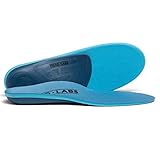
- Plantar Fasciitis Relief, Every Step – Firm arch support helps relieve heel and arch pain from plantar fasciitis and supports flat feet and overpronation for better alignment and all-day comfort.
- Clinical-Grade Biomechanics – Tread Labs 26-33 ARCHitecture delivers orthotic-level stability—custom-orthotic feel without the prescription.
- Dialed Fit for Any Shoe – Four arch heights (low, medium, high, extra-high) and an easy 3-step sizing guide make selection simple for work boots, sneakers, and everyday shoes—great for standing all day.
- Built to Last a Million Miles – Durable, recyclable arch supports with our Million-Mile Guarantee; replaceable top covers keep insoles fresh and cost-effective. Unlike foam that flattens, Pace is engineered to last.
- Trusted Expertise – Designed by Mark Paigen (founder of Chaco). Premium arch support inserts for men and women backed by decades of footwear innovation.
✓ Pros
- Stabilizer cap centers the heel (PowerStep Pinnacle’s signature feature)
- Slim profile fits tight athletic footwear
- Lasts 12+ months daily wear
- Excellent for cycling shoes specifically
- Built-in odor-control treatment
✗ Cons
- Premium price ($45-55)
- Less cushion than PowerStep equivalents
- Not as aggressive correction as Pinnacle Maxx for flat feet
- The signature ‘heel cup feel’ takes 1-2 weeks to adapt to
Dr. Tom’s Recommendation: If you’re a cyclist with foot numbness, hot spots, or knee pain — this is the orthotic. The stabilizer cap solves cycling-specific biomechanical issues that no other orthotic addresses. Worth the premium for athletes.
None of these solving your foot pain?
Some patients (about 30%) need custom-molded prescription orthotics. We make 3D-scanned custom orthotics in our Howell and Bloomfield Hills offices — specifically built for your foot mechanics.
Schedule a Custom Orthotic Fitting →FSA/HSA eligible · Most insurance accepted · (810) 206-1402

Dr. Tom Biernacki, DPM is a double board-certified podiatrist and foot & ankle surgeon at Balance Foot & Ankle Specialists in Southeast Michigan. With over a decade of clinical experience, he specializes in heel pain, bunions, diabetic foot care, sports injuries, and minimally invasive surgery. Dr. Biernacki is a member of the APMA and ACFAS, and his patient education content on MichiganFootDoctors.com and YouTube has reached over one million views.
- Plantar Fasciitis: Diagnosis and Conservative Management (PubMed)
- Plantar Fasciitis (APMA)
- Diagnosis and Treatment of Plantar Fasciitis (PubMed / AAFP)
- Heel Pain (APMA)