

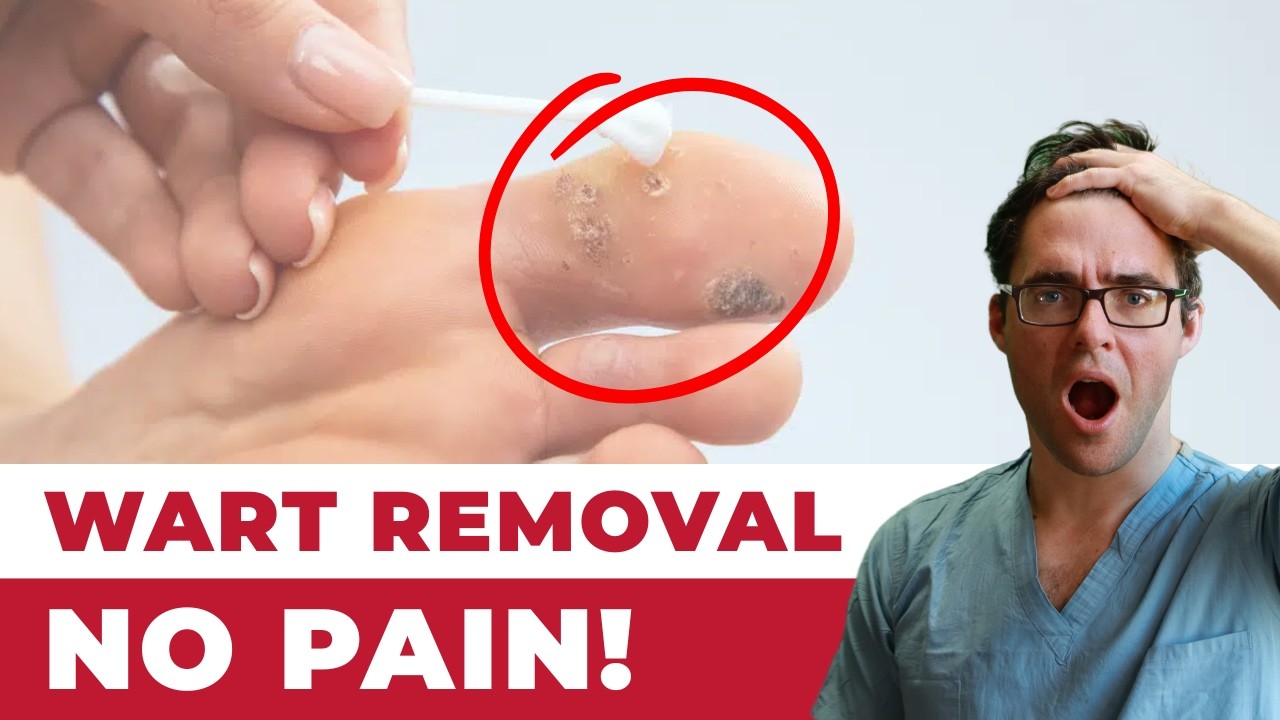
Watch: Plantar Wart Removal — MichiganFootDoctors YouTube
Best Plantar Wart Treatments 2026: Podiatrist Guide to OTC & Professional Options
✅ Quick Answer: Most Effective OTC Plantar Wart Treatment
For most plantar warts, Dr. Biernacki recommends starting with Dr. Scholl’s Freeze Away MAX for the fastest visible results — the cryotherapy formula works in as little as one treatment and replicates the freezing technology used in clinical offices. For stubborn or mosaic warts, the Compound W Total Care Kit pairs salicylic acid debridement with skin restoration for a complete, multi-week protocol. If an OTC treatment hasn’t worked within 12 weeks, professional in-office treatment is the next appropriate step.
Plantar warts — medically known as verruca plantaris — are among the most common foot complaints Dr. Biernacki sees in his Howell, Michigan practice. Caused by the human papillomavirus (HPV), plantar warts develop on the plantar surface (sole) of the foot, typically on weight-bearing areas including the heel, ball of the foot, and the base of the toes. Because body weight forces the wart inward rather than outward, plantar warts can become deeply embedded and significantly more painful than warts on other areas of the body.
Unlike common hand warts, plantar warts are notorious for persistence. The HPV virus that causes them survives in warm, moist environments — public pools, locker rooms, gym showers — and enters through microscopic cuts or weakened skin on the sole. The immune system of many adults doesn’t mount an effective response, allowing the virus to persist in the deeper layers of the skin for months or years without treatment. Children and immunocompromised patients have the highest susceptibility and the slowest natural resolution.
The good news: most plantar warts can be effectively treated at home with the right OTC products when used correctly and consistently. This guide covers the six best plantar wart treatments available without a prescription in 2026, along with a clinical explanation of how each mechanism works, when to escalate to professional treatment, and how to prevent recurrence.
How Plantar Wart Treatments Work: A Clinical Breakdown
Understanding the mechanism behind each treatment type helps patients set realistic expectations and use products correctly. Plantar wart treatments fall into three categories based on their mechanism of action:
🔬 The Three OTC Treatment Mechanisms
- Salicylic Acid (Chemical Keratolysis): The most commonly used OTC wart treatment. Salicylic acid (17–40% concentration) softens and dissolves the outer keratin layers of the wart through chemical exfoliation. Applied daily, it gradually destroys the infected tissue layer by layer. Effective but slow — typically requires 8–16 weeks of consistent use. Works best when combined with mechanical debridement (filing away dead tissue before each application).
- Cryotherapy (Freezing): Liquid nitrogen or dimethyl ether-propane (DMEP) aerosol rapidly freezes the wart tissue, causing ice crystals to form inside cells and rupture cell membranes. The resulting blister and tissue destruction allows the immune system to access the viral infection. OTC cryotherapy reaches approximately -57°C versus the -196°C of clinical liquid nitrogen — effective for superficial warts, less so for deeply embedded plantar warts. Typically requires 2–4 treatments spaced 2 weeks apart.
- Combination/Dual-Action: Products that pair cryotherapy with salicylic acid — addressing both the structural wart tissue and creating immune activation. Generally more effective than either single method for stubborn or mosaic plantar warts.
A critical technique that most patients miss: mechanical debridement. Before applying any salicylic acid treatment, soak the foot in warm water for 5 minutes to soften the wart, then use a pumice stone or nail file to gently abrade away the white, dead tissue from the surface. This removes the physical barrier that prevents salicylic acid from reaching the active viral tissue beneath and dramatically improves treatment penetration. Never share pumice stones or files — they can harbor and transmit the HPV virus.
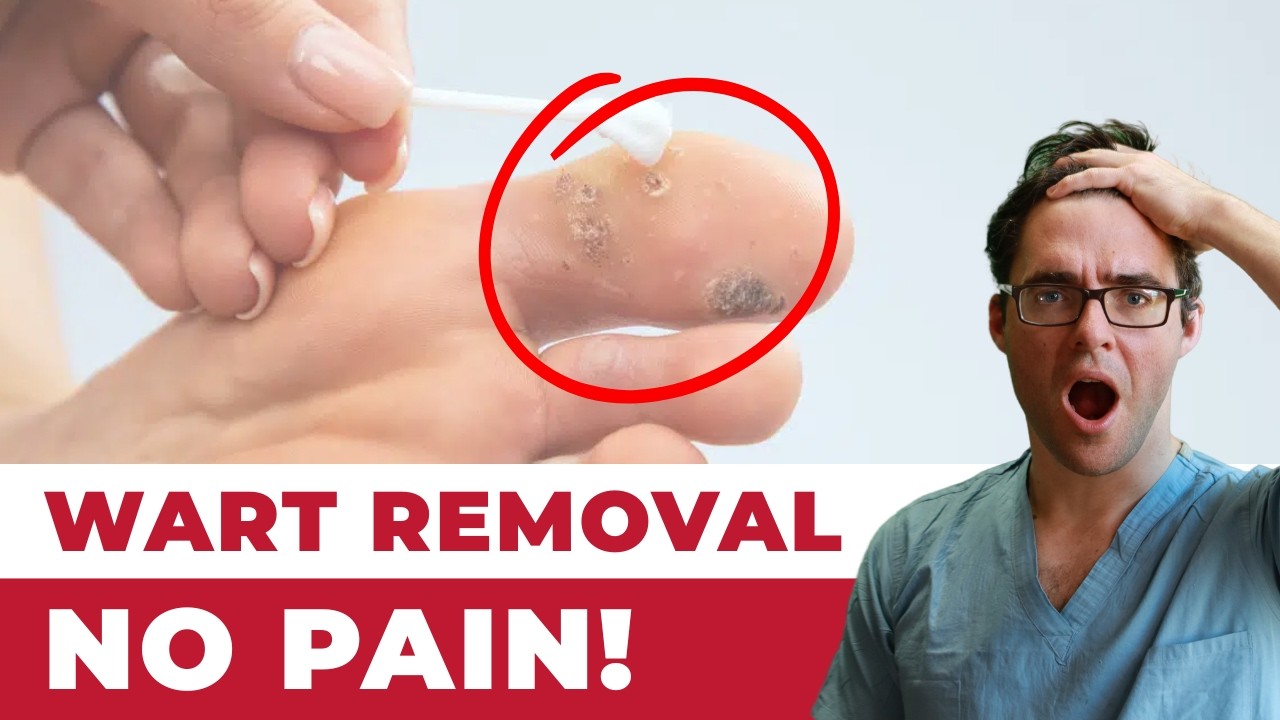
Dr. Tom Biernacki explains how plantar warts form, how to identify them versus other foot growths (corns, calluses, porokeratosis), and the clinical decision-making process between OTC treatment, in-office cryotherapy, and surgical excision. This overview is essential before beginning any home treatment protocol.
The 6 Best OTC Plantar Wart Treatments in 2026
Each product below was selected based on active ingredient concentration, clinical mechanism, ease of use, and patient success rates. We’ve included the specific wart type and patient profile each product is best suited for.
1. Dr. Scholl’s Freeze Away MAX — Best Fast-Acting OTC Cryotherapy
Best for: Patients who want the fastest possible results, single warts on non-pressure-bearing areas of the sole, and first-time wart treatment users. The Freeze Away MAX represents the most powerful OTC cryotherapy product Dr. Scholl’s makes — delivering a concentrated DMEP aerosol at temperatures that simulate clinical freezing better than any previous OTC formulation. The precision applicator system allows targeted application to the wart with minimal contact with surrounding healthy skin, reducing the irritation and blister formation that plagued older aerosol applicators.
Each treatment takes approximately 10 seconds of contact time. The wart area will darken, form a blister within 24–48 hours, and the dead tissue will gradually slough off over 7–14 days. For single warts under 1cm diameter on non-calloused skin, a single treatment is often sufficient. Larger or more callous-covered plantar warts may require 2–4 treatments spaced 2 weeks apart. The 10-treatment kit provides enough supply for a full treatment course for most single-wart cases, with treatments remaining for potential recurrence. Keep away from healthy skin and do not use on children under 4 years, diabetic patients, or patients with poor circulation.
Dr. Biernacki’s verdict: “This is my first recommendation when patients ask about OTC options. The MAX formula is genuinely better than older freeze products, and the precision tip makes it far easier to avoid burning surrounding skin. For a straightforward plantar wart, this is the fastest path to resolution.”
2. Dr. Scholl’s Clear Away Plantar Wart Pads — Best for Daily Salicylic Acid Treatment
Best for: Patients who prefer a gentle, consistent daily approach over aggressive freezing, those with plantar warts in callus-covered weight-bearing areas, and patients who are not candidates for cryotherapy (diabetics, those with vascular disease). The Clear Away Plantar pads deliver 40% salicylic acid — the highest OTC concentration available — in a self-adhesive pad format that maintains continuous contact with the wart over 24–48 hour periods. This sustained contact is clinically superior to brief daily liquid applications, allowing the salicylic acid to fully penetrate the hyperkeratotic (thickened) tissue that covers most plantar warts.
The cushioned pad design simultaneously offloads pressure from the wart site, reducing the pain during treatment that causes many patients to abandon their protocol prematurely. For plantar warts on the heel or ball of the foot — areas that bear significant weight with every step — this pain reduction feature meaningfully improves treatment adherence. Use the pad system daily, removing and replacing with fresh pads, filing away softened white tissue between applications. The 24-pad pack (pack of 2) provides a full treatment course for most warts. Expect 8–16 weeks for complete resolution; don’t discontinue when the visible wart surface disappears — continue for 2 additional weeks to address the subsurface viral reservoir.
Dr. Biernacki’s verdict: “For warts sitting under thick callus — the classic deeply embedded plantar wart — salicylic acid pads at 40% are the gold standard OTC approach. The pad format beats liquids because it maintains contact for hours rather than minutes. Patients who are consistent for 12 weeks get very good results.”
3. Dr. Scholl’s Dual Action Freeze Away — Best Combination Treatment for Stubborn Warts
Best for: Stubborn warts that haven’t responded to single-method treatment, larger warts, and mosaic plantar warts (clusters of multiple small warts). The Dual Action Freeze Away takes the most clinically sound approach to OTC wart treatment: it combines cryotherapy (to destroy current wart tissue and trigger immune activation) with salicylic acid (to continue dissolving remaining tissue after the freeze). This mirrors the combination protocol used in some clinical offices, where cryotherapy is followed by salicylic acid application in the same visit.
The dual mechanism is particularly relevant for plantar warts because they are frequently significantly thicker than hand warts — the freeze alone may not reach the deepest viral layers, while the salicylic acid component provides ongoing penetration between freeze cycles. The kit includes 8 freeze applications plus salicylic acid pads for the follow-up phase. The instruction protocol sequences the treatments correctly, guiding patients through a complete treatment cycle. For patients who have tried freezing alone without success, the addition of salicylic acid in the Dual Action formula frequently achieves the breakthrough that single-method treatment could not.
Dr. Biernacki’s verdict: “When a patient tells me they tried the standard freeze product and it didn’t work, the Dual Action is my next OTC recommendation. The combination approach has real clinical rationale and I see better outcomes with it for resistant warts.”
4. Compound W Maximum Strength Fast-Acting Gel — Best Salicylic Acid Gel for Precision Application
Best for: Men and women who prefer a liquid/gel delivery system over pads, particularly for warts in irregular anatomical locations (around the toe webspaces, near the nail folds) where adhesive pads don’t conform well. Compound W’s Maximum Strength Gel delivers 17% salicylic acid — a lower concentration than the Clear Away pads but more appropriate for warts that aren’t yet heavily calloused, or for initial treatment when the wart surface is relatively accessible without thick keratin covering it. The gel’s 17% concentration aligns with the clinical guideline for warts requiring gentle but consistent chemical debridement.
The gel formulation is no-drip, allowing precise placement directly on the wart without spreading onto surrounding healthy skin — important because salicylic acid irritates and damages normal skin if applied outside the wart margins. The included brush applicator allows for controlled, thin-film application. For best results, apply after soaking and filing, allow to dry completely, then cover with a bandage to maintain occlusion overnight. Occlusive application (covered) significantly increases salicylic acid penetration compared to open-air application and should be used whenever possible. Compound W also offers a Freeze Off system (ASIN B0DGLW9RVF) for patients who want the brand’s cryotherapy option.
Dr. Biernacki’s verdict: “Compound W is one of the most studied salicylic acid wart preparations in the literature. The gel format is my recommendation for patients who want precise application and don’t have the heavy callus buildup that would require higher-concentration pads. It’s reliable, well-tolerated, and widely available.”
5. Compound W Total Care Wart Remover Kit — Best Complete Treatment System
Best for: Patients who want a comprehensive, all-in-one wart treatment system that addresses both wart destruction and post-treatment skin recovery. The Compound W Total Care Kit is unique among OTC wart treatments in that it pairs the standard salicylic acid gel (for wart removal) with a “Proheal” skin-restoring cream (for repair of the irritated and damaged tissue that develops during prolonged chemical treatment). This two-component approach acknowledges a real clinical gap in OTC wart treatment: the tissue damage caused by repeated salicylic acid application needs active support to heal cleanly, especially on weight-bearing areas of the sole.
The skin restoration component reduces the painful irritation that causes many patients to abandon their treatment protocol early — the most common reason OTC wart treatments “fail.” When the skin around the wart becomes raw, painful, and cracked from weeks of salicylic acid, the discomfort exceeds the original wart pain and patients stop treatment prematurely, leaving residual viral tissue that invariably regrows. The Total Care Kit’s protocol of alternating active treatment days with recovery cream application maintains treatment tolerability across the full 8–16 week timeline needed for complete resolution. An excellent choice for patients with sensitive skin, elderly patients, or those with diabetes who require careful skin management.
Dr. Biernacki’s verdict: “The best treatment protocol is the one the patient actually completes. Adding a healing cream to the regimen dramatically improves tolerance and completion rates. For patients who’ve abandoned wart treatment before because of skin irritation, this kit solves that problem.”
6. Compound W Freeze Off — Best Alternative Cryotherapy System
Best for: Patients who prefer the Compound W brand over Dr. Scholl’s, those who have had better results with the Compound W application system, and patients who want an alternative freeze product to try if the Dr. Scholl’s system hasn’t worked as expected. The Compound W Freeze Off uses DMEP technology similar to the Dr. Scholl’s Freeze Away products but with a slightly different applicator system that some patients find more comfortable to hold and control. The freezing temperature and mechanism are clinically equivalent between the two brands.
The 8-treatment kit provides a full standard treatment course for most single-wart cases. Where the Compound W Freeze Off distinguishes itself is in the post-freeze care guidance — the included instructions are more detailed than those in the Dr. Scholl’s system regarding proper blister management, signs of healthy healing progression versus signs of infection, and indicators that professional care is needed. For patients who are anxious about at-home freezing or uncertain what to expect after treatment, this additional guidance adds meaningful value. The product is particularly well-reviewed by parents treating children’s plantar warts, where the smaller wart size and less-calloused soles make cryotherapy more effective than in adults with years of accumulated hyperkeratosis.
Dr. Biernacki’s verdict: “Either freeze brand works — the mechanism is the same. If you’ve tried the Dr. Scholl’s freeze system without success, trying the Compound W Freeze Off is a reasonable next step before escalating to in-office treatment. Sometimes the applicator geometry makes a real difference in getting proper contact.”
Quick Comparison: OTC Plantar Wart Treatments
| Product | Mechanism | Treatments | Timeline | Best For |
|---|---|---|---|---|
| Dr. Scholl’s Freeze Away MAX | Cryotherapy | 10 | 1–4 sessions | Fast single-wart treatment |
| Dr. Scholl’s Clear Away Pads | 40% Salicylic acid | 24 (2-pack) | 8–16 weeks daily | Callous-covered warts |
| Dr. Scholl’s Dual Action | Cryo + salicylic | 8 + pads | 4–12 weeks | Stubborn/mosaic warts |
| Compound W Gel | 17% Salicylic acid | 0.25oz gel | 8–16 weeks daily | Precision liquid application |
| Compound W Total Care | Salicylic + repair cream | Complete kit | 8–16 weeks | Sensitive skin, complete system |
| Compound W Freeze Off | Cryotherapy | 8 | 1–4 sessions | Alternative freeze system |
OTC vs. Professional Treatment: How to Decide
OTC wart treatments are appropriate first-line therapy for most healthy adults and older children with straightforward plantar warts. However, there are specific clinical criteria that indicate professional treatment is the correct choice from the outset — or that OTC treatment should be abandoned in favor of in-office care:
Start with Professional Treatment If:
You have diabetes, peripheral arterial disease, or compromised immune function. Salicylic acid and cryotherapy can cause chemical burns and tissue damage in patients whose feet have reduced sensation or poor circulation — injuries that can escalate rapidly to ulceration or infection in these patient populations. Professional treatment is significantly safer and more precisely controlled. Also seek professional care immediately if you have a wart on or near the nail fold (subungual warts), as these require specialized treatment technique that OTC products cannot safely deliver.
Escalate to Professional Treatment If:
You’ve used OTC treatment correctly and consistently for 12 weeks without significant improvement. Also escalate if the wart is growing despite treatment, spreading to form mosaic clusters, causing significant pain that limits daily activity, or if you develop signs of secondary infection (increasing redness, warmth, purulent discharge, red streaking from the wart site). Professional treatment options include clinical liquid nitrogen cryotherapy (at -196°C, far more effective than OTC), candida antigen injection (immunotherapy that activates systemic HPV immunity), and in-office surgical excision for recalcitrant cases.
Dr. Biernacki’s office in Howell, Michigan offers the full spectrum of plantar wart treatment, including clinical cryotherapy, immunotherapy, and laser therapy for warts that haven’t responded to conservative care. See our comprehensive plantar wart treatment guide for the complete clinical management protocol.
Dr. Tom’s Post-Treatment Foot Protection Protocol
- FLAT SOCKS No-Sock Insoles — During plantar wart treatment: FLAT SOCKS moisture-wicking inserts maintain a dry, healthy plantar environment that reduces the HPV viral survival on skin surfaces.
- Doctor Hoy’s Natural Pain Relief Gel — Perilesional pain from plantar wart treatments: arnica gel applied to the surrounding tissue (not the treatment site) reduces the inflammatory response to salicylic acid or cryotherapy.
- PowerStep Pinnacle — Plantar warts on pressure points: arch support redistributes plantar loading away from the wart, reducing the mechanical irritation that worsens symptoms during treatment.
Plantar wart not responding to OTC treatments after 12 weeks? In-office cantharone, cryotherapy, and laser resolve most resistant warts. Balance Foot & Ankle → (810) 206-1402
In-Office Treatment at Balance Foot & Ankle
If home treatment isn’t providing relief for your plantar wart, our podiatry team at Balance Foot & Ankle can help with same-day evaluations and advanced in-office care.
Same-day appointments available. (810) 206-1402
Frequently Asked Questions
How long does treatment take to work?
Most patients see improvement in 4-8 weeks with consistent conservative care. Persistent symptoms after 8 weeks need imaging and escalation.
When is surgery needed?
Surgery is reserved for cases that fail 3-6 months of conservative care, structural deformities, or fractures requiring stabilization.
Is this covered by insurance?
Most diagnostic visits and conservative treatments are covered by Medicare and major insurers. Custom orthotics often require diabetic or post-surgical justification.
What is Plantar wart?
Plantar wart is a common foot/ankle condition that affects mobility and quality of life. Understanding the underlying cause is the first step in successful treatment. Our podiatrists at Balance Foot & Ankle perform a hands-on biomechanical exam, review your activity history, and use diagnostic imaging when appropriate to identify the root cause—not just treat the symptom. Many patients have been told to “rest and ice” without a deeper diagnostic workup; our approach is different.
Symptoms and warning signs
Common signs of plantar wart include pain that worsens with activity, morning stiffness, swelling, tenderness when palpated, and difficulty bearing weight. If you experience sudden severe pain, inability to walk, visible deformity, numbness or color change, contact our office the same day or visit urgent care—these can signal a more serious injury such as a fracture, tendon rupture, or vascular compromise. Diabetics with any foot wound should seek same-day care.
Conservative treatment options
Most cases of plantar wart respond to non-surgical care: structured rest, supportive footwear changes, custom orthotics, targeted stretching and strengthening protocols, anti-inflammatory medications when medically appropriate, and in-office procedures such as ultrasound-guided injections. We also offer advanced therapies including MLS laser therapy, EPAT/shockwave, regenerative injections, and image-guided procedures. Treatment is sequenced from least invasive to most invasive, and we explain the rationale at every step.
When is surgery considered?
Surgery is reserved for cases that fail 3-6 months of well-structured conservative care, when there is structural pathology (severe deformity, complete tear, advanced arthritis), or when imaging shows damage that will not heal without intervention. Our surgeons have performed 3,000+ foot and ankle procedures and prioritize minimally-invasive techniques whenever appropriate. We discuss recovery timelines, return-to-activity milestones, and realistic outcome expectations before any procedure is scheduled.
American Academy of Dermatology: Warts
Recovery timeline and prevention
Recovery from plantar wart varies based on severity and chosen treatment path. Conservative cases often improve within 4-8 weeks with consistent adherence to the protocol. Post-procedural recovery may range from a few days (in-office procedures) to several months (reconstructive surgery). Long-term prevention involves footwear assessment, activity modification, structured strengthening, and regular check-ins with your podiatrist if you have a history of recurrence. We provide written home-exercise plans and digital follow-up support.
Ready to feel better?
Same-week appointments available in Howell and Bloomfield Hills, Michigan.
Book Your VisitGet Expert Care at Balance Foot & Ankle
Same-week appointments at our Howell and Bloomfield Hills offices. Board-certified podiatric surgeons. Most insurance accepted.
Same-Week Appointments in Howell & Bloomfield Hills
Three board-certified podiatric surgeons. 1,123+ five-star reviews. Most insurance accepted.

Dr. Tom Biernacki, DPM is a board-certified foot & ankle surgeon (ABFAS & ABPM) at Balance Foot & Ankle Specialists in Southeast Michigan. With over a decade of clinical experience, he specializes in heel pain, bunions, diabetic foot care, sports injuries, and minimally invasive surgery. Dr. Biernacki is a member of the APMA and ACFAS, and his patient education content on MichiganFootDoctors.com and YouTube has made him one of the most-followed foot & ankle educators on YouTube.