

Quick answer: For foot type high arch flat normal, podiatrists recommend shoes with structured arch support, deep heel cup, and forefoot rocker. Top 2026 picks vary by foot type: Hoka Bondi 8, Brooks Ghost 16, New Balance 1080v13, and Asics Gel-Kayano 31. Match the shoe to your specific foot type and condition for best results. Call (810) 206-1402.
Medically Reviewed by Dr. Tom Biernacki, DPM, FACFAS — Board-certified podiatrist & foot surgeon | Balance Foot & Ankle | Last updated: May 2026
Quick Answer: How Do I Choose Shoes for My Foot Type?
Flat feet (low arch, overpronation) need motion control or stability shoes with firm medial post support. High arches (pes cavus, underpronation) need cushioned, neutral shoes with flexible midsoles. Normal arches do well in stability or neutral shoes. The single best test: the wet footprint test reveals your arch height in 10 seconds. Regardless of arch type, every shoe should have a non-compressible heel counter, adequate toe box width, and replace by 300–500 miles of use. If standard footwear isn’t relieving pain, custom orthotics correct the biomechanical issue that shoes alone can’t fix.
How to Identify Your Foot Type in 60 Seconds
Before buying a single shoe, knowing your arch type saves you from wasting money on the wrong support category. Three quick methods work reliably at home:
The Wet Footprint Test: Wet the bottom of your foot, step on a brown paper bag or piece of cardboard, and examine the imprint. A full sole print with minimal arch curve = flat foot / low arch. A narrow connection between heel and forefoot (roughly half the foot width) = normal arch. Nearly no connection or a thin outer strip only = high arch.
The Shoe Wear Test: Check the wear pattern on your current shoes. Flat feet/overpronators wear down the inner (medial) heel and ball of foot. High arch/underpronators wear the outer (lateral) edge heavily. Normal arch shows relatively even wear with slight medial emphasis.
The Arch Palpation Test: Sit down and press your thumb along the inner arch of your foot. Flat feet have an arch that fully contacts the floor when standing and shows minimal height even non-weight-bearing. High arches maintain a prominent arch curve even under full body weight.
Shoe Guide by Foot Type
| Foot Type | Gait Pattern | Shoe Category | Key Features to Seek | Avoid |
|---|---|---|---|---|
| Flat / Low Arch | Overpronation (inward roll) | Motion Control or Stability | Firm medial post, dual-density foam, straight last | Highly flexible, curved last, minimal shoes |
| Normal Arch | Neutral (mild inward roll) | Stability or Neutral | Moderate arch support, semi-curved last | Heavy motion control (overcorrects) |
| High Arch | Underpronation / supination | Neutral Cushioned | Maximum cushioning, flexible midsole, curved last | Motion control, rigid arch posts |
| Wide Foot | Variable | Wide/Extra-Wide (2E/4E) | Wide toe box, stretch upper, removable insole | Narrow last, pointed toe, slip-on without width options |
Flat Feet: Motion Control and Stability Shoes Explained
Flat feet (pes planus) collapse the medial longitudinal arch under body weight, causing the ankle to roll inward (overpronation). This excessive inward motion strains the plantar fascia, posterior tibial tendon, medial knee structures, and hip. Motion control shoes address overpronation through a firm medial post — a denser foam section on the inner midsole that resists the inward collapse. The sole shape (last) is typically straight, following the inner edge of the foot rather than curving. Stability shoes offer lighter medial posting for mild to moderate overpronation.
Key features to look for in flat foot shoes: a rigid, non-bendable heel counter (press the back of the shoe — it should resist compression); the “twist test” — a good stability shoe resists twisting when you grab the toe and heel and rotate in opposite directions; and a flat or rocker outsole without an exaggerated heel-to-toe drop (4–8mm is appropriate for most flat foot patients).
High Arches: Why Cushioning Beats Support
High arches (pes cavus) create the opposite problem from flat feet. The rigid, elevated arch doesn’t absorb shock efficiently — instead of distributing load across the entire sole, high arched feet concentrate pressure on the heel and ball of foot. Underpronation (supination) means the foot stays on its outer edge through the gait cycle, overloading lateral ankle ligaments and metatarsals. Stress fractures of the 5th metatarsal are significantly more common in patients with high arches.
High arch shoes should feel noticeably cushioned underfoot, particularly at the heel and forefoot. The midsole should flex easily (the shoe bends at the ball of foot without resistance), and the curved last accommodates the foot’s natural supinated position. Avoid motion control features — adding a medial post to a high arch foot that already underpronates makes biomechanics worse, not better.
Most Common Mistake: Buying Shoes Based on Brand, Not Biomechanics
⚠️ The shoe mistake I see most in my practice: Patients come in with plantar fasciitis, shin splints, or knee pain — and they’re wearing a popular shoe they bought because a friend recommended it or they saw it in a magazine. The brand doesn’t matter; the category matters. A flat-footed patient in neutral cushioned shoes is getting zero medial posting. A high-arch patient in motion control shoes is getting overcorrected into even more supination. The right shoe for your foot type costs the same as the wrong one. Spend 10 minutes at a running specialty store (not a department store) with a trained fitter who watches your gait — that conversation is worth more than any online shoe review. And if you’ve been through three brands and still have pain, that’s when custom orthotics change everything — because they correct your specific foot mechanics regardless of what shoe you’re in.
Watch: Overpronation and Flat Feet — Explained by Dr. Tom
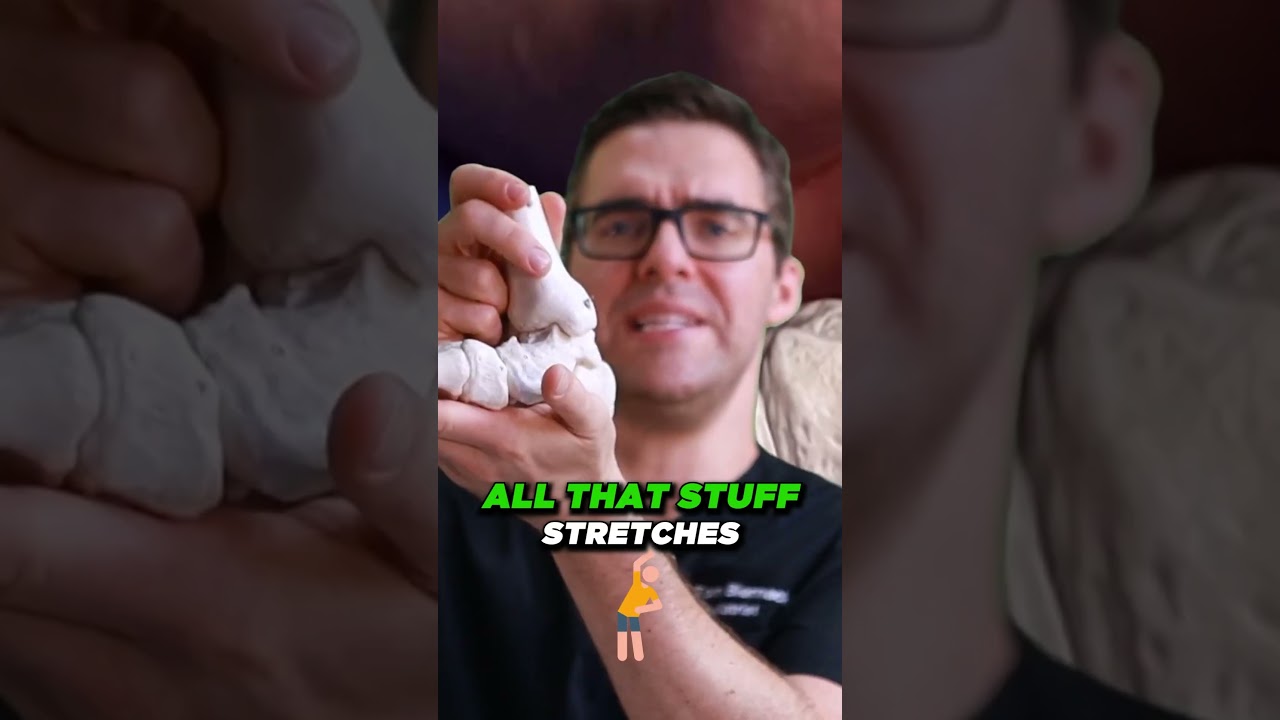
Dr. Tom Biernacki, DPM explains overpronation, flat feet mechanics, and how the right shoe category (motion control vs. neutral) makes a difference for long-term foot health.
Frequently Asked Questions About Shoes for Your Foot Type
Can I use the same shoe for flat feet and high arches?
No — flat feet and high arches have opposite biomechanical needs. A flat foot needs a firm medial post (motion control/stability) to resist inward roll. A high arch needs maximum cushioning and flexibility to absorb shock. Using a motion control shoe on a high arch foot worsens supination and increases lateral stress fracture risk; using a neutral cushioned shoe on a severe flat foot leaves overpronation uncorrected. Families where different members have different arch types should each buy footwear in their own appropriate category, even if buying the same brand.
How often should I replace my shoes?
Running and walking shoes lose significant midsole cushioning between 300–500 miles of use, even if the upper and outsole still look intact. The foam compresses permanently over time and stops absorbing impact effectively — but this isn’t visible on the outside. A practical replacement timeline: daily walkers (3–5 miles/day) should replace every 4–6 months; runners logging 25 miles/week every 3–4 months; casual wearers every 9–12 months. Signs your shoes are overdue: pain returning after a period of relief, visible creasing in the midsole foam, or the “squeeze test” — the midsole feels hard rather than slightly springy when compressed between your fingers.
Do I still need custom orthotics if I buy the right shoes?
For mild arch issues, the right shoe category often provides sufficient support. For moderate to severe flat feet, significantly high arches, or any foot pain that persists despite appropriate footwear, custom orthotics provide biomechanical correction that no over-the-counter shoe can replicate. Custom orthotics are fabricated from a precise 3D cast of your foot — they correct your specific deformity angle, not a generic approximation. They also transfer between shoes, meaning you get consistent correction in dress shoes, athletic shoes, and work boots rather than only in one pair. At Balance Foot & Ankle, we fabricate custom orthotics in-house with same-day casting in most cases.
What’s the best shoe brand for flat feet?
The best shoe brand is the one whose fit, last shape, and support category matches your foot — not any specific label. That said, brands that consistently produce quality motion control and stability options include Brooks (Addiction MC, Adrenaline GTS), ASICS (Kayano, GT series), New Balance (860, 1540), and Saucony (Guide, Hurricane). For wide flat feet, New Balance and Brooks both offer 2E and 4E width options in stability categories. I’d recommend going to a running specialty store, telling them your foot type from your wet footprint test, and trying 3–4 options in your correct category. Let your feet decide within the right category — the fit variation between brands matters.
Are zero-drop or minimalist shoes bad for flat feet?
Zero-drop and minimalist shoes can be appropriate for some foot types but are generally the wrong choice for flat feet with overpronation — especially for patients who are new to this style. Minimalist shoes have no medial posting, minimal cushioning, and no heel-to-toe drop, which removes all the corrective features a flat foot needs. High-arch patients with strong foot musculature sometimes do well transitioning to minimalist shoes gradually, as the lack of medial posting doesn’t worsen their supination tendency. For any patient with existing foot pain or injury, minimalist shoes should only be considered after a full gait analysis and with a very gradual transition protocol — jumping straight into zero-drop shoes is a reliable path to plantar fasciitis or Achilles tendinopathy.
Not Sure What Foot Type You Have? We’ll Tell You in One Visit
Dr. Tom Biernacki performs gait analysis and foot type assessment at Balance Foot & Ankle in Howell and Bloomfield Hills, MI. We’ll identify your arch type, assess your footwear, and recommend the right shoe category and orthotic options for your specific foot.
Book an Appointment Call (810) 206-1402Related Resources
- Podiatrist-Recommended Shoes: Complete Guide
- Custom Orthotics in Michigan
- Shoe Insoles vs. Orthotics: Which Is Right for You?
- Plantar Fasciitis Treatment Guide
- About Dr. Tom Biernacki, DPM FACFAS
What is Foot pain?
Foot pain is a common foot/ankle condition that affects mobility and quality of life. Understanding the underlying cause is the first step in successful treatment. Our podiatrists at Balance Foot & Ankle perform a hands-on biomechanical exam, review your activity history, and use diagnostic imaging when appropriate to identify the root cause—not just treat the symptom. Many patients have been told to “rest and ice” without a deeper diagnostic workup; our approach is different.
Symptoms and warning signs
Common signs of foot pain include pain that worsens with activity, morning stiffness, swelling, tenderness when palpated, and difficulty bearing weight. If you experience sudden severe pain, inability to walk, visible deformity, numbness or color change, contact our office the same day or visit urgent care—these can signal a more serious injury such as a fracture, tendon rupture, or vascular compromise. Diabetics with any foot wound should seek same-day care.

- ENGINEERED MESH
- Lining Textile
Conservative treatment options
Most cases of foot pain respond to non-surgical care: structured rest, supportive footwear changes, custom orthotics, targeted stretching and strengthening protocols, anti-inflammatory medications when medically appropriate, and in-office procedures such as ultrasound-guided injections. We also offer advanced therapies including MLS laser therapy, EPAT/shockwave, regenerative injections, and image-guided procedures. Treatment is sequenced from least invasive to most invasive, and we explain the rationale at every step.
When is surgery considered?
Surgery is reserved for cases that fail 3-6 months of well-structured conservative care, when there is structural pathology (severe deformity, complete tear, advanced arthritis), or when imaging shows damage that will not heal without intervention. Our surgeons have performed 3,000+ foot and ankle procedures and prioritize minimally-invasive techniques whenever appropriate. We discuss recovery timelines, return-to-activity milestones, and realistic outcome expectations before any procedure is scheduled.
Recovery timeline and prevention
Recovery from foot pain varies based on severity and chosen treatment path. Conservative cases often improve within 4-8 weeks with consistent adherence to the protocol. Post-procedural recovery may range from a few days (in-office procedures) to several months (reconstructive surgery). Long-term prevention involves footwear assessment, activity modification, structured strengthening, and regular check-ins with your podiatrist if you have a history of recurrence. We provide written home-exercise plans and digital follow-up support.
Ready to feel better?
Same-week appointments available in Howell and Bloomfield Hills, Michigan.
Book Your VisitIn-Office Treatment at Balance Foot & Ankle
If home treatment isn’t providing relief for your foot pain, our podiatry team at Balance Foot & Ankle can help with same-day evaluations and advanced in-office care.
Same-day appointments available. (810) 206-1402
Doctor Hoy’s Natural Pain Relief Gel
Natural topical pain relief I use in our clinic. Arnica + camphor formula — apply directly to the area 3–4x daily. ($20–25)
Shop Doctor Hoy’s →Get Expert Care at Balance Foot & Ankle
Same-week appointments at our Howell and Bloomfield Hills offices. Board-certified podiatric surgeons. Most insurance accepted.
Same-Week Appointments in Howell & Bloomfield Hills
Three board-certified podiatric surgeons. 1,123+ five-star reviews. Most insurance accepted.
The American Podiatric Medical Association emphasizes that identifying your foot type—flat, neutral, or high-arched—is essential for selecting footwear that provides the right level of arch support and reduces overuse injury risk.

Dr. Tom Biernacki, DPM is a board-certified foot & ankle surgeon (ABFAS & ABPM) at Balance Foot & Ankle Specialists in Southeast Michigan. With over a decade of clinical experience, he specializes in heel pain, bunions, diabetic foot care, sports injuries, and minimally invasive surgery. Dr. Biernacki is a member of the APMA and ACFAS, and his patient education content on MichiganFootDoctors.com and YouTube has made him one of the most-followed foot & ankle educators on YouTube.