
Medically reviewed by Dr. Tom Biernacki, DPM
Board-certified podiatric surgeon | Balance Foot & Ankle
Last reviewed: May 2026
OTC insoles, semi-custom, or custom-molded? The right pick depends on your foot — and we walk you through it.
You are in the right place. Dr. Tom Biernacki, DPM, FACFAS — board-certified foot & ankle surgeon with 3,000+ surgeries — explains exactly what shoe insoles vs orthotics for plantar fasciitis means and what works. Call (810) 206-1402 for same-day appointment at Howell or Bloomfield Hills.
Quick answer: Shoe Insoles Orthotics Plantar Fasciitis Which Is Right is a common foot/ankle topic that affects many patients. Effective treatment starts with a targeted diagnosis, conservative-first treatment, and escalation only when needed. We treat this regularly at our Howell and Bloomfield Hills practices. Call (810) 206-1402.
![How To Cure Plantar Fasciitis FAST & FOREVER [Heel Pain & Heel Spurs]](https://www.michiganfootdoctors.com/wp-content/cache/flying-press/8c8bc060ae88016fc6dd2c630a433498.jpg)
Watch: How To Cure Plantar Fasciitis FAST & FOREVER [Heel Pain & Heel Spurs] — MichiganFootDoctors YouTube
Medically Reviewed by Dr. Tom Biernacki, DPM, FACFAS — Board-certified podiatrist & foot surgeon | Balance Foot & Ankle | Last updated: May 2026
The most important clinical decision with Shoe Insoles Orthotics Plantar Fasciitis Which Is Right isn’t which treatment to start with — it’s identifying the correct subtype. That changes everything. Call (810) 206-1402.
Quick Answer: Shoe Insoles vs. Custom Orthotics — Which Do You Need?
OTC insoles (Dr. Scholl’s, Superfeet, Powerstep) work well for mild arch discomfort, shock absorption enhancement, and general support in people without significant foot deformity — roughly 60% of people with plantar fasciitis see improvement with a quality OTC insole plus stretching. Custom orthotics are fabricated from a 3D cast of your specific foot and correct the precise biomechanical angle causing your pain — they’re the right choice when OTC insoles haven’t resolved symptoms after 6–8 weeks, when you have a structural deformity (significant flatfoot, high arch, leg length discrepancy), or when you’re a diabetic patient requiring pressure offloading. Cost difference: OTC $25–$80, custom $400–$600 but often covered by insurance.
What OTC Insoles Actually Do (and Don’t Do)
Over-the-counter insoles work on a population-average arch height and stiffness. The best OTC options — Superfeet Green, Powerstep Pinnacle, Spenco Total Support — provide genuine arch support, improved heel cup depth, and enhanced shock absorption. For patients with near-average foot mechanics and mild plantar fasciitis from a recent increase in activity or standing time, these products are often sufficient and represent excellent value.
What OTC insoles cannot do: correct the specific deformity angle of your foot. If your left foot pronates 8° more than average and your right foot is 4° more — a common asymmetry in patients with chronic plantar fasciitis — no OTC insole addresses that differential. The insole is the same shape for every foot that buys it. This is the ceiling of OTC support, and it explains why some patients cycle through four brands of insoles and still have heel pain.
| Feature | OTC Insole | Custom Orthotic |
|---|---|---|
| Fit | Population average | Cast of your exact foot |
| Correction | Moderate arch support | Precise deformity correction |
| Material | Foam/gel composite | Rigid or semi-rigid thermoplastic + top cover |
| Lifespan | 3–6 months | 3–5 years (shell) with top cover replacements |
| Cost | $25–$80 | $400–$600 (often insurance-covered) |
| Insurance | Not covered | Covered with qualifying diagnosis |
| Best for | Mild symptoms, average feet, first-line trial | Persistent pain, structural deformity, diabetes |
The Decision Tree: Which Should You Try First?
Start with a quality OTC insole if: symptoms began within the last 6 weeks, you have no known structural foot deformity, you haven’t tried arch support before, and you don’t have diabetes or peripheral neuropathy. Choose Superfeet Green (low-medium arch, firm) for flat to normal feet or Superfeet Blue/Carbon (higher arch, more flexible) for normal to high arches. Wear for 4–6 weeks consistently.
Move to custom orthotics if: OTC insoles haven’t provided meaningful relief after 6–8 weeks; you’ve had plantar fasciitis for more than 3 months; you have a significant structural finding (flatfoot collapse, high arch, leg length discrepancy, bunion deformity); you’re a diabetic or have peripheral neuropathy (pressure distribution requirements exceed what OTC provides); or you’ve had a foot or ankle surgery that changed your mechanics.
How Custom Orthotics Are Made at Balance Foot & Ankle
Custom orthotic fabrication begins with a non-weight-bearing 3D cast of the foot in subtalar neutral position — the position where the joint sits in its most biomechanically efficient alignment. At our office we use foam impression casting, which captures precise arch contour, heel cup depth, and forefoot alignment without requiring plaster. The cast is sent to our orthotic laboratory with a prescription specifying the correction angle, shell rigidity (determined by your body weight and activity level), top cover material, and any specialized additions (metatarsal pads, heel lifts, cut-outs for pressure relief).
Turn-around is typically 2–3 weeks. There is a break-in period of 1–2 weeks where you gradually increase wear time; this allows muscles and tendons to adapt to corrected positioning. Most plantar fasciitis patients notice significant improvement within 3–4 weeks of full-time use.
Most Common Mistake: Buying Premium OTC Insoles and Expecting Custom Results
⚠️ The insole mistake I see weekly: Patients spend $70–$80 on a “premium” OTC insole — often because a running store employee or a YouTube video recommended it — and when it doesn’t resolve their 4-month plantar fasciitis, they assume orthotics won’t work either. The problem isn’t that the insole was bad; it’s that no OTC product can correct individual biomechanics. I’ve also seen the opposite: patients who spent $500+ on custom orthotics from non-podiatrist providers (chiropractors, online services, kiosk machines) where the casting was done weight-bearing or digitally without a skilled clinical exam, and the orthotics didn’t help. Proper custom orthotics require a clinical biomechanical exam, non-weight-bearing casting, and a prescription written by a licensed practitioner. The prescription is what makes the orthotic custom — not just the fact that it was made from a mold.
Watch: Best Plantar Fasciitis Insoles — Dr. Tom’s Recommendations
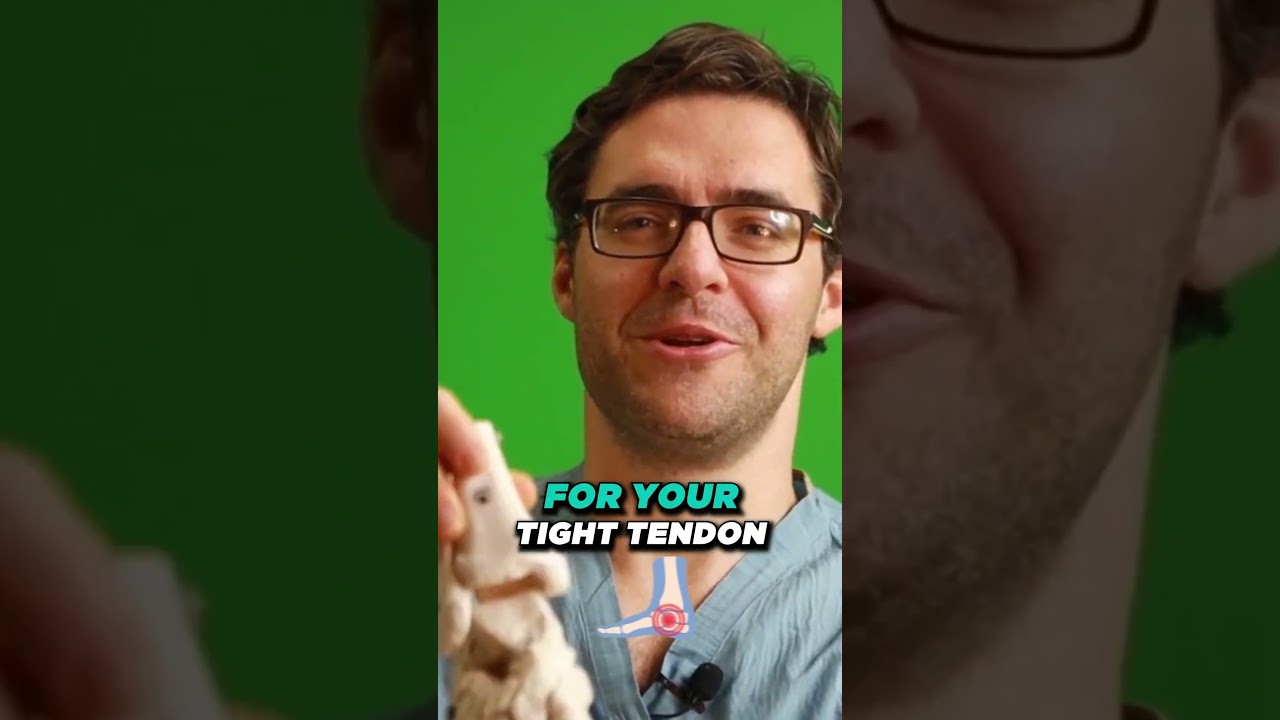
Dr. Tom Biernacki, DPM reviews the best plantar fasciitis insoles and shoes for self-care, and explains when you need to upgrade to custom orthotics.
Insoles vs. Orthotics FAQ
Can I use custom orthotics in any shoe?
Custom orthotics transfer between most athletic and casual shoes with removable insoles — you pull out the factory insole and replace it with your orthotic. They work well in running shoes, walking shoes, casual sneakers, and most work boots. They don’t fit well in very low-profile shoes (ballet flats, thin-soled dress shoes, sandals), high heels, or shoes with very shallow heel cups. For patients who need orthotic support in dress shoes or heels, we can fabricate dress orthotics — a thinner profile shell specifically designed for slimmer footwear. Most patients have one pair of sport orthotics and one pair of dress orthotics.
Does insurance cover custom orthotics?
Most commercial PPO plans and Medicare Advantage plans cover custom foot orthotics when prescribed for a qualifying medical condition — most commonly plantar fasciitis, diabetic peripheral neuropathy, posterior tibial tendon dysfunction, flatfoot deformity, or post-surgical rehabilitation. Coverage typically requires a physician’s written prescription, a supporting diagnosis, and fabrication by an approved laboratory. Our billing team handles prior authorization and insurance submission at the time of your appointment. Call (810) 206-1402 and provide your insurance information — we’ll verify benefits before your visit.
How long do custom orthotics last?
The rigid thermoplastic shell of a custom orthotic typically lasts 3–5 years with normal use. The top cover (the padded layer you feel against your foot) wears faster and usually needs replacement every 12–18 months, which is an inexpensive service. Signs it’s time to replace your orthotics: visible cracking or warping of the shell, the top cover is worn through, symptoms that had resolved are returning, or significant weight change (more than 30 lbs in either direction) that changes your biomechanics. We offer orthotic refurbishment and top cover replacement at both offices.
Are Superfeet better than Dr. Scholl’s for plantar fasciitis?
For plantar fasciitis specifically, Superfeet Green and Powerstep Pinnacle consistently outperform Dr. Scholl’s in clinical use. The distinction is shell rigidity — Superfeet and Powerstep use a semi-rigid nylon or polypropylene shell that holds its shape and provides consistent arch support. Dr. Scholl’s products are predominantly foam-based and compress under body weight, losing their supportive geometry relatively quickly. For patients trying OTC insoles first, I recommend Superfeet Green (firm, good for flat to normal arch) or Powerstep Pinnacle (slightly more flexible, normal to high arch) as starting points before investing in custom orthotics.
Can children use orthotics for flat feet?
Children’s flat feet are normal until around age 6–7 as the arch develops. After that age, persistent flexible flatfoot with associated pain or gait concerns warrants evaluation. Pediatric custom orthotics are effective and are often covered by insurance when prescribed for symptomatic flatfoot. Children’s orthotics need to be refabricated more frequently than adults’ — typically every 12–18 months as foot size changes. OTC insoles are an appropriate first trial for mild pediatric flat feet; custom orthotics are indicated when the deformity is moderate-severe or when OTC support hasn’t resolved symptoms after 8 weeks.
Still Have Heel Pain After Trying Insoles?
Dr. Tom Biernacki fabricates custom orthotics in-house at Balance Foot & Ankle — Howell and Bloomfield Hills, MI. Same-day casting available. Most insurance plans accepted.
Book an Appointment Call (810) 206-1402Related Resources
- Custom Orthotics in Michigan — Full Guide
- Plantar Fasciitis Treatment Options
- Best Shoes for Your Foot Type
- Podiatrist-Recommended Shoes
- About Dr. Tom Biernacki, DPM FACFAS
Frequently Asked Questions

When should I see a podiatrist?
If symptoms persist past 2 weeks, affect your normal activity, or are accompanied by red-flag symptoms (warmth, redness, swelling, inability to bear weight).
What does treatment cost?
Most diagnostic visits and conservative treatments are covered by Medicare and major insurers. Out-of-pocket costs vary by your specific plan.
How quickly can I get an appointment?
Most non-urgent cases see us within 5 business days. Urgent cases (sudden pain, possible fracture) typically same or next business day.
What is Plantar fasciitis?
Plantar fasciitis is a common foot/ankle condition that affects mobility and quality of life. Understanding the underlying cause is the first step in successful treatment. Our podiatrists at Balance Foot & Ankle perform a hands-on biomechanical exam, review your activity history, and use diagnostic imaging when appropriate to identify the root cause—not just treat the symptom. Many patients have been told to “rest and ice” without a deeper diagnostic workup; our approach is different.
Symptoms and warning signs
Common signs of plantar fasciitis include pain that worsens with activity, morning stiffness, swelling, tenderness when palpated, and difficulty bearing weight. If you experience sudden severe pain, inability to walk, visible deformity, numbness or color change, contact our office the same day or visit urgent care—these can signal a more serious injury such as a fracture, tendon rupture, or vascular compromise. Diabetics with any foot wound should seek same-day care.
Conservative treatment options
Most cases of plantar fasciitis respond to non-surgical care: structured rest, supportive footwear changes, custom orthotics, targeted stretching and strengthening protocols, anti-inflammatory medications when medically appropriate, and in-office procedures such as ultrasound-guided injections. We also offer advanced therapies including MLS laser therapy, EPAT/shockwave, regenerative injections, and image-guided procedures. Treatment is sequenced from least invasive to most invasive, and we explain the rationale at every step.
When is surgery considered?
Surgery is reserved for cases that fail 3-6 months of well-structured conservative care, when there is structural pathology (severe deformity, complete tear, advanced arthritis), or when imaging shows damage that will not heal without intervention. Our surgeons have performed 3,000+ foot and ankle procedures and prioritize minimally-invasive techniques whenever appropriate. We discuss recovery timelines, return-to-activity milestones, and realistic outcome expectations before any procedure is scheduled.
Recovery timeline and prevention
Recovery from plantar fasciitis varies based on severity and chosen treatment path. Conservative cases often improve within 4-8 weeks with consistent adherence to the protocol. Post-procedural recovery may range from a few days (in-office procedures) to several months (reconstructive surgery). Long-term prevention involves footwear assessment, activity modification, structured strengthening, and regular check-ins with your podiatrist if you have a history of recurrence. We provide written home-exercise plans and digital follow-up support.
Ready to feel better?
Same-week appointments available in Howell and Bloomfield Hills, Michigan.
Book Your VisitReady for Expert Care?
Same-day appointments in Howell & Bloomfield Hills, MI.
4.9★ | 1,123 Reviews | 3,000+ Surgeries
Or call: (810) 206-1402

Dr. Tom Biernacki, DPM is a board-certified foot & ankle surgeon (ABFAS & ABPM) at Balance Foot & Ankle Specialists in Southeast Michigan. With over a decade of clinical experience, he specializes in heel pain, bunions, diabetic foot care, sports injuries, and minimally invasive surgery. Dr. Biernacki is a member of the APMA and ACFAS, and his patient education content on MichiganFootDoctors.com and YouTube has made him one of the most-followed foot & ankle educators on YouTube.