

Quick answer: The best shoes for Achilles tendonitis have a supportive heel with a slight heel-to-toe drop (about 8–12 mm), firm heel cushioning, and a stable midsole that limits strain on the tendon — Brooks, ASICS, and Hoka stability models work well. Avoid zero-drop or minimalist shoes while the tendon is painful; a heel lift can help early on.
Medically reviewed by Dr. Tom Biernacki, DPM
Board-certified podiatric surgeon | Balance Foot & Ankle
Last reviewed: May 2026
Most Achilles tendonitis patients focus on heel-to-toe drop when choosing shoes — but our podiatrists routinely see patients fail to recover despite anatomically correct drop because they overlooked one shoe feature that creates more tendon stress than drop during the push-off phase of gait. Book online or call (810) 206-1402 — expert podiatric care across Michigan.

The best shoes for Achilles tendonitis have a slightly raised heel-to-toe drop to offload the tendon, firm heel support, and cushioning that absorbs impact. Avoid zero-drop or minimal shoes while it heals. Below we rank podiatrist-approved picks. Book online or call (810) 206-1402.
Why Heel Drop Matters More Than Brand Name for Achilles Tendonitis
The single most important shoe feature for Achilles tendonitis is heel-to-toe drop — the height difference between the heel and forefoot in millimeters. Every millimeter of positive heel drop reduces the tensile load on the Achilles tendon by reducing the range of ankle dorsiflexion required during the push-off phase of gait.
The clinical rule: During active Achilles tendonitis (acute phase), wear shoes with 8–12mm heel drop. As pain resolves and you transition back to running, gradually reduce drop over 12 weeks. Zero-drop shoes (Altra, Vivobarefoot, minimalist) are contraindicated during acute Achilles tendonitis — they increase tendon load by the same magnitude as elevated heel drop in reverse.
Zero-drop shoes may be appropriate for long-term maintenance after full recovery, but this transition must be gradual (10% reduction in drop per 2 weeks) to avoid recurrence.
Best Shoes for Achilles Tendonitis 2026: Ranked by Podiatrists
| Shoe | Heel Drop | Stack Height | Width Options | Best For | Achilles Feature | Price |
|---|---|---|---|---|---|---|
| Brooks Ghost 16 | 12mm | Heel 32mm / Forefoot 20mm | B, D, 2E | Daily walking/running with Achilles tendonitis; highest heel drop in neutral category | Highest drop (12mm) = maximum Achilles unloading; firm heel counter supports tendon; DNA LOFT v2 cushion | ~$140 |
| HOKA Clifton 9 | 5mm | Heel 34mm / Forefoot 29mm | B, D | High-cushion walking and running; light weight with Achilles protection | Early Meta-Rocker reduces push-off Achilles stress; excellent heel cushion at 34mm; low overall drop for comfort | ~$145 |
| Brooks Adrenaline GTS 24 | 12mm | Heel 32mm / Forefoot 20mm | B, D, 2E, 4E | Achilles tendonitis with overpronation/flat feet — dual purpose | 12mm drop + GuideRails stability system; addresses both Achilles and pronation simultaneously | ~$140 |
| ASICS Gel-Nimbus 26 | 10mm | Heel 39mm / Forefoot 29mm | D, 2E | Runners needing maximum heel cushion plus significant Achilles drop | 39mm heel height with 10mm drop = best absolute heel cushion for Achilles; FF BLAST+ foam soft on landing | ~$160 |
| New Balance 860v14 | 10mm | Heel 30mm / Forefoot 20mm | D, 2E, 4E | Achilles tendonitis with flat feet; needs maximum width variety | 10mm drop; Fresh Foam X midsole; structured heel counter prevents calcaneal drift that strains Achilles | ~$135 |
| Saucony Guide 17 | 8mm | Heel 28mm / Forefoot 20mm | D, 2E | Achilles with mild pronation; lower drop preference after partial recovery | 8mm drop at midpoint between 12mm and zero; PWRRUN foam; structured medial support | ~$135 |
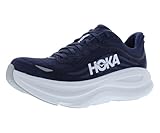
| HOKA Bondi SR (slip-resistant) | 4mm | Heel 40mm / Forefoot 36mm | D | Healthcare workers or standing-all-day workers with Achilles tendonitis | Maximal heel height (40mm absolute) compensates for lower relative drop; best for prolonged standing on hard floors | ~$165 |
What to Look for in a Shoe for Achilles Tendonitis: Features Guide
| Feature | Why It Matters for Achilles | What to Look For | What to Avoid |
|---|---|---|---|
| Heel Drop (8–12mm) | Reduces Achilles excursion range with each step; less tendon load per stride during gait cycle push-off phase | Stack specs listed on brand website; “stability” and “max cushion” running shoes typically 8–12mm drop | Zero-drop shoes (0mm); minimalist shoes; worn-out shoes with compressed heel (functionally zero-drop) |
| Heel Counter Firmness | Prevents calcaneal eversion that strains Achilles’ medial fibers; supports neutral heel position during stance phase | Squeeze the heel of the shoe — should resist compression; no lateral flare at heel | Soft, collapsible heel counters; overly flexible heel cups; no heel counter at all |
| Heel Cushion Depth (30mm+) | Absorbs calcaneal impact at heel strike; reduces the impact wave that travels up through Achilles | Maximal cushion category (HOKA, ASICS Nimbus, NB More); check heel stack height spec, not just drop | Thin-soled shoes; racing flats; casual shoes with <20mm heel height |
| Achilles Notch / Achilles Relief | Cutout or softened area at top back of heel collar prevents direct pressure on Achilles tendon insertion | Check upper design for padding or notch at back of heel collar; Brooks Ghost has good heel collar design | High, rigid heel collars that dig into Achilles tendon; hard seams at insertion point |
| Rocker Sole Geometry | Reduces active push-off phase; toe-off happens with less ankle plantarflexion = less Achilles load at end of stance | HOKA Meta-Rocker; ASICS Guidance Line; any shoe with visible curved sole rather than flat midsole | Flat-soled casual shoes; rigid-soled work boots with no rocker |
Achilles tendon pain at the back of your heel. The wrong shoes (zero-drop, flat) make it worse. The right shoes drop pain in days.
Clinical reference: American Academy of Orthopaedic Surgeons. “Achilles Tendinitis.” OrthoInfo. The AAOS recommends heel-cushioned footwear and activity modification as primary conservative management for Achilles tendinopathy.
You’re in the right place. Dr. Tom Biernacki, DPM, FACFAS — board-certified foot & ankle surgeon with 3,000+ surgeries — explains exactly what best shoes for Achilles tendonitis means and what works. Call (810) 206-1402 for same-week appointment at Howell or Bloomfield Township.
Quick answer: For Achilles tendonitis, the best shoes have a heel-to-toe drop of 8-12mm (lifts the heel + offloads the Achilles), max cushion, and a smooth rocker. Top picks: Hoka Bondi 8 (4mm drop with rocker), Brooks Glycerin GTS (10mm drop), and Asics Gel-Kayano (10mm drop). Add heel cups for extra offloading. Skip zero-drop minimalist shoes — they worsen Achilles pain. — Dr. Tom Biernacki, DPM, board-certified podiatrist (Michigan Foot Doctors).
![Insertional Achilles Tendonitis HOME Treatment [Stretches & Exercises]](https://www.michiganfootdoctors.com/wp-content/cache/flying-press/27b435c2c152d93f9c36c30022b15620.jpg)
⚠️ When to see a podiatrist about Achilles tendonitis:
- Achilles pain that suddenly worsens or feels like a kick to the back of the leg (possible rupture)
- Achilles pain with visible gap or inability to plantarflex
- Pain not improving after 4 weeks of proper footwear and rest
- Achilles tendonitis in a diabetic or immunocompromised patient
⭐ 4.5★ | 15K+ Sold
Stretches the Achilles tendon overnight — the single most effective at-home treatment for Achilles tendonitis pain.
⭐ 4.3★ | 4,800+ ratings
Provides Achilles compression and ankle support during activity — reduces painful tendon loading with every step.


🌎 Outside the US? Shop on your local Amazon: KT Tape Pro · PowerStep Insoles
MOST COMMON MISTAKE WE SEE
The most harmful mistake with Achilles tendonitis is switching to a maximally cushioned zero-drop shoe, believing more cushioning means better recovery. Zero-drop shoes actually increase Achilles load by placing the foot flat and forcing maximum calf-muscle lengthening with every step. For most Achilles tendonitis cases — especially insertional — a shoe with an 8–12mm heel drop reduces tendon stress by allowing the calf to work through a shorter range of motion. The second mistake is complete rest: complete offloading leads to tendon degeneration, while eccentric loading (controlled lengthening under load) is the evidence-based rehabilitation standard.
CONDITIONS THAT MIMIC ACHILLES TENDONITIS
- Insertional Achilles enthesopathy — bone spur at the Achilles insertion; responds to heel lift and EPAT shockwave, not eccentric exercises alone
- Retrocalcaneal bursitis — fluid-filled sac between the Achilles and calcaneus; pain directly behind the heel, not in the tendon; ultrasound distinguishes from tendinopathy
- Haglund’s deformity — bony prominence on the posterosuperior calcaneus; worsened by firm heel counters; may require surgical correction in recalcitrant cases
- Posterior tibial tendonitis — pain on the inner ankle, not the back; progressive flatfoot deformity; confused with medial Achilles irritation
- Achilles tendon partial tear — sudden onset of severe pain, gap palpable in the tendon; requires urgent imaging and surgical consultation
RED FLAGS — SEE A PODIATRIST
- Sudden, severe pop or snap in the Achilles with immediate inability to push off (tendon rupture)
- Palpable gap or divot in the Achilles tendon
- Achilles pain in a patient taking fluoroquinolone antibiotics (ciprofloxacin, levofloxacin) — high rupture risk
- Significant swelling with warmth suggesting tendon tear rather than tendinopathy
- Pain not improving after 6–8 weeks of appropriate footwear and eccentric exercise
Call (810) 206-1402 or book online — most urgent presentations seen same or next business day.
Our review site exists to put numbers behind lists like this one — Best Shoes for Achilles Tendonitis gives each pick’s stack height, drop and weight, with its source.
Want the numbers? Podiatrist Tested, our shoe-testing site, lists the specs model by model in its Achilles tendonitis shoe guide.
Frequently Asked Questions
What are the best shoes for Achilles tendonitis?
Shoes with a slight heel-to-toe drop (8-12mm), good rear-foot cushioning, and a structured heel counter are best. Top picks include HOKA Bondi 8, Brooks Adrenaline GTS, ASICS Gel-Kayano, and New Balance 1080. Avoid zero-drop and minimalist shoes during active Achilles tendonitis — they overload the tendon.
Can shoes cause Achilles tendonitis?
Yes — zero-drop shoes (Altra, Vivobarefoot), minimalist shoes, and worn-out shoes with compressed cushioning all increase Achilles tendon strain. Sudden transition from cushioned to minimalist shoes is a classic trigger. Returning to a moderate heel-to-toe drop typically reduces tension on the Achilles within days.
Should you wear heels with Achilles tendonitis?
A small heel lift (12-15mm) can actually help acute Achilles tendonitis by reducing tendon tension. Use a supportive shoe with a built-in heel drop or insert a heel lift in both shoes. Avoid stilettos and excessively tall heels — they shorten the Achilles over time and worsen the underlying problem.
How do you treat Achilles tendonitis at home?
Rest from running and high-impact activity, ice the back of the heel for 15 minutes 3 times daily, switch to shoes with a moderate heel-to-toe drop, perform daily eccentric heel-drop stretches, and use a heel lift insert. Most acute cases improve in 4-8 weeks; chronic cases need a podiatrist visit and physical therapy.
When does Achilles tendonitis need surgery?
Surgery is rare and reserved for cases that fail 6-12 months of conservative treatment, complete tendon ruptures, or severe insertional Achilles tendonitis with bone spurs. Most patients respond to a combination of shoes, orthotics, eccentric loading exercises, shockwave therapy, and PT.
Achilles Anatomy & Why Shoe Heel Drop Is the #1 Variable
Insertional vs Mid-Portion: Different Locations, Different Shoe Needs
Common signs of Achilles tendon include pain that worsens with activity, morning stiffness, swelling, tenderness when palpated, and difficulty bearing weight. If you experience sudden severe pain, inability to walk, visible deformity, numbness or color change, contact our office the same day or visit urgent care—these can signal a more serious injury such as a fracture, tendon rupture, or vascular compromise. Diabetics with any foot wound should seek same-day care.
Conservative Treatment: Shoes & Orthotics Before Everything Else
Most cases of Achilles tendon respond to non-surgical care: structured rest, supportive footwear changes, custom orthotics, targeted stretching and strengthening protocols, anti-inflammatory medications when medically appropriate, and in-office procedures such as ultrasound-guided injections. We also offer advanced therapies including laser therapy, EPAT/shockwave, regenerative injections, and image-guided procedures. Treatment is sequenced from least invasive to most invasive, and we explain the rationale at every step.

- ENGINEERED MESH
- Lining Textile
- ENGINEERED MESH
- Lining Textile
As an Amazon Associate, Balance Foot and Ankle earns from qualifying purchases. Product links are affiliate links and we may earn a commission at no extra cost to you. This does not influence our clinical recommendations. Last update on 2026-09-27 / Images from Amazon Product Advertising API
When Shoes & Conservative Care Aren’t Enough: Escalation Pathway
Surgery is reserved for cases that fail 3-6 months of well-structured conservative care, when there is structural pathology (severe deformity, complete tear, advanced arthritis), or when imaging shows damage that will not heal without intervention. Our surgeons have performed 3,000+ foot and ankle procedures and prioritize minimally-invasive techniques whenever appropriate. We discuss recovery timelines, return-to-activity milestones, and realistic outcome expectations before any procedure is scheduled.
Recovery Timeline & How to Prevent Recurrence With Footwear
Recovery from Achilles tendon varies based on severity and chosen treatment path. Conservative cases often improve within 4-8 weeks with consistent adherence to the protocol. Post-procedural recovery may range from a few days (in-office procedures) to several months (reconstructive surgery). Long-term prevention involves footwear assessment, activity modification, structured strengthening, and regular check-ins with your podiatrist if you have a history of recurrence. We provide written home-exercise plans and digital follow-up support.
Dr. Tom’s Picks: Achilles Shoe Support Stack
The best Achilles shoe still needs a proper insole. Pinnacle’s arch support reduces pronation that strains the Achilles insertion.
View on Amazon →
Apply along the Achilles tendon post-run. Arnica + menthol reduces tendon-level inflammation naturally.
View on Amazon →
As an Amazon Associate I earn from qualifying purchases. As a Foundation Wellness partner I may also earn commission.
In-Office Treatment at Balance Foot & Ankle
If home treatment isn’t providing relief for your Achilles tendon conditions, our podiatry team at Balance Foot & Ankle can help with same-week evaluations and advanced in-office care.
Ready to Get Relief?
Same-week appointments available in Howell & Bloomfield Township, MI
4.9★ | 1,123 Reviews | 3,000+ Surgeries
Or call: (810) 206-1402
Shoe friction at the heel is a common Achilles irritant. See our guide: Stop Shoes Rubbing the Back of Your Heel — Michigan podiatrist covers moleskin padding, heel grips, and proper break-in technique.
What shoe features help Achilles tendonitis?
Shoes for Achilles tendonitis need a heel-to-toe drop of at least 8-10mm to reduce the stretch on the Achilles tendon during each step. Zero-drop and minimalist shoes should be completely avoided during active tendinopathy. Other key features: a cushioned heel counter that doesn’t dig into the Achilles insertion, adequate heel cushioning for shock absorption, and a firm midfoot to prevent excessive pronation that increases Achilles load. The Hoka Bondi (4mm drop), ASICS Gel-Kayano, and Brooks Adrenaline are among the most consistently recommended options for Achilles tendinopathy.
Should I use a heel lift for Achilles tendonitis?
Yes — a 6-12mm heel lift is one of the fastest interventions to reduce Achilles tendon load and pain. Heel lifts work by reducing the degree of ankle dorsiflexion (toe-up position) required during the stance phase, which directly decreases tensile load on the tendon. In the short term, they provide faster pain relief than footwear changes alone. Long-term, combine heel lifts with a structured calf strengthening program (Alfredson eccentric protocol or heavy slow resistance) to address the underlying tendinopathy rather than just compensating for it.
When should I see a podiatrist for Achilles tendinopathy?
See a podiatrist if symptoms persist beyond 4 weeks, limit activity, or you have diabetes or poor circulation. Same-day appointments at Balance Foot & Ankle — (810) 206-1402 — Howell & Bloomfield Township, MI.
For a complete clinical overview: Our Complete Ankle Pain & Conditions Guide — explains all ankle pain conditions, diagnosis & evidence-based treatments from a Michigan DPM.

Dr. Tom Biernacki, DPM is a double board-certified podiatrist and foot & ankle surgeon at Balance Foot & Ankle Specialists in Southeast Michigan. With over a decade of clinical experience, he specializes in heel pain, bunions, diabetic foot care, sports injuries, and minimally invasive surgery. Dr. Biernacki is a member of the APMA and ACFAS, and his patient education content on MichiganFootDoctors.com and YouTube has reached over one million views.
- Plantar Fasciitis: Diagnosis and Conservative Management (PubMed)
- Plantar Fasciitis (APMA)
- Diagnosis and Treatment of Plantar Fasciitis (PubMed / AAFP)
- Heel Pain (APMA)
Related Treatments at Balance Foot & Ankle
Our board-certified podiatrists offer advanced treatments at our Bloomfield Township and Howell locations.
Recommended Products from Dr. Tom
📋 Dr. Tom Biernacki, DPM, FACFAS answers:
Shoes for Achilles tendonitis need to reduce tension on the Achilles by elevating the heel slightly (a 10–12mm heel-to-toe drop is ideal — this shortens the functional length of the tendon and reduces stretch load). A firm heel counter provides rearfoot stability and prevents excessive pronation that strains the medial Achilles. A cushioned midsole absorbs impact that would otherwise transfer up the tendon. Avoid zero-drop or minimalist shoes — placing the heel at ground level maximally stretches the Achilles tendon with each step and will dramatically worsen the condition. A temporary heel lift inside any shoe (1/4 to 1/2 inch felt or silicone) can provide relief while transitioning to appropriate footwear. For insertional Achilles tendonitis (pain at the tendon’s attachment to the heel bone), a heel cup that offloads the posterior heel is more helpful than a simple lift.
Related: Supination (underpronation) adds strain to the Achilles because the foot absorbs less shock, so the right footwear helps — see the best shoes for supination.
Dr. Tom Biernacki, DPM is a board-certified foot & ankle surgeon (ABFAS & ABPM) at Balance Foot & Ankle Specialists in Southeast Michigan. With over a decade of clinical experience, he specializes in heel pain, bunions, diabetic foot care, sports injuries, and minimally invasive surgery. Dr. Biernacki is a member of the APMA and ACFAS, and his patient education content on MichiganFootDoctors.com and YouTube has made him one of the most-followed foot & ankle educators on YouTube.
More questions patients ask
What features should shoes for Achilles tendonitis have?
Shoes for Achilles tendonitis should have an elevated heel (8–12mm heel-to-toe drop) to reduce Achilles tendon strain, good cushioning in the heel, a firm midsole for stability, and a supportive heel counter. Avoid flat, zero-drop shoes which place maximum tension on the Achilles tendon.
What are the best shoe brands for Achilles tendonitis?
Podiatrists frequently recommend HOKA (high drop, maximal cushioning), Brooks Adrenaline GTS (supportive, good heel cushioning), ASICS Gel-Kayano (heel gel cushioning), and New Balance 1080 (plush heel support) for Achilles tendonitis. A heel lift insert can be added to any shoe to further reduce Achilles tendon stress.
Can the wrong shoes cause Achilles tendonitis?
Yes — sudden transitions to flat or minimalist shoes increase Achilles tendon load and are a common cause of Achilles tendonitis in runners. Worn-out shoes that have lost heel cushioning also increase tendon stress. Podiatrists recommend a gradual transition when changing shoe types and replacing running shoes every 300–500 miles.
How long does an ankle sprain take to heal?
Grade 1: 1-3 weeks. Grade 2: 3-6 weeks. Grade 3: 6-12 weeks. Proper rehabilitation prevents chronic instability, which affects up to 40% of inadequately treated patients.
When should I see a doctor for a sprained ankle?
See a professional if you can't bear weight, notice significant swelling, heard a pop, have numbness, or pain hasn't improved after 5-7 days. Dr. Biernacki offers same-day urgent evaluations: 810-206-1402.
Can a sprained ankle heal without treatment?
Mild sprains may heal with rest, but undiagnosed tears frequently lead to chronic instability and early arthritis. Proper evaluation reduces long-term complication risk significantly.
What shoes are best for Achilles tendonitis?
Best shoes for Achilles tendonitis: HOKA Bondi 8 (max cushion, 4mm drop), Brooks Glycerin (8mm drop), ASICS Gel-Nimbus 25 (10mm drop), Saucony Triumph 20 (8mm drop). Look for: 8-12mm heel-to-toe drop (offloads Achilles), cushioned heel, firm heel counter, supportive arch. Avoid: zero-drop minimalist shoes, flat racing flats.
Should I wear running shoes with Achilles tendonitis?
Yes — but choose shoes with at least 8mm heel-to-toe drop to offload the Achilles tendon. The elevated heel reduces stretch and stress on the inflamed tendon. Avoid zero-drop shoes (Altra, Vivobarefoot) during acute flares. Add a 3/8-inch heel lift insert if your favorite shoes have low drop. Most cases improve in 6-12 weeks with proper footwear.
Are sandals okay for Achilles tendonitis?
Most flat sandals worsen Achilles tendonitis (insufficient heel lift). Acceptable sandals: OOFOS Original (raised heel cushion), Vionic Tide (built-in arch + heel), Birkenstock Arizona (deep heel cup), Hoka Hopara (cushioned recovery sandal). Avoid: flip-flops, flat slides, totally flat sandals. Even at home, supportive house shoes help heal Achilles tendinopathy.
Are Hoka shoes good for Achilles tendonitis?
Yes. Hoka One One shoes — particularly the Clifton, Bondi, and Gaviota — are among the top podiatrist picks for Achilles tendonitis due to their maximal cushioning and meta-rocker geometry that reduces heel-to-toe strain on the tendon.
Should I wear a heel lift for Achilles tendonitis?
A temporary heel lift (6–9mm) reduces Achilles tendon load during acute flares. It is not a long-term solution. Custom orthotics with a heel raise are more effective and prevent compensatory problems in the knee and hip.
What exercises help Achilles tendonitis?
Eccentric heel drops (stand on step, lower slowly) are the gold-standard rehab for mid-portion Achilles tendinopathy. Heavy slow resistance training and stretching also help. Avoid aggressive stretching during acute flares.
When should I see a podiatrist for Achilles pain?
See a DPM if pain persists beyond 4 weeks, there is morning stiffness, or you feel a bump on the tendon — this may indicate Haglund's deformity or a partial tear. Same-day appointments available at Balance Foot & Ankle — (810) 206-1402 — Howell & Bloomfield Township, MI.
Should I wear shoes with a heel lift for Achilles tendonitis?
A heel lift reduces strain on the Achilles tendon by shortening the effective tendon length during standing and walking. It is most beneficial for mid-portion Achilles tendonitis. For insertional Achilles tendonitis (pain at the heel bone attachment), heel lifts can actually worsen pain — open-back footwear or shoes with a soft heel collar are preferred in this case.
What is the difference between insertional and mid-portion Achilles tendonitis?
Insertional Achilles tendonitis affects the point where the tendon attaches to the heel bone, often with a bony prominence (Haglund's deformity). It is worsened by hard heel counters and heel lifts. Mid-portion tendonitis affects the middle of the tendon, 2–6cm above the heel, and responds well to heel lifts and higher-drop footwear. Treatment and shoe selection differ significantly between the two types.
When should I see a podiatrist for Achilles tendonitis?
See a podiatrist if: Achilles pain persists beyond 6 weeks despite shoe changes and rest, you notice a palpable lump or nodule in the tendon, pain is severe first thing in the morning, or you have a history of tendon rupture. Early evaluation prevents progression to chronic tendinosis and rules out partial tendon tears that require different management.
Still have a question about coverage or cost? Book online and we will check your benefits before your visit: Book in Howell · Book in Bloomfield Township. Prefer to talk it through first? Call (810) 206-1402.