
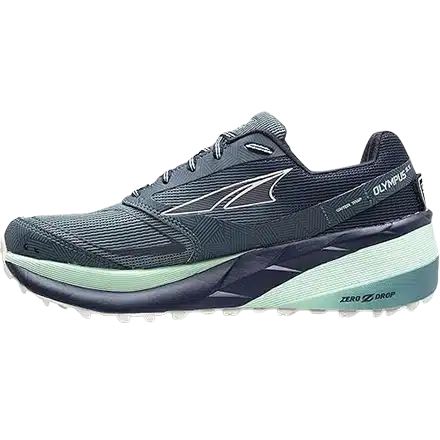

For trail runners with plantar fasciitis, the right shoe combines aggressive lugs for traction, structured arch support, and protective rock plate — without losing the cushioning the inflamed fascia needs.
You’re in the right place. Dr. Tom Biernacki, DPM, FACFAS — board-certified foot & ankle surgeon with 3,000+ surgeries — explains exactly what the best trail running shoes for plantar fasciitis means and what works. Call (810) 206-1402 for same-day appointment at Howell or Bloomfield Township.
Quick answer:Best trail running shoes for plantar fasciitis: higher heel drop (8mm+) reduces fascial tension vs. low-drop trail shoes. Top picks: Brooks Cascadia (12mm drop, firm trail protection), Hoka Speedgoat (4mm drop but maximal cushion — use with orthotic), Salomon Sense Ride. Choose firm midsole over soft compression to maintain fascial support on uneven terrain.ll (810) 206-1402.
![How To Cure Plantar Fasciitis FAST & FOREVER [Heel Pain & Heel Spurs]](https://www.michiganfootdoctors.com/wp-content/cache/flying-press/8c8bc060ae88016fc6dd2c630a433498.jpg)
Watch: How To Cure Plantar Fasciitis FAST & FOREVER [Heel Pain & Heel Spurs] — MichiganFootDoctors YouTube
Foot pain isn't resolving?
Same-week appointments at podiatrist in Howell & podiatrist in Bloomfield Township
Board-Certified Podiatric Foot & Ankle Surgeon · Last reviewed: May 4, 2026
In This Article
- What are the best trail running shoes for plantar fasciitis treatment?
- Why Trail Running Is Harder on Plantar Fasciitis
- What to Look For in a Trail Shoe
- Top 4 Trail Running Shoes for Plantar Fasciitis
- Insole Upgrade: CURREX HikePro
- The Zero-Drop Trap: What Minimal Shoes Do to Plantar Fasciitis
- Differential Diagnosis: Is It Really Plantar Fasciitis?
- Warning Signs to Stop Running
- Most Common Mistake Trail Runners with PF Make
- In-Office Treatment at Balance Foot & Ankle
- Frequently Asked Questions
- Sources
- Frequently Asked Questions
Trail runners with plantar fasciitis need shoes with a cushioned midsole, adequate heel-to-toe drop (8–12mm), a firm heel counter, and ideally a rock plate to prevent painful arch flexion on uneven terrain. Top picks include HOKA Speedgoat 6, Brooks Cascadia 17, and Salomon XA Pro 3D V9. Pair with CURREX HikePro insoles for maximum fascia unloading on the trail.
You’ve found your rhythm on the trail — the roots, the rocks, the descents — and then your heel starts screaming the moment you step out of bed the next morning. Plantar fasciitis doesn’t care that you’re only running dirt. In fact, trail running’s unpredictable surfaces, variable heel-to-toe demands, and repeated arch-loading on inclines can make plantar fasciitis significantly more aggravating than road running. In our clinic, we see trail runners who’ve managed their fasciitis fine on roads fall apart the moment they hit the trails without the right shoe for the terrain.
This guide is specifically for trail runners — not a generic plantar fasciitis shoe list adapted from road running content. We’ll cover the unique mechanical demands of trail running on an already-stressed fascia, the shoe features that matter most, and our top clinical picks for getting you back on the dirt pain-free.
Why Trail Running Is Harder on Plantar Fasciitis
On roads, each stride is fairly uniform. The foot lands in roughly the same configuration thousands of times. On trails, every stride is different — you’re dorsiflexing suddenly over a root, landing on a lateral rock edge, descending with your arch under tension, or pushing off a steep incline with the forefoot bearing the entire load. Each of these movements places different stresses on the plantar fascia, and if that tissue is already inflamed at its calcaneal origin, the cumulative load accumulates rapidly.
The three specific trail factors that worsen plantar fasciitis are: (1) rock flex — sharp rocks under the forefoot force the plantar fascia into sudden, painful stretch; (2) descent mechanics — downhill trail running increases forefoot loading and calcaneal dorsiflexion beyond what flat-road running demands; and (3) variable surface compliance — loose soil and gravel create micro-pronation events that longitudinally stress the fascia repeatedly through the run. A shoe designed specifically for these conditions provides meaningful protection against each.
What to Look For in a Trail Shoe
| Feature | Why It Matters for PF | What to Look For |
|---|---|---|
| Heel-to-Toe Drop | Higher drop reduces Achilles tension and shifts load off the fascia | 8–12mm drop; avoid zero-drop during active flare |
| Midsole Cushioning | Attenuates impact forces transmitted to the calcaneal fascia insertion | Maximum stack preferred (HOKA geometry or equivalent) |
| Rock Plate | Prevents painful arch hyperextension over sharp rocks | Nylon or TPU rock plate in midsole; essential for rocky terrain |
| Heel Counter | Stabilizes calcaneus and limits the pronation that elongates the fascia | Firm, structured heel cup; test by squeezing sides — should resist compression |
| Lugs | Good traction reduces slip-and-grab events that cause acute arch strain | 4–6mm multidirectional lugs; avoid aggressive cleats for hardpack |
| Arch Support | Supports the longitudinal arch to reduce fascial tension during midstance | Built-in medial arch contour; or accommodates aftermarket insole |
Top 4 Trail Running Shoes for Plantar Fasciitis
1. HOKA Speedgoat 6 — Best Overall Trail Shoe for Plantar Fasciitis
HOKA’s maximum-cushion philosophy was practically invented for plantar fasciitis patients, and the Speedgoat 6 brings that protection to the trail with Vibram Megagrip outsole lugs that handle wet rock, loose dirt, and alpine terrain. The 4mm heel-to-toe drop (lower than ideal for active PF flares — see note below) is offset by the extraordinary stack height that reduces calcaneal impact forces significantly. The wide base geometry also provides exceptional lateral stability on uneven trail surfaces, preventing the micro-pronation events that elongate the fascia on variable terrain.
Best for: Long mountain trail runs, soft to technical terrain, runners who already use HOKA on roads for PF. Note: The 4mm drop is lower than the 8–12mm we typically recommend during active PF flares. Use with a CURREX HikePro MED or HIGH insole to elevate the heel relative to the forefoot within the shoe. Not ideal for: Pavement or hardpack where Vibram mega-lugs feel cumbersome.
2. Brooks Cascadia 17 — Best Stability Trail Shoe for Plantar Fasciitis
The Cascadia is the closest trail equivalent to the Adrenaline GTS: it brings Brooks’ GuideRails stability technology to trail running, making it the ideal choice for overpronating trail runners who also have plantar fasciitis — a combination we see constantly in our clinic. The 8mm drop sits exactly in the sweet spot for PF management. The TrailTack rubber outsole provides excellent multi-surface grip without the aggressive lugging that makes trail shoes feel awkward on packed dirt or gravel paths.
Best for: Mild to moderate overpronation plus plantar fasciitis, moderate trails, road-to-trail runners. Not ideal for: Highly technical alpine or rocky terrain where a stiffer rock plate is needed.
3. Salomon XA Pro 3D V9 — Best for Technical Rocky Terrain
Where the Speedgoat and Cascadia are cushion-forward, the Salomon XA Pro 3D V9 prioritizes structural protection. Its 3D chassis — a rigid torsional TPU frame that wraps the midfoot — prevents the rotational stresses on rocky terrain that trigger fascial flares, while the 10mm heel drop comfortably reduces Achilles-to-fascia load chain tension. For trail runners who navigate real technical terrain — scree fields, rooted singletrack, wet rocks — this is our first recommendation because the structural stability matches what we build into custom orthotics: controlled motion, not just soft landing.
Best for: Technical rocky terrain, day hikes transitioning to trail running, Achilles + PF dual presentations. Not ideal for: Fast trail runners wanting a plush, energy-return feel; the XA Pro trades performance for protection.
4. New Balance Fresh Foam X Hierro v8 — Best Cushioned Stability Trail Shoe
The Hierro v8 is NB’s most cushioned trail shoe and delivers a near-road-shoe plushness to off-road running that makes it ideal for trail runners recovering from plantar fasciitis who still need to put in mileage. The 8mm drop, full Fresh Foam X midsole, and medial post provide the three pillars of PF management in one package. It runs slightly wide, which is ideal for PF patients whose foot spreads under load.
Best for: Recovery runs on moderate trails, wide feet, transition from road to trail. Not ideal for: Very technical or wet rocky terrain — the outsole lugging is moderate rather than aggressive.
Insole Upgrade: CURREX HikePro
Trail shoes typically have less arch contouring than road shoes because the last needs to accommodate variable terrain mechanics. Adding a quality insole specifically designed for trail and hiking mechanics is one of the highest-use interventions for trail runners with plantar fasciitis — it gives you arch support precision inside whatever shoe’s outsole best suits your terrain.
CURREX HikePro — Podiatrist-Recommended for Trail Runners with PF
The CURREX HikePro is designed for the same multi-plane motion demands as trail running — lateral step-overs, descents, unstable surfaces — and comes in LOW, MED, and HIGH arch profiles so it matches your actual anatomy rather than an average foot. For plantar fasciitis patients, the MED or HIGH arch profile provides the fascia-unloading arch support that most trail shoes lack, while the dual-layer construction absorbs the repetitive impact of technical terrain. The deep heel cup (18mm — deeper than the RunPro) stabilizes the calcaneus precisely where the fascia attaches.
- LOW / MED / HIGH arch profiles — choose based on arch height at rest
- 18mm deep heel cup — deeper than road insoles for superior calcaneal control
- Antimicrobial top cover for multi-day trail use
- Compatible with all trail running shoes listed above
The Zero-Drop Trap: What Minimal Shoes Do to Plantar Fasciitis
Zero-drop and minimalist trail shoes — Altra Lone Peak, Vivobarefoot, Xero Shoes — are popular in trail running communities for their natural foot positioning and proprioceptive benefits. For healthy feet, they can be excellent. For plantar fasciitis, they are among the most aggravating shoe choices possible, and we strongly advise against using them during any active flare or within the first 6 months of PF recovery.
Here’s why: the plantar fascia is mechanically linked to the Achilles tendon through the posterior muscle compartment. When the heel is elevated relative to the forefoot (heel-to-toe drop), the Achilles is slightly shortened, which reduces the tensile load transmitted to the fascia. Zero-drop shoes eliminate this protection entirely. On a trail where you’re repeatedly dorsiflexing over obstacles and powering uphill, the cumulative fascia stress in a zero-drop shoe can delay healing by weeks or cause acute re-injury in runners who felt they were recovering well.
We tell patients: transition to minimalist footwear only after 6+ months of pain-free trail running with adequate drop, and do it gradually — no more than 2mm drop reduction per month.
Differential Diagnosis: Is It Really Plantar Fasciitis?
Heel pain in trail runners is almost always assumed to be plantar fasciitis — but in our clinic, a meaningful percentage of patients labeled with PF actually have one of the following conditions that require different treatment. Getting the diagnosis right before selecting footwear prevents months of mismatched management.
| Condition | Key Clinical Feature | Distinguishing Test |
|---|---|---|
| Plantar Fasciitis | First-step morning pain, medial calcaneal tenderness | Windlass test positive; tenderness at medial calcaneal tuberosity |
| Calcaneal Stress Fracture | Pain with all weight-bearing, not just first steps | Medial-lateral calcaneal squeeze test positive; MRI confirms |
| Baxter’s Nerve Entrapment | Heel pain with burning or numbness component | Tinel’s at medial heel; EMG/nerve conduction study |
| Fat Pad Atrophy | Central heel pain, visible or palpable thinning of heel pad | Pain worsens with barefoot walking on hard surfaces; worse centrally not medially |
| Tarsal Tunnel Syndrome | Burning, tingling, or numbness along sole of foot | Tinel’s at medial ankle (posterior to medial malleolus); worse after prolonged standing |
Warning Signs to Stop Running
- Pain that persists during the run and doesn’t warm up — true PF typically eases after the first mile; pain that stays or worsens mid-run suggests structural tearing or a different diagnosis
- Heel pain at rest or overnight — suggests systemic inflammatory condition (reactive arthritis, psoriatic arthritis, ankylosing spondylitis) rather than mechanical PF
- Sudden sharp pain with an audible pop — may indicate plantar fascia rupture, which requires immediate offloading and imaging
- Swelling or bruising around the heel — not typical of plantar fasciitis; consider calcaneal fracture or tendon rupture
- Numbness or tingling in the foot — indicates nerve involvement (Baxter’s entrapment or tarsal tunnel) requiring neurological evaluation
- Failure to improve after 4–6 weeks of appropriate footwear changes — time for a formal podiatric evaluation and imaging
Most Common Mistake Trail Runners with PF Make
The most common mistake we see trail runners with plantar fasciitis make is switching to maximally cushioned shoes without changing their training volume. Cushioning reduces impact but does not reduce accumulated fascia loading from mileage. A trail runner who previously logged 30 miles/week in under-cushioned shoes, then switches to HOKA Speedgoats without cutting mileage, will still have plantar fasciitis — it will just hurt a little less per mile as the total load continues to exceed the tissue’s healing capacity. The fix: reduce mileage by 30–50% for the first 4 weeks in the new shoe, prioritize flat terrain over technical trail, and perform plantar fascia stretching and towel scrunching exercises each morning before that first step.
In-Office Treatment at Balance Foot & Ankle
When footwear optimization alone isn’t enough, our clinic offers a comprehensive plantar fasciitis treatment protocol tailored specifically for active runners. We provide diagnostic ultrasound to assess fascia thickness and tearing, custom orthotics for long-term arch unloading, platelet-rich plasma (PRP) injection for chronic cases, and shockwave therapy — which has the strongest evidence base of any non-surgical PF intervention. We work specifically with trail runners to create return-to-trail protocols that get you back on the dirt without re-injury.
Same-day appointments available. (810) 206-1402 | Book Online →
Trail Plantar Fasciitis That Won’t Quit?
Dr. Tom Biernacki, DPM offers ultrasound-guided PRP, shockwave therapy, and custom orthotics for trail runners — same day.
Howell: 4330 E Grand River Ave · Bloomfield Township: 43494 Woodward Ave #208
Book Your Appointment →Frequently Asked Questions
Can I trail run with plantar fasciitis?
Yes — with the right footwear, insoles, and mileage modifications, most trail runners with plantar fasciitis can continue training through recovery. The key is reducing total load (mileage × intensity × terrain difficulty) while maximizing mechanical protection per mile. Choose high-cushion, high-drop trail shoes with a rock plate, add a CURREX HikePro insole, cut volume by 30–50%, and avoid technical rocky terrain during active flares. Most runners can return to full trail mileage within 8–12 weeks if managed correctly.
What heel-to-toe drop is best for plantar fasciitis?
For active plantar fasciitis, we recommend 8–12mm heel-to-toe drop. This range reduces tension in the Achilles-plantar fascia kinetic chain by slightly shortening the gastrocnemius-soleus complex, which decreases the tensile pull on the fascia’s calcaneal insertion. Zero-drop and low-drop shoes (under 4mm) increase this tension and are strongly contraindicated during active flares. As pain resolves, you can gradually transition to lower-drop options over 3–6 months if desired.
Does a rock plate help with plantar fasciitis on trails?
Yes — a rock plate is one of the most clinically relevant features for trail runners with plantar fasciitis. Sharp rocks and roots under the forefoot cause sudden, forced dorsiflexion of the toes and metatarsal heads, which in turn pulls the plantar fascia taut in a mechanism called the Windlass. A rock plate (nylon or TPU) between the midsole and outsole prevents this sudden fascial stretch, eliminating one of the most common pain triggers on technical trail.
Are HOKA shoes good for plantar fasciitis on trails?
HOKA trail shoes are excellent for plantar fasciitis from a cushioning standpoint — their maximum stack height significantly reduces calcaneal impact forces compared to conventional trail shoes. The limitation for PF-specific use is that some HOKA trail models (including the Speedgoat) have relatively low heel-to-toe drop (4mm), which is suboptimal during active flares. We recommend pairing any low-drop HOKA trail shoe with a CURREX HikePro HIGH insole to effectively raise the heel-to-forefoot differential within the shoe, getting the benefit of HOKA cushioning plus appropriate drop compensation.
When should I see a podiatrist about trail-related plantar fasciitis?
See a podiatrist if your heel pain persists beyond 4–6 weeks of appropriate footwear changes, if you have pain at rest or overnight, if you notice numbness or tingling, or if pain is getting progressively worse despite cutting mileage. Don’t wait for a complete rupture to seek care — early treatment with shockwave therapy or PRP has a much better success rate than treating chronic, established plantar fasciitis. Call (810) 206-1402 or book online.
Sources
- Beeson P. “Plantar fasciopathy: revisiting the risk factors.” Foot and Ankle Surgery. 2014;20(3):160–165.
- Rompe JD, et al. “Shock wave therapy for plantar fasciopathy.” British Journal of Sports Medicine. 2017;51:1681–1682.
- Wearing SC, et al. “The pathomechanics of plantar fasciitis.” Sports Medicine. 2006;36(7):585–611.
- Cheung JT, et al. “Three-dimensional finite element analysis of the foot during standing — a material sensitivity study.” Journal of Biomechanics. 2005;38(5):1045–1054.
- Landorf KB, Menz HB. “Plantar heel pain and fasciitis.” BMJ Clinical Evidence. 2024.
Related Conditions & Resources
For more on related conditions and treatments:
- Plantar fasciitis complete guide
- Best insoles for plantar fasciitis 2026
- What causes plantar fasciitis
- Plantar fasciitis stretches
- Podiatrist-recommended orthotics
- Howell podiatrist office
- Bloomfield Township podiatrist office
Need to see a podiatrist? Call (810) 206-1402 or book online. Same-week availability.
Frequently Asked Questions
When should I see a podiatrist?
If symptoms persist past 2 weeks, affect your normal activity, or are accompanied by red-flag symptoms (warmth, redness, swelling, inability to bear weight).
What does treatment cost?
Most diagnostic visits and conservative treatments are covered by Medicare and major insurers. Out-of-pocket costs vary by your specific plan.
How quickly can I get an appointment?
Most non-urgent cases see us within 5 business days. Urgent cases (sudden pain, possible fracture) typically same or next business day.
Ready to feel better?
Same-week appointments available in Howell and Bloomfield Township, Michigan.
Book Your VisitDoctor Hoy’s Natural Pain Relief Gel
Natural topical pain relief I use in our clinic. Arnica + camphor formula — apply directly to the area 3–4x daily. ($20–25)
Shop Doctor Hoy’s →PowerStep Pinnacle Insoles
Medical-grade arch support. The OTC insole I recommend most in our clinic. Reduces stress on the foot with every step. ($25–35)
Shop PowerStep →In-Office Treatment at Balance Foot & Ankle
If home treatment isn’t providing relief for your plantar fasciitis, our podiatry team at Balance Foot & Ankle can help with same-day evaluations and advanced in-office care.
Same-day appointments available. (810) 206-1402
Learn about our plantar fasciitis treatment → | Book online →
Get Expert Care at Balance Foot & Ankle
Same-week appointments at our Howell and Bloomfield Township offices. Board-certified podiatric surgeons. Most insurance accepted.
Same-Week Appointments in Howell & Bloomfield Township
Three board-certified podiatric surgeons. 1,123+ five-star reviews. Most insurance accepted.

Dr. Tom Biernacki, DPM is a board-certified foot & ankle surgeon (ABFAS & ABPM) at Balance Foot & Ankle Specialists in Southeast Michigan. With over a decade of clinical experience, he specializes in heel pain, bunions, diabetic foot care, sports injuries, and minimally invasive surgery. Dr. Biernacki is a member of the APMA and ACFAS, and his patient education content on MichiganFootDoctors.com and YouTube has made him one of the most-followed foot & ankle educators on YouTube.