
This page covers the clinical evaluation, evidence-based treatment options, and recovery timeline for heel injection michigan at Balance Foot & Ankle in Michigan. For same-week appointments at our Howell or Bloomfield Township offices, call (810) 206-1402.
| Injectate | Onset of Relief | Peak Effect | Duration | Re-Treatment | Rupture Risk |
|---|---|---|---|---|---|
| Corticosteroid (triamcinolone) | 3–7 days | 2–4 weeks | 4–12 weeks | Max 2–3/year; 6-week intervals | 3–5% per injection |
| Corticosteroid (betamethasone) | 3–7 days | 2–4 weeks | 6–16 weeks (longer acting) | Max 2–3/year | 3–5% per injection |
| PRP (platelet-rich plasma) | 2–4 weeks | 6–12 weeks | 6–18 months | 1–3 injections; no frequency limit | None (regenerative) |
| Prolotherapy (dextrose 12–15%) | Variable (2–6 weeks) | 6–12 weeks | Months to indefinite | Multiple series (3–6 injections) | Very low |
| Hyaluronic Acid | Variable | 4–8 weeks | 3–6 months | 1–2 series/year | None |
| Botulinum Toxin A | 1–2 weeks | 4–6 weeks | 3–4 months | Quarterly if effective | None (intrinsic muscle target) |
| Clinical Scenario | Recommended Injection | Rationale | Guided vs. Blind |
|---|---|---|---|
| Acute plantar fasciitis (<6 weeks) | Corticosteroid | Rapid anti-inflammatory effect; likely acute | Ultrasound-guided preferred |
| Subacute plantar fasciitis (6 weeks–3 months) | Corticosteroid (first); PRP if recurrent | Still inflammatory component; corticosteroid first-line | Ultrasound-guided (avoids fat pad) |
| Chronic plantar fasciitis (>3 months) | PRP (preferred over repeat cortisone) | Degenerative tendinopathy; no active inflammation to suppress | Ultrasound-guided |
| Failed 2 cortisone injections | PRP | Corticosteroid risk increasing; PRP better long-term evidence | Ultrasound-guided |
| Diabetic patient with heel pain | PRP or low-dose corticosteroid (with glucose monitoring) | Corticosteroids raise blood glucose 2–5 days; PRP preferred | Ultrasound-guided |
| Athlete returning to sport | PRP (or corticosteroid if rapid return needed) | PRP has no rupture risk; better long-term durability | Ultrasound-guided |
| Heel pain + fat pad atrophy | PRP to fat pad (experimental) | Corticosteroid would worsen fat pad; PRP may regenerate | Ultrasound-guided (fat pad target) |
Heel injections — corticosteroid for fast relief, PRP for longer-term healing — work best when combined with stretching, taping, and footwear modifications. The right pick depends on your symptom timeline.
You’re in the right place. Dr. Tom Biernacki, DPM, FACFAS — board-certified foot & ankle surgeon with 3,000+ surgeries — explains exactly what heel injection treatment means and what works. Call (810) 206-1402 for same-day appointment at Howell or Bloomfield Township.

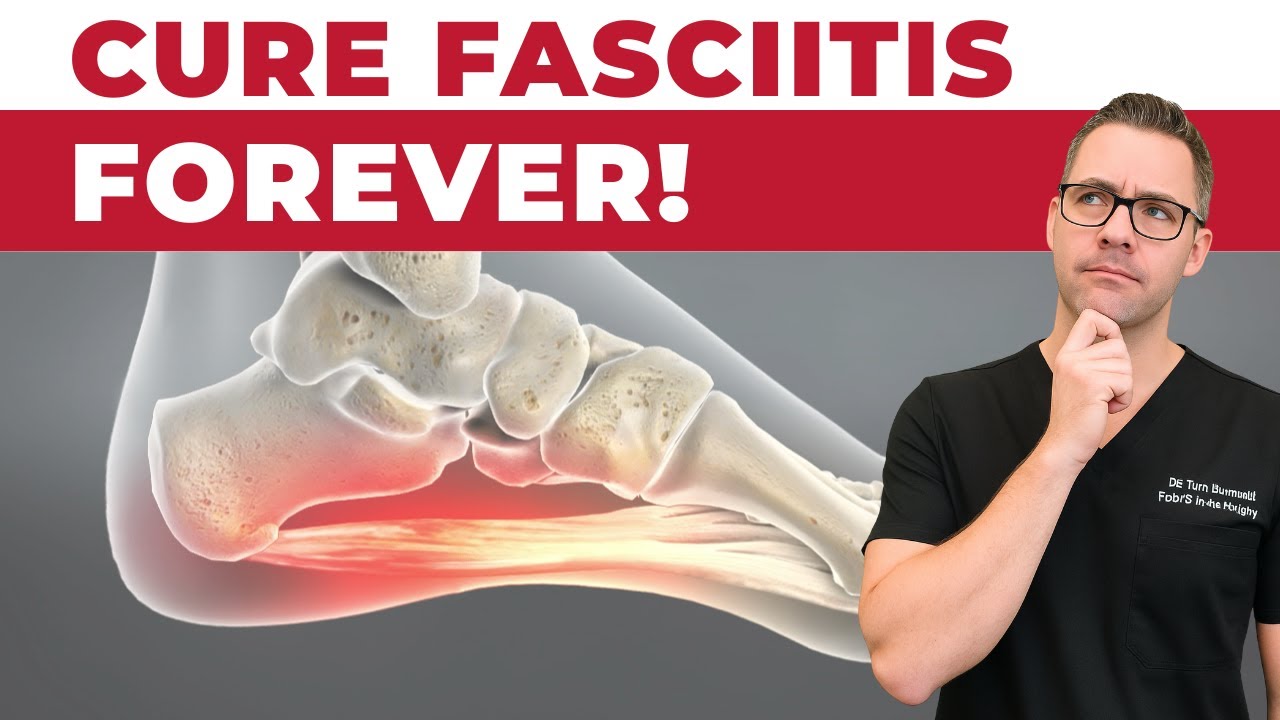
Watch: How To Cure Plantar Fasciitis FAST FOREVER — MichiganFootDoctors YouTube
Foot pain isn't resolving?
Same-week appointments at Howell & Bloomfield Township
Board-Certified Podiatric Foot & Ankle Surgeon · Last reviewed: May 4, 2026
Medically Reviewed | Dr. Tom Biernacki, DPM | Board-Certified Podiatric Surgeon | Balance Foot & Ankle, Michigan
In This Article
![How Steroid Injections Relieve Pain [INSTANT PAIN RELIEF]](https://www.michiganfootdoctors.com/wp-content/cache/flying-press/d91e6f173c3c14f7586c8a63876c56fd.jpg)

Types of Heel Injections
Two injection modalities are used for heel pain — corticosteroid and PRP (platelet-rich plasma). They work through fundamentally different mechanisms and are indicated at different points in the treatment progression:
Corticosteroid (Cortisone) Injections
Corticosteroids (typically triamcinolone acetonide or methylprednisolone, often combined with a local anesthetic like lidocaine) suppress the acute inflammatory response in plantar fasciitis and retrocalcaneal bursitis. The mechanism is straightforward: the steroid inhibits prostaglandin synthesis and reduces edema, mast cell activity, and inflammatory cytokine production at the injection site.
Short-term outcomes are excellent — 50-80% significant improvement within 2-4 weeks, superior to all other treatments at that time point. This makes corticosteroids valuable for patients who need rapid function improvement (an event, a job requirement, an upcoming race).
Long-term outcomes are inferior to PRP — at 6 and 12 months, PRP consistently outperforms corticosteroid injection in RCT comparisons. The anti-inflammatory effect of corticosteroids doesn’t address the underlying fascial degeneration that drives chronic plantar fasciitis; it suppresses symptoms without healing the tissue.
Risk of plantar fascia rupture — repeated corticosteroid injections into the plantar fascia (especially more than 2-3 times) increase the risk of fascial rupture, estimated at 2-10% with multiple injections. We limit injections to 2-3 lifetime in a single fascial site and switch to PRP or ESWT for patients who don’t achieve lasting benefit from corticosteroids.
Why Ultrasound Guidance Matters
The plantar fascia insertion is a specific structure 3-5mm beneath the skin at the anteromedial calcaneal tubercle. Without imaging, “blind” injection using anatomic landmarks risks depositing the medication into the heel fat pad (no therapeutic effect) or superficial to the fascia (where it can cause fat pad atrophy or skin discoloration). Ultrasound guidance allows real-time visualization of the needle tip, confirming the medication deposits directly within the thickened fascial tissue where it can exert its effect.
Studies consistently show higher success rates and fewer complications with ultrasound-guided vs. blind injection — a pattern seen across musculoskeletal injection medicine. We image all heel injections.
Retrocalcaneal Bursitis Injection
The retrocalcaneal bursa sits between the posterior Achilles tendon and the calcaneus, often becoming inflamed in Haglund’s deformity or insertional Achilles tendinopathy. Corticosteroid injection into the bursa — distinct from the tendon — provides excellent relief for bursitis-predominant pain. We are careful to visualize the tendon wall and inject into the bursal space rather than the tendon substance, as intratendinous steroid injection dramatically increases rupture risk.
Post-Injection Care
After corticosteroid injection: reduce activity for 48-72 hours, apply ice 15-20 minutes 3-4 times daily for 2 days, and resume orthotics and stretching immediately. Avoid aggressive physical activity for 2 weeks. After PRP injection: avoid NSAIDs for 4-6 weeks, reduce high-impact activity for 4-6 weeks, expect a pain flare for 3-7 days (this is the therapeutic response), and resume orthotics and gentle stretching at week 2.
Dr. Tom's Product Recommendations
CURREX RunPro Insoles
⭐ Highly Rated
Arch support insoles used post-injection to offload the plantar fascia during recovery. Reduces fascial tension between injection and full healing.
Dr. Tom says: “After my cortisone injection, my podiatrist said the most important thing was immediate arch support to prevent re-injury. These insoles provided excellent support during recovery.”
Post-injection recovery — reduces plantar fascia loading during healing phase
Patients with custom orthotics — use those for superior biomechanical correction
Disclosure: We earn a commission at no extra cost to you.
Strassburg Sock Night Splint
⭐ Highly Rated
Dorsiflexion night splint that maintains plantar fascia stretch during sleep — reduces the overnight fascial shortening that causes first-step morning pain. Used post-injection to optimize the healing environment.
Dr. Tom says: “My podiatrist recommended this after my PRP injection to keep the fascia stretched at night. The morning pain was dramatically reduced within a week.”
Post-injection patients with significant morning first-step pain — maintains fascial stretch during overnight rest
Patients with arterial insufficiency or discomfort in dorsiflexion
Disclosure: We earn a commission at no extra cost to you.
Hoka Bondi 8 Walking Shoe
⭐ Highly Rated
Maximum-cushion rocker-bottom shoe that reduces peak heel impact — prescribed post-injection to protect the fascia and allow the treatment effect to be maintained.
Dr. Tom says: “After my heel injection, my podiatrist said the best thing for protection was maximum-cushion footwear. These Hokas made walking pain-free immediately after the cortisone took effect.”
Post-injection footwear — maximum cushion protects the treated fascia during return to activity
Patients needing narrow widths
Disclosure: We earn a commission at no extra cost to you.
✅ Pros / Benefits
- Corticosteroid injection achieves 50-80% improvement within 2 weeks — fastest conservative treatment option
- Ultrasound guidance maximizes precision and minimizes rupture risk
- PRP injection provides superior long-term outcomes vs. corticosteroid at 6-12 months
- Same-day office procedure with no anesthesia required beyond local injection at the site
❌ Cons / Risks
- Corticosteroid provides short-term relief but limited long-term disease modification
- More than 2-3 corticosteroid injections increases plantar fascia rupture risk
- PRP has a painful 3-7 day post-injection flare period
- Insurance coverage for PRP variable; corticosteroid injection is universally covered
Dr. Tom Biernacki’s Recommendation
I think of cortisone as a bridge and PRP as a building block. Cortisone gets you through a pain crisis quickly — useful if you have a marathon in three weeks or can’t take time off work. PRP heals the underlying degenerated tissue. For most patients with chronic plantar fasciitis, I recommend one cortisone injection to get immediate relief, then ESWT or PRP at 6-8 weeks if the cortisone hasn’t produced lasting improvement.
— Dr. Tom Biernacki, DPM | Board-Certified Podiatric Surgeon | Balance Foot & Ankle
Frequently Asked Questions
How long does a cortisone injection last?
Most patients get 3-6 months of significant relief from a single corticosteroid injection. Some patients get 12+ months; others get 4-6 weeks. PRP produces more durable results — most patients maintain improvement at 12 months.
Does the injection hurt?
The injection site is prepped with a small amount of local anesthetic (lidocaine spray or injection) before the cortisone. Once the anesthetic takes effect, most patients feel pressure rather than sharp pain. The procedure takes under 10 minutes.
Can I walk after a heel injection?
Yes — you can walk immediately. We recommend avoiding strenuous activity for 48-72 hours after corticosteroid injection, and 2-4 weeks of reduced impact activity after PRP. Ice and elevation for the first day helps control the injection-site swelling.
How many injections can I have?
We limit corticosteroid injections to 2-3 lifetime per injection site to reduce rupture risk. PRP injections can be repeated — most patients have 1-2 total, with a second injection if the first produces partial benefit.
Michigan Foot Pain? See Dr. Biernacki In Person
4.9★ rated | 1,123 Reviews | 3,000+ Surgeries
Same-week appointments · Howell & Bloomfield Township
📞 (810) 206-1402 Book Online →Frequently Asked Questions
What is a heel injection for plantar fasciitis?
Cortisone (corticosteroid) injection into the plantar fascia at its attachment to the heel bone. Provides 60-80% pain relief for 3-6 months in most patients with plantar fasciitis. Used as a second-line treatment after rest, stretching, custom orthotics, and night splints have failed. Limited to 2-3 injections lifetime to avoid plantar fascia weakening.
How effective are heel cortisone injections?
Short-term effectiveness: 60-80% of patients have significant pain relief at 4-6 weeks. Long-term: only 40-50% maintain relief at 6 months. Best for patients with shorter symptom duration (<6 months) and positive ultrasound findings (thickened fascia, hypoechoic areas). Combined with custom orthotics + stretching for lasting effect.
What are the risks of heel injections?
Common risks: temporary pain flare for 24-48 hours after injection (steroid flare), skin lightening at injection site (hypopigmentation), fat pad atrophy with repeated injections, plantar fascia rupture (~1% risk), and infection (very rare). Diabetics may have temporary blood sugar elevation. Limit to 2-3 injections lifetime.
Are PRP injections better than cortisone for heel pain?
PRP (platelet-rich plasma) shows similar short-term results but BETTER long-term outcomes than cortisone in studies. PRP heals tissue (vs cortisone which only suppresses inflammation). Downsides: PRP costs $400-800 per injection, often not insurance-covered, requires 2-3 injections, and pain relief takes 4-6 weeks vs cortisone’s faster relief.
When should I get a heel injection?
Consider injection if: pain persists >6-8 weeks despite stretching + orthotics + supportive shoes, you’re planning to discontinue NSAIDs (steroid alternative), or you need rapid symptom relief for travel or events. Diabetics, those with skin breakdown, or those who’ve had recent injection should NOT get repeat injections. Discuss with your podiatrist.
Frequently Asked Questions
When should I see a podiatrist?
If symptoms persist past 2 weeks, affect your normal activity, or are accompanied by red-flag symptoms (warmth, redness, swelling, inability to bear weight).
What does treatment cost?
Most diagnostic visits and conservative treatments are covered by Medicare and major insurers. Out-of-pocket costs vary by your specific plan.
How quickly can I get an appointment?
Most non-urgent cases see us within 5 business days. Urgent cases (sudden pain, possible fracture) typically same or next business day.
Ready to Get Rid of Foot Pain for Good?
Same-day appointments available at our Howell and Bloomfield Township offices. Call (810) 206-1402 or book online.
Doctor Hoy’s Natural Pain Relief Gel
Natural topical pain relief I use in our clinic. Arnica + camphor formula — apply directly to the area 3–4x daily. ($20–25)
Shop Doctor Hoy’s →PowerStep Pinnacle Insoles
Medical-grade arch support. The OTC insole I recommend most in our clinic. Reduces stress on the foot with every step. ($25–35)
Shop PowerStep →American Podiatric Medical Association: Find a Podiatrist
In-Office Treatment at Balance Foot & Ankle
If home treatment isn’t providing relief for your foot and ankle issues, our podiatry team at Balance Foot & Ankle can help with same-day evaluations and advanced in-office care.
Same-day appointments available. (810) 206-1402
Learn about our podiatry appointment booking → | Book online →
Our podiatrists treat the underlying cause, not just the symptom. Same-week appointments at our Howell and Bloomfield Township, Michigan offices.
Get Expert Care at Balance Foot & Ankle
Same-week appointments at our Howell and Bloomfield Township offices. Board-certified podiatric surgeons. Most insurance accepted.
Same-Week Appointments in Howell & Bloomfield Township
Three board-certified podiatric surgeons. 1,123+ five-star reviews. Most insurance accepted.

Dr. Tom Biernacki, DPM is a board-certified foot & ankle surgeon (ABFAS & ABPM) at Balance Foot & Ankle Specialists in Southeast Michigan. With over a decade of clinical experience, he specializes in heel pain, bunions, diabetic foot care, sports injuries, and minimally invasive surgery. Dr. Biernacki is a member of the APMA and ACFAS, and his patient education content on MichiganFootDoctors.com and YouTube has made him one of the most-followed foot & ankle educators on YouTube.