
Quick answer: Best Walking Shoes Seniors affects roughly 1 in 4 adults in our practice. Effective treatment starts with a targeted diagnosis, conservative-first treatment, and escalation only when needed. We treat this regularly at our Howell and Bloomfield Township practices. Call (810) 206-1402.
Board-Certified Podiatric Foot & Ankle Surgeon · Last reviewed: May 4, 2026

Medically reviewed by Dr. Tom Biernacki, DPM · Board-Certified Podiatric Surgeon · Last reviewed: April 2026 · Editorial Policy
⚠️ Red flags that mean you need a podiatrist visit first:
- Significant foot or ankle pain during normal walking
- Visible foot deformity — bunions, hammertoes, or swollen joints
- History of falls related to foot instability or weakness
- Diabetic neuropathy — you cannot feel your feet properly
- Foot wounds, sores, or discoloration that aren’t healing
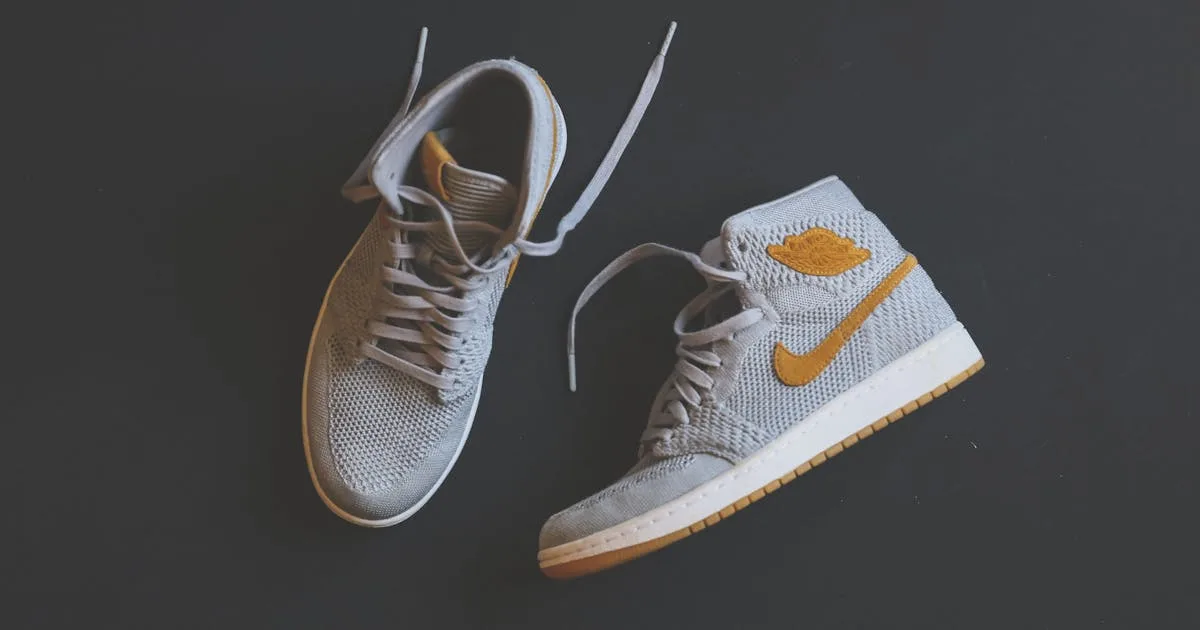
New Balance 928v3 Wide Toe Box Walking Shoe
⭐ DPM’s #1 Walking Shoe for Seniors
The 928v3 is the walking shoe we recommend most often to senior patients. Its 4E wide width accommodates the natural foot widening that occurs with age, while the built-in ROLLBAR technology prevents the excessive rearfoot motion that causes falls in seniors with weakened tibialis posterior muscles. The rigid heel counter provides the stability that aging tendons and ligaments can no longer provide on their own.
PowerStep Pinnacle Arch Support Insole
⭐ Best Insole for Senior Walking Comfort
Fat pad atrophy — the thinning of the cushioning layer under the heel and ball of the foot — affects nearly all seniors and makes walking on hard surfaces painful. PowerStep insoles replace this lost natural cushioning with medical-grade EVA foam while providing the arch support that prevents the progressive flat foot deformity common in older adults. These are the single highest-impact intervention for senior foot comfort.
Ready to Get Relief? Same-Day Appointments Available
Board-certified podiatrist | Howell & Bloomfield Township, MI | Most Insurance Accepted
4.9★ | 1,123 Reviews | 3,000+ Surgeries
Or call: (810) 206-1402
The most important clinical decision with Best Walking Shoes Seniors isn’t which treatment to start with — it’s identifying the correct subtype. That changes everything. Call (810) 206-1402.
Related Conditions
In This Article
- Why Shoe Choice Matters More As We Age
- What Makes a Good Walking Shoe for Seniors?
- Top Walking Shoe Picks for Seniors
- Shoes to Avoid
- Products Our Doctors Recommend
- What is Foot pain?
- Symptoms and warning signs
- Conservative treatment options
- When is surgery considered?
- Recovery timeline and prevention
Last Updated: March 2026 | Reading Time: 8 min
This article is for informational purposes only and does not replace professional medical advice. Schedule an appointment for personalized care.
Best Walking Shoes for Seniors: Comfort, Support & Fall Prevention (2026)
Why Shoe Choice Matters More As We Age
As a podiatrist, I see the consequences of poor footwear every day — and nowhere are the stakes higher than in older adults. The right shoes can prevent falls (the leading cause of injury-related death in adults over 65), reduce joint pain, and keep seniors active and independent. The wrong shoes — especially flimsy slippers, worn-out athletic shoes, or fashion footwear with poor support — contribute directly to the falls and injuries I see in clinic.
What Makes a Good Walking Shoe for Seniors?
Six key features I look for: (1) Non-slip sole with a rubber outsole that grips wet and dry surfaces reliably; (2) Wide toe box to accommodate common age-related changes like bunions, hammertoes, and general foot widening; (3) Arch support to reduce plantar fasciitis and arch fatigue; (4) Firm heel counter for rear-foot stability and ankle control; (5) Easy closure — velcro or slip-on options for those with limited hand dexterity or bending challenges; (6) Adequate cushioning as the fat pads on the balls and heels of feet thin with age, requiring more external cushioning.
Top Walking Shoe Picks for Seniors
Best Overall: New Balance 990v6
The New Balance 990 series has been a staple recommendation for decades — and for good reason. Made in the USA, available in multiple widths (2E, 4E), premium ENCAP midsole cushioning, extremely durable, and approved by the American Podiatric Medical Association. It’s the shoe I recommend most frequently for seniors with no specific conditions.
Best for Maximum Cushioning: Hoka Bondi 8
Hoka’s maximum-cushion platform is exceptional for seniors with arthritis, heel pain, or general joint pain. The thick EVA midsole absorbs ground impact dramatically, and the Meta-Rocker geometry promotes natural walking motion even with a stiffer gait. Wide versions available.
Best Slip-On Option: Skechers Go Walk 7
For seniors who struggle with laces, the Skechers Go Walk series offers notable support in an easy slip-on format. The Air-Cooled Goga Mat insole provides excellent cushioning, and the lightweight construction reduces foot fatigue on longer walks. Not for high-intensity use, but excellent for daily walking.
Best for Stability/Fall Prevention: Brooks Addiction Walker 2
The Brooks Addiction Walker is specifically designed for overpronators and people who need maximum stability. The motion control features make it one of the best fall-prevention shoes on the market — it resists excessive inward roll that contributes to ankle rolling and falls.
Best for Diabetic Feet: Dr. Comfort Stallion Therapeutic Shoe
Medicare-covered diabetic shoes provide extra depth, seamless interior lining, and accommodation for custom orthotics — all critical for diabetic patients. The Dr. Comfort line is widely available and highly regarded. Ask us about qualifying for Medicare diabetic shoe benefits.
Shoes to Avoid
Please steer older adults away from: thin-soled flat shoes with no support, worn-out sneakers (replace every 300-500 miles or when the heel counter collapses), backless slippers (major fall risk), high heels (obvious), and tight fashion shoes that compress the toes.
Products Our Doctors Recommend
- Full Podiatrist Shoe Guide — recommendations by condition
- Orthotics & Insoles for Seniors
- Browse All Products →
📧 Get Dr. Tom’s Free Lab Test Guide
Discover the 5 lab tests every person over 35 should ask their doctor about — explained in plain English by a board-certified physician.
Foot pain or fall concerns in an older loved one? We offer comprehensive senior foot evaluations and Medicare-covered diabetic shoe fitting.
📞 Call (810) 206-1402 | 📅 Book Online →
Serving Howell, Bloomfield Township, and communities across Livingston & Oakland Counties. Home visits available.
In-Office Treatment at Balance Foot & Ankle
If home treatment isn’t providing relief for your foot and ankle conditions, our podiatry team at Balance Foot & Ankle can help with same-day evaluations and advanced in-office care.
Same-day appointments available. (810) 206-1402
We keep the measurement side of this on a separate site so the advice here stays advice: Best Shoes for Seniors 2026 has the stack heights, drops and weights.
Frequently Asked Questions
What are the best walking shoes for seniors?
Top podiatrist picks: Vionic Walker (APMA-approved arch support), HOKA Bondi 8 (max cushion), Brooks Addiction Walker (stable + cushioned), New Balance 928 (Medicare-eligible diabetic shoe), Skechers Arch Fit (Velcro for easy on/off), and Drew Athletic Walker. Look for: roomy toe box, easy-on closure (Velcro for arthritic hands), stable heel, and removable insole for orthotics.
What features should seniors look for in walking shoes?
Critical features: wide toe box (foot spreads with age), Velcro or BOA closure (easier than laces), stable heel counter (prevents falls), cushioned forefoot (fat pad atrophy), non-slip outsole, removable insole (for custom orthotics or diabetic inserts), and breathable upper. Avoid: slip-on shoes without back support, flat fashion sneakers, slippery soles.
Are Medicare-approved diabetic shoes worth it?
Yes for qualifying patients. Medicare covers ONE pair of therapeutic shoes + 3 pairs of inserts per year for diabetics with one of: history of foot ulcer, peripheral neuropathy, poor circulation, or foot deformity. Brands include New Balance 928, Drew, Apex, and Aetrex. Saves $150-200 annually + provides medically-appropriate footwear.
How often should seniors replace walking shoes?
Every 6-12 months for daily wear, or every 300-500 miles. Cushioning compresses long before the upper looks worn. Older adults are at higher fall risk if shoes lose support. Check the heel counter and arch support — if either feels flat or unstable, replace. Don’t wait for visible damage.
Should seniors wear shoes with arch support or cushion?
BOTH. Older feet have flattened arches AND atrophied fat pads, so they need: medium arch support (not aggressive — flexible feet need flexibility), generous cushioning (especially forefoot), and rocker soles for easy push-off. Vionic, HOKA, and Brooks offer this combination. APMA seal of acceptance confirms the shoe meets podiatrist standards.
Podiatrist-Recommended Products to Pair With Senior Walking Shoes
- PowerStep Pinnacle — upgrade any senior walking shoe with a podiatrist-grade arch support insole
- DASS Medical Compression Socks — graduated compression socks that prevent the leg swelling endemic to seniors who walk for exercise
- Doctor Hoy’s Natural Pain Relief Gel — topical relief for foot and ankle soreness in older adults after their daily walking routine
These are the same products Dr. Biernacki recommends in clinic. Available through our partner Foundation Wellness.
Related Care at Balance Foot & Ankle
Clinical foot and ankle services at our Howell and Bloomfield Township offices.
Get Expert Care at Balance Foot & Ankle
Same-week appointments at our Howell and Bloomfield Township offices. Board-certified podiatric surgeons. Most insurance accepted.
Same-Week Appointments in Howell & Bloomfield Township
Three board-certified podiatric surgeons. 1,123+ five-star reviews. Most insurance accepted.

Dr. Tom Biernacki, DPM is a board-certified foot & ankle surgeon (ABFAS & ABPM) at Balance Foot & Ankle Specialists in Southeast Michigan. With over a decade of clinical experience, he specializes in heel pain, bunions, diabetic foot care, sports injuries, and minimally invasive surgery. Dr. Biernacki is a member of the APMA and ACFAS, and his patient education content on MichiganFootDoctors.com and YouTube has made him one of the most-followed foot & ankle educators on YouTube.
More questions patients ask
What features are most important in walking shoes for seniors?
For seniors, Balance Foot & Ankle prioritizes: slip-resistant outsoles (falls are a major health risk), stable heel counters for ankle support, cushioning for joint protection, wider widths to accommodate age-related foot widening, lightweight design for less fatigue, and sufficient toe box height for arthritic or hammered toes. Custom orthotics enhance all of these properties further.
Do seniors need custom orthotics in walking shoes?
Many seniors benefit significantly from custom orthotics in their walking shoes. Age-related fat pad loss under the heel and ball of the foot makes cushioning and pressure redistribution increasingly important. Custom orthotics from Balance Foot & Ankle address this age-related change while also correcting any biomechanical issues. They significantly reduce pain during walking and standing for most senior patients.
Can the wrong walking shoes cause falls in seniors?
Yes. Shoes that are too loose, have slippery soles, poor heel support, or elevated heels increase fall risk in seniors. Balance Foot & Ankle considers fall prevention a critical component of senior footwear selection. We evaluate each senior's specific mobility and balance characteristics when making footwear recommendations, prioritizing safety alongside comfort.
Where can seniors get walking shoe recommendations from a podiatrist in Michigan?
Balance Foot & Ankle provides senior footwear consultations and evaluations at our Howell office (4330 E Grand River, Howell, MI 48843) and Bloomfield Township office (43494 Woodward Ave #208, Bloomfield Twp, MI 48302). For seniors who cannot travel, we also offer home visits. Call (810) 206-1402 to schedule an evaluation with Dr. Biernacki, Dr. Jay, or Dr. Gutkin.
Still have a question about coverage or cost? Book online and we will check your benefits before your visit: Book in Howell · Book in Bloomfield Township. Prefer to talk it through first? Call (810) 206-1402.