

Medically reviewed by Dr. Tom Biernacki, DPM · Board-Certified Podiatric Surgeon · Last reviewed: April 2026 · Editorial Policy
The most important clinical decision with Best Wide Width Shoes Bunions Swollen Feet 2026 isn’t which treatment to start with — it’s identifying the correct subtype. That changes everything. Call (810) 206-1402.
Quick Answer
Best Wide Width Shoes for Bunions & Swollen Feet 2026 relates to bunions — typically caused by genetics + footwear pressure. Most patients improve in 6-8 weeks recovery if surgical with conservative care. Same-week appointments in Howell + Bloomfield Township: (810) 206-1402.
Medically reviewed by Dr. Tom Biernacki, DPM — Board-certified foot & ankle surgeon, 3,000+ surgeries performed. Updated April 2026 with current clinical evidence. This article reflects real practice experience from Balance Foot & Ankle Specialists in Howell and Bloomfield Township, Michigan.
Quick Answer
A bunion is a bony prominence at the base of the big toe caused by the first metatarsal shifting outward. It cannot reverse without surgery. It can be managed with wide toe-box shoes, bunion pads, and custom orthotics that slow progression and reduce pain.
Watch: Dr. Tom Biernacki, DPM
Medically reviewed by Dr. Tom Biernacki, DPM — Board-Certified Podiatric Surgeon — Balance Foot & Ankle, Howell & Bloomfield Township, MI. Last updated April 2026.
▶ Watch
📋 Dr. Tom Also Recommends
Podiatrist Recommended Orthotics 2026: Dr. Tom’s Top 10 Insoles & Arch Supports
A podiatrist’s complete clinical guide to the best insoles — custom orthotics, OTC picks, and what actually works for plantar fasciitis, flat feet, neuropathy & more.
Read the Full Guide →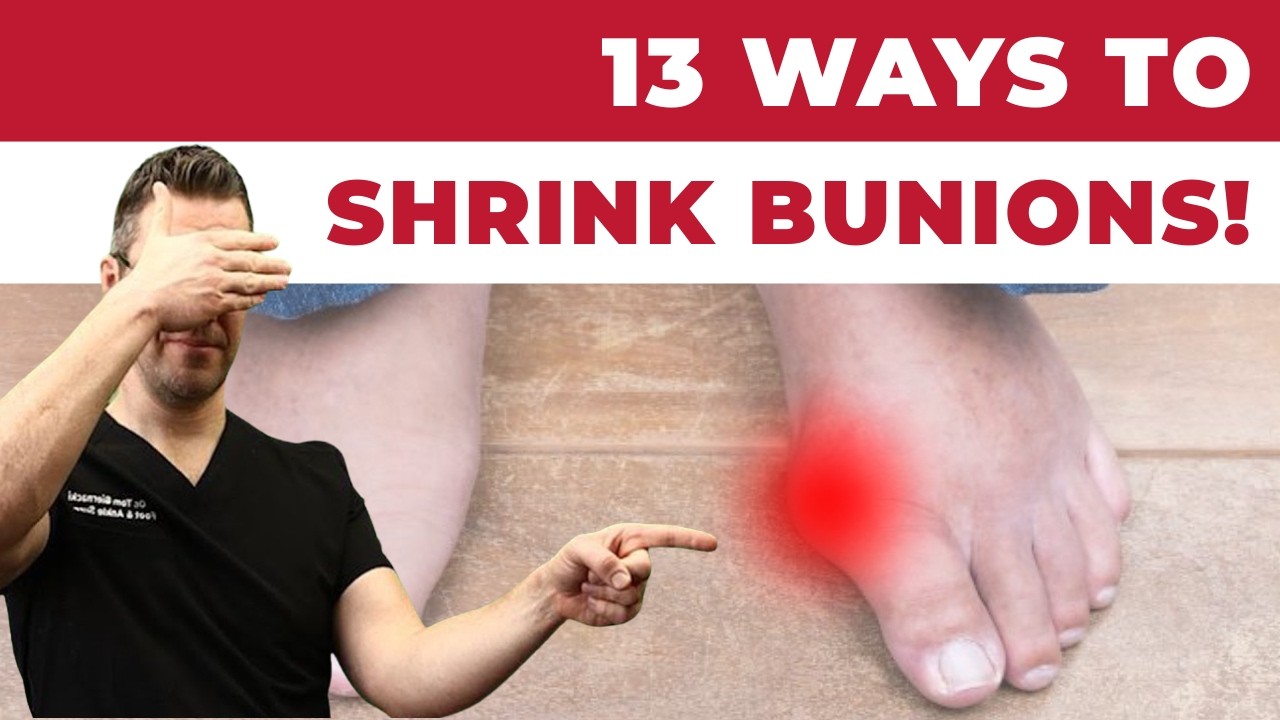
Medically Reviewed by Dr. Tom Biernacki, DPM — Board-Certified Podiatrist, Balance Foot & Ankle Specialists, Michigan. Last updated April 2026.
Why Wide Width Matters for Bunions — A Podiatrist’s Explanation
A bunion (hallux valgus) is a bony prominence at the medial base of the big toe from the first metatarsal shifting outward. The result: the foot is wider than standard at the forefoot, and the bunion prominence itself requires clearance from the shoe upper. A narrow or standard-width shoe creates a direct pressure point on the bunion, causing pain, callus formation, and accelerating the deformity by pushing the big toe further into valgus. Wide-width shoes with adequate toe box depth are the single most effective conservative intervention for bunion pain — not just for comfort, but for slowing deformity progression. As a podiatrist at Balance Foot & Ankle in Howell and Bloomfield Township, Michigan, I recommend specific wide-width options to virtually every bunion patient. This guide covers the best by category.
Understanding Width Sizing — D, E, 2E, 4E, 6E
Standard women’s width is B; standard men’s width is D. For bunions: women need at least D (wide) in most brands; men need at least 2E (wide) or 4E (extra wide). The critical measurement is forefoot circumference — take your bare foot circumference at the widest point (across the bunion joint area) and compare to the brand’s width chart. Bunion patients typically need 1–2 width categories above standard. Most brands offer up to 4E for running shoes; New Balance and Propet offer 6E for very wide feet. Note: width sizing varies significantly between brands — a Nike 2E is narrower than a New Balance 2E. Always size by actual measurements, not by equivalent width across brands.
Best Wide Walking Shoe for Bunions 2026 — New Balance 928v3 (Wide)
📍 Located in Michigan?
Our board-certified podiatrists treat this condition at two convenient locations. Same-day appointments often available.
The New Balance 928v3 Walking Shoe is available from standard to 6E wide — providing bunion patients access to the width needed regardless of foot size. The ROLLBAR motion control reduces the overpronation that contributes to bunion progression, the leather upper stretches slightly over the bunion area without creating pressure, and the removable insole accommodates custom orthotics. Available in women’s and men’s versions with comparable width range.
Best Wide Running Shoe for Bunions 2026 — Brooks Adrenaline GTS (Wide)
The Brooks Adrenaline GTS 24 in 2E or 4E wide provides the GuideRails stability needed for the overpronating flat foot commonly associated with bunions, in a wide toe box that accommodates the bunion without pressure. The engineered mesh upper is particularly accommodating — it has no rigid seams over the bunion area and stretches slightly under load. For women with bunions and flat feet, the women’s Adrenaline in D or 2E wide is the most commonly recommended running shoe in my practice.
Best Wide Dress Shoe for Bunions 2026
Finding wide dress shoes with adequate bunion room is the most challenging category. The Propet Vida Walker Women’s Shoe combines a wide toe box with a stylish profile appropriate for business casual environments. For men, the Drew Shoe Men’s Wing Oxford is available up to 6E wide and meets diabetic shoe standards — appropriate for both bunion patients and diabetic patients who need roomy, non-irritating dress footwear.
Best Wide Shoe for Bunions AND Swollen Feet 2026
Patients with both bunions and ankle/foot swelling need adjustable closure to accommodate daily volume fluctuations. The Propet Men’s Cliff Walker Boot features a velcro strap closure that adjusts to changing foot volume, extra depth construction, and a wide to extra-wide toe box. For women, the Apex Women’s Shoe line provides stretchable uppers specifically designed for swollen, arthritic, and bunion-affected feet — adjustable hook-and-loop closure accommodates swelling throughout the day.
The Most Common Bunion Shoe Mistake
The most common bunion shoe mistake: buying a long shoe (going up a full size in length) to gain width. This creates a loose heel that causes blisters and reduces stability. The correct approach is to go up in width, not length — or to choose brands that offer true wide width sizing. The second most common mistake: wearing the same shoe size as before the bunion developed. Bunions grow over years and the foot becomes progressively wider — most patients with symptomatic bunions should reassess their shoe size every 12–18 months.
When Footwear Is Not Enough — Bunion Surgery Evaluation
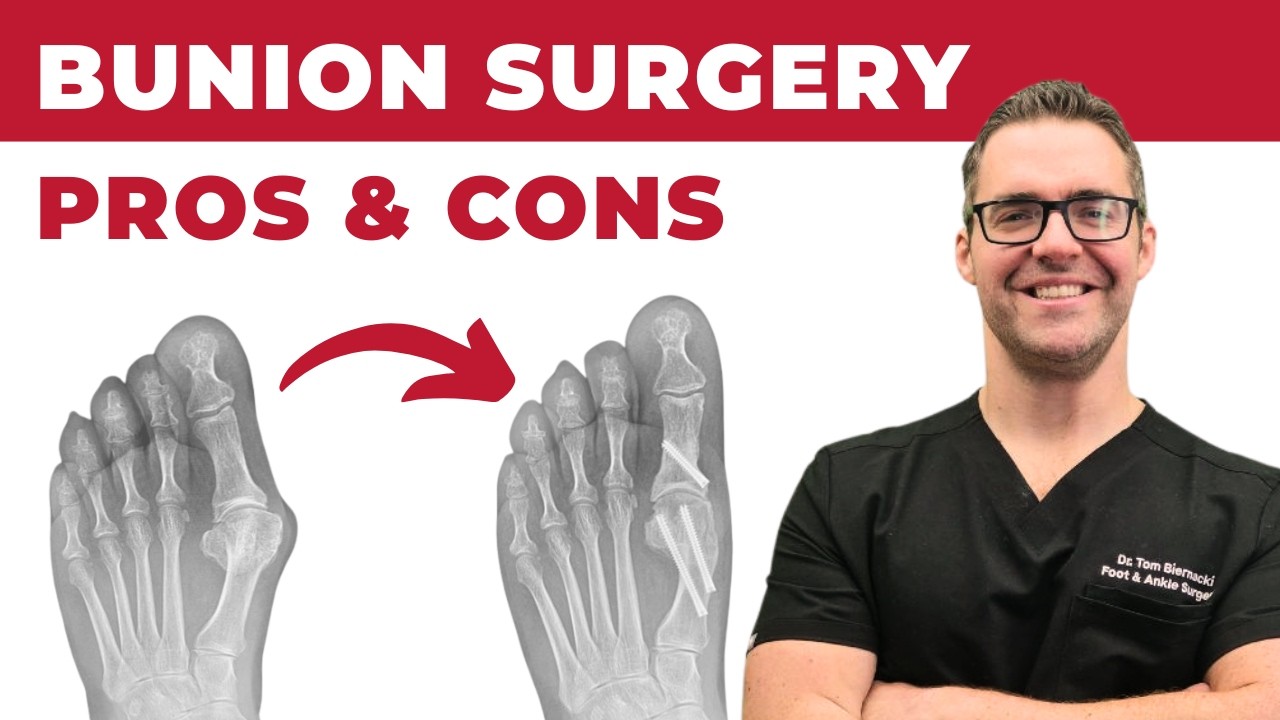
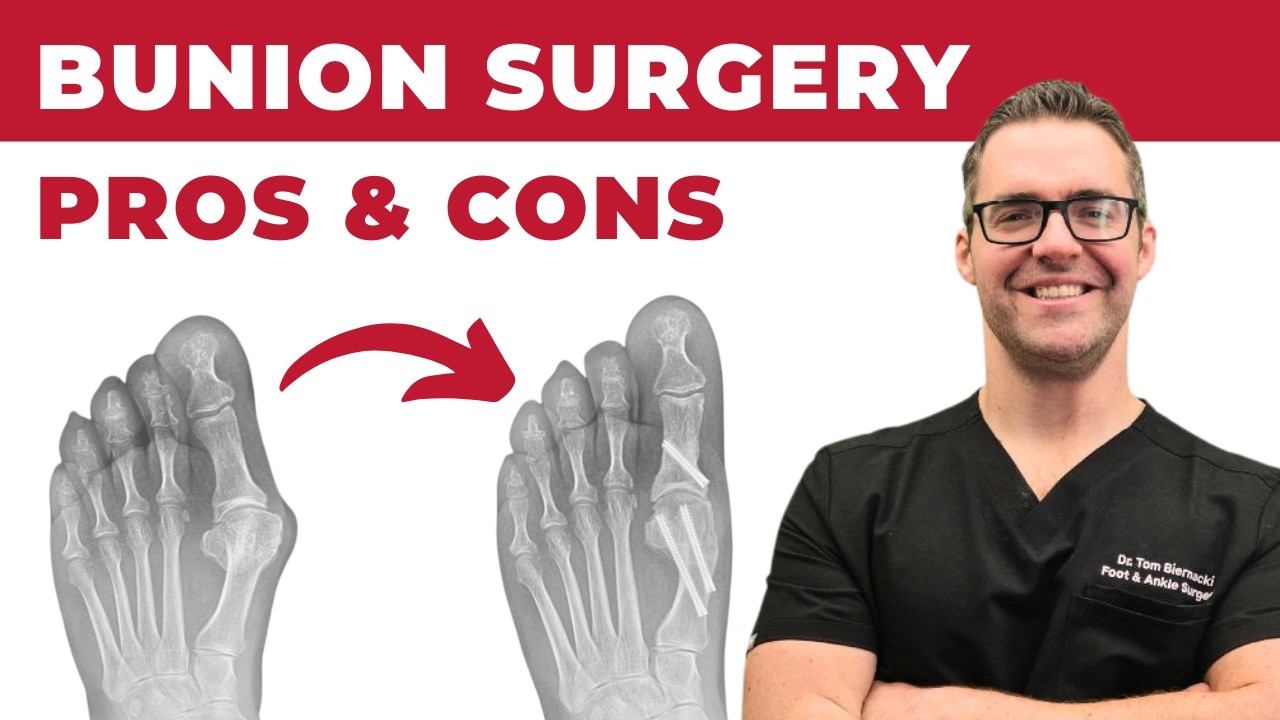
Wide shoes manage bunion pain but do not reverse the deformity. If you’ve optimized footwear and still have significant pain limiting daily activity, a surgical consultation is warranted. Modern bunion surgery (especially the minimally invasive Lapiplasty procedure) corrects the deformity at its structural root — the unstable first tarsometatarsal joint — with 95%+ recurrence-free outcomes. Balance Foot & Ankle in Howell and Bloomfield Township provides bunion evaluation and surgical planning. Book online or call (810) 206-1402.
Dr. Tom’s Recommended Insoles
PowerStep is the brand I prescribe most — medical-grade OTC support without the custom orthotic price tag.
- PowerStep Pinnacle Insoles — The OTC orthotic I recommend most — medical-grade arch support at a fraction of custom orthotic cost. Works in most shoes.
- PowerStep Maxx Insoles — For severe arch pain or flat feet — maximum correction and support when Pinnacle isn’t enough.
Affiliate disclosure: As an Amazon Associate, Balance Foot & Ankle earns from qualifying purchases. We only recommend products we trust for our own patients.
👟 Dr. Tom’s Pick: FLAT SOCKS for Minimalist & Zero-Drop Shoes
Ultra-thin flat-knit socks designed specifically for zero-drop, barefoot, and minimalist shoes. No bunching, no seams — just foot-contact-the-ground feel with moisture control.
View FLAT SOCKS on Amazon →
Affiliate disclosure: As an Amazon Associate, Balance Foot & Ankle earns from qualifying purchases.
Join 950,000+ Learning About Foot Health
Dr. Tom shares honest medical advice, supplement reviews, and treatment guides you won’t find anywhere else.
📧 Get Dr. Tom’s Free Lab Test Guide
Discover the 5 lab tests every person over 35 should ask their doctor about — explained in plain English by a board-certified physician.
🔗 Related Care & Resources
Treated by Dr. Tom Biernacki DPM — Board-certified podiatric surgeon at Balance Foot & Ankle in Howell & Bloomfield Township, MI.
Schedule an Appointment →
or call (810) 206-1402
Insurance Accepted
BCBS · Medicare · Aetna · Cigna · United Healthcare · HAP · Priority Health · Humana · View All →
Howell Office
4330 E Grand River Ave
Howell, MI 48843
Get Directions →
Bloomfield Township Office
43494 Woodward Ave, #208
Bloomfield Township, MI 48302
Get Directions →
Your Board-Certified Podiatrists



Ready to Get Back on Your Feet?
Same-week appointments available at both locations.
Book Your Appointment👟 Dr. Tom’s Complete Footwear Library
Podiatrist-Approved Guides for Every Foot Type & Condition
Clinically reviewed by Dr. Tom Biernacki, DPM — Board-Certified Podiatrist
All guides are written and reviewed by licensed podiatrists. Schedule an appointment →
In-Office Treatment at Balance Foot & Ankle
If home care isn’t resolving your bunion pain, a visit with a board-certified podiatrist is the fastest path to accurate diagnosis and a personalized plan. At Balance Foot & Ankle Specialists, Dr. Tom Biernacki, Dr. Carl Jay, and Dr. Daria Gutkin offer same-day and next-day appointments at both our Howell and Bloomfield Township offices. We perform on-site diagnostic ultrasound, digital X-ray, conservative care, advanced regenerative treatments, and minimally invasive surgery when indicated.
Call (810) 206-1402 or request an appointment online. Most insurance plans accepted, including Medicare, Blue Cross Blue Shield, Aetna, Cigna, and United Healthcare.
Differential Diagnosis: What Else Could It Be?
Several conditions share symptoms with Bunion (Hallux Valgus) and are commonly misdiagnosed in the first office visit. Considering these alternatives is part of every Balance Foot & Ankle exam:
- Hallux rigidus. Stiff big-toe joint without lateral deviation — pain with dorsiflexion, not bumping.
- Gout flare. Sudden warm/red MTP joint, often overnight — needs uric-acid workup.
- Sesamoiditis. Pain under the big-toe joint rather than at the side, worse with push-off.
If your symptoms don’t fit the textbook pattern, ask your podiatrist which differentials they ruled out — that conversation often shortcuts months of trial-and-error treatment.
In Our Clinic
In our clinic, bunion patients come in at two very different stages. The first group is women in their 30s and 40s noticing a small bump and seeking nonsurgical slowing tactics — wide toe box shoes, bunion splints at night, custom orthotics to redistribute load away from the first MTP. The second group is patients in their 50s+ who can no longer find shoes that fit and are asking, honestly, about surgery. Our standard workup includes weight-bearing X-rays to measure the intermetatarsal angle and the HVA. Patients with an IMA under 13° usually do well conservatively; 13°+ often benefits from a surgical plan.
Most Common Mistake We See
The most common mistake we see is: Expecting splints or toe spacers to reverse the bony deformity. Fix: splints slow progression and reduce pain, but only surgical correction realigns the first metatarsal.
Warning Signs That Need Same-Day Care
Seek immediate evaluation at Balance Foot & Ankle if you experience any of the following:
- Sudden severe pain with warmth or redness at the joint
- Open sore or ulceration over the bump
- Significant loss of big toe motion
- Rapidly progressive deformity
Call (810) 206-1402 — same-day and next-day appointments at our Howell and Bloomfield Township offices.
More Podiatrist-Recommended Bunion Essentials
Bunion-Friendly Stability Shoe
Brooks Adrenaline GTS 25 — wide toe box reduces bunion pressure.
Wide-Toe-Box Walking Shoe
New Balance 990v6 — roomy forefoot accommodates bunions and reduces rubbing.
Orthotic Insole


![Top 5 Barefoot Shoes LIES! [Plantar Fasciitis, Bunions & Flat Feet]](https://www.michiganfootdoctors.com/wp-content/cache/flying-press/c93a183d5ed2c94c761f93b45b6aadbf.jpg)
Watch: Top 5 Barefoot Shoes LIES! [Plantar Fasciitis, Bunions & Flat Feet] — MichiganFootDoctors YouTube
PowerStep arch support — realigns foot mechanics that drive bunion progression.
As an Amazon Associate, Balance Foot & Ankle earns from qualifying purchases. Product recommendations are based on clinical experience; prices and availability shown above update live from Amazon.

When to See a Podiatrist
A bunion is a progressive joint deformity — padding and splints reduce pain but don’t reverse the bone shift. If the big toe angle is worsening, shoes no longer fit, or pain is disrupting sleep or activity, schedule a consult at Balance Foot & Ankle. Our surgeons perform minimally-invasive bunion correction with faster recovery than traditional osteotomy. We’ll review X-rays with you and explain exactly what the joint needs.
Call Balance Foot & Ankle: (810) 206-1402 · Book online · Offices in Howell & Bloomfield Township
Watch: Dr. Tom explains
Podiatrist-recommended products
As an Amazon Associate, Dr. Tom earns from qualifying purchases.
Wide-fit orthotic support
View on Amazon →Bunion flare relief
View on Amazon →Bunion offload
View on Amazon →Swelling control
View on Amazon →Related resources
Ready to solve this? Book today.
Same-week appointments · Howell & Bloomfield Township · 4.9★ (1,123+ reviews)
☎ (810) 206-1402Book Online →Pros & Cons of Conservative Care for bunions
Advantages
- ✓ Surgery often avoidable
- ✓ Wide-toe-box shoes reduce pain
- ✓ Custom orthotics help
Considerations
- ✗ Genetic predisposition
- ✗ Will worsen over time
- ✗ Surgery 6-8 wks recovery
Dr. Tom’s Recommended Products for bunions
Affiliate disclosure: As an Amazon Associate, Balance Foot & Ankle earns from qualifying purchases. We only recommend products we use with patients.
Birkenstock Boston (Bunion-friendly) Dr. Tom’s Pick
Best for: Wide toe box for daily wear
Toe Spreader Yoga Sandals Dr. Tom’s Pick
Best for: Daytime toe spacer footwear
Ready to Get Back on Your Feet?
Same-day appointments in Howell + Bloomfield Township. Most insurance accepted. Dr. Tom Biernacki, DPM & team.
Book Today — Same-Day Appointments Available
Call Now: (810) 206-1402
About Your Care Team at Balance Foot & Ankle
Dr. Tom Biernacki, DPM · Board-Certified Foot & Ankle Surgeon. Specializes in conservative-first care, minimally invasive bunion surgery, and complex reconstruction.
Dr. Carl Jay, DPM · Accepting new patients. Specializes in sports medicine, athletic injuries, and routine podiatric care.
Dr. Daria Gutkin, DPM, AACFAS · Accepting new patients. Specializes in surgical reconstruction and pediatric podiatry.
Locations: 4330 E Grand River Ave, Howell, MI 48843 · 43494 Woodward Ave Suite 208, Bloomfield Township, MI 48302
Hours: Mon–Fri 8:00 AM – 5:00 PM · (810) 206-1402
Frequently Asked Questions
When should I see a podiatrist?
If symptoms persist past 2 weeks, affect your normal activity, or are accompanied by red-flag symptoms (warmth, redness, swelling, inability to bear weight).
What does treatment cost?
Most diagnostic visits and conservative treatments are covered by Medicare and major insurers. Out-of-pocket costs vary by your specific plan.
How quickly can I get an appointment?
Most non-urgent cases see us within 5 business days. Urgent cases (sudden pain, possible fracture) typically same or next business day.
What is Bunion?
Bunion is a common foot/ankle condition that affects mobility and quality of life. Understanding the underlying cause is the first step in successful treatment. Our podiatrists at Balance Foot & Ankle perform a hands-on biomechanical exam, review your activity history, and use diagnostic imaging when appropriate to identify the root cause—not just treat the symptom. Many patients have been told to “rest and ice” without a deeper diagnostic workup; our approach is different.
Symptoms and warning signs
Common signs of bunion include pain that worsens with activity, morning stiffness, swelling, tenderness when palpated, and difficulty bearing weight. If you experience sudden severe pain, inability to walk, visible deformity, numbness or color change, contact our office the same day or visit urgent care—these can signal a more serious injury such as a fracture, tendon rupture, or vascular compromise. Diabetics with any foot wound should seek same-day care.
Conservative treatment options
Most cases of bunion respond to non-surgical care: structured rest, supportive footwear changes, custom orthotics, targeted stretching and strengthening protocols, anti-inflammatory medications when medically appropriate, and in-office procedures such as ultrasound-guided injections. We also offer advanced therapies including MLS laser therapy, EPAT/shockwave, regenerative injections, and image-guided procedures. Treatment is sequenced from least invasive to most invasive, and we explain the rationale at every step.
When is surgery considered?
Surgery is reserved for cases that fail 3-6 months of well-structured conservative care, when there is structural pathology (severe deformity, complete tear, advanced arthritis), or when imaging shows damage that will not heal without intervention. Our surgeons have performed 3,000+ foot and ankle procedures and prioritize minimally-invasive techniques whenever appropriate. We discuss recovery timelines, return-to-activity milestones, and realistic outcome expectations before any procedure is scheduled.
Recovery timeline and prevention
Recovery from bunion varies based on severity and chosen treatment path. Conservative cases often improve within 4-8 weeks with consistent adherence to the protocol. Post-procedural recovery may range from a few days (in-office procedures) to several months (reconstructive surgery). Long-term prevention involves footwear assessment, activity modification, structured strengthening, and regular check-ins with your podiatrist if you have a history of recurrence. We provide written home-exercise plans and digital follow-up support.
Ready to feel better?
Same-week appointments available in Howell and Bloomfield Township, Michigan.
Book Your VisitGet Expert Care at Balance Foot & Ankle
Same-week appointments at our Howell and Bloomfield Township offices. Board-certified podiatric surgeons. Most insurance accepted.
Ready for Expert Care?
Same-day appointments in Howell & Bloomfield Township, MI.
4.9★ | 1,123 Reviews | 3,000+ Surgeries
Or call: (810) 206-1402

Dr. Tom Biernacki, DPM is a board-certified foot & ankle surgeon (ABFAS & ABPM) at Balance Foot & Ankle Specialists in Southeast Michigan. With over a decade of clinical experience, he specializes in heel pain, bunions, diabetic foot care, sports injuries, and minimally invasive surgery. Dr. Biernacki is a member of the APMA and ACFAS, and his patient education content on MichiganFootDoctors.com and YouTube has made him one of the most-followed foot & ankle educators on YouTube.
More questions patients ask
What is a bunion?
A bunion (hallux valgus) is a progressive bony deformity where the big toe joint shifts outward, creating a visible bump. It results from an unstable metatarsal bone, not simply tight shoes. Bunions affect approximately 23% of adults and can cause significant pain, difficulty wearing shoes, and secondary problems like hammertoes. Dr. Biernacki specializes in both conservative management and advanced surgical correction including Lapiplasty 3D bunion correction.
Can bunions be corrected without surgery?
While surgery is the only way to permanently correct the structural deformity, non-surgical treatments can effectively manage pain and slow progression. Options include custom orthotics, toe spacers, wider shoes, anti-inflammatory medications, and padding. Dr. Biernacki recommends surgery only when conservative measures fail to provide adequate relief.
What is Lapiplasty bunion surgery?
Lapiplasty is an advanced 3D bunion correction procedure that addresses the root cause of bunions by correcting the unstable metatarsal bone in all three dimensions. Unlike traditional bunionectomy, Lapiplasty patients can bear weight within days and has a recurrence rate under 3% compared to 12-15% for traditional procedures. Dr. Biernacki is a fellowship-trained Lapiplasty surgeon serving SE Michigan.
Still have a question about coverage or cost? Book online and we will check your benefits before your visit: Book in Howell · Book in Bloomfield Township. Prefer to talk it through first? Call (810) 206-1402.