
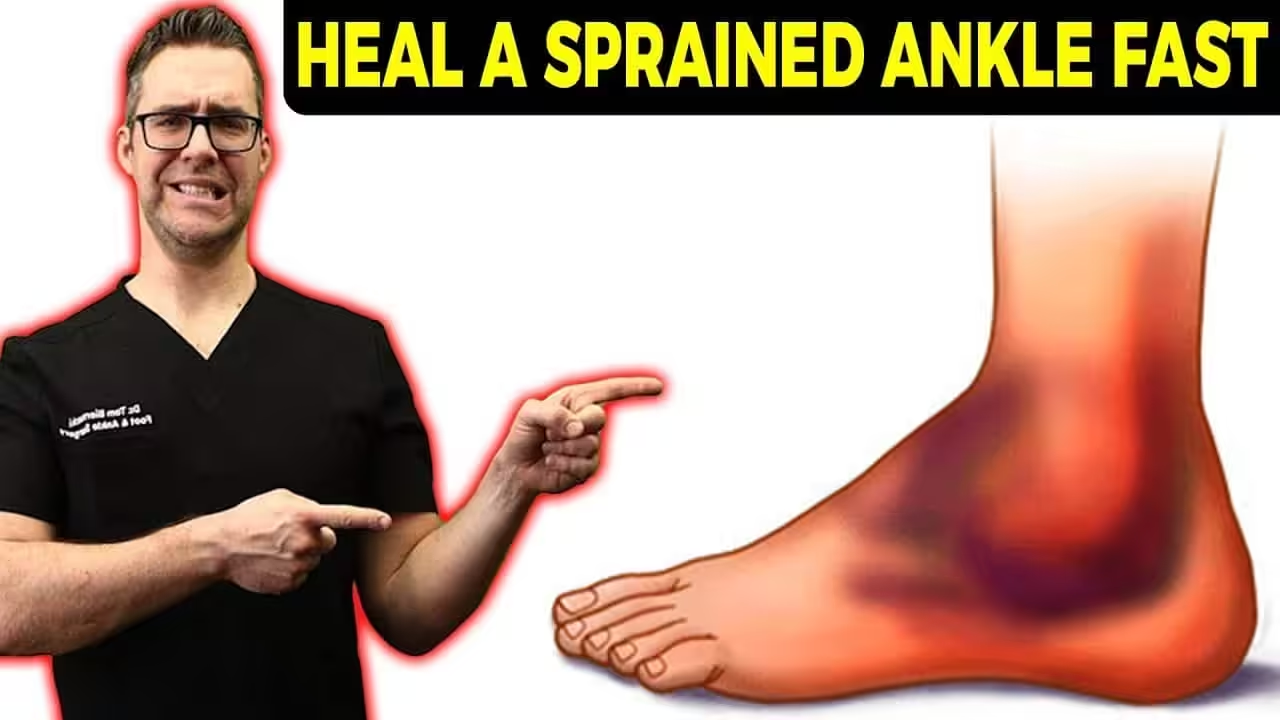
You are in the right place. Dr. Tom Biernacki, DPM, FACFAS — board-certified foot & ankle surgeon with 3,000+ surgeries — explains exactly what foot/ankle pain means and what actually works. Call (810) 206-1402 for a same-day appointment at our Howell or Bloomfield Township office.
Quick answer: Foot Ankle Pain has multiple potential causes including mechanical, neurological, vascular, and inflammatory. The patterns we see most often are overuse, poorly-fitted shoes, and biomechanical imbalance. Red flags requiring urgent evaluation: warmth/redness (infection), inability to bear weight (fracture), and unilateral swelling without injury (DVT). Call (810) 206-1402.
✅ Medically reviewed by Dr. Tom Biernacki, DPM — Board-Certified Podiatrist · Last updated April 6, 2026
Chronic Pain in Ankles and Feet? Get Expert Care Near You
Trusted Foot & Ankle Specialists in Howell & Bloomfield Township, MI
Chronic ankle and foot pain can interfere with walking, working, and everyday life. At Balance Foot & Ankle Specialist, our experienced podiatrists provide accurate diagnosis and customized treatment plans designed to relieve long-term pain and restore mobility.
Schedule Your Foot & Ankle Evaluation

As Seen on YouTube
Trusted by 1M+ Social Media Followers
Find Expert Podiatrist for Chronic Ankle Pain at the Location Nearest You.

Howell
4330 E Grand River Ave, Howell, MI 48843
Book Now in Under 5 Minutes: 24/7Bloomfield Township
43494 Woodward Ave # 208, Bloomfield Township, MI 48302
Book Now in Under 5 Minutes: 24/7Foot and Ankle Pain Causes & Best Home Treatment
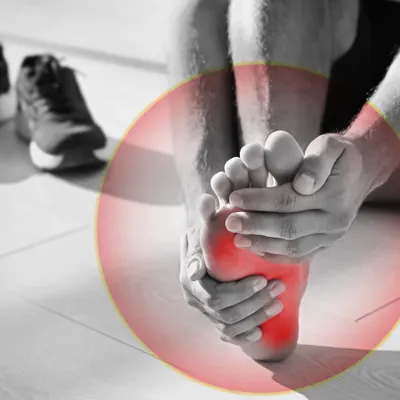
Foot and ankle pain can throw off your entire routine—but relief doesn’t always require a clinic visit. Many common conditions like heel pain, sprains, and overuse injuries respond well to simple at-home treatments. With the right tools and knowledge, you can ease discomfort, support recovery, and get back on your feet—comfortably and confidently.
https://www.youtube.com/watch?v=R_SOn02J7WgCauses, Treatment Approach & Recovery
Bottom Of The Foot Pain: Make 100% sure you find the causes & best treatment for your bottom of the sole, heel, and feet!
What Causes Chronic Ankle and Foot Pain?
Chronic pain is pain that lasts longer than three months or continues despite rest. Common causes include:
Arthritis and joint degeneration
Tendonitis or ligament injuries
Nerve conditions (neuropathy, nerve entrapment)
Previous fractures or ankle sprains
Flat feet or poor biomechanics
Overuse, standing for long periods, or improper footwear
Proper diagnosis is essential for effective treatment.
Our Treatment Approach
We prioritize conservative, non-surgical treatments whenever possible, focusing on long-term relief and prevention.
Treatment options may include:
Custom orthotics and ankle bracing
Physical therapy and guided exercises
Anti-inflammatory care (when appropriate)
Gait analysis and footwear recommendations
Activity and lifestyle modifications
Each plan is tailored to your condition, activity level, and goals.
When Is Surgery Needed?
Surgery is considered only when:
Non-surgical treatments fail
Structural problems require correction
Pain severely limits daily function
If surgery is recommended, our specialists explain the procedure, recovery timeline, and expected outcomes clearly.
Recovery & Long-Term Relief
Recovery varies based on diagnosis and treatment but often improves within weeks to months.
Recovery focuses on:
Reducing inflammation and pain
Improving strength, balance, and mobility
Preventing recurrence
Supporting long-term foot and ankle health
Early care leads to better outcomes and reduced risk of permanent damage.
https://www.youtube.com/watch?v=R_SOn02J7WgDealing with foot and ankle pain at home doesn’t have to feel overwhelming. Whether you’re suffering from a mild sprain, plantar fasciitis, or general soreness from daily activities, early home intervention can make a significant difference. Resting the affected area, applying ice to reduce inflammation, and using over-the-counter anti-inflammatory medication are among the most effective first-line treatments. Elevating your foot and avoiding prolonged standing or walking gives your body the support it needs to begin healing.

Incorporating gentle stretching and strengthening exercises can help restore mobility and prevent further injury. Simple routines like calf stretches, toe curls, and towel scrunches can ease tension in muscles and tendons while improving circulation. Wearing cushioned, supportive footwear—especially indoors—adds extra protection and reduces pressure on sensitive areas. Additionally, using orthotic inserts or compression socks can provide targeted relief for conditions like plantar fasciitis or tendonitis.
For persistent or recurring foot and ankle pain, advanced home care options are available. Today’s innovative therapies include at-home laser therapy devices, shockwave kits, and magnetotransduction systems that promote cellular healing and tissue regeneration. While these tools can be effective, they work best when used in conjunction with proper movement and rest strategies. If symptoms don’t improve or worsen over time, it’s important to seek professional help to avoid long-term complications or structural damage.
https://www.youtube.com/watch?v=R_SOn02J7WgIs Your Problem Below The Ankle Joint?
Note: All foot problems below the ankle.
Say Yes To Foot and Ankle Pain If:
- If your pain is localized in the foot.
- Not if you have ankle, leg pain, knee pain or hip pain.
- Not if you have shin splints.
Say No To Foot And Ankle Pain If:
- If your pain is above the ankle joint.
- This includes any ankle, shin splint or leg pain.
- This includes knee pain, hip pain and lower back pain.
Foot and Ankle Pain Causes:
Causes of pain below the ankle bone on the outside of foot are due to chronic ankle sprains:
- Ankle Sprain Treatment.
- Rolled Ankle Recovery Time.
- Ankle Sprain Recovery Time” href=”https://www.michiganfootdoctors.com/high-ankle-sprain-recovery-time/”>High Ankle Sprain Recovery Time.
- Ankle Tendonitis.
- Sore Ankles After Running.
- Broken Ankle Recovery Time.
- Broken Ankle or Sprained Ankle?
Pain On Top of Foot Near Ankle:
Dorsal Compression Syndrome:
- Dorsal compression syndrome occurs when there is too much stress on the ball of your foot.
- This compresses the top of the foot.
- It stretches out the bottom of the foot.
Top Of Foot Numbness Or Tingling:
The top of foot tingling is usually due to a nerve irritation.
Top Of The Foot Bone Spur:
A bone spur on top of the foot forms due to abnormal friction and stress on the bone.
Pain In Arch Of Foot and Ankle:
Arch Foot Pain:
- This is most commonly caused due to arch collapse.
- This leads to inflammation of the ligaments at the bottom of the foot.
- This is known as plantar fasciitis.
Posterior Tibial Nerve Entrapment:
- The posterior tibial nerve runs along the back and inside of the ankle.
- You will feel numbness, burning and tingling.
The Best Home Treatment Options:
- These are the best treatment options for your foot and ankle pain due to a chronic ankle sprain.
- Remember to get evaluated by your podiatrist to make sure that this is what is bothering you!
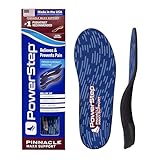
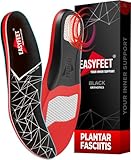
The best choices of full-length orthotics:
- These are cost effective over-the-counter orthotics.
- We strongly recommend full-length orthotics, should it a couple that more room, but the results are worth!
- If you have a tennis shoe or a boot, make sure you get the full-length orthotics.
- The more support you can get the better your results will be.


As an Amazon Associate, Balance Foot and Ankle earns from qualifying purchases. Product links are affiliate links and we may earn a commission at no extra cost to you. This does not influence our clinical recommendations. Last update on 2026-09-07 / Images from Amazon Product Advertising API
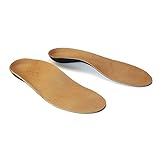
The best choices for dress shoe orthotics:
- Sure full-length orthotic is a little bit better, but make sure it fits in your shoe.
- If you wear dress shoes. This is the way to go.
- These are recommended options.

As an Amazon Associate, Balance Foot and Ankle earns from qualifying purchases. Product links are affiliate links and we may earn a commission at no extra cost to you. This does not influence our clinical recommendations. Last update on 2026-09-07 / Images from Amazon Product Advertising API
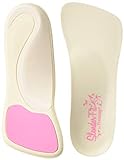
The best lightweight orthotics:
- These are recommended choices for woman’s dress shoes, and or flats.
- They don’t give you the most support, but if you do need to wear nice shoes, They are your best bet:
As an Amazon Associate, Balance Foot and Ankle earns from qualifying purchases. Product links are affiliate links and we may earn a commission at no extra cost to you. This does not influence our clinical recommendations. Last update on 2026-09-07 / Images from Amazon Product Advertising API
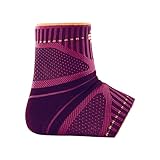
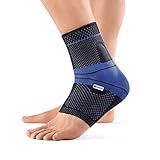
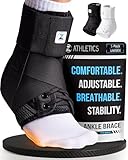
The best stability ankle braces:
- These braces focus on protection and stability.
- If you have a pretty significant injury with a decent amount of pain, these are the way to go.
As an Amazon Associate, Balance Foot and Ankle earns from qualifying purchases. Product links are affiliate links and we may earn a commission at no extra cost to you. This does not influence our clinical recommendations. Last update on 2026-09-07 / Images from Amazon Product Advertising API
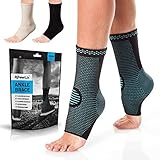
The best ankle compression braces:
- If you’re pain is not excruciating, and your injury is not that severe, these can work with.
- These focus most on compression rather than support.
- They will fit better than ankle stability breaks into supportive shoes.
- Team these up with orthotic for best results:

As an Amazon Associate, Balance Foot and Ankle earns from qualifying purchases. Product links are affiliate links and we may earn a commission at no extra cost to you. This does not influence our clinical recommendations. Last update on 2026-09-07 / Images from Amazon Product Advertising API
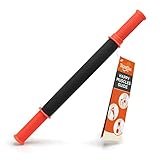
The best leg massage sticks:
- If your muscle is tight, especially for the peroneal tendons, these massage stakes are the way to go.
- This can also work great for a tight calf muscles.
As an Amazon Associate, Balance Foot and Ankle earns from qualifying purchases. Product links are affiliate links and we may earn a commission at no extra cost to you. This does not influence our clinical recommendations. Last update on 2026-09-07 / Images from Amazon Product Advertising API
Why Choose Balance Foot & Ankle Specialist

- Board-certified foot & ankle specialists
- Advanced, non-surgical pain treatments
- Personalized care plans
- Convenient locations in Howell & Bloomfield Township, MI
- Patient-focused, results-driven approach
We don’t just treat pain—we treat the cause.
Book Your Podiatrist Visit NowMost Trusted in Michigan for Foot and Ankle Pain Treatment
Real patients. Real relief. Discover why seniors in Howell and Bloomfield Township choose Balance Foot & Ankle Specialist.

“Safe and Professional”
“I dealt with chronic ankle pain for years. Balance Foot & Ankle Specialist finally gave me answers and real relief.” – Clint M., Howell, MI
“Relief from Foot Pain”
“The doctors were thorough and caring. My foot pain has improved significantly with their treatment plan.”– Ivana G., Bloomfield Township, MI
“Gentle Care for Seniors”
Professional staff, clear explanations, and effective care. I can walk comfortably again. – Ann P., Howell, MI
From Heel to Toe: Trusted Treatment Videos
Get the Facts Before You Step into Treatment.
Ball of Foot
Athlete’s Foot
Achilles Tendon
Big Toe
Bunion
Callus
Gout
Outside of Foot Pain
Sports Podiatrist
Ingrown
Foot Fungus
Orthotics
Why Choose Balance Foot & Ankle Specialist in Howell and Bloomfield Township?
Our experienced podiatric surgeons combine precision, care, and innovation to deliver successful outcomes in flatfoot reconstruction. With modern facilities, patient education, and compassionate care, we’ve become the trusted choice for foot and ankle surgery in Southeast Michigan. We’re committed to restoring your stride—comfortably and confidently.
Book Your Podiatrist Visit Now
Your Foot & Ankle Relief Questions Answered
Got questions? You’re not alone. Here are some of the most common inquiries from patients considering surgery:
What are the best home remedies for foot and ankle pain?Home remedies include R.I.C.E. (Rest, Ice, Compression, Elevation), gentle stretching exercises, Epsom salt foot soaks, and over-the-counter anti-inflammatory medications like ibuprofen. Supportive footwear and avoiding long periods of standing also help reduce pain and inflammation.
When should I see a doctor instead of treating it at home?If pain persists beyond a few days, worsens with time, or is accompanied by swelling, bruising, numbness, or difficulty walking, it’s time to see a podiatrist or foot specialist. Chronic or recurring foot pain often needs professional evaluation to avoid long-term issues.
Can I walk on a sprained ankle, or should I rest it completely?Minor sprains may tolerate light walking with support, but it’s important to rest initially and avoid weight-bearing activities for the first 24-48 hours. Always consult a healthcare provider if you’re unsure of the severity or if swelling and pain are significant.
Do compression socks help with ankle swelling and pain?Yes, compression socks or sleeves can help reduce swelling, improve circulation, and relieve discomfort. They’re especially helpful if you’re on your feet for long periods or suffer from mild to moderate venous insufficiency or inflammation.
How long does it take for foot pain to go away with home treatment?It depends on the cause and severity. Mild conditions may improve within a few days, while others like plantar fasciitis or tendonitis can take weeks or months. Consistency with home care and avoiding aggravating activities are key to healing.
What are the best stretches for plantar fasciitis or heel pain?Effective stretches include calf stretches against a wall, toe stretches, and rolling your foot over a frozen water bottle. These can be done daily, especially in the morning or after periods of rest, to reduce stiffness and inflammation.
Is ice or heat better for foot and ankle inflammation?Ice is best for acute injuries or inflammation, especially within the first 48 hours. It helps reduce swelling and numb pain. Heat is better for chronic pain or stiffness as it increases blood flow and relaxes muscles. Use whichever gives you the most relief.
Can over-the-counter orthotics relieve chronic foot pain effectively?OTC orthotics may provide temporary relief for mild discomfort. However, custom 3D-printed orthotics offer significantly better support and alignment by conforming to your specific foot shape—ideal for those with ongoing or structural foot issues.
Get Lasting Relief From Chronic Ankle & Foot Pain
You don’t have to live with ongoing pain. Early diagnosis and expert care can help restore comfort and mobility.
Book an Appointment Today Call for Same Day VisitRelated Treatment Guides
Medical References & Sources
- American Podiatric Medical Association — Patient Education
- American Orthopaedic Foot & Ankle Society — Foot Conditions
Struggling With Foot & Ankle Pain?
Our board-certified podiatrists diagnose and treat all types of foot and ankle pain — from sprains and fractures to chronic conditions. Get expert care and lasting relief.
📞 Or call us directly: (810) 206-1402
Clinical References
- Thomas MJ, et al. Prevalence and factors associated with foot pain. J Foot Ankle Res. 2011;4:29.
- Riskowski JL, et al. Measures of foot function, foot health, and foot pain. Arthritis Care Res. 2011;63(S11):S229-S239.
- Hill CL, et al. Prevalence and correlates of foot pain in a population-based study. J Foot Ankle Res. 2008;1:2.
Insurance Accepted
BCBS · Medicare · Aetna · Cigna · United Healthcare · HAP · Priority Health · Humana · View All →

Howell Office
4330 E Grand River Ave
Howell, MI 48843
Get Directions →
Bloomfield Township Office
43494 Woodward Ave, #208
Bloomfield Township, MI 48302
Get Directions →
Your Board-Certified Podiatrists



Ready to Get Back on Your Feet?
Same-week appointments available at both locations.
Book Your AppointmentMore Podiatrist-Recommended Foot Health Essentials
Hoka Clifton 10


Max-cushion everyday shoe — podiatrist favorite for walking and running.

OOFOS Recovery Slide

Impact-absorbing recovery sandal — wear after long days on your feet.
As an Amazon Associate, Balance Foot & Ankle earns from qualifying purchases. Product recommendations are based on clinical experience; prices and availability shown above update live from Amazon.

When to See a Podiatrist
If foot or ankle pain has been bothering you for more than a few weeks, home care alone may not be enough. Balance Foot & Ankle offers same-week appointments at our Howell and Bloomfield Township clinics — no referral needed in most cases. Bring your current shoes and a short list of symptoms and we’ll build you a treatment plan in one visit.
Call Balance Foot & Ankle: (810) 206-1402 · Book online · Offices in Howell & Bloomfield Township
In-Office Treatment at Balance Foot & Ankle
If home treatment isn’t providing relief for your foot ankle pain, our podiatry team at Balance Foot & Ankle can help with same-day evaluations and advanced in-office care.
Doctor Hoy’s Natural Pain Relief Gel
Natural topical pain relief I use in our clinic. Arnica + camphor formula — apply directly to the area 3–4x daily. ($20–25)
Shop Doctor Hoy’s →Frequently Asked Questions
When should I see a doctor?
See a podiatrist if pain persists past 2 weeks, prevents normal activity, or is accompanied by red-flag symptoms (warmth, swelling, numbness, inability to bear weight).
Can I treat this at home?
Mild cases respond to RICE protocol (rest, ice, compression, elevation), supportive shoes, and OTC anti-inflammatories. Persistent symptoms need professional evaluation.
How long does it take to heal?
Most soft tissue injuries resolve in 2-6 weeks with appropriate care. Bone injuries take 6-12 weeks. Chronic conditions need longer-term management.
Ready to fix this for good?
Reading goes only so far. The fastest path to relief is a 30-minute office visit with Dr. Biernacki — same-day Howell or Bloomfield Township. Call (810) 206-1402 or use our online booking.
Related: peroneal tendonitis — a common cause of pain along the outer ankle and foot, and how it’s treated.

Dr. Tom Biernacki, DPM is a board-certified foot & ankle surgeon (ABFAS & ABPM) at Balance Foot & Ankle Specialists in Southeast Michigan. With over a decade of clinical experience, he specializes in heel pain, bunions, diabetic foot care, sports injuries, and minimally invasive surgery. Dr. Biernacki is a member of the APMA and ACFAS, and his patient education content on MichiganFootDoctors.com and YouTube has made him one of the most-followed foot & ankle educators on YouTube.