
Quick answer: Treatment for bunion pain seniors treatment follows a stepwise approach: 1) conservative care first (rest, ice, supportive footwear, OTC anti-inflammatories), 2) physical therapy and targeted exercises, 3) in-office treatments (injections, custom orthotics) if conservative fails at 4-6 weeks, 4) surgery for refractory cases. Most patients resolve at step 1 or 2. Book online or call (810) 206-1402.
★ 4.9 Stars · 1,200+ Reviews · Balance Foot & Ankle Michigan
Bunion Pain Seniors Treatment
Board-certified podiatrists in Howell & Bloomfield Township, MI. 4.9★ rated · Book online 24/7 · Most insurance accepted · (810) 206-1402.
Medically reviewed by Dr. Tom Biernacki, DPM, FACFAS — Triple board-certified podiatric surgeon. Bunion pain treatment specialist, Balance Foot & Ankle Michigan. Updated 2026.
Bunion Pain Treatment: Expert Michigan Care
Balance Foot & Ankle offers Michigan’s most advanced bunion pain treatment — from conservative padding and custom orthotics to minimally invasive surgery with same-day walking. Our bunion pain treatment team has performed over 1,000 bunion procedures. Appointments in Howell & Bloomfield Township, MI. Book online or call (810) 206-1402.
Table of Contents
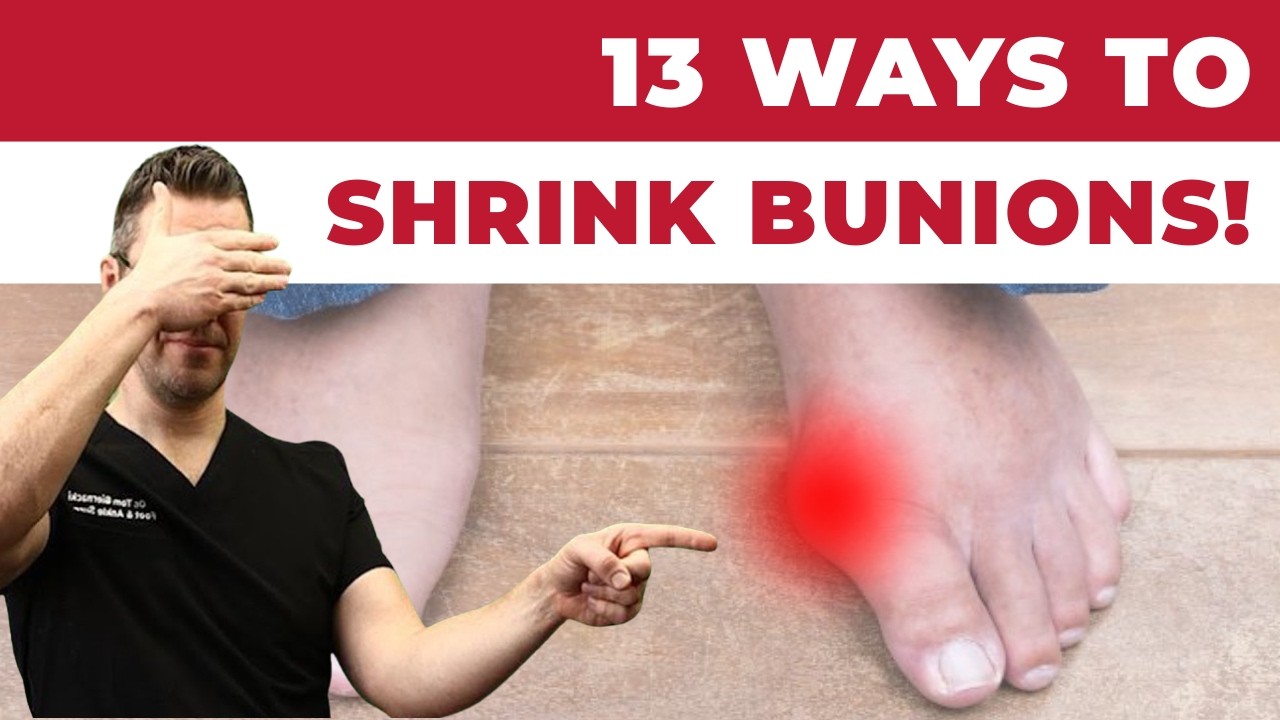

What Causes Bunion Pain?
Bunion pain develops when the big toe drifts toward the second toe, causing the metatarsophalangeal (MTP) joint to protrude. This bony prominence creates pressure, friction, and eventually inflammation — the hallmarks of bunion pain. Without bunion pain treatment, the deformity and discomfort typically worsen over time.
Bunion pain affects approximately 23% of adults. Contributing factors include hereditary foot structure, wearing narrow or pointed shoes, and certain inflammatory conditions. Effective bunion pain treatment addresses both the symptoms and the underlying mechanical causes.
Bunion Pain Treatment Options
Conservative bunion pain treatment options include wider-toe-box shoes, custom 3D orthotics to offload the joint, bunion pads to reduce friction, anti-inflammatory medications, and cortisone injections. These bunion pain treatment approaches relieve symptoms but do not correct the deformity — for that, surgery is required.
Surgical bunion pain treatment is the only way to permanently correct the bony deformity. Our minimally invasive bunion pain treatment uses 2-3 small incisions and specialized micro-instruments, allowing patients to walk the same day in a surgical boot. Learn more from the American College of Foot and Ankle Surgeons (ACFAS).
Minimally Invasive Bunion Pain Treatment Surgery
Our minimally invasive bunion pain treatment surgery uses fluoroscopic (real-time X-ray) guidance and micro-burrs to correct the bone deformity through tiny incisions. Patients walk the same day after minimally invasive bunion pain treatment and typically return to normal shoes within 6-8 weeks.
The recovery from minimally invasive bunion pain treatment is dramatically faster than traditional open surgery. Most of our bunion pain treatment patients return to work and most daily activities within 2 weeks and are fully recovered within 3-4 months.
Bunion Pain Treatment FAQ
Is bunion pain treatment surgery painful? Our bunion pain treatment procedures are performed under local anesthesia. Post-operative discomfort is well-controlled with prescribed medications and typically resolves within 1-2 weeks.
How long does bunion pain treatment recovery take? With minimally invasive bunion pain treatment, most patients walk the same day, return to regular shoes in 6-8 weeks, and are fully recovered in 3-4 months — significantly faster than traditional open surgery.
For same-day bunion pain treatment consultations in Howell or Bloomfield Township, MI, call (810) 206-1402 or book online.
Seniors: Stop Bunion Pain From Limiting Your Mobility Treatment in Michigan
Understand why bunions worsen with age and learn how professional care can relieve pain and restore comfort.
Watch: 9 BEST Bunion Treatments (NO Surgery)! [Splints, Correctors & Pads]
Book Your Bunion Evaluation
Call Now
Why Bunions Worsen With Age
- Progressive deformity: bunions gradually worsen over time
- Arthritis and joint changes accelerate pain and discomfort
- Poor footwear or pressure on toes makes symptoms worse
- Early care prevents severe pain and functional limitations

Book Your Senior Bunion Consultation
Common Symptoms Seniors Experience With Bunions
- Pain or tenderness along the big toe joint
- Swelling or redness around the bunion
- Corns or calluses due to friction
- Difficulty fitting shoes comfortably
- Changes in walking or balance due to pain
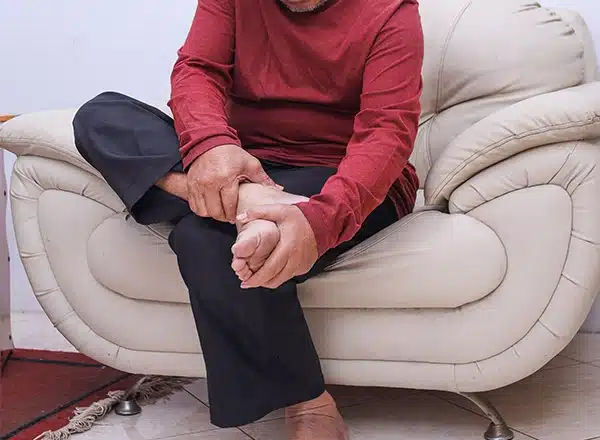
Notice these symptoms? Schedule your bunion evaluation today
Relieve Pain and Protect Your Feet With Custom Solutions
Seniors with bunions often struggle with pain and mobility. At Balance Foot & Ankle Specialist, we provide orthotic support, shoe recommendations, and treatment plans to reduce pain and prevent progression.
• Corrects pressure points to relieve bunion pain
• Supports foot alignment and improves balance
• Reduces friction and prevents corns or calluses
• Comfortable footwear guidance for seniors
• May slow progression and improve mobility

Book Your Bunion Evaluation
Call Now
Patients with flat feet often experience:
Warning Signs Seniors Shouldn’t Ignore
• Persistent bunion pain affecting daily activities
• Redness, swelling, or worsening deformity
• Difficulty walking or balance issues
• Corns, calluses, or skin breakdown
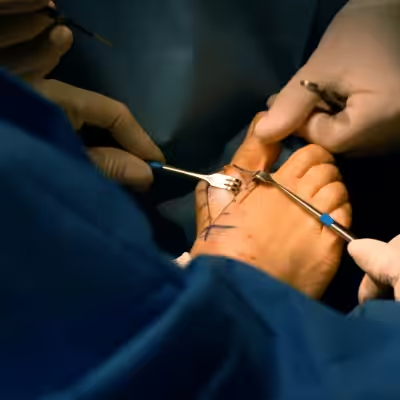
Early Treatment Prevents Severe Pain – Book Now
What to Expect at Your Bunion Appointment

Comprehensive Foot and Toe Exam

Assessment of Bunion Severity and Pain Points

Recommendations: Orthotics, Shoe Modifications, Therapy, or Surgery if Needed

Personalized Plan for Pain Relief and Mobility Improvement

Senior-friendly Guidance on Footwear and Care
Book Your Bunion Consultation
Trusted Footwear Recommendations From
Michigan’s Leading Podiatrists
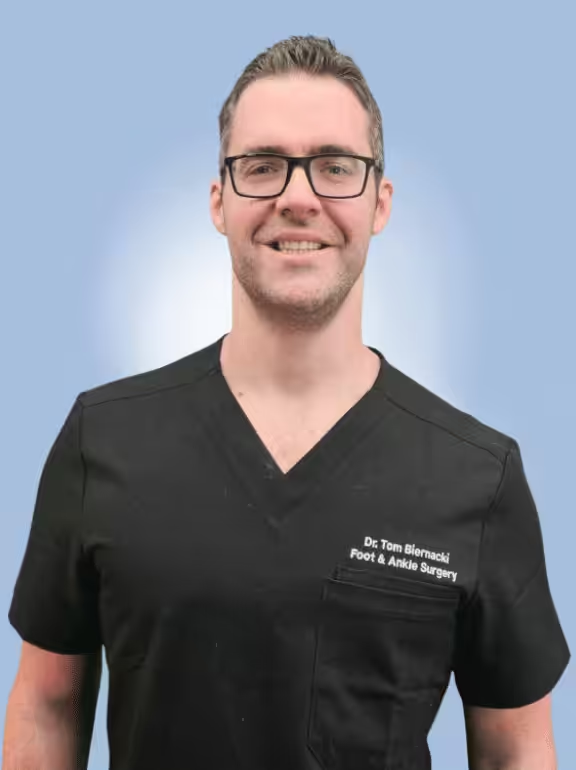
Dr. Tom Biernacki DPM
(Podiatrist, Wound Care, Foot & Ankle Specialist)
Dr. Tom Biernacki, DPM, is a highly respected and experienced podiatrist proudly serving patients in Howell, Michigan, and throughout Oakland County. With a strong commitment to personalized patient care, Dr. Biernacki specializes in diagnosing and treating a many foot and ankle conditions, including chronic foot pain, sports injuries, diabetic foot care, and structural deformities. His practice offers comprehensive services such as routine foot care, advanced wound care, and both non-surgical and surgical solutions for complex issues affecting the lower extremities. Known for his compassionate approach and attention to detail, Dr. Biernacki works closely with each patient to create a customized treatment plan that ensures the best possible outcome.
Dr. Carl Jay DPM (Podiatric Surgeon & Foot Doctor)
Dr. Carl Jay is a board-certified foot and ankle surgeon and proud partner at Balance Foot & Ankle. After completing his residency at the Genesys Regional Medical Center program, he took his talents to Texas. There he covered trauma call, treated complex wounds in the Wound Care Center, and cared for a many patients in private practice, from diabetic limb preservation to sports medicine.
Dr. Jay certainly enjoyed practicing in the Lone Star State. (I mean that amazing warm weather and sunshine.)Family brought him back to Michigan.
Now serving the Detroit Metro area, Dr. Jay brings advanced treatment modalities and years of surgical and clinical experience to every patient encounter. He’s passionate about delivering expert, compassionate care that helps people move better and live better.





Top Patient Reviews
“I’ve struggled with bunion pain for years, making it difficult to walk or wear shoes comfortably. Dr. Tom Biernacki at Balance Foot & Ankle Specialist in Howell provided excellent care. He explained my options clearly and recommended treatments that eased my pain almost immediately. I can finally walk without discomfort. Highly recommend for seniors dealing with bunions!”
– Agatha, Howell, MI
“My bunions had been worsening, and I was worried about surgery. Dr. Carl Jay at Balance Foot & Ankle Specialist in Bloomfield Township offered non-surgical solutions that really helped. With custom orthotics and gentle care, my pain has decreased, and I can wear my favorite shoes again. The staff is compassionate and patient with seniors—it’s a wonderful experience.”
– Josh, Bloomfield HIlls, MI
“As a senior, bunion pain was limiting my mobility and daily activities. The team at Balance Foot & Ankle Specialist treated me with kindness and expertise. After a combination of orthotics, stretching exercises, and professional guidance, I feel so much more comfortable on my feet. I’m grateful for their thorough and compassionate approach.”
– Mellisa, Bloomfield HIlls, MI
Insurance & Medicare Friendly
Not sure if your bunion pain is covered?
Our staff will verify in minutes.






When to See a Podiatrist
A bunion is a progressive joint deformity — padding and splints reduce pain but don’t reverse the bone shift. If the big toe angle is worsening, shoes no longer fit, or pain is disrupting sleep or activity, schedule a consult at Balance Foot & Ankle. Our surgeons perform minimally-invasive bunion correction with faster recovery than traditional osteotomy. We’ll review X-rays with you and explain exactly what the joint needs.
Call Balance Foot & Ankle: (810) 206-1402 · Book online · Offices in Howell & Bloomfield Township
Frequently Asked Questions

Will my bunion pain get worse over time?
Yes. Bunions are progressive. You can slow them down by wearing proper, wide shoes and using custom orthotics.
How do I treat my bunion without surgery?
Start with conservative care. This includes custom orthotics, wide and deep-toe shoes, padding, and occasional anti-inflammatory injections for pain relief.
Why are bunions common in older adults?
It’s wear and tear. Years of walking, combined with genetics and weakened foot arches, causes the big toe bone to shift outward over time. Arthritis also contributes.
When is surgery necessary?
When pain stops your life. Surgery is only recommended when severe, constant pain prevents you from walking, exercising, or comfortably wearing any shoe, and conservative care has failed.
Can the bunion return after surgery?
It can, but it’s less likely with modern techniques. Success depends on correcting the underlying cause. Use supportive footwear and custom orthotics post-surgery to maintain alignment.
Don’t Let Bunions Slow You Down
Professional care keeps seniors walking comfortably and safely
Frequently Asked Questions About Your Treatment
What is the best non-surgical treatment for bunions?
The most effective non-surgical approach combines custom orthotics (to redistribute foot pressure and slow progression), bunion-friendly footwear with a wide toe box, gel spacers, and anti-inflammatory measures for pain flares. While orthotics cannot reverse a bunion, they can significantly slow progression and reduce pain — delaying or avoiding surgery for many patients.
When should a bunion be treated with surgery?
Surgery is typically considered when the bunion causes persistent pain that limits daily activities despite 3–6 months of conservative treatment, or when the deformity progresses to the point of affecting adjacent toes. Most patients are successfully managed non-surgically. Our podiatrists provide honest assessments and try all appropriate conservative options first.
Do bunions get worse over time?
Bunions are progressive — they generally worsen slowly over years, especially if footwear, biomechanics, and activity levels are not managed. The rate of progression varies widely. Addressing contributing factors early (tight footwear, flat feet, overpronation) can significantly slow progression. Once symptoms develop, prompt care is the best strategy.
Can I prevent my bunion from getting worse?
Yes. Wearing shoes with a wide toe box, using custom orthotics to correct overpronation, avoiding high heels, and doing daily toe-strengthening and stretching exercises can slow or stop bunion progression. Annual monitoring by a podiatrist allows early intervention if the deformity accelerates.
How do I know if my bunion pain needs a doctor?
See a podiatrist if you experience persistent pain that limits walking or activities, if the bunion causes your second toe to overlap or drift, if you have difficulty finding shoes that fit, or if the skin over the bunion is red, swollen, or irritated. Early treatment provides the most options and best long-term outcomes.
Howell Office
4330 E Grand River Ave
Howell, MI 48843
Get Directions →
Bloomfield Township Office
43494 Woodward Ave #208
Bloomfield Township, MI 48302
Get Directions →
Your Board-Certified Podiatrists



Board-certified care at both Michigan locations
Book your visit today
Most insurance accepted · On-site X-ray · Board-certified podiatrists
Howell · (810) 206-1402 Bloomfield · (810) 206-1402Bunion Treatment for Seniors Michigan — Conservative & Surgical
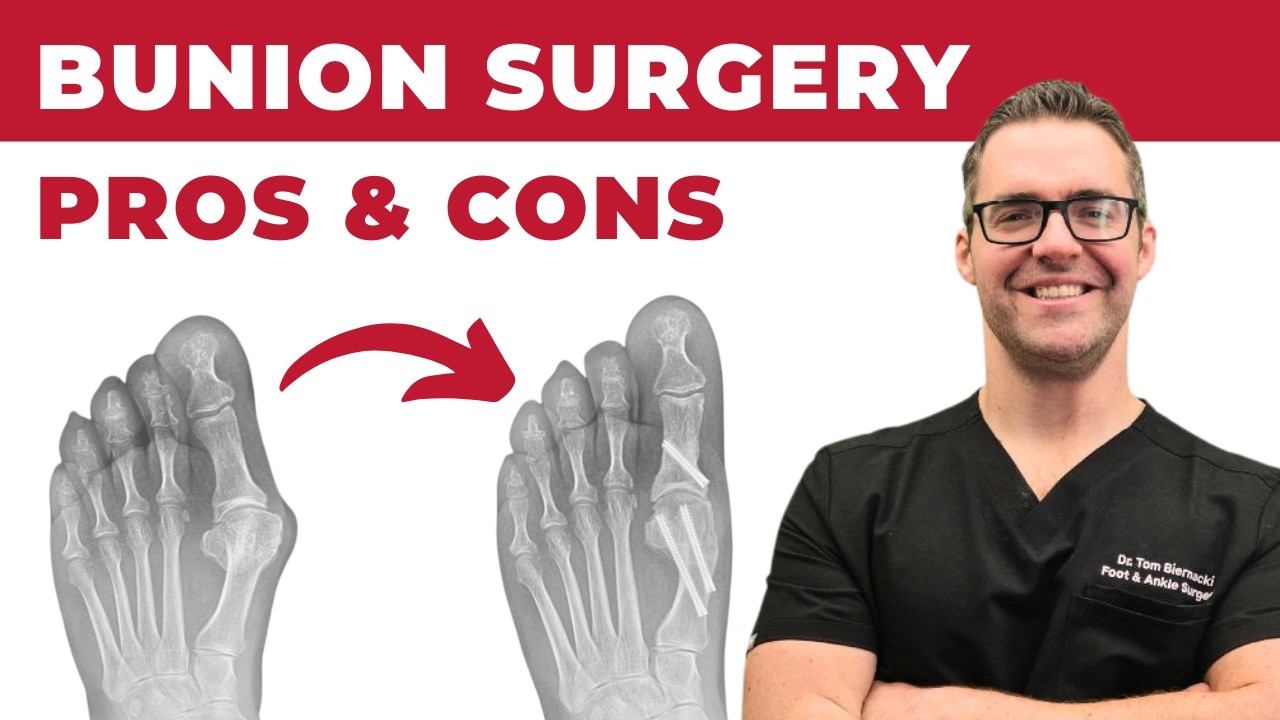
Dr. Biernacki explains why bunions become more symptomatic with age, the special considerations for senior patients considering bunion surgery, and how modern techniques like Lapiplasty® minimize surgical risk.
Frequently Asked Questions
Is bunion surgery safe for older patients?
Yes — when properly selected, bunion surgery in patients over 65 has complication rates comparable to younger patients. Modern anesthesia techniques, minimally invasive options, and rapid weight-bearing protocols (particularly with Lapiplasty®) reduce the risks historically associated with bunion surgery in elderly patients.
What non-surgical options help senior bunion patients?
Wide-toe-box shoes (often the single most important change), custom orthotics to redistribute pressure, bunion splints for nighttime alignment, metatarsal pads, toe spacers, and anti-inflammatory treatment provide excellent symptom control for seniors who prefer to avoid surgery or have health conditions that increase surgical risk.
How does age affect bunion surgery recovery?
Seniors typically take 20–30% longer to fully heal than younger patients. Bone density and circulation are key factors. Pre-surgical optimization (vitamin D, calcium supplementation, smoking cessation, blood sugar control in diabetics) significantly improves outcomes. Our surgeons discuss specific timelines based on your overall health profile.
Watch: Bunion Pain Treatment for Seniors
Dr. Tom on senior bunion care — MIS for older patients, conservative options, risk stratification, shoe modifications, Medicare coverage pathways.
Frequently Asked Questions
How long does treatment take to work?
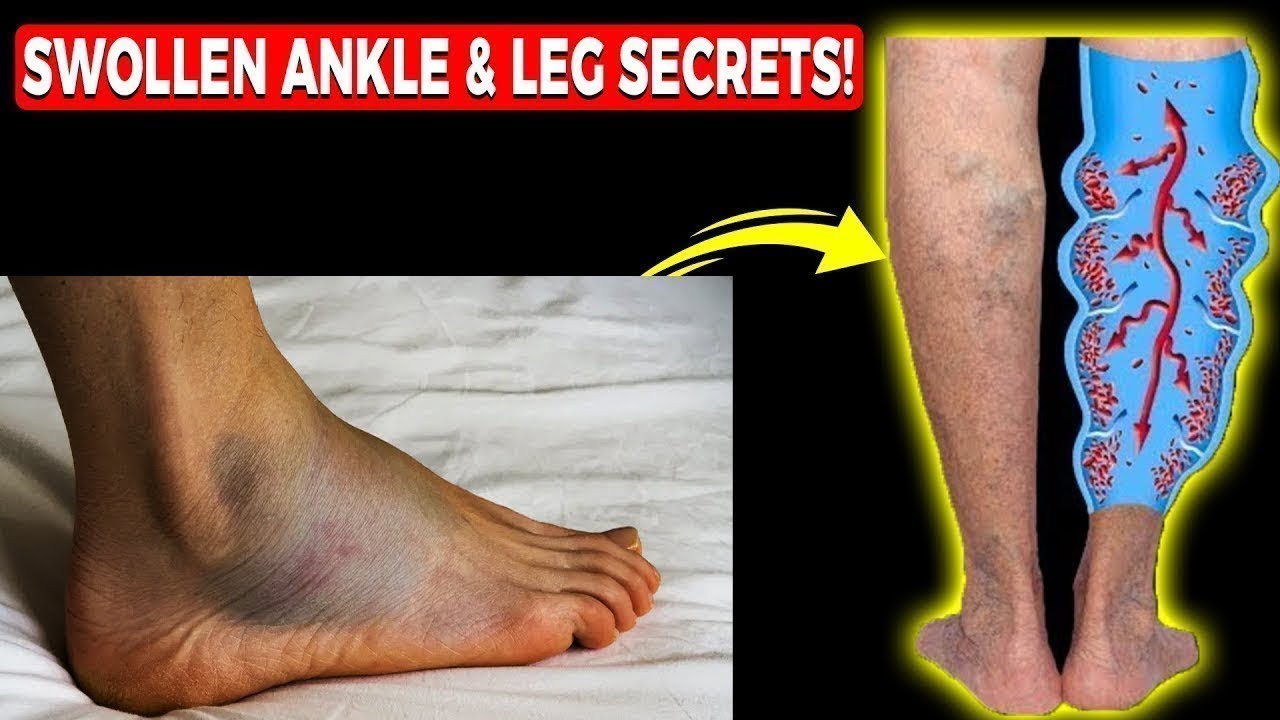
Most patients see improvement in 4-8 weeks with consistent conservative care. Persistent symptoms after 8 weeks need imaging and escalation.
When is surgery needed?
Surgery is reserved for cases that fail 3-6 months of conservative care, structural deformities, or fractures requiring stabilization.
Is this covered by insurance?
Most diagnostic visits and conservative treatments are covered by Medicare and major insurers. Custom orthotics often require diabetic or post-surgical justification.
Can’t get to the office? We make house calls across Michigan → — in-home podiatry for homebound and mobility-limited patients, including nail care, wound care and diabetic foot checks.