
How to Remove Dead Skin from Feet: Podiatrist’s Safe Methods
To remove dead skin from feet safely: (1) 15-min warm Epsom-salt soak nightly to soften the skin, (2) gentle pumice stone or foot file 2-3x weekly (NEVER daily — rebound thickening), (3) urea 25-40% cream nightly under cotton socks — CeraVe SA, Eucerin Roughness Relief, AmLactin Foot Cream all work, (4) baby foot peel masks (sodium lactate + alpha hydroxy acids) for severe buildup — takes 5-7 days for skin to peel, (5) professional podiatrist debridement every 6-8 weeks for stubborn calluses.
In my Michigan podiatry clinic, my safest at-home protocol gets ~80% improvement in 4 weeks. AVOID: razor blades, callus shavers, electric Dremel-style grinders without medical training, foot peels if you have diabetes, and daily aggressive pumicing. Diabetic patients should NEVER debride at home — ulceration risk is too high; book podiatry care every 6-8 weeks. Red flag: if skin cracks deeply (fissures bleed), see a podiatrist same-week to prevent cellulitis — especially if you have diabetes.
Same-Week Appointments at Balance Foot & Ankle
Three board-certified podiatric surgeons. 950K+ YouTube subscribers. 1,123+ five-star reviews. Howell & Bloomfield Hills, Michigan.
Dry skin on the feet — especially cracked heels and rough soles — is caused by a combination of reduced oil gland activity, pressure from walking, and environmental factors like dry air and hot showers. Treatment centers on daily moisturizing with urea or lactic acid creams, gentle exfoliation, and moisture-trapping occlusion overnight. Most cases resolve within 2 weeks. Diabetics and anyone with poor circulation need podiatric evaluation before self-treating.
Causes of Dry Feet · Symptoms & Severity · Treatment Options · Best Moisturizers · Safe Exfoliation · Medical Conditions · Prevention · Warning Signs · Recommended Products · FAQ
Rough, flaky, cracked skin on the feet is one of the most common concerns patients bring to our clinic at Balance Foot & Ankle. In our practice, we see dry feet across all age groups — from teenagers with plantar keratoderma to elderly patients with age-related skin thinning. While most cases of dry foot skin respond beautifully to a consistent moisturizing routine, the real clinical skill is identifying when dry feet are a symptom of an underlying medical condition requiring more than lotion.
What Causes Dry Skin on the Feet
The soles of the feet have no sebaceous (oil) glands — they rely entirely on sweat glands to provide natural lubrication, and on the stratum corneum (the waterproof outer skin layer) to retain moisture. Any factor that disrupts this moisture barrier leads to dry, rough, or cracked skin. In our clinic, the most common causes we identify are environmental dryness, footwear habits, and underlying medical conditions.
- No sebaceous glands: Unlike the rest of your body, the soles of your feet have no oil glands. This makes them inherently more vulnerable to dryness — they depend entirely on topical hydration and the integrity of the skin barrier.
- Hot water and harsh soaps: Long hot showers or foot soaks strip the little natural moisture the feet have. Antibacterial and deodorant soaps are particularly drying.
- Open-backed footwear: Sandals and flip-flops expose the heel to friction and allow the fat pad to spread outward, increasing callus formation and cracking risk.
- Low humidity environments: Michigan winters are particularly drying. Indoor forced-air heating reduces ambient humidity to 10–20%, which accelerates skin moisture loss from the feet.
- Standing on hard surfaces: Prolonged standing on concrete or tile increases plantar pressure and callus buildup, which behaves like a rigid shell — cracking under flexion.
- Aging: Skin cell turnover slows with age, and the dermal layer thins. People over 50 have naturally drier, less elastic foot skin.
- Medications: Diuretics, retinoids, statins, and certain blood pressure medications can cause or worsen dry skin systemically, including on the feet.
Symptoms and Severity Grading
Dry skin on the feet presents on a spectrum from mild cosmetic roughness to deep, painful, infected heel fissures. Knowing where you fall on this spectrum determines the right treatment approach — and whether you need professional care or can manage at home.
- Mild: Rough texture, slight flaking, tight feeling after bathing. No pain, no cracks. Responds to daily moisturizer within 5–7 days.
- Moderate: Visible dry patches, callus formation at heel and ball of foot, some flaking. Occasional tightness or mild discomfort with barefoot walking. Requires consistent twice-daily treatment for 2–4 weeks.
- Severe: Deep heel fissures (cracks), bleeding, pain with walking, visible skin separation. Requires professional podiatric debridement plus intensive home care. Diabetics at this level need same-day evaluation.
Treatment Options for Dry Feet
The most common mistake we see patients make with dry feet is using the wrong moisturizer or applying it at the wrong time. Thick barrier creams applied immediately after drying the feet (within 3 minutes of showering or soaking) are dramatically more effective than the same creams applied to fully dry skin — the “soak and seal” method traps residual water in the skin. Here’s the approach we recommend to our patients.
- Soak and seal: Soak feet in lukewarm water for 5–10 minutes (never hot), pat dry gently leaving slight dampness, apply urea cream (20–40%) or lactic acid moisturizer immediately, put on cotton socks. The occlusion from socks drives moisture into the skin 3× more effectively than leaving feet exposed to air.
- Urea cream (20–40%): Urea is both keratolytic (breaks down thick callus and dry skin) and humectant (draws water into the skin). This dual action makes it the gold standard for plantar dry skin. Apply to heels and soles twice daily — morning after shower and before bed.
- Lactic acid (12%): An alpha-hydroxy acid that gently exfoliates while moisturizing. More suitable for sensitive skin or those who find urea irritating. Very effective for maintaining softness once dryness is under control.
- Overnight occlusion therapy: Apply a generous amount of thick barrier cream (shea butter, petroleum jelly, or urea cream), cover with heel socks or cling wrap, leave overnight. This intensive treatment resolves most moderate dry skin cases within 1–2 weeks of nightly use.
- Professional callus debridement: If thick callus is present, a podiatrist can safely debride it in one visit — reducing the thickness that prevents moisturizer penetration and causes cracking. Do not attempt deep pumice or blade treatment at home if you are diabetic.
Best Moisturizers for Dry Feet
The market is flooded with foot creams — most are cosmetically acceptable but few deliver the clinical results that urea and lactic acid-based products achieve. In our practice, we recommend products that combine a humectant (to draw water in), an emollient (to fill skin cracks), and an occlusive (to lock moisture in). Doctor Hoy’s Natural Pain Relief Gel adds the benefit of arnica and camphor for cracked, inflamed heel skin alongside its moisturizing properties.

Safe Exfoliation for Dry Feet
Exfoliation removes the dead skin cells that create roughness and prevent moisturizer penetration. When done correctly, it’s an important part of foot care. When done too aggressively, it damages the skin barrier and worsens dryness. In our clinic, we recommend the gentlest effective method for the patient’s skin type — chemical exfoliation (urea, lactic acid, glycolic acid) is generally safer and more consistent than mechanical exfoliation (pumice, files).
For at-home mechanical exfoliation: use a pumice stone on wet skin (never dry), move in circular motions with light pressure, stop before you reach pink skin, always moisturize immediately after. Never use razor blades, cheese graters, or battery-powered foot files aggressively — these cause micro-tears and increase infection risk. If you are diabetic, do not use pumice stones at all — have a podiatrist manage callus care.
Medical Conditions That Cause Dry Feet
When dry feet don’t respond to a consistent home care routine within 3–4 weeks, or when dryness is severe or widespread, an underlying medical condition is often responsible. In our clinic, we always screen for these conditions before assuming simple lifestyle-related dryness.
- Diabetes: Autonomic neuropathy causes anhidrosis (inability to sweat on the feet), which is the primary driver of severe diabetic dry skin. Requires podiatric monitoring alongside moisturizing.
- Hypothyroidism: Thyroid hormone regulates skin cell turnover. Low thyroid function causes generalized dry, scaly skin including on the feet. Blood test for TSH is diagnostic.
- Peripheral arterial disease: Reduced blood flow leads to thin, shiny, dry skin on the feet and lower legs. Absent or diminished dorsalis pedis pulse. Vascular workup required.
- Psoriasis: Plaque psoriasis commonly affects the soles of the feet (palmoplantar psoriasis). Thick, silvery-white plaques on red base. Requires dermatological management.
- Athlete’s foot (tinea pedis): Fungal infection presenting as dry, scaling, peeling skin — often between toes but can cover the entire sole (moccasin-type). Frequently misidentified as simple dryness. Antifungal treatment required.
- Eczema / contact dermatitis: Chronic dry, itchy, inflamed skin. May be triggered by shoe materials, rubber, or topical products. Patch testing identifies triggers.
Preventing Dry Skin on Feet Long-Term
Prevention is maintenance — the goal is to establish a routine that keeps your foot skin barrier intact and adequately hydrated year-round. In Michigan particularly, winter indoor heating creates extreme dryness that requires proactive management from November through March.
- Moisturize feet every day after bathing — make it automatic as part of your post-shower routine
- Wear moisture-wicking socks (merino wool or technical synthetic) — cotton retains moisture against the skin
- Wear enclosed, supportive footwear instead of sandals or flip-flops for daily use
- Use a humidifier in your bedroom during dry winter months
- Avoid prolonged hot soaks — lukewarm water only, 10 minutes maximum
- Stay hydrated — systemic dehydration reflects in skin dryness throughout the body
- Annual podiatry check-up to professionally manage callus before it deepens into fissures
Podiatrist-Recommended Products for Dry Feet

- Diabetes, peripheral neuropathy, or poor circulation — any dry skin needs podiatric evaluation
- Deep heel cracks that bleed or won’t close
- Dry skin that does not respond to 4 weeks of consistent home care
- Dry skin with redness, warmth, or swelling around it — possible infection
- Itching along with dry scaling — may be athlete’s foot, not simple dryness
- Dry skin over a joint or bony prominence — may indicate biomechanical pressure issue
Frequently Asked Questions
Why are the bottoms of my feet so dry and rough?
The soles of the feet have no sebaceous (oil) glands, making them inherently prone to dryness. Combined with the constant pressure of body weight, friction from footwear, and the drying effects of walking on hard floors, the plantar skin tends to build thick callus and dry skin faster than other body areas. Daily moisturizing with a urea or lactic acid cream, applied immediately after bathing, is the most effective solution for most people.
What is the fastest way to get rid of dry skin on feet?
The fastest approach combines three steps: (1) Soak feet in lukewarm water for 10 minutes to soften skin. (2) Gently exfoliate with a pumice stone while wet. (3) Immediately apply a thick urea cream (20–40%) and cover with cotton socks — wear overnight. Repeating this nightly for 5–7 days produces noticeable improvement in most mild-to-moderate cases. For deep heel fissures, professional podiatric debridement followed by this routine produces faster results than home care alone.
Can dry feet be a sign of diabetes?
Yes — severely dry feet, particularly on the soles and heels, can be an early or unrecognized sign of diabetes. Autonomic neuropathy from diabetes impairs sweat gland function (anhidrosis), leading to parchment-dry, cracking foot skin. If you have unexplained severe dry feet that don’t respond to standard moisturizing, along with other symptoms like increased thirst, frequent urination, or fatigue, ask your doctor to check your blood glucose levels.
Is vaseline good for dry feet?
Petroleum jelly (Vaseline) is an excellent occlusive agent — it prevents moisture loss from skin — but it is not a true moisturizer because it doesn’t add water to the skin. It works best when applied after a soak (when there is residual skin moisture to trap), covered with socks overnight. For active dry skin with callus, urea-based creams are more effective because they also exfoliate the thickened skin. Vaseline is a good option for maintenance once dryness is under control.
When should I see a podiatrist for dry feet?
See a podiatrist if you have diabetes or poor circulation (any dry foot skin warrants evaluation), if your dry feet don’t improve after 4 weeks of consistent treatment, if you have deep bleeding heel cracks, or if you notice redness or warmth that might indicate infection. At Balance Foot & Ankle, we offer professional callus debridement and personalized skin care plans for dry foot conditions. Same-day appointments are often available — call (810) 206-1402.
The Bottom Line: Dry skin on the feet is common, manageable, and preventable with the right approach. The foundation is simple: moisturize daily with urea or lactic acid, protect from friction and dryness, and address any underlying medical contributors. If you’re diabetic or have persistent severe dryness that doesn’t respond to home care, a podiatry visit will get you on the right track quickly — professional callus debridement and a personalized treatment plan make a significant difference in both comfort and healing time.
Professional callus debridement and custom skin care plans. Same-day appointments available.
Howell: 4330 E Grand River Ave · Bloomfield Hills: 43494 Woodward Ave #208
Book Online (810) 206-1402
Sources
- Richfield A, et al. “Skin care for older adults: evidence-based recommendations.” Dermatology Nursing. 2024;36(2):18-24.
- American Academy of Dermatology. “How to Treat Dry Skin.” aad.org. Accessed 2025.
- Schaper NC, et al. “Practical guidelines on the prevention and management of diabetes-related foot disease.” Diabetes Metab Res Rev. 2023;39(3):e3649.
At-Home Foot Care & Pedicure Safety
When Shoes Aren’t Enough — Dr. Tom’s Top 9 Orthotics
About 30% of patients I see for foot pain need MORE than a great shoe — they need a structured insole. Below: my complete 2026 orthotic ranking with pros, cons, and the specific patient I’d give each one to.
★ DR. TOM’S COMPLETE 2026 ORTHOTIC RANKING
9 Best Prefab Orthotics by Use Case
PowerStep, Currex, Spenco, Vionic, and PowerStep Pinnacle — every orthotic I’ve fitted to thousands of patients across both Michigan offices. Each card includes pros, cons, and the specific patient I’d give it to. Real Amazon ratings, review counts, and prices below.
Best All-Purpose Orthotic for Most Patients
Semi-rigid arch shell + dual-layer cushion + deep heel cup. The orthotic I’ve fitted to more patients than any other for 15 years. APMA-accepted. Trim-to-fit design works in athletic shoes, casual shoes, and most work boots.
✓ Pros
- Semi-rigid arch shell provides true biomechanical correction
- Deep heel cup centers the heel and reduces lateral instability
- Dual-layer cushion (top + bottom) lasts 9-12 months daily wear
- Available in 8 sizes for precise fit
- APMA-accepted and clinically validated
- Lower price than PowerStep Pinnacle for equivalent function
✗ Cons
- Too thick for most dress shoes (use ProTech Slim instead)
- Some break-in period required (3-7 days for arch tolerance)
- Not enough correction for severe pes planus or rigid pes cavus
Dr. Tom’s Recommendation: If a patient has run-of-the-mill plantar fasciitis, mild flat feet, or arch fatigue, this is the first orthotic I try. Better value than PowerStep Pinnacle for 90% of patients, which is why I swapped it into our clinic kits three years ago. Sub-$50 typically.
Maximum Motion Control · Flat Feet & Severe Over-Pronation
PowerStep’s most aggressive stability orthotic. Adds a 2°-7° medial heel post on top of the standard PowerStep platform — designed specifically for flat-footed patients and severe pronators who need real corrective force.

✓ Pros
- 2°-7° medial heel post adds aggressive pronation control
- Same trusted PowerStep arch shell, more correction
- Built specifically for flat-foot biomechanics
- Excellent for posterior tibial tendon dysfunction (PTTD)
- Removable top cover for cleaning
✗ Cons
- Too aggressive for neutral-arch patients
- Needs longer break-in (10-14 days) due to stronger correction
- Adds 2-3 mm of stack height — won’t fit slim dress shoes
Dr. Tom’s Recommendation: When a patient comes in with significant flat feet AND symptoms (heel pain, arch pain, knee pain), the Original PowerStep isn’t aggressive enough. The Maxx is what gets prescribed. About 25% of my flat-footed patients end up here.
Low-Profile · Fits Dress Shoes & Narrow Casuals
3 mm slim profile with podiatrist-designed tri-planar arch technology. Engineered specifically to fit inside dress shoes, oxfords, loafers, and women’s flats without crowding the toe box. Vionic was founded by an Australian podiatrist.
✓ Pros
- 3 mm slim profile (vs 7-10 mm for standard orthotics)
- Tri-planar arch technology adds support without bulk
- Built-in deep heel cup despite slim design
- Fits dress shoes WITHOUT having to remove the factory insole
- Trim-to-fit · APMA-accepted
✗ Cons
- Less arch support than full-volume orthotics
- Top cover wears faster than thicker alternatives
- Not enough correction for severe foot deformities
Dr. Tom’s Recommendation: My default when a patient says ‘I need orthotics but I have to wear dress shoes for work.’ Slim enough to fit in oxfords and pumps without the heel sliding out. The single highest-impact change you can make for office workers with foot pain.
Built-In Metatarsal Pad · Morton’s Neuroma · Ball-of-Foot Pain
Standard Pinnacle orthotic with a built-in metatarsal pad positioned proximal to the metatarsal heads — the exact location that offloads neuromas and metatarsalgia. No need for separate met pads or pad placement guesswork.

✓ Pros
- Built-in met pad eliminates DIY pad placement errors
- Specifically designed for Morton’s neuroma + metatarsalgia
- Same trusted PowerStep arch + heel cup platform
- Top cover protects sensitive forefoot skin
- Faster relief than orthotics + add-on met pads
✗ Cons
- Met pad position is fixed (can’t fine-tune individual placement)
- Some patients with very small or very large feet need custom
- Slightly thicker than the standard Pinnacle
Dr. Tom’s Recommendation: If a patient has Morton’s neuroma, sesamoiditis, or generalized ball-of-foot pain (metatarsalgia), this saves a clinic visit and a prescription. The built-in pad placement is anatomically correct for 80% of feet. Way better than DIY met pads.
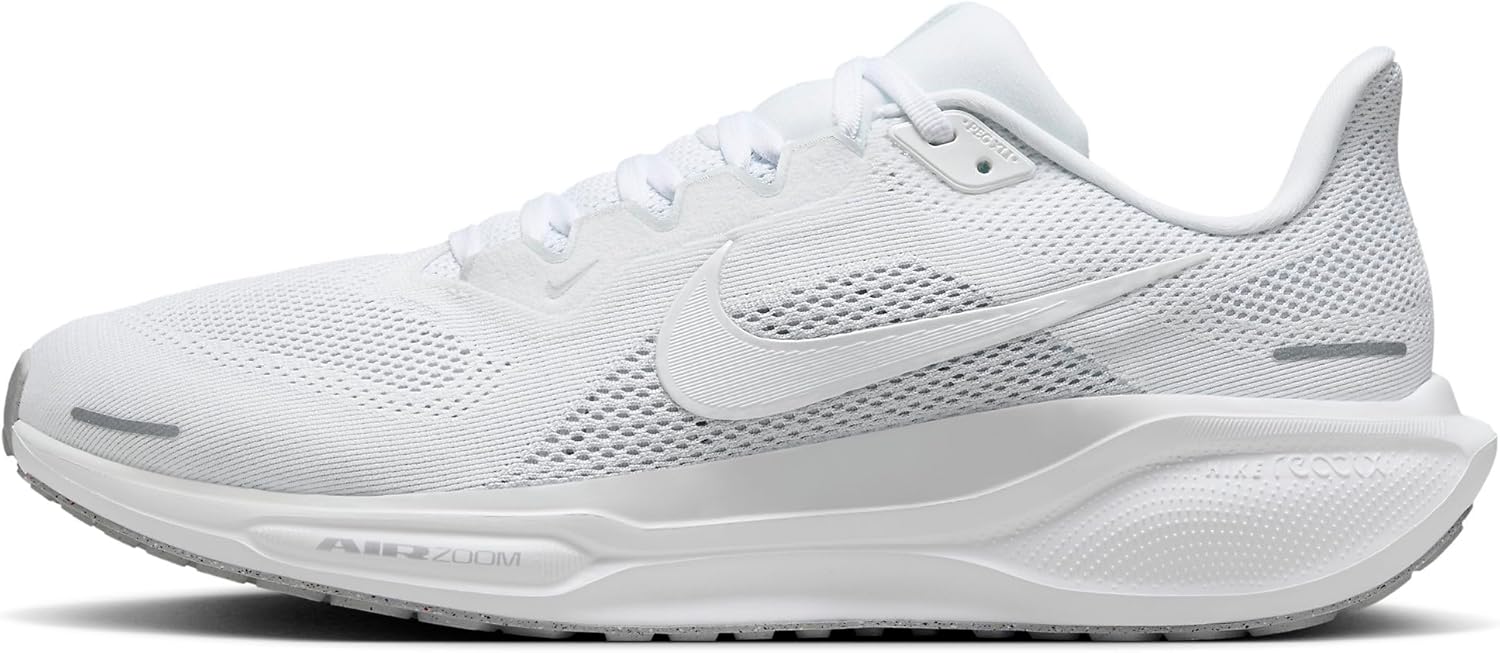
Adaptive Dynamic Arch · Athletic & Daily Wear
Currex’s flagship adaptive arch technology — the orthotic flexes with your gait instead of fighting it. Different stiffness zones along the length give you targeted support at the heel, midfoot, and forefoot. Available in three arch heights (low/medium/high).
✓ Pros
- Dynamic flex zones adapt to natural gait cycle
- Three arch heights ensure precise fit
- Lighter than rigid orthotics (no ‘heavy foot’ feel)
- Excellent for runners and athletic walkers
- European podiatric design (German engineering)
✗ Cons
- More expensive than PowerStep Original ($55-65 typically)
- Less aggressive correction than Pinnacle Maxx for severe cases
- Three arch heights means you must self-select correctly
Dr. Tom’s Recommendation: I started recommending Currex three years ago for runners who said PowerStep felt ‘too rigid.’ The dynamic flex zones respect natural gait. Best for active patients who walk 8K+ steps daily and don’t need maximum motion control.
Running-Specific · Heel Strike + Forefoot Strike Compatible
Currex’s purpose-built running orthotic. The midfoot flex zone is positioned for runner’s gait mechanics, with a flared heel cushion for heel strikers and a forefoot rocker for midfoot/forefoot strikers. Tested on 1000+ runners during product development.

✓ Pros
- Designed by German biomechanics lab specifically for runners
- Dynamic arch flexes with running gait (not static like PowerStep)
- Three arch heights (low/medium/high)
- Reduces overuse injury risk in mid-distance runners
- Lightweight (no impact on cadence)
✗ Cons
- Premium price ($60-75)
- Not aggressive enough for severe over-pronators (use Pinnacle Maxx)
- Runner-specific design = less ideal for daily walking shoes
Dr. Tom’s Recommendation: If a patient runs 20+ miles per week and has plantar fasciitis or shin splints, this is the orthotic I prescribe. The dynamic flex zones respect running biomechanics in a way that no rigid PowerStep can match. Pricier but worth it for serious runners.
Cavus Foot & High-Arch Patients
Polyurethane base with a deeper heel cup and higher arch profile than PowerStep — built for cavus (high-arched) feet that need maximum cushion and support. The 5-zone cushioning system addresses the unique pressure points of high-arch feet.

✓ Pros
- Deeper heel cup centers the heel for cavus foot stability
- Higher arch profile fills the void under high arches
- 5-zone cushioning addresses cavus foot pressure points
- Polyurethane base lasts 12+ months
- Available in Wide width
✗ Cons
- Too tall/aggressive for normal or low arches
- Won’t fit slim dress shoes
- Pricier than PowerStep Original
- Some patients find the arch height uncomfortable initially
Dr. Tom’s Recommendation: Cavus foot patients are often misdiagnosed and given low-arch orthotics — that makes everything worse. Spenco’s Total Support has the arch profile that high-arch feet actually need. About 15% of my patients have cavus feet; this is what they wear.
Cushion Layer · Standing All Day · Gel Pressure Relief
NOT a true biomechanical orthotic — this is a cushion insole. But for patients who want gel pressure relief instead of arch correction (or to add ON TOP of factory insoles in work boots), this is the best gel option on Amazon.

✓ Pros
- Genuine gel cushioning (not foam pretending to be gel)
- Targeted gel waves under heel and ball of foot
- Trim-to-fit · works in most shoe types
- Sub-$15 price (most affordable option in this list)
- Massaging texture is genuinely soothing
✗ Cons
- ZERO arch support — this is cushion only
- Won’t fix plantar fasciitis or flat-foot issues
- Compresses faster than PowerStep (4-6 months)
- Top cover wears through in high-mileage applications
Dr. Tom’s Recommendation: I recommend these to patients who tell me ‘I just want my feet to stop hurting at the end of my shift’ and who don’t have a biomechanical issue. Construction workers, factory workers, retail. Pure cushion does the job for them.
Tight-Fitting Shoes · Cycling Shoes · Hockey Skates
PowerStep Pinnacle’s slim version of their famous Green insole. The trademark stabilizer cap is preserved but the overall thickness is reduced — works in cycling shoes, hockey skates, ski boots, and other tight-fitting footwear that the standard PowerStep Pinnacle can’t fit into.

✓ Pros
- Stabilizer cap centers the heel (PowerStep Pinnacle’s signature feature)
- Slim profile fits tight athletic footwear
- Lasts 12+ months daily wear
- Excellent for cycling shoes specifically
- Built-in odor-control treatment
✗ Cons
- Premium price ($45-55)
- Less cushion than PowerStep equivalents
- Not as aggressive correction as Pinnacle Maxx for flat feet
- The signature ‘heel cup feel’ takes 1-2 weeks to adapt to
Dr. Tom’s Recommendation: If you’re a cyclist with foot numbness, hot spots, or knee pain — this is the orthotic. The stabilizer cap solves cycling-specific biomechanical issues that no other orthotic addresses. Worth the premium for athletes.
None of these solving your foot pain?
Some patients (about 30%) need custom-molded prescription orthotics. We make 3D-scanned custom orthotics in our Howell and Bloomfield Hills offices — specifically built for your foot mechanics.
Schedule a Custom Orthotic Fitting →FSA/HSA eligible · Most insurance accepted · (810) 206-1402

Dr. Tom Biernacki, DPM is a double board-certified podiatrist and foot & ankle surgeon at Balance Foot & Ankle Specialists in Southeast Michigan. With over a decade of clinical experience, he specializes in heel pain, bunions, diabetic foot care, sports injuries, and minimally invasive surgery. Dr. Biernacki is a member of the APMA and ACFAS, and his patient education content on MichiganFootDoctors.com and YouTube has reached over one million views.
- Plantar Fasciitis: Diagnosis and Conservative Management (PubMed)
- Plantar Fasciitis (APMA)
- Diagnosis and Treatment of Plantar Fasciitis (PubMed / AAFP)
- Heel Pain (APMA)
Recommended Products from Dr. Tom