

Quick answer: Extensor tendonitis is inflammation of the tendons across the top of the foot, usually from tight shoes, overuse, or lacing pressure, causing top-of-foot pain that worsens with activity. Most cases settle with rest, looser lacing, ice, and supportive shoes; pain lasting beyond a few weeks should be evaluated by a podiatrist.
Extensor tendonitis patients who switch to wider shoes often see zero improvement — because the primary driver in most cases isn’t shoe width. Our podiatrists identify one

- ENGINEERED MESH
- Lining Textile
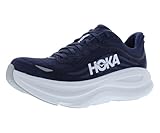
- ENGINEERED MESH
- Lining Textile

What Is Extensor Tendonitis of the Foot?
Medically reviewed by Dr. Tom Biernacki, DPM
Board-certified podiatric surgeon | Balance Foot & Ankle
Last reviewed: May 2026
The extensor tendons are a group of tendons that cross the top (dorsum) of the foot and attach to the toes. Their job is to dorsiflex the foot (lift it toward the shin) and extend the toes (straighten them out). They are relatively superficial — lying directly under the skin and thin subcutaneous tissue on the top of the foot — which makes them vulnerable to pressure from shoe laces, straps, and buckles.
The primary extensor tendons of the foot are the extensor hallucis longus (extends the big toe), extensor digitorum longus (extends the four lesser toes), and extensor digitorum brevis (a shorter muscle-tendon unit on the lateral dorsum). Any of these can become inflamed from repetitive loading or direct compression.
In our clinic, the most common presentation is a runner or cyclist who comes in with a diffuse aching pain across the top of the foot that worsens during activity and improves with rest — and whose shoe laces are tied too tightly across the midfoot. Loosening the laces by 50% during the first visit often produces immediate partial relief.
Extensor Tendonitis Symptoms
The hallmark symptoms are:
- Pain on the top of the foot — aching during activity, sometimes sharp with direct pressure on the tendon
- Tenderness to palpation along the course of the tendon (pressing on the top of the foot hurts)
- Pain with active dorsiflexion or toe extension against resistance — using the extensor tendons actively reproduces the pain
- Swelling — sometimes visible puffiness over the dorsum, especially after prolonged activity
- Pain that worsens with activity and eases with rest (classic tendinopathy pattern)
- Reproducible pain from shoe lace pressure — the pain is at exactly the spot where the lace crosses the foot
Extensor tendonitis does not typically produce swelling or pain in the toes themselves. Pain and swelling in a specific toe joint is more likely a ligament sprain, capsulitis, or gout. Pain running along the outer ankle or lower leg suggests a different tendon group entirely (peroneal or anterior tibial).
Key takeaway: The #1 clue for extensor tendonitis: pain on the top of the foot that is reproduced by pressing directly on the tendon, worsened by tightening shoelaces, and better when the shoe is loosened or removed.
Causes of Extensor Tendonitis in the Foot
1. Tight Shoelaces (Most Common)
The single most common cause of extensor tendonitis is excessive lace tension across the dorsum of the foot. When the lace compresses the extensor tendons against the underlying bones and joints, it creates a chronic compression and friction point. Runners who lace their shoes too tightly for foot security on technical terrain are particularly prone. The pattern: pain develops gradually over miles and is most intense at the top of the midfoot, exactly where the laces cross. Switching to a wider lace pattern, skipping the middle eyelet, or simply re-lacing more loosely produces relief within a few runs.
2. Sudden Activity Increase
Like other tendinopathies, extensor tendonitis can develop when the tendons are loaded faster than they can adapt. Starting a running program, dramatically increasing weekly mileage, or returning from injury with full training volume all create cumulative tendon stress that exceeds the tissue’s repair capacity.
3. Poorly Fitting Footwear
Shoes with a low toe box or tight throat (the opening where the foot enters) compress the dorsum of the foot with every step. This is why extensor tendonitis is disproportionately common with dress shoes, low-profile athletic shoes with narrow fits, and ski boots. Switching to a shoe with a wider, higher toe box reduces both compression and tendon irritation.
4. High Arches (Pes Cavus)
A high-arched foot places the extensor tendons under increased tension — the arch height means the tendons must travel a greater distance across the dorsum. Combined with any shoe compression, this creates a high-risk environment for extensor tendinopathy. Custom orthotics with additional arch support can offload the tendons significantly in high-arched feet.
5. Cycling
Cyclists who clip into pedals with tight cycling shoes are particularly prone to extensor tendonitis, especially when the cleat is positioned too far forward, pushing the forefoot into the front of the shoe with every pedal stroke. Retrograde cleat positioning and ensuring cycling shoes are not laced too tightly over the midfoot are simple preventive measures.
⚠️ When Extensor Tendonitis May Actually Be Something Else
- Pain that has been worsening for more than 4–6 weeks despite rest and lace modification — get imaging to rule out stress fracture
- A specific incident (fall, twist, hyperflexion) preceded the pain — possible partial extensor tendon tear
- You can feel a gap or step in the tendon on palpation — suggests tendon rupture
- Swelling involves a specific joint (MTP or midfoot) rather than along a tendon — may be Lisfranc injury, gout, or capsulitis
- Numbness or tingling accompanies the top-of-foot pain — possible tarsal tunnel variant or nerve entrapment
- You are a runner who recently dramatically increased mileage — rule out metatarsal stress fracture (dorsal tenderness over the shaft, not the tendon)
Diagnosis: Distinguishing Extensor Tendonitis from Stress Fracture
This is the most clinically important distinction. Both extensor tendonitis and metatarsal stress fracture produce top-of-foot pain that worsens with activity. The key differences:
Location: Extensor tendonitis produces tenderness along the tendon line — running longitudinally across the dorsum. A metatarsal stress fracture produces point tenderness directly over the shaft of a specific metatarsal, at a discrete spot. Press along the length of the second metatarsal shaft (not the tendon): focal pain at a specific point on the shaft is a stress fracture until proven otherwise.
Lace relationship: Extensor tendonitis is directly provoked by lace tightening. Stress fractures are not significantly affected by lace pressure.
Imaging: X-rays often miss metatarsal stress fractures for 2–4 weeks. If clinical suspicion is moderate-to-high, MRI confirms stress fracture with bone marrow edema. We do not withhold imaging when stress fracture is clinically plausible — missed stress fractures become displaced fractures requiring surgery.
On clinical examination, we assess active dorsiflexion and toe extension against resistance (reproduces tendonitis pain), palpate along each metatarsal shaft (stress fracture), and check ankle dorsiflexion range of motion (tight calf contributing to extensor overload).
Extensor Tendonitis Treatment
Step 1: Immediate Lace Modification
This is the single most effective immediate intervention for lace-related extensor tendonitis. Re-lace your shoe using a window lacing technique — skip the eyelet directly over the painful tendon, creating a tension-free zone over the irritated area. Alternatively, try lacing only loosely over the midfoot section. Widening the first eyelet (the one closest to the toe box) and using thinner laces also reduces pressure.

- High Arch Support: PowerStep supination insoles deliver firm, flexible high arch support plus a deep heel cradle for comfort, stability & motion control, helping align feet, reduce pain, and protect against ball & heel pressure.
- All Day Comfort & Support: PowerStep Pinnacle High shoe inserts for women and men use premium dual layer cushioning to deliver heel to toe comfort and responsive bounce back with every step, without going flat.
- Relieves & Helps Prevent Pain: PowerStep Pinnacle High insoles for supination can help alleviate common foot conditions often linked to supination, including plantar fasciitis, Achilles tendonitis, fat pad atrophy, and Morton’s neuroma.
- No Trimming: PowerStep insoles move easily from shoe to shoe. Inserts are sized by shoe size for footwear with removable factory insoles. Designed for walking, running, work & casual dress shoes; pairs well with best walking shoes for women and men.
- Made in the USA: We stand behind our PowerStep Insoles for women and men. Proudly made in the USA & backed by a 30-day money-back guarantee. HSA & FSA Eligible
For many patients, this single modification allows continued activity with significantly reduced pain while the tendon heals.
Step 2: Relative Rest and Anti-Inflammatories
Reduce activity to the level at which symptoms are mild (under 4/10 pain) and do not worsen afterward. Complete rest often isn’t necessary or desirable — tendons need some loading to stimulate healing. Ice the dorsum of the foot for 15–20 minutes after activity. NSAIDs (ibuprofen 400–600mg with food, 3x daily for 5–7 days) reduce acute inflammation and allow more comfortable activity modification.
Step 3: Footwear Assessment and Orthotics
Identify whether the shoe itself is too narrow, too stiff over the dorsum, or has a lace configuration that concentrates pressure. A shoe with a wider, more accommodating fit reduces dorsal compression. For high-arched feet, a custom orthotic that fills the arch space reduces extensor tendon tension with every step.
Step 4: Eccentric and Flexibility Exercises
Calf stretching reduces the compensatory overload placed on the extensor tendons — when the posterior chain is tight, the extensors work harder to lift the foot. Gentle active range of motion exercises (foot circles, active toe extension) maintain tendon mobility during the recovery phase. As pain improves, progressive loading exercises for the foot intrinsics help prevent recurrence.
Step 5: Injection and Advanced Therapy (Refractory Cases)
For cases that have not improved after 4–6 weeks of the above measures, ultrasound-guided corticosteroid injection into the tendon sheath (not directly into the tendon substance) is effective for significant tendon sheath inflammation. Platelet-rich plasma (PRP) injection is an option for chronic tendinopathy. Rarely, surgical decompression (releasing a thickened tendon sheath or removing adhesions) is needed for cases that have failed all conservative measures.
How Long Does Extensor Tendonitis Take to Heal?
Most acute extensor tendonitis from a single identifiable cause (tight laces, new shoe) resolves in 2–6 weeks with appropriate management. Chronic tendinopathy that has been ongoing for months takes longer — typically 8–12 weeks with a structured program. The key recovery variable: eliminating the provocative cause (the tight lace or narrow shoe) rather than just treating the symptom. Return the same tendon to the same compressive environment and it will re-inflame.
Frequently Asked Questions
What causes pain on top of the foot near the ankle?
Pain on the top of the foot near the ankle, rather than across the midfoot, narrows the differential: extensor hallucis longus or tibialis anterior tendinopathy (these tendons cross the ankle joint), a dorsal ganglion cyst at the midtarsal joints, or talonavicular or naviculocuneiform joint arthritis. The exact location of tenderness and the specific movements that reproduce the pain help distinguish these conditions. Imaging (X-ray, ultrasound, or MRI) is often needed for cases near the ankle.
Can I run with extensor tendonitis?
Yes — but with lace modification and at a reduced pain level. The rule of thumb: run at a pace and distance where pain stays below 4/10 during the run and returns to baseline within 24 hours. Significantly increasing training volume before the tendon is fully recovered will prolong the injury. After confirming there’s no stress fracture, modified running is usually better for recovery than complete rest.
What is the difference between extensor tendonitis and a stress fracture?
Extensor tendonitis: tenderness along the tendon line (longitudinally), worsened by lace tightening, responds to lace modification. Stress fracture: discrete point tenderness over a metatarsal shaft, often at a specific location a few centimeters from the end of the bone, not reliably affected by lace pressure, develops with training load increases. If there’s any doubt, get an X-ray — and if the X-ray is negative but pain persists, get an MRI.
The Bottom Line
Extensor tendonitis on the top of the foot is one of the most fixable foot problems we see, and the most common solution is embarrassingly simple: loosen the shoelaces. If you are a runner with top-of-foot pain that appears during your runs and is centered right where your laces sit, try window lacing and loosen the midfoot section before you do anything else.
The American Academy of Orthopaedic Surgeons notes that reducing tension on the extensor tendons — through shoe modifications and arch-supporting orthotics — is the cornerstone of conservative extensor tendonitis management; most cases resolve within 6–8 weeks with consistent load modification. (AAOS: Tendinitis)
For cases that aren’t responding to conservative measures, a clinical evaluation distinguishes tendonitis from stress fracture and identifies the structural factors (high arch, footwear mismatch, training errors) driving the problem.
Sources
- Brukner P, Khan K. Clinical Sports Medicine. 5th ed. McGraw-Hill. 2017.
- Alfredson H, Cook J. “A treatment algorithm for managing Achilles tendinopathy: new treatment options.” British Journal of Sports Medicine. 2007.
- Wearing SC, et al. “The pathomechanics of plantar fasciitis and extensor tendinopathy.” Sports Medicine. 2006.
- Mandell JC, et al. “Metatarsal stress fractures: pathophysiology, diagnosis and treatment.” Skeletal Radiology. 2016.
Ready to Get Relief?
Same-day appointments available in Howell & Bloomfield Hills, MI
4.9★ | 1,123 Reviews | 3,000+ Surgeries
Or call: (810) 206-1402
Have 2nd toe pain or toe drift? See our taping guide: Capsulitis of the Second Toe — Taping Technique — step-by-step taping guide from a Michigan podiatrist.
For a complete clinical overview: Foot & Ankle Pain — Complete Guide — all common foot conditions explained by a board-certified podiatrist
Related Extensor Tendon Resources
- Extensor Tendonitis & Top-of-Foot Pain — causes, home treatment, and when to seek evaluation for dorsal foot pain.
- Best Shoes for Top-of-Foot Pain — podiatrist-reviewed footwear that reduces extensor tendon stress.
Footwear & Orthotics for Extensor Tendonitis
Lace pressure on top of the foot drives extensor tendonitis; looser lacing, padded tongues, and supportive orthotics help. See our podiatrist-recommended shoes, and see a podiatrist for persistent top-of-foot pain.

Dr. Tom Biernacki, DPM is a board-certified foot & ankle surgeon (ABFAS & ABPM) at Balance Foot & Ankle Specialists in Southeast Michigan. With over a decade of clinical experience, he specializes in heel pain, bunions, diabetic foot care, sports injuries, and minimally invasive surgery. Dr. Biernacki is a member of the APMA and ACFAS, and his patient education content on MichiganFootDoctors.com and YouTube has made him one of the most-followed foot & ankle educators on YouTube.