

Quick answer: Foot Care During Pregnancy Swelling Arch Pain 2 has multiple potential causes including mechanical, neurological, vascular, and inflammatory. The most common causes we identify are overuse, ill-fitting shoes, and biomechanical imbalance. Red flags requiring urgent evaluation: warmth/redness (infection), inability to bear weight (fracture), and unilateral swelling without injury (DVT). Call (810) 206-1402.
Medically reviewed by Dr. Tom Biernacki, DPM — Board-Certified Podiatric Surgeon — Balance Foot & Ankle, Howell & Bloomfield Hills, MI. Last updated April 2026.
▶ Watch
Medically Reviewed by Dr. Tom Biernacki, DPM — Board-Certified Podiatrist, Balance Foot & Ankle Specialists, Michigan. Last updated April 2026.
How Pregnancy Affects Your Feet
Pregnancy brings profound changes throughout the body, and the feet are no exception. From swelling and arch pain to toenail changes and permanent shoe size increases, foot problems are among the most common physical complaints during pregnancy — and among the most frequently dismissed as simply something to endure. At Balance Foot & Ankle, we help expecting mothers in Southeast Michigan stay as comfortable as possible throughout their pregnancy while protecting long-term foot health.
Understanding why pregnancy affects the feet helps you take proactive steps to minimize discomfort and prevent problems that can persist after delivery.
Foot Swelling During Pregnancy
Edema — fluid accumulation causing swelling — affects up to 75 percent of pregnant women. The causes are multifactorial. Blood volume increases by approximately 50 percent during pregnancy, and the growing uterus compresses the pelvic veins, reducing venous return from the lower extremities. The pregnancy hormone relaxin increases blood vessel permeability, allowing fluid to leak into soft tissues. The result is swollen feet and ankles — often worse by end of day, in warm weather, and after prolonged standing.
Normal pregnancy edema is bilateral and pitting — pressing a finger into the swollen area leaves a temporary indentation. It improves with leg elevation and overnight rest. Sudden or severe swelling, particularly if one-sided, accompanied by headache, vision changes, or upper abdominal pain, may signal preeclampsia and requires immediate medical evaluation.
Managing Pregnancy Edema in the Feet
Elevation is the most effective home measure. Elevating the feet above heart level for 20 to 30 minutes several times daily significantly reduces fluid accumulation. Lying on your left side during rest periods optimizes venous return from the lower extremities.
Medical-grade compression socks (15 to 20 mmHg) worn from morning before swelling begins dramatically reduce daily foot and ankle swelling. Modern maternity compression socks are comfortable, fashionable, and safe during pregnancy. Apply them before getting out of bed in the morning for best results.
Reducing sodium intake minimizes fluid retention. Staying well hydrated — counterintuitively — actually reduces fluid retention by preventing the body from holding onto fluids defensively. Short walking breaks interrupt prolonged standing or sitting and activate the calf muscle pump.
Arch Pain and Plantar Fasciitis During Pregnancy
Arch pain is extremely common during pregnancy, and the causes are well understood. Relaxin — the hormone that loosens pelvic ligaments for childbirth — also loosens the ligaments throughout the body, including those supporting the foot arch. Combined with the significant weight gain of pregnancy and changes in walking pattern as the center of gravity shifts, the arch flattens substantially, increasing plantar fascia tension.
Many women experience plantar fasciitis during pregnancy — the classic stabbing heel pain with first morning steps that is also common in the general population. The difference during pregnancy is that many standard treatments must be modified. Corticosteroid injections are generally avoided during pregnancy. NSAIDs like ibuprofen are contraindicated, particularly in the third trimester.
Safe Arch Pain Treatments During Pregnancy
Supportive footwear is the foundation of pregnancy arch pain management. Flat unsupportive shoes — flip flops, ballet flats, and bare feet on hard floors — dramatically worsen arch pain during pregnancy. Choose footwear with firm heel counters, arch support, and cushioning. Slip-on styles accommodate swollen feet without lace-tying challenges.
Over-the-counter arch support insoles provide significant relief for many pregnant women. Custom orthotics offer superior support and can be prescribed at any point during pregnancy. Note that foot size may increase permanently after pregnancy — orthotics made during pregnancy may need adjustment after delivery.
Calf and plantar fascia stretching performed consistently throughout the day reduces morning pain significantly. The most effective stretch: before getting out of bed in the morning, dorsiflex the foot and toes toward the shin for 30 seconds to loosen the plantar fascia before placing weight on it.
Ice massage to the heel — rolling a frozen water bottle under the foot for 10 minutes after activity — safely reduces inflammation without medication. Acetaminophen (Tylenol) is the preferred analgesic when medication is needed, but always confirm with your obstetrician before taking any medication during pregnancy.
Permanent Foot Size Changes After Pregnancy
Many women are surprised to discover that their feet are permanently larger after pregnancy — not merely swollen, but structurally changed. Research confirms that the foot length and width increases of pregnancy are often permanent, with the average foot growing approximately half a shoe size, particularly after the first pregnancy.
The mechanism is arch flattening from relaxin-mediated ligament laxity combined with the sustained weight of pregnancy. Once the arch flattens even partially, foot length increases because the foot spreads longitudinally. This is not reversible in most cases — the arch does not fully spring back after delivery.
The practical implication: do not return to pre-pregnancy shoes and expect them to fit properly. Footwear that is too tight contributes to bunion development, hammertoe formation, and ingrown toenails. Invest in properly fitted footwear after pregnancy and have your feet measured professionally if you are between sizes.
Toenail Changes During Pregnancy
Hormonal changes during pregnancy alter nail growth rate and texture. Many women experience faster nail growth, increased brittleness, or changes in nail color. Ingrown toenails become more common due to foot size changes, swelling, and difficulty reaching the feet for proper trimming as pregnancy progresses.
Maintain nail trimming by cutting straight across — not curved — to prevent ingrowth. If you cannot safely reach your toenails during pregnancy, professional podiatric nail care is safe, comfortable, and recommended. Do not attempt to treat infected ingrown nails at home; seek professional care promptly, as infections spread more readily in pregnant patients with altered immune function.
Safe Podiatric Treatments During Pregnancy
Many podiatric treatments are completely safe during pregnancy. Custom orthotics, supportive footwear fitting, nail care, stretching programs, and physical therapy are all appropriate. Shockwave therapy for plantar fasciitis is generally deferred until after delivery. Corticosteroid injections are used with caution and generally avoided in the first trimester. Local anesthesia for ingrown toenail procedures is safe when medically necessary.
If you are pregnant and experiencing foot or ankle pain, swelling that concerns you, or nail problems, contact Balance Foot & Ankle for a consultation. Our podiatrists have extensive experience providing safe, effective foot care throughout all trimesters and are happy to coordinate with your obstetric provider when appropriate. We serve expecting mothers throughout Wayne, Oakland, Macomb, Washtenaw, and Monroe counties in Southeast Michigan.
Ready to Relieve Your Foot Pain?
Board-certified podiatrists serving Southeast Michigan. Same-week appointments available.
Book Your AppointmentPregnancy Foot Care at Balance Foot & Ankle
Pregnancy causes significant foot changes including swelling, arch flattening, and increased foot size. Dr. Tom Biernacki at Balance Foot & Ankle provides safe, pregnancy-appropriate foot care at our Howell and Bloomfield Hills offices.
Learn About Our Foot Pain Treatment Options | Book Your Appointment | Call (810) 206-1402
Clinical References
- Segal NA, et al. “Pregnancy leads to lasting changes in foot structure.” American Journal of Physical Medicine & Rehabilitation. 2013;92(3):232-240.
- Ponnapula P, Boberg JS. “Lower extremity changes experienced during pregnancy.” Journal of Foot and Ankle Surgery. 2010;49(5):452-458.
- Alvarez R, et al. “The effect of pregnancy on the foot.” Foot and Ankle International. 1988;9(2):78-80.
Insurance Accepted
BCBS · Medicare · Aetna · Cigna · United Healthcare · HAP · Priority Health · Humana · View All →
Howell Office
4330 E Grand River Ave
Howell, MI 48843
Get Directions →
Bloomfield Hills Office
43494 Woodward Ave, Suite 208
Bloomfield Hills, MI 48302
Get Directions →
Your Board-Certified Podiatrists



Ready to Get Back on Your Feet?
Same-week appointments available at both locations.
Book Your AppointmentMore Podiatrist-Recommended Plantar Fasciitis Essentials
Best Night Splint


![Stop These Mistakes Making Edema Swelling Worse! [Swollen Feet Ankles And Legs Fast Fix]](https://www.michiganfootdoctors.com/wp-content/cache/flying-press/4a7b775817c9c770ed7a9357a1ced610.jpg)
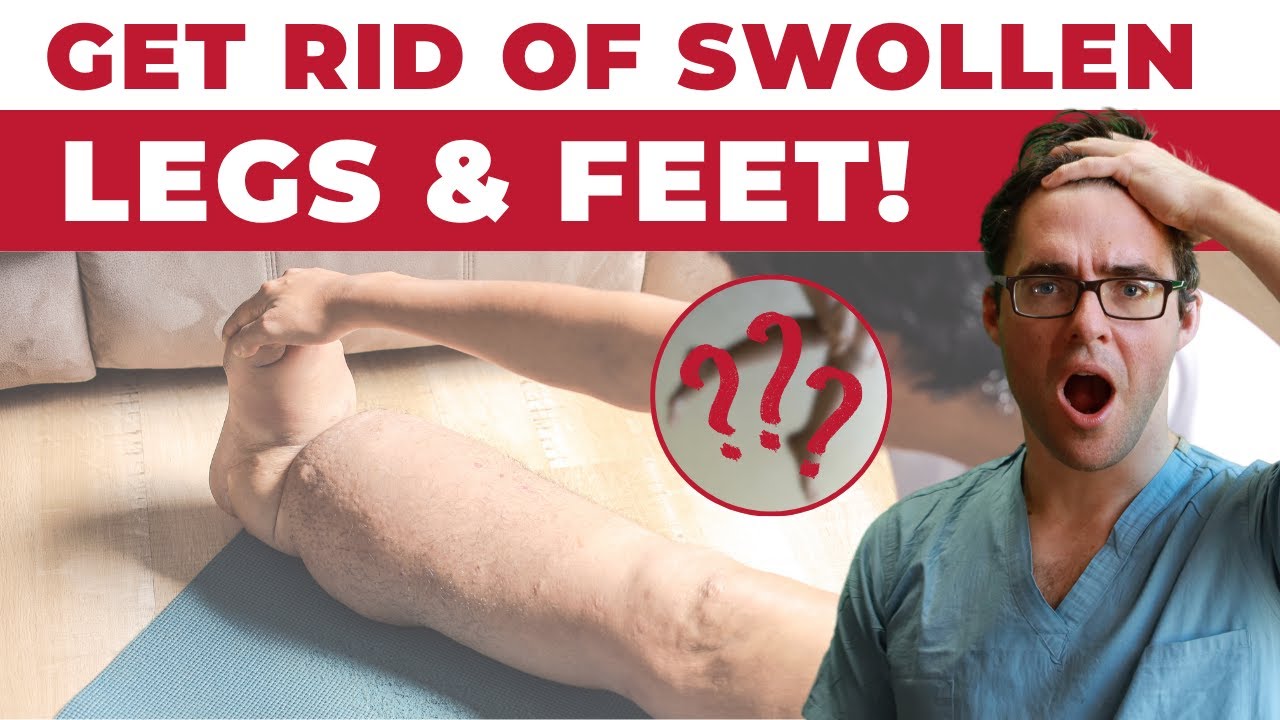
Watch: Stop These Mistakes Making Edema Swelling Worse! [Swollen Feet Ankles And Legs Fast Fix] — MichiganFootDoctors YouTube
Keeps fascia stretched overnight — the #1 intervention for morning heel pain.
Top Podiatrist-Recommended Insole

Deep heel cup + arch support unloads the plantar fascia all day.
Plantar Fasciitis Compression Sock

Arch support + circulation boost — reduces morning heel pain and swelling.
As an Amazon Associate, Balance Foot & Ankle earns from qualifying purchases. Product recommendations are based on clinical experience; prices and availability shown above update live from Amazon.

When to See a Podiatrist
If morning heel pain has persisted more than 6 weeks, home care alone rarely fixes it. At Balance Foot & Ankle, we combine in-office ultrasound diagnostics, custom orthotics, and — when needed — shockwave or PRP to resolve plantar fasciitis that hasn’t responded to stretching and inserts. Most patients are walking pain-free within 4-8 weeks of starting a structured plan.
Call Balance Foot & Ankle: (810) 206-1402 · Book online · Offices in Howell & Bloomfield Hills
In-Office Treatment at Balance Foot & Ankle
If home treatment isn’t providing relief for your foot and ankle conditions, our podiatry team at Balance Foot & Ankle can help with same-day evaluations and advanced in-office care.
Same-day appointments available. (810) 206-1402
Doctor Hoy’s Natural Pain Relief Gel
Natural topical pain relief I use in our clinic. Arnica + camphor formula — apply directly to the area 3–4x daily. ($20–25)
Shop Doctor Hoy’s →Frequently Asked Questions
When should I see a doctor?
See a podiatrist if pain persists past 2 weeks, prevents normal activity, or is accompanied by red-flag symptoms (warmth, swelling, numbness, inability to bear weight).
Can I treat this at home?
Mild cases respond to RICE protocol (rest, ice, compression, elevation), supportive shoes, and OTC anti-inflammatories. Persistent symptoms need professional evaluation.
How long does it take to heal?
Most soft tissue injuries resolve in 2-6 weeks with appropriate care. Bone injuries take 6-12 weeks. Chronic conditions need longer-term management.

Dr. Tom Biernacki, DPM is a board-certified foot & ankle surgeon (ABFAS & ABPM) at Balance Foot & Ankle Specialists in Southeast Michigan. With over a decade of clinical experience, he specializes in heel pain, bunions, diabetic foot care, sports injuries, and minimally invasive surgery. Dr. Biernacki is a member of the APMA and ACFAS, and his patient education content on MichiganFootDoctors.com and YouTube has made him one of the most-followed foot & ankle educators on YouTube.