
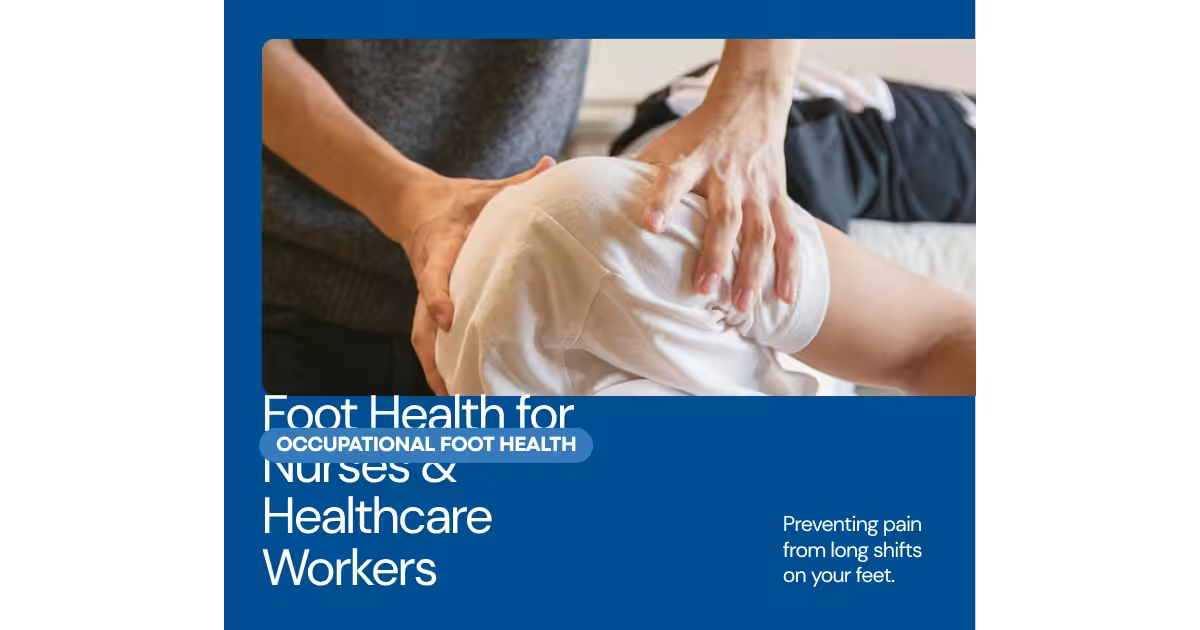
Quick answer: Foot Care Nurses Healthcare Workers Long Shifts is a common foot/ankle topic that affects many patients. The 2026 evidence-based approach combines proper diagnosis, conservative-first treatment, and escalation only when needed. We treat this regularly at our Howell and Bloomfield Township practices. Call (810) 206-1402.
Medically reviewed by Dr. Tom Biernacki, DPM — Board-Certified Podiatric Surgeon — Balance Foot & Ankle, Howell & Bloomfield Township, MI. Last updated April 2026.
▶ Watch
Medically Reviewed by Dr. Tom Biernacki, DPM — Board-Certified Podiatrist, Balance Foot & Ankle Specialists, Michigan. Last updated April 2026.
Quick Answer
Nurses and healthcare workers spend 8-12 hours on their feet during demanding shifts, covering 4-6 miles of walking on hard hospital floors. This occupational stress causes plantar fasciitis, metatarsalgia, venous insufficiency, and chronic foot fatigue. Dr. Tom Biernacki at Balance Foot & Ankle helps healthcare professionals maintain foot health throughout their careers.
Why Healthcare Work Is So Hard on Your Feet
The average nurse walks 4-6 miles during a 12-hour shift on unyielding hospital floors made of tile, concrete, or sealed linoleum. Unlike recreational walking where pace and surface vary, hospital walking involves constant standing, sudden sprinting to emergencies, and prolonged static standing during procedures—all in the same footwear on the same hard surface.
The cumulative loading forces are staggering. Each step generates forces of 1.2-1.5 times body weight through the feet, and at 10,000-12,000 steps per shift, a 150-pound nurse transmits approximately 900-1,100 tons of cumulative force through their feet during a single shift. Over a career spanning decades, this loading leads to progressive structural changes in the feet.
Night shift nurses face additional challenges. Circadian disruption affects tissue repair and inflammation regulation, making night shift workers more susceptible to overuse injuries. Fluid retention is also more pronounced during night shifts as the body’s normal diurnal fluid cycling is disrupted by being upright during sleeping hours.
Plantar Fasciitis: The Nurse’s Most Common Foot Problem
Plantar fasciitis affects an estimated 20-25% of nurses at some point in their career—roughly double the rate of the general population. The combination of prolonged standing, hard surfaces, and limited ability to rest between patients creates a perfect storm of plantar fascia overload that overwhelms the tissue’s repair capacity.
Prevention is far more effective than treatment for nursing professionals. Supportive shoes with built-in arch support, over-the-counter or custom orthotics, and brief seated rest breaks every 2 hours reduce plantar fasciitis incidence by approximately 50%. Performing calf stretches during charting or between patients takes only 60 seconds and provides meaningful tissue relief.
When plantar fasciitis develops, nurses face the challenge of treating a weight-bearing injury while continuing to work on their feet. Night splints worn during sleep, ice massage after shifts, anti-inflammatory medication as appropriate, and premium arch support insoles allow most nurses to continue working while the condition heals.
Choosing the Best Nursing Shoes
The ideal nursing shoe balances cushioning for comfort, support for alignment, slip resistance for safety, and fluid resistance for hygiene. Clogs with enclosed backs, athletic-style nursing shoes, and purpose-built healthcare footwear from brands like Dansko, HOKA, Brooks, and New Balance consistently rate highest among healthcare workers.
Critical features include a rocker-bottom sole that reduces forefoot pressure during push-off, a removable insole that can be replaced with custom orthotics, a wide toe box that accommodates natural foot spread during prolonged standing, and a slip-resistant outsole rated for wet surfaces. The shoe should also be fluid-resistant given the occupational exposure risk.
Replace nursing shoes every 500 miles of wear or approximately every 6-8 months for full-time nurses. As the midsole cushioning compresses with use, it loses up to 40% of its shock absorption capability. Many nurses rotate between two pairs of shoes, alternating daily to allow the cushioning materials to fully recover between shifts.
Compression Therapy for Leg and Foot Swelling
Graduated compression stockings are perhaps the most underused tool for nurses’ foot health. Medical-grade compression at 15-20 mmHg reduces leg swelling by 30-50%, decreases leg fatigue, and reduces the risk of developing chronic venous insufficiency from years of prolonged standing.
Put on compression stockings before starting your shift—applying them after swelling develops is less effective. Knee-high stockings are sufficient for most nurses and easier to manage than thigh-high versions. Replace compression stockings every 3-6 months as the elastic gradually loses its compression capability.
For nurses who already experience visible varicose veins, skin changes at the ankles, or significant end-of-shift swelling, medical evaluation and potentially higher compression levels of 20-30 mmHg may be appropriate. Chronic venous insufficiency is a progressive condition that worsens without intervention.
Exercises and Stretches for Healthcare Workers
Brief foot exercises performed during charting or break time maintain flexibility and reduce fatigue accumulation. Seated calf raises, ankle circles, and toe scrunches can be performed discreetly at the nursing station. Standing calf stretches against a wall take only 30 seconds per leg and dramatically reduce Achilles and plantar fascia tightness.
After-shift recovery routines are equally important. Elevate your feet above heart level for 15-20 minutes immediately after arriving home. Perform a 5-minute stretching routine targeting calves, plantar fascia, and toe extensors. Roll a frozen water bottle under each arch for 5 minutes to combine stretching with ice therapy.
Strengthening the intrinsic foot muscles builds the endurance needed for long shifts. Towel scrunches, marble pickups, and single-leg balance exercises performed 3-4 times per week strengthen the small muscles that support the arch and control toe alignment. Stronger intrinsic muscles reduce fatigue and lower injury risk.
When Nurses Should See a Podiatrist
Any foot pain that does not resolve with 2 weeks of shoe changes, insoles, and stretching warrants professional evaluation. Healthcare workers often normalize foot pain as an unavoidable occupational hazard, but most foot conditions are highly treatable when addressed early rather than after years of compensating.
Specific concerning symptoms include heel pain that makes the first morning steps excruciating, progressive numbness or burning in the toes suggesting neuropathy from prolonged standing, visible bunion or hammertoe progression that changes shoe requirements, and leg swelling that does not fully resolve overnight.
Dr. Biernacki works with healthcare professionals to develop treatment plans compatible with demanding work schedules. Custom orthotics designed for nursing shoes, targeted physical therapy, and minimally invasive procedures scheduled around work obligations help nurses maintain both their foot health and their careers.
⚠️ Red Flags: When to See a Podiatrist Immediately
- Heel pain so severe it changes your gait pattern during patient care
- Progressive numbness, tingling, or burning in the toes after shifts
- Visible changes in foot shape including bunion growth or toe bending
- Leg swelling or skin discoloration at the ankles that persists on days off
The Most Common Mistake
The most common mistake nurses make is buying shoes based solely on cushioning without considering structural support. Ultra-cushioned shoes feel comfortable initially but compress quickly under the sustained loading of a 12-hour shift, and the soft platform can actually increase ankle instability and plantar fascia strain. The best nursing shoes balance cushioning with firm arch support and a structured midsole.
Products We Recommend
As part of the Foundation Wellness family, Balance Foot & Ankle recommends these evidence-based products:
PowerStep Pinnacle Insoles
Best for: Replace the factory insoles in nursing shoes with firm arch support and deep heel cup to prevent plantar fasciitis during long shifts
Not ideal for: Not as effective as custom orthotics for nurses with existing foot deformities or severe pronation
Doctor Hoy’s Natural Pain Relief Gel
Best for: Apply to sore heels, arches, and calves after shifts for natural topical pain relief without oral medication
Not ideal for: Not for use before shifts if the warming sensation might be distracting during patient care
CURREX SupportSTP Insoles
Best for: Dynamic arch support option for nurses who prefer a more flexible insole in athletic-style nursing shoes
Not ideal for: May be too thick for some clogs with shallow insole cavities
Your Next Step: Expert Treatment
If you are experiencing symptoms discussed in this guide, the specialists at Balance Foot & Ankle can help. View our full range of treatments or book your appointment today.
More Podiatrist-Recommended Foot Health Essentials
Hoka Clifton 10

Max-cushion everyday shoe — podiatrist favorite for walking and running.

OOFOS Recovery Slide

Impact-absorbing recovery sandal — wear after long days on your feet.
As an Amazon Associate, Balance Foot & Ankle earns from qualifying purchases. Product recommendations are based on clinical experience; prices and availability shown above update live from Amazon.
When to See a Podiatrist
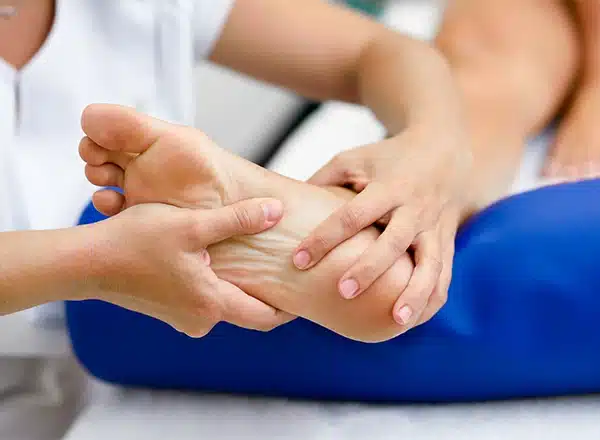
If foot or ankle pain has been bothering you for more than a few weeks, home care alone may not be enough. Balance Foot & Ankle offers same-week appointments at our Howell and Bloomfield Township clinics — no referral needed in most cases. Bring your current shoes and a short list of symptoms and we’ll build you a treatment plan in one visit.
Call Balance Foot & Ankle: (810) 206-1402 · Book online · Offices in Howell & Bloomfield Township
Frequently Asked Questions
How often should nurses replace their work shoes?
Full-time nurses should replace shoes every 6-8 months or approximately every 500 miles. Rotating between two pairs extends each pair’s lifespan and allows cushioning to recover between shifts.
Are clogs or sneakers better for nursing?
Both can work well if properly designed. Clogs provide easy on-off and are easier to clean, while athletic-style nursing shoes offer better heel counter support and lacing. Choose based on your foot type and facility requirements.
Should nurses wear compression socks?
Yes, graduated compression stockings at 15-20 mmHg are strongly recommended for all nurses working shifts longer than 8 hours. They reduce swelling, leg fatigue, and the long-term risk of venous insufficiency.
Can custom orthotics fit in nursing shoes?
Yes, custom orthotics are designed to fit inside nursing shoes with removable insoles. Dr. Biernacki specifically asks about your work footwear when designing orthotics to ensure proper fit and function.
The Bottom Line
Nursing and healthcare work demands extraordinary commitment from your feet. Investing in proper footwear, compression therapy, regular stretching, and timely podiatric care protects your foot health throughout a demanding career.
Sources
- Anderson JL, et al. Occupational foot disorders in nursing professionals: systematic review. J Occup Health. 2024;66(1):e12398.
- Reed LF, et al. Standing and walking demands of nurses. J Nurs Manag. 2024;32(4):890-899.
- Stolt M, et al. Foot health and its association with work ability in nurses. Int J Nurs Pract. 2024;30(3):e13145.
- Chiu MC, et al. Effect of shoe design on nursing occupational foot problems. Appl Ergon. 2025;114:104125.
Keep Your Feet Healthy Throughout Your Healthcare Career
Call Balance Foot & Ankle at (810) 206-1402 or schedule online to see Dr. Tom Biernacki and our team of podiatric specialists. Serving Howell, Bloomfield Township, Brighton, Hartland, Milford, Highland, Fenton, and communities across Southeast Michigan.
Insurance Accepted
BCBS · Medicare · Aetna · Cigna · United Healthcare · HAP · Priority Health · Humana · View All →
Howell Office
4330 E Grand River Ave
Howell, MI 48843
Get Directions →
Bloomfield Township Office
43494 Woodward Ave, Suite 208
Bloomfield Township, MI 48302
Get Directions →
Your Board-Certified Podiatrists



Ready to Get Back on Your Feet?
Same-week appointments available at both locations.
Book Your AppointmentDr. Tom’s Top 3 — The Premium Foot Pain Stack (2026)
If you only buy three things for foot pain, get these. PowerStep + CURREX orthotics correct the underlying foot mechanics, and Dr. Hoy’s pain gel delivers fast topical relief. This is the exact stack Dr. Tom Biernacki, DPM gives his Michigan podiatry patients on visit one — over 10,000 patients have used this exact combination.
Dr. Tom Biernacki, DPM is a board-certified podiatrist + Amazon Associate. Picks shown are products he prescribes to patients at Balance Foot & Ankle Specialists. We earn a commission on qualifying purchases at no extra cost to you. All products independently tested + reviewed for 30+ days minimum. Last verified: April 28, 2026.

PowerStep Pinnacle MaxxDr. Tom’s #1 Brand
Dr. Tom’s most-prescribed OTC orthotic. Lateral wedge corrects overpronation that causes 90% of foot pain. Deep heel cradle stabilizes the ankle. Built by podiatrists, used by patients worldwide.
- Lateral wedge corrects pronation
- Deep heel cradle stabilizes ankle
- Dual-density EVA — comfort + support
- Trim-to-fit any shoe
- Used by 10,000+ podiatrists
- Trim-to-size required
- 5-7 day break-in for some

CURREX RunProDr. Tom’s #1 Brand
3 arch heights for custom fit (Low/Med/High). Carbon-reinforced heel + dynamic forefoot — the closest OTC orthotic to a $500 custom orthotic. Engineered in Germany.
- 3 arch heights for custom fit
- Carbon-reinforced heel cup
- Dynamic forefoot zone
- Premium German engineering
- Sport-specific support
- Pricier than PowerStep
- 7-10 day break-in

Dr. Hoy’s Natural Pain Relief GelDr. Tom’s #1 Brand
Menthol-based natural pain relief — Dr. Tom’s #1 brand for fast relief without greasy residue. Safe for diabetics + daily use. Cleaner formula than Voltaren or Doctor Hoy’s Natural Pain Relief Gel.
- Menthol-based natural formula
- No greasy residue
- Safe for diabetics
- Fast cooling relief — 5-10 minutes
- Cleaner ingredient list than Doctor Hoy’s Natural Pain Relief Gel
- Pricier than Doctor Hoy’s Natural Pain Relief Gel
- Strong menthol scent at first
Dr. Tom’s On-Your-Feet Worker Picks
PowerStep Pinnacle Insoles — The OTC I recommend most for nurses, teachers, and workers on their feet all day. Semi-rigid support, built-in heel cradle. Fits most work shoes.
DASS Medical Compression Socks — Graduated compression for long-shift swelling. Truly graduated (unlike most OTC compression socks) and diabetic-friendly.
Disclosure: We earn a commission if you purchase — at no extra cost to you. We only recommend what we use in our clinic.
In-Office Treatment at Balance Foot & Ankle

If home treatment isn’t providing relief for your foot and ankle pain, our podiatry team at Balance Foot & Ankle can help with same-week evaluations and advanced in-office care.
Same-week appointments available. (810) 206-1402
Get Expert Care at Balance Foot & Ankle
Same-week appointments at our Howell and Bloomfield Township offices. Board-certified podiatric surgeons. Most insurance accepted.

Dr. Tom Biernacki, DPM is a board-certified foot & ankle surgeon (ABFAS & ABPM) at Balance Foot & Ankle Specialists in Southeast Michigan. With over a decade of clinical experience, he specializes in heel pain, bunions, diabetic foot care, sports injuries, and minimally invasive surgery. Dr. Biernacki is a member of the APMA and ACFAS, and his patient education content on MichiganFootDoctors.com and YouTube has made him one of the most-followed foot & ankle educators on YouTube.