
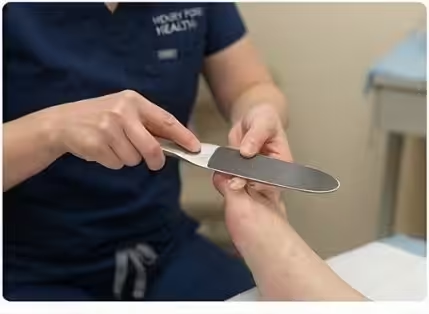
You are in the right place. Dr. Tom Biernacki, DPM, FACFAS — board-certified foot & ankle surgeon with 3,000+ surgeries — explains exactly what foot hygiene & infection prevention means and what actually works. Call (810) 206-1402 for a same-week appointment at our Howell or Bloomfield Township office.
Quick answer:Good foot hygiene prevents athlete’s foot, fungal nails, and plantar warts: wash and dry feet daily (especially between the toes), rotate shoes, wear moisture-wicking socks, and wear sandals in public showers and pools. A podiatrist can treat any infection that takes hold. Call (810) 206-1402.
Medically reviewed by Dr. Tom Biernacki, DPM — Board-Certified Podiatric Surgeon — Balance Foot & Ankle, Howell & Bloomfield Township, MI. Last updated April 2026.
Medically Reviewed by Dr. Tom Biernacki, DPM — Board-Certified Podiatrist, Balance Foot & Ankle Specialists, Michigan. Last updated April 2026.
Why Foot Hygiene Matters More Than Most People Realize
The feet are among the most infection-prone areas of the body, yet foot hygiene receives far less attention than hand hygiene in both public health messaging and individual daily routines. This neglect has consequences: athlete’s foot affects approximately 15–25% of the population at any given time; onychomycosis (fungal toenail infection) affects 10–12% of all adults and up to 50% of adults over age 70; plantar warts (verruca plantaris) are among the most common dermatological conditions seen in children and young adults. All three conditions share a critical characteristic: they are largely preventable with consistent, evidence-based foot hygiene practices.
Beyond these common infections, inadequate foot hygiene in patients with diabetes or peripheral vascular disease can directly contribute to wound complications that have life-altering consequences. Establishing good foot hygiene habits is a high-use health behavior with disproportionate benefits for foot health across the lifespan.
Daily Foot Washing Protocol
The feet should be washed daily with soap and warm water, with particular attention to the interdigital spaces (between the toes) — the warm, moist environment between the toes is the primary incubation site for tinea pedis (athlete’s foot). Many people wash their feet by allowing shower water to run over them without direct washing; this is insufficient to remove the skin scale, sweat residue, and microbial load that accumulates with daily activity. Use a washcloth or soft brush to actively clean the entire foot surface including the heel, arch, and all toe spaces.
Thorough drying is equally important. Pat — do not rub — the entire foot dry, paying careful attention to the interdigital spaces. Moisture left between the toes creates the ideal environment for dermatophyte fungal growth. A hairdryer on a low setting can assist with drying in patients who have difficulty toweling between toes due to toe deformity or limited flexibility.
Preventing Athlete’s Foot (Tinea Pedis)
Tinea pedis is a highly contagious superficial fungal infection caused primarily by Trichophyton rubrum and Trichophyton mentagrophytes. The fungi thrive in warm, moist environments and spread through direct contact with contaminated surfaces. Prevention focuses on disrupting transmission at these surfaces:
- Never walk barefoot in public areas where fungal contamination is likely: locker rooms, pool decks, gym showers, hotel bathrooms. Flip-flops or shower sandals are essential in these environments.
- Change socks daily — more frequently if feet perspire heavily. Moisture-wicking synthetic or wool socks reduce the duration of foot moisture exposure compared to cotton, which retains moisture.
- Alternate footwear to allow drying. Shoes worn daily accumulate significant moisture; rotating between two pairs of shoes allows each to dry thoroughly between uses.
- Apply antifungal powder (miconazole, clotrimazole, or tolnaftate) to shoes and socks if prone to recurrent tinea pedis.
- Treat active tinea pedis promptly — both to relieve symptoms and to prevent spread to toenails (onychomycosis). Over-the-counter topical antifungals (clotrimazole, terbinafine, miconazole) applied twice daily for 4 weeks resolve most cases. Persistent or extensive infections require prescription-strength topical or oral antifungals.
Preventing Fungal Toenail Infection (Onychomycosis)
Onychomycosis — fungal infection of the toenail plate — typically begins from adjacent tinea pedis spreading to the nail, or from direct nail trauma that allows fungal access to the subungual space. Prevention strategies include aggressive treatment of any tinea pedis (eliminating the primary source of infection), keeping toenails trimmed straight across at appropriate length (long nails accumulate debris and moisture that encourage fungal growth), and ensuring footwear provides adequate toe box room to prevent nail trauma.
Once established, onychomycosis requires months of treatment. Prevention is far preferable to treatment. Patients who have had onychomycosis previously should apply topical antifungal lacquer (ciclopirox) or efinaconazole to affected nails prophylactically after completing a successful treatment course to reduce recurrence risk.
Preventing Plantar Warts (Verruca Plantaris)
Plantar warts are caused by human papillomavirus (HPV) — specifically types 1, 2, 4, and 63 — that enters through microabrasions in the plantar skin. Transmission occurs through contaminated surfaces: pool decks, gym floors, locker rooms, and shared footwear. Prevention focuses on the same barefoot avoidance strategies used for tinea pedis prevention — consistent use of sandals in public wet areas. Prompt treatment of any plantar wart prevents satellite spread that creates large, multi-wart mosaic clusters difficult to eradicate. Any thickened, painful plantar lesion that does not resolve as expected for a callus should be evaluated by a podiatrist, as warts are frequently mistaken for calluses by patients.
Moisturization for Dry and Cracked Skin
Dry heel skin — particularly the thickened, fissured skin that develops over the heel with aging, diabetes, and prolonged standing — represents a portal for bacterial entry if fissures deepen. Daily moisturization with urea-based creams (10–20% urea is most effective), ammonium lactate lotion, or petroleum-based emollients maintains skin hydration and supple texture. Apply immediately after bathing while skin is still slightly moist for maximum absorption. Avoid applying between the toes as this encourages fungal growth.
Footwear Hygiene
Shoes and socks are significant vectors for fungal and bacterial contamination. Wash socks in hot water (above 140°F) to kill fungal spores — cold-water washing is insufficient. Use UV shoe sanitizers or antifungal shoe sprays inside footwear between uses. Replace athletic shoes every 300–500 miles or approximately every 6–12 months of regular use — old shoes accumulate microbial load and lose structural support simultaneously. Never share footwear, including flip-flops, sandals, or athletic shoes.
When to See a Podiatrist
Despite consistent hygiene practices, foot infections sometimes develop and require professional treatment. Seek podiatric evaluation for: tinea pedis that does not respond to 4 weeks of over-the-counter treatment, any signs of bacterial superinfection (increased redness, warmth, swelling, pain, or discharge), toenail changes including thickening, discoloration, or separation from the nail bed, plantar lesions that are painful or growing despite home treatment attempts, or any foot infection in the context of diabetes or circulatory compromise — where seemingly minor infections can escalate to serious complications rapidly. Balance Foot & Ankle provides prompt, effective treatment for all common foot infections in patients of all ages across Southeast Michigan.
Relief Starts With One Appointment
Board-certified podiatrists serving Southeast Michigan — same-week appointments available.
Foot Infection Treatment in Michigan
From athlete’s foot to fungal nails and plantar warts, foot infections are common but treatable. Dr. Tom Biernacki provides comprehensive infection treatment including topical and oral medications, and laser therapy at Balance Foot & Ankle.
Learn About Our Nail & Skin Treatments | Book Your Appointment | Call (810) 206-1402
Clinical References
- Havlickova B, et al. “Epidemiological trends in skin mycoses worldwide.” Mycoses. 2008;51(Suppl 4):2-15.
- Gupta AK, et al. “Optimal management of fungal infections of the skin, hair, and nails.” Am J Clin Dermatol. 2004;5(4):225-237.
- Al Hasan M, et al. “Dermatology for the practicing allergist: tinea pedis and its complications.” Clin Mol Allergy. 2004;2(1):5.
Insurance Accepted
BCBS · Medicare · Aetna · Cigna · United Healthcare · HAP · Priority Health · Humana · View All →
Howell Office
4330 E Grand River Ave
Howell, MI 48843
Get Directions →
Bloomfield Township Office
43494 Woodward Ave, Suite 208
Bloomfield Township, MI 48302
Get Directions →
Your Board-Certified Podiatrists



Ready to Get Back on Your Feet?
Same-week appointments available at both locations.
Book Your AppointmentMore Podiatrist-Recommended Fungus Essentials
Breathable Diabetic Shoe
Orthofeet Sprint — deep, breathable design reduces fungal growth.
Moisture-Wicking Sock


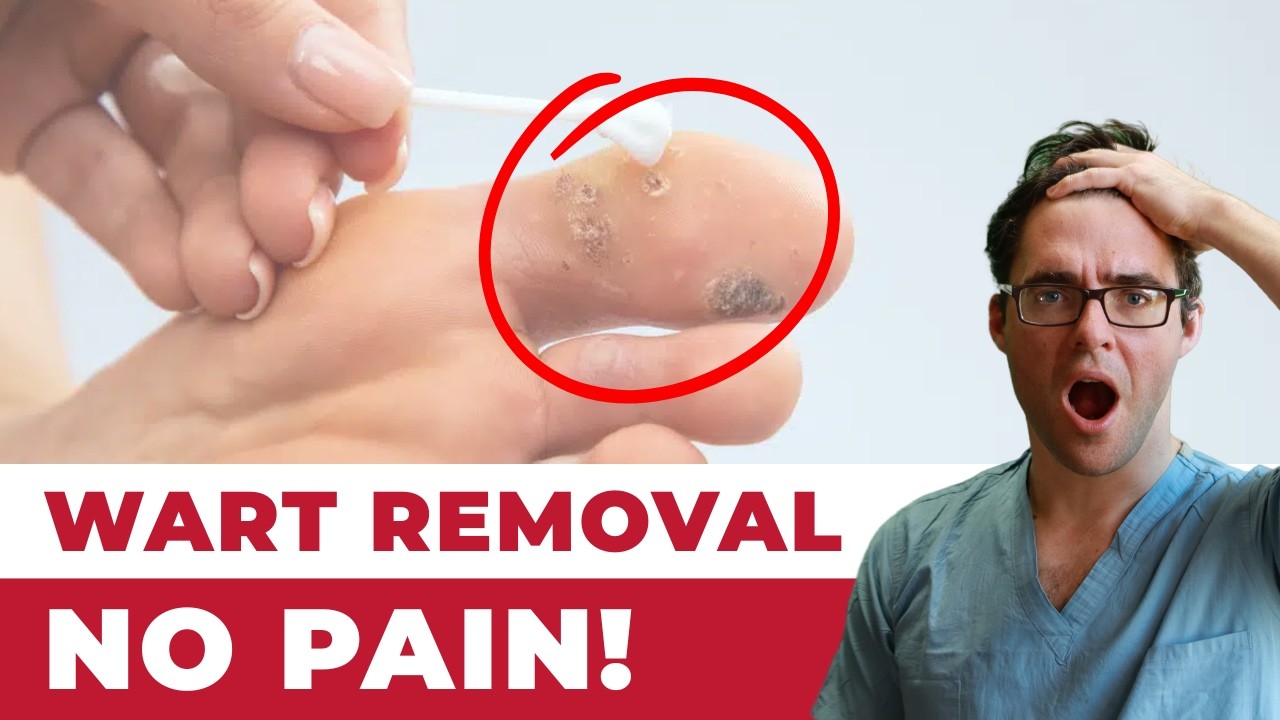
Watch: Plantar Wart Removal: How to Get Rid of a Foot Wart with No PAIN! — MichiganFootDoctors YouTube
OS1st FS4 — keeps feet dry, eliminating the warm-wet environment fungus needs.
Breathable Recovery Slide
HOKA Ora 3 — lets feet air out after closed-shoe exposure.
As an Amazon Associate, Balance Foot & Ankle earns from qualifying purchases. Product recommendations are based on clinical experience; prices and availability shown above update live from Amazon.

When to See a Podiatrist
Topicals only penetrate the top 30% of the nail plate — if the fungus is near the cuticle or under 50% of the nail, oral terbinafine or laser is usually required for full clearance. Balance Foot & Ankle offers in-office fungal nail diagnostics and laser treatment that reaches the nail matrix where topicals can’t. We’ll examine the nail and recommend the fastest path to clear, healthy regrowth.
Call Balance Foot & Ankle: (810) 206-1402 · Book online · Offices in Howell & Bloomfield Township
In Our Clinic
In our clinic, the toenail fungus patient has usually already tried OTC topical antifungals for months with no improvement. We confirm the diagnosis with a PAS stain or fungal culture — because about 30 % of thickened, discolored nails are actually NOT fungal (they’re trauma, nail psoriasis, or keratin granulation from polish). For true dermatophyte onychomycosis, oral terbinafine (Lamisil) remains the most effective treatment with ~70 % cure rate and manageable safety monitoring. Nail laser and topical efinaconazole are options for patients who can’t take oral medication. The nail grows back clear over 9–12 months, not overnight.
In-Office Treatment at Balance Foot & Ankle
When conservative care isn’t enough, Dr. Tom Biernacki and the team at Balance Foot & Ankle offer advanced, same-day options — including Foot Fungus Treatment Michigan at our Howell and Bloomfield Township clinics.
Same-week appointments available. Call (810) 206-1402 or book online.
In-Office Treatment at Balance Foot & Ankle
If home treatment isn’t providing relief for your toenail fungus, our podiatry team at Balance Foot & Ankle can help with same-week evaluations and advanced in-office care.
Same-week appointments available. (810) 206-1402
Learn about our toenail fungus laser treatment → | Book online →
Doctor Hoy’s Natural Pain Relief Gel
Natural topical pain relief I use in our clinic. Arnica + camphor formula — apply directly to the area 3–4x daily. ($20–25)
Shop Doctor Hoy’s →Frequently Asked Questions
How long does it take a toenail to grow back?
6-12 months for a full big toenail. Smaller toenails 4-6 months. Speed varies with age, circulation, and nutrition.
Will this affect other nails?
Trauma affects only the injured nail. Fungal infection can spread without treatment. Systemic causes affect multiple nails simultaneously.
Should I cover the nail or leave it open?
Cover with a breathable bandage during work or activity. Leave open at night for healing. Keep dry and clean.
What is Plantar wart?
Plantar wart is a common foot/ankle condition that affects mobility and quality of life. Understanding the underlying cause is the first step in successful treatment. Our podiatrists at Balance Foot & Ankle perform a hands-on biomechanical exam, review your activity history, and use diagnostic imaging when appropriate to identify the root cause—not just treat the symptom. Many patients have been told to “rest and ice” without a deeper diagnostic workup; our approach is different.
Symptoms and warning signs
Common signs of plantar wart include pain that worsens with activity, morning stiffness, swelling, tenderness when palpated, and difficulty bearing weight. If you experience sudden severe pain, inability to walk, visible deformity, numbness or color change, contact our office the same day or visit urgent care—these can signal a more serious injury such as a fracture, tendon rupture, or vascular compromise. Diabetics with any foot wound should seek same-day care.
Conservative treatment options
Most cases of plantar wart respond to non-surgical care: structured rest, supportive footwear changes, custom orthotics, targeted stretching and strengthening protocols, anti-inflammatory medications when medically appropriate, and in-office procedures such as ultrasound-guided injections. We also offer advanced therapies including laser therapy, EPAT/shockwave, regenerative injections, and image-guided procedures. Treatment is sequenced from least invasive to most invasive, and we explain the rationale at every step.
When is surgery considered?
Surgery is reserved for cases that fail 3-6 months of well-structured conservative care, when there is structural pathology (severe deformity, complete tear, advanced arthritis), or when imaging shows damage that will not heal without intervention. Our surgeons have performed 3,000+ foot and ankle procedures and prioritize minimally-invasive techniques whenever appropriate. We discuss recovery timelines, return-to-activity milestones, and realistic outcome expectations before any procedure is scheduled.
Recovery timeline and prevention
Recovery from plantar wart varies based on severity and chosen treatment path. Conservative cases often improve within 4-8 weeks with consistent adherence to the protocol. Post-procedural recovery may range from a few days (in-office procedures) to several months (reconstructive surgery). Long-term prevention involves footwear assessment, activity modification, structured strengthening, and regular check-ins with your podiatrist if you have a history of recurrence. We provide written home-exercise plans and digital follow-up support.
Ready to feel better?
Same-week appointments available in Howell and Bloomfield Township, Michigan.
Book Your VisitReady to fix this for good?
Reading goes only so far. The fastest path to relief is a 30-minute office visit with Dr. Biernacki — same-week, Howell or Bloomfield Township. Call (810) 206-1402 or use our online booking.

Dr. Tom Biernacki, DPM is a board-certified foot & ankle surgeon (ABFAS & ABPM) at Balance Foot & Ankle Specialists in Southeast Michigan. With over a decade of clinical experience, he specializes in heel pain, bunions, diabetic foot care, sports injuries, and minimally invasive surgery. Dr. Biernacki is a member of the APMA and ACFAS, and his patient education content on MichiganFootDoctors.com and YouTube has made him one of the most-followed foot & ankle educators on YouTube.
More questions patients ask
What is the best treatment for toenail fungus?
The most effective treatments combine approaches: oral antifungal medication (terbinafine) has a 70-80% cure rate, while laser therapy and topical treatments can be effective for milder cases. Dr. Biernacki develops individualized treatment plans based on severity, number of nails affected, and patient health history. Treatment typically takes 3-6 months due to slow nail growth. Call 810-206-1402 for evaluation.
Is toenail fungus contagious?
Yes, toenail fungus (onychomycosis) is caused by dermatophyte fungi that spread through direct contact and contaminated surfaces. High-risk environments include public pools, gym showers, and locker rooms. Prevention includes wearing shower shoes in public areas, keeping feet dry, using antifungal powder, and not sharing nail tools.
How do I know if I have toenail fungus?
Signs of toenail fungus include yellowing or whitening of the nail, thickening, crumbling edges, separation from the nail bed, and a foul odor. It can be confused with nail psoriasis, trauma, or other conditions, so professional diagnosis is recommended. Dr. Biernacki can confirm the diagnosis and rule out other conditions during an in-office evaluation.
Still have a question about coverage or cost? Book online and we will check your benefits before your visit: Book in Howell · Book in Bloomfield Township. Prefer to talk it through first? Call (810) 206-1402.