
![How To Stop Sweaty Feet & Palms! [Hyperhidrosis Treatment] | Balance Foot & Ankle](https://www.michiganfootdoctors.com/uploads/2023/05/how-to-stop-sweaty-feet-palms-hyperhidrosis-treatment.avif)

Medically Reviewed by Dr. Tom Biernacki, DPM, FACFAS — Board-certified podiatrist & foot surgeon | Balance Foot & Ankle | Last updated: May 2026
Sweaty feet (plantar hyperhidrosis) are caused by overactive eccrine sweat glands in the soles — not poor hygiene. Effective solutions include clinical-strength antiperspirants (aluminum chloride 20%), breathable moisture-wicking socks changed twice daily, copper-infused or merino wool footwear, and for severe cases, prescription treatments including iontophoresis, Botox injections, or anticholinergic medications. Chronic sweaty feet that persist despite these measures and cause skin breakdown or recurrent infections should be evaluated by a podiatrist.
Why Feet Sweat More Than Any Other Body Part
The soles of the feet contain the highest density of eccrine sweat glands in the human body — approximately 600 glands per square centimeter, compared to 150–200 per square centimeter on the palm. These glands are primarily regulated by the sympathetic nervous system and respond not just to heat but to emotional stimuli like anxiety, stress, and social situations. This is why plantar hyperhidrosis often worsens in professional or social settings regardless of temperature.
Sweaty Feet vs. Hyperhidrosis: When Does It Become a Medical Condition?
| Feature | Normal Sweating | Plantar Hyperhidrosis |
|---|---|---|
| Trigger | Heat, exercise | Minimal stimulus or none |
| Volume | Proportionate to exertion | Soaks through socks at rest |
| Social impact | Minimal | Avoidance of shoe removal, anxiety |
| Skin complications | Rare | Athlete’s foot, blisters, maceration common |
| Odor | Mild to moderate | Persistent; bacteria thrive in chronic moisture |
| Treatment needed | Hygiene adjustments | Clinical intervention often required |
Evidence-Based Treatment Ladder
Treatments for plantar hyperhidrosis are organized by severity. Start with first-line options and escalate if response is inadequate after 4–6 weeks:
- Step 1 — Clinical-strength antiperspirant: Aluminum chloride 20% (Drysol, Certain Dri) applied to dry soles at night; wash off in the morning. Most effective when applied consistently for 2–3 weeks. Available OTC; prescription-strength formulations are more concentrated.
- Step 2 — Footwear and sock protocol: Moisture-wicking merino wool or copper-infused socks changed once or twice per shift; breathable leather or mesh uppers; rotate shoes every other day to allow drying; cedar shoe inserts absorb residual moisture
- Step 3 — Foot powder and soaks: Medicated powders (Zeasorb AF) absorb moisture and inhibit fungal colonization; dilute tea tree oil or black tea foot soaks (tannic acid) reduce bacterial load and astringent the skin
- Step 4 — Iontophoresis: At-home or office-based device delivers low-level electrical current through water to temporarily block sweat gland output; requires 20–30 minute sessions 3–4× per week initially, then maintenance 1–2× per week; FDA-cleared and highly effective (80–90% response rate)
- Step 5 — Botulinum toxin (Botox) injections: Intradermal injection into the plantar surface; blocks acetylcholine release at sweat glands; results last 4–8 months; performed in-office under local anesthetic
- Step 6 — Systemic anticholinergics: Glycopyrrolate or oxybutynin reduce sweating systemically; used when plantar hyperhidrosis co-occurs with palmar or axillary hyperhidrosis
Watch: Athlete’s Foot & Fungal Infections That Come with Sweaty Feet
Plantar hyperhidrosis creates the ideal environment for athlete’s foot and fungal infections. Dr. Tom Biernacki explains the most effective treatments and the mistakes that allow these infections to keep coming back:
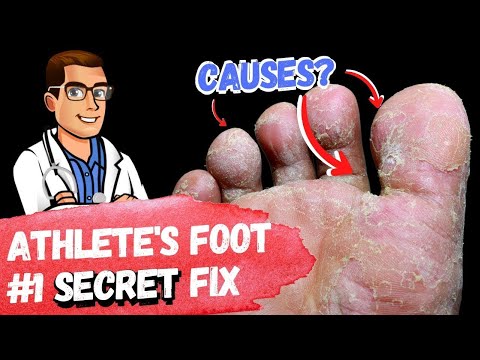
The most common mistake with sweaty feet is treating only the odor while ignoring the underlying moisture problem. Foot sprays and deodorant powders mask symptoms temporarily but don’t reduce sweat volume — so athlete’s foot, blisters, and skin maceration continue recurring. The correct sequence is: reduce moisture first (antiperspirant + sock protocol), then treat any active infection (antifungal), then maintain with rotation and drying strategy. Patients who address moisture at the source typically see odor resolve within 2–3 weeks as a byproduct, without ever needing a deodorizing product.
Frequently Asked Questions
Is there a cure for plantar hyperhidrosis?
Plantar hyperhidrosis is a chronic condition — there is no permanent cure for most patients, but it is highly manageable with the right treatment protocol. Iontophoresis and Botox injections produce the most significant sustained reductions in sweat volume. Many patients achieve near-complete control with a consistent maintenance regimen. The key is identifying which step of the treatment ladder produces adequate response for your severity level, then maintaining it consistently.
Why do my feet smell even right after showering?
Foot odor is produced by bacteria (primarily Brevibacterium linens and Staphylococcus epidermidis) that metabolize sweat, producing isovaleric acid and methanethiol — the compounds responsible for the distinctive smell. If feet are chronically moist from hyperhidrosis, bacterial colonies reestablish within minutes of showering. Effective odor control requires reducing the moisture that feeds the bacteria, not just washing more frequently. Aluminum chloride antiperspirant applied nightly, combined with daily sock changes and breathable footwear, addresses the root cause.
Can sweaty feet cause foot problems beyond odor?
Yes — chronic plantar hyperhidrosis is a risk factor for several clinical foot conditions: athlete’s foot (tinea pedis), which thrives in moist skin; toenail fungus (onychomycosis), which spreads from athlete’s foot; skin maceration and fissuring between toes, which can open portals for bacterial infection; and blisters from friction amplified by moisture. In diabetic patients, these skin breakdowns carry a significantly higher risk of serious infection and require immediate podiatric attention.
Does insurance cover Botox for sweaty feet?
Botulinum toxin injections for plantar hyperhidrosis are covered by many insurance plans when documented as medically necessary and when conservative measures (antiperspirant, iontophoresis) have failed. Documentation requirements vary by payer. At Balance Foot & Ankle, we assist with prior authorization when needed. Call (810) 206-1402 to discuss your coverage before scheduling the procedure.
Are copper-infused socks worth it for sweaty feet?
Copper-infused socks have clinical evidence supporting antimicrobial effects — copper ions inhibit bacterial and fungal growth on the sock surface, reducing odor and decreasing athlete’s foot risk in high-moisture environments. They do not reduce the volume of sweating itself, so they work best as part of a layered protocol (antiperspirant + copper socks + breathable shoes) rather than as a standalone solution. Merino wool is the alternative with similar antimicrobial properties and superior moisture management.
Sweaty Feet Causing Problems? We Have Clinical Solutions.
Iontophoresis, Botox, and prescription treatments available at Balance Foot & Ankle — Howell and Bloomfield Hills, MI. Same-day appointments. Most insurances accepted.
Related Articles
- Foot Odor: Causes & Treatment
- Athlete’s Foot Treatment
- Toenail Fungus: Diagnosis & Treatment
- Diabetic Foot Care
- When to See a Podiatrist

Dr. Tom Biernacki, DPM is a double board-certified podiatrist and foot & ankle surgeon at Balance Foot & Ankle Specialists in Southeast Michigan. With over a decade of clinical experience, he specializes in heel pain, bunions, diabetic foot care, sports injuries, and minimally invasive surgery. Dr. Biernacki is a member of the APMA and ACFAS, and his patient education content on MichiganFootDoctors.com and YouTube has reached over one million views.
- Diagnosis and Treatment of Plantar Fasciitis (PubMed / AAFP)
- Heel Pain (APMA)
- Hallux Valgus (Bunions): Evaluation and Management (PubMed)
- Bunions (Mayo Clinic)
Recommended Products from Dr. Tom