


Medically Reviewed by Dr. Tom Biernacki, DPM, FACFAS — Board-certified podiatrist & foot surgeon, Howell & Bloomfield Hills, MI | Last updated: May 2026
Thorough foot surgery preparation reduces complications, speeds recovery, and eliminates avoidable last-minute delays. The most important pre-surgery steps are: arranging a driver and home help for the first week, preparing an elevated recovery station before surgery day, stopping blood thinners and anti-inflammatories as instructed, and completing all pre-operative clearances at least 3 days before the procedure. Most foot surgery complications are preventable with proper preparation.
Complete Foot Surgery Preparation Checklist
| Timeline | Action Item | Why It Matters |
|---|---|---|
| 2–4 weeks before | Medical clearance from PCP if over 50 or with health conditions | Prevents day-of cancellations |
| 1–2 weeks before | Stop NSAIDs (ibuprofen, naproxen, aspirin) per surgeon instruction | Reduces surgical bleeding risk |
| 1 week before | Set up recovery station (recliner/bed, pillow stack, ice packs, charger, entertainment) | Prevents dangerous movement when non-weight-bearing |
| 3 days before | Fill all prescriptions (pain medication, antibiotics, anti-nausea) | Medications available immediately post-op |
| Night before | Nothing to eat or drink after midnight (unless anaesthesia team advises otherwise) | Anaesthesia safety requirement |
| Morning of surgery | No nail polish on toenails, no jewellery, no lotion on feet or legs | Pulse ox monitoring + sterile field requirements |
Home Recovery Setup: What to Have Ready Before Surgery
- Elevation station — recliner or bed with 2–3 firm pillows to raise the foot above heart level; purchase a foam leg wedge for consistent overnight elevation
- Knee scooter or crutches — confirm with your surgeon whether you will be non-weight-bearing; rent a knee scooter 2–3 days before surgery so you can practice before the anaesthesia
- Shower prep — waterproof cast bag or Limbo cover; shower chair if balance is a concern; grab bars installed if needed
- Ground-floor sleeping — stairs are dangerous on crutches or a scooter; move essentials to one floor for the first 2 weeks
- Pre-prepared meals — prepare and freeze 5–7 days of easy meals before surgery; cooking while non-weight-bearing on crutches risks falls
- Help for the first week — arrange a family member, friend, or home health aide for at least the first 3–5 days; do not plan to be self-sufficient immediately post-operatively
Watch: Foot Surgery Recovery — What to Expect
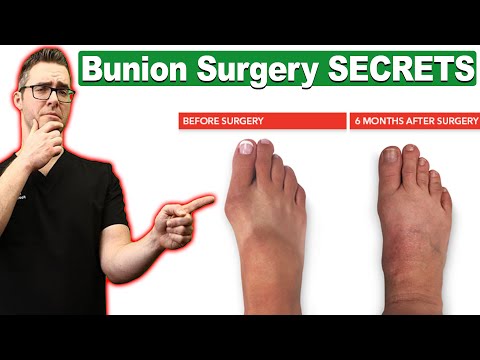
The most dangerous pre-surgery mistake patients make is continuing ibuprofen, naproxen, or aspirin right up to the day of surgery because “they didn’t think it counted.” NSAIDs significantly impair platelet function and increase surgical bleeding risk — effects that persist for 7–10 days after the last dose. Even a single 200mg ibuprofen taken 3 days before surgery can increase intraoperative bleeding. Always inform your surgeon of every medication, supplement (fish oil, vitamin E, garlic capsules also thin blood), and over-the-counter drug you are taking.
Frequently Asked Questions About Foot Surgery Preparation
How long will I be off my feet after foot surgery?
Non-weight-bearing duration varies by procedure: hammertoe correction typically requires 2–4 weeks non-weight-bearing; bunionectomy 6–8 weeks in a surgical boot; Achilles repair 6–8 weeks non-weight-bearing followed by progressive boot weaning; midfoot arthritis fusion 8–12 weeks non-weight-bearing. Your surgeon will confirm your specific protocol at pre-operative appointment. Plan your home setup and leave of absence accordingly — underestimating this period is the most common logistical preparation error.
What should I tell my surgeon before foot surgery?
Disclose all medications including over-the-counter drugs and supplements, any known drug allergies, whether you are diabetic, whether you smoke (smoking significantly impairs healing and increases infection and non-union risk), whether you have had blood clots, and your current kidney and liver status if you take prescription medications. Also inform your surgeon if you develop any illness — cold, flu, skin infection — in the 2 weeks before surgery, as this may require rescheduling.
Will I need general anaesthesia for foot surgery?
Most foot and ankle surgeries at Balance Foot & Ankle are performed under regional block (ankle block or popliteal sciatic nerve block) combined with light sedation — avoiding the risks and prolonged recovery of general anaesthesia. Regional blocks also provide excellent post-operative pain control for 12–18 hours, reducing narcotic requirements. General anaesthesia may be used for complex procedures or when regional block is not suitable for medical reasons.
Can I eat or drink anything before foot surgery?
Standard anaesthesia guidelines require nothing by mouth (NPO) after midnight for most procedures. Clear liquids (water, black coffee, clear juice — no pulp) are often permitted up to 2–4 hours before surgery. Your anaesthesia team will give you specific instructions at pre-operative clearance — follow those instructions precisely, as eating before surgery under anaesthesia is a serious aspiration risk that can result in surgery cancellation or life-threatening complications.
How do I prepare my home for foot surgery recovery?
The most important home modifications are: (1) clear all throw rugs and trip hazards from the main floor, (2) set up a recovery station within arm’s reach of bathroom access, (3) move essential items (phone charger, TV remote, medications, water, snacks) to within reach without getting up, (4) ensure the shower is accessible with a seat and grab bar if needed, (5) arrange 3–5 days of help from another person. These preparations take less than 2 hours and prevent the majority of post-operative falls and complications.
Scheduled for Foot Surgery? We’ll Walk You Through Every Step.
Dr. Tom Biernacki, DPM, FACFAS has performed 3,000+ foot & ankle surgeries. Pre-surgical consultations available at Balance Foot & Ankle — Howell & Bloomfield Hills, MI.
Book a Consultation (810) 206-1402Related: Post-surgery wound care guide · Achilles tendon rupture surgery · Plantar fascia release surgery · Hallux rigidus surgery · Wound care podiatrist

Dr. Tom Biernacki, DPM is a double board-certified podiatrist and foot & ankle surgeon at Balance Foot & Ankle Specialists in Southeast Michigan. With over a decade of clinical experience, he specializes in heel pain, bunions, diabetic foot care, sports injuries, and minimally invasive surgery. Dr. Biernacki is a member of the APMA and ACFAS, and his patient education content on MichiganFootDoctors.com and YouTube has reached over one million views.
- Diagnosis and Treatment of Plantar Fasciitis (PubMed / AAFP)
- Heel Pain (APMA)
- Hallux Valgus (Bunions): Evaluation and Management (PubMed)
- Bunions (Mayo Clinic)