
Medically reviewed by Dr. Tom Biernacki, DPM
Board-certified podiatric surgeon | Balance Foot & Ankle, Howell & Bloomfield Township, MI
Last reviewed: May 2026

| Condition | Heel Counter Requirement | Why | Recommended Counter Type |
|---|---|---|---|
| Overpronation (mild–moderate) | Firm — HIGH priority | Prevent rearfoot valgus collapse | Semi-rigid thermoplastic (stability shoe) |
| PTTD / Adult Flatfoot | Rigid — CRITICAL | Support failing PTT, prevent arch collapse | Maximum rigid counter + UCBL or AFO over shoe |
| Achilles Tendinopathy | Firm — HIGH priority | Prevent heel eversion that stresses Achilles | Rigid counter + heel lift (5–10mm) |
| Plantar Fasciitis | Firm — important | Control arch mechanics at heel | Moderate-firm counter with deep heel cup |
| Supination / High Arch (pes cavus) | Moderate — supportive | Buffer lateral loading without restricting | Flexible-firm counter with cushioned midsole |
| Haglund’s Deformity | Soft or absent — REQUIRED | Firm counter rubs Haglund’s bump causing pain | No heel counter (boat shoe, clog, backless) or very soft counter |
| Normal foot, light activity | Standard | General stability | OEM counter sufficient for most neutral shoes |
| Shoe Category | Heel Counter Firmness | Best For | Example Brands | Podiatrist Rating |
|---|---|---|---|---|
| Motion Control | Maximum rigid | Severe overpronation, PTTD Stage I–II | Brooks Addiction, ASICS Kayano, New Balance 1540 | ⭐⭐⭐⭐⭐ for PTTD |
| Stability Running | Firm semi-rigid | Mild–moderate overpronation | Brooks Adrenaline GTS, ASICS GT-2000, Saucony Guide | ⭐⭐⭐⭐ for pronation |
| Neutral Cushioned | Moderate | Normal gait, supination, high arch | HOKA Clifton, Brooks Ghost, ASICS Gel-Nimbus | ⭐⭐⭐⭐ for supination |
| Extra-Depth (therapeutic) | Firm, molded | Diabetic foot, orthotics users, wide feet | New Balance 928, Orthofeet, Drew | ⭐⭐⭐⭐⭐ for orthotics |
| Minimalist / Zero-Drop | None to minimal | Normal foot, proprioception training only | Vivobarefoot, Altra | ⭐ for pronation/PTTD |
| Athletic Cleat | Variable | Sport-specific | Under Armour, Nike, Adidas cleats | Verify counter firmness individually |

Watch: Best Insoles Orthotics 2026 Flat Feet Plantar Fasciitis Bunions — MichiganFootDoctors YouTube
Foot pain isn't resolving?
Same-week appointments at Howell & Bloomfield Township
Medically Reviewed | Dr. Tom Biernacki, DPM | Board-Certified Podiatric Surgeon | Balance Foot & Ankle, Michigan
Related Conditions
In This Article
- What is the heel counter and why does it matter?
- Why Your Shoes Are More Important Than You Think
- Signs Your Shoes Are Failing
- What a Podiatric Shoe Evaluation Includes
- Matching Footwear to Your Foot Type
- Dr. Tom's Product Recommendations
- Frequently Asked Questions
- Frequently Asked Questions
- What is Foot pain?
- Symptoms and warning signs
- Conservative treatment options
- When is surgery considered?
- Recovery timeline and prevention
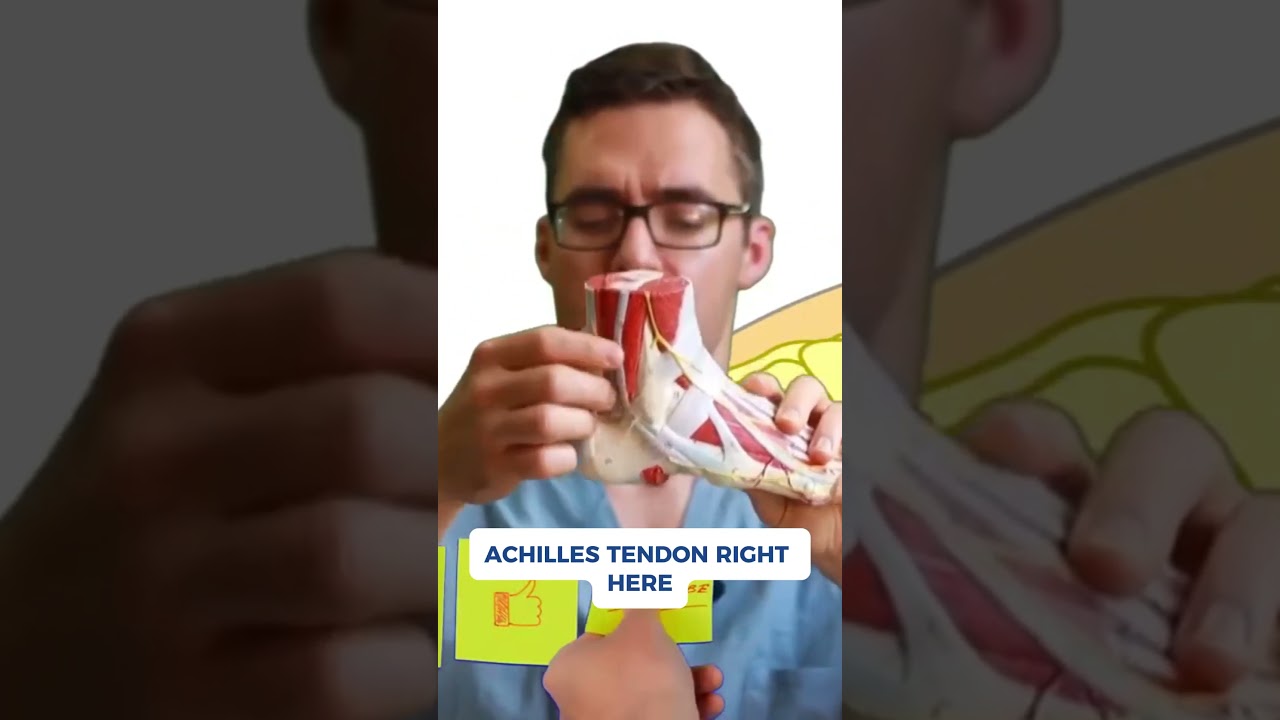

Why Your Shoes Are More Important Than You Think
Most patients don’t realize that footwear failure is one of the top causes of persistent foot and ankle pain. A shoe’s heel counter — the rigid plastic or thermoplastic structure inside the back of the shoe — is critical for controlling rear-foot motion. When it degrades, collapses, or was poorly designed from the start, the foot overpronates or supinates on every step, loading tendons and joints abnormally. Dr. Tom Biernacki includes a structured footwear evaluation in most new patient appointments because treating foot pain without addressing the shoe is often futile.
Signs Your Shoes Are Failing
Shoes typically fail structurally long before they look worn out. A heel counter has failed when it can be easily compressed inward with thumb pressure — a firm heel counter should feel nearly rigid. Midsole compression testing involves pressing on the midsole: if it feels stiff and doesn’t compress easily, it still has cushioning capacity; if it feels soft and compresses easily, the cushioning is gone. Visible wear patterns also tell a story: excessive medial (inner) wear indicates overpronation; lateral (outer) wear indicates supination. Most running shoes need replacement every 300–500 miles — most patients wear them far longer.
What a Podiatric Shoe Evaluation Includes
During Dr. Biernacki’s in-office shoe assessment, he evaluates heel counter stiffness and integrity, midsole compression fatigue, torsional rigidity of the shoe shank, toe box width relative to your foot’s forefoot width, and overall shoe-to-foot type compatibility. He brings the same evidence-based framework to shoes that he applies to every other diagnostic decision — no shoe brand deals, no conflicts of interest, just honest assessment of whether your footwear is helping or hurting you.
Matching Footwear to Your Foot Type
Proper footwear selection is based on your arch type, gait pattern, intended use, and any deformities present. An overpronating foot needs a stability or motion-control shoe with a firm medial post. A neutral or supinating foot performs best in a cushioned neutral shoe without medial wedging. Wide feet, bunions, and hammertoes require specific toe-box accommodations. Dr. Biernacki provides tailored footwear recommendations — including specific models and brands — as part of the treatment plan for most conditions he evaluates.
Dr. Tom's Product Recommendations

New Balance 860v12 Stability Running Shoe
⭐ Highly Rated
Top-rated stability running shoe with firm medial post and strong heel counter. Dr. Biernacki’s most common recommendation for overpronating patients who need structured running footwear.
Dr. Tom says: “Dr. Biernacki told me my Nikes had no heel counter left and I was overpronating. Switched to the New Balance 860 and my plantar fasciitis resolved in 6 weeks.”
Overpronating runners and walkers, flat arches, PTTD patients
Neutral or high-arch foot types (need neutral or cushion shoe)
Disclosure: We earn a commission at no extra cost to you.

Hoka Bondi 8 Maximum Cushion Shoe
⭐ Highly Rated
Maximum cushion shoe with rocker-bottom geometry and firm heel counter. Recommended for patients with heel pain, metatarsalgia, plantar fasciitis, and elderly patients needing maximum shock absorption.
Dr. Tom says: “After my custom orthotics, Dr. Biernacki said the Hoka Bondi was the best shoe to put them in. My heel is completely pain-free now.”
Plantar fasciitis, heel pain, metatarsalgia, post-surgical recovery walking
Patients who need motion control (different construction)
Disclosure: We earn a commission at no extra cost to you.

Saucony Guide 16 Stability Running Shoe
⭐ Highly Rated
Lightweight stability shoe with progressive guidance system and durable heel counter. Recommended for mild-to-moderate overpronators who need support without the bulk of a traditional stability shoe.
Dr. Tom says: “A great recommendation from Dr. Biernacki. Firm heel counter and enough support without feeling stiff. My knee pain from overpronation improved quickly.”
Mild to moderate overpronation, knee pain from gait issues, running and walking
Severe overpronators needing maximum motion control (choose NB 860)
Disclosure: We earn a commission at no extra cost to you.
✅ Pros / Benefits
- Structured in-office shoe evaluation included with most new patient appointments
- Specific shoe model recommendations based on arch type, gait, and diagnosis
- No brand conflicts — honest assessment of what your feet actually need
- Heel counter and midsole compression testing catches shoe failure before it causes injury
❌ Cons / Risks
- Patients must bring their current shoes to the appointment for meaningful evaluation
- Shoe recommendations add cost beyond the appointment — budget for replacement footwear
Dr. Tom Biernacki’s Recommendation
I test every patient’s shoes. You’d be amazed how many people are wearing shoes with completely dead midsoles and no heel counter, wondering why their plantar fasciitis won’t heal. The shoe is often the entire problem.
— Dr. Tom Biernacki, DPM | Board-Certified Podiatric Surgeon | Balance Foot & Ankle
Frequently Asked Questions
How do I know when my running shoes need replacement?
Most running shoes need replacement every 300–500 miles or 6–12 months of regular use — whichever comes first. The midsole compresses out before the upper looks worn. Dr. Biernacki can test compression fatigue in-office.
What’s the best shoe for plantar fasciitis?
Plantar fasciitis is best managed with a stability or cushioned shoe that has a firm heel counter, good arch support, and a semi-rigid midsole. Dr. Biernacki provides specific model recommendations based on your gait type.
Should I bring my shoes to my appointment?
Yes — please bring both your everyday shoes AND your athletic shoes to your appointment. Shoe evaluation is part of the standard new patient workup.
Can I wear orthotics in any shoe?
No — orthotics require a shoe with sufficient volume (depth) and a removable insole. Dr. Biernacki advises on orthotic-compatible footwear as part of the prescription process.
Michigan Foot Pain? See Dr. Biernacki In Person
4.9★ rated | 1,123 Reviews | 3,000+ Surgeries
Same-week appointments · Howell & Bloomfield Township
📞 (810) 206-1402 Book Online →Frequently Asked Questions
When should I see a podiatrist?
If symptoms persist past 2 weeks, affect your normal activity, or are accompanied by red-flag symptoms (warmth, redness, swelling, inability to bear weight).
What does treatment cost?
Most diagnostic visits and conservative treatments are covered by Medicare and major insurers. Out-of-pocket costs vary by your specific plan.
How quickly can I get an appointment?
Most non-urgent cases see us within 5 business days. Urgent cases (sudden pain, possible fracture) typically same or next business day.
Foot pain typically responds best to early podiatrist evaluation, conservative treatments such as supportive footwear and targeted physical therapy, and—when needed—custom orthotics or in-office procedures. Most patients see meaningful improvement within 4-6 weeks of starting a structured treatment plan. Schedule an evaluation at our Howell or Bloomfield Township office for a clinical assessment.
What is Foot pain?

Foot pain is a common foot/ankle condition that affects mobility and quality of life. Understanding the underlying cause is the first step in successful treatment. Our podiatrists at Balance Foot & Ankle perform a hands-on biomechanical exam, review your activity history, and use diagnostic imaging when appropriate to identify the root cause—not just treat the symptom. Many patients have been told to “rest and ice” without a deeper diagnostic workup; our approach is different.
Symptoms and warning signs
Common signs of foot pain include pain that worsens with activity, morning stiffness, swelling, tenderness when palpated, and difficulty bearing weight. If you experience sudden severe pain, inability to walk, visible deformity, numbness or color change, contact our office the same day or visit urgent care—these can signal a more serious injury such as a fracture, tendon rupture, or vascular compromise. Diabetics with any foot wound should seek same-day care.
Conservative treatment options
Most cases of foot pain respond to non-surgical care: structured rest, supportive footwear changes, custom orthotics, targeted stretching and strengthening protocols, anti-inflammatory medications when medically appropriate, and in-office procedures such as ultrasound-guided injections. We also offer advanced therapies including MLS laser therapy, EPAT/shockwave, regenerative injections, and image-guided procedures. Treatment is sequenced from least invasive to most invasive, and we explain the rationale at every step.
When is surgery considered?
Surgery is reserved for cases that fail 3-6 months of well-structured conservative care, when there is structural pathology (severe deformity, complete tear, advanced arthritis), or when imaging shows damage that will not heal without intervention. Our surgeons have performed 3,000+ foot and ankle procedures and prioritize minimally-invasive techniques whenever appropriate. We discuss recovery timelines, return-to-activity milestones, and realistic outcome expectations before any procedure is scheduled.
Recovery timeline and prevention
Recovery from foot pain varies based on severity and chosen treatment path. Conservative cases often improve within 4-8 weeks with consistent adherence to the protocol. Post-procedural recovery may range from a few days (in-office procedures) to several months (reconstructive surgery). Long-term prevention involves footwear assessment, activity modification, structured strengthening, and regular check-ins with your podiatrist if you have a history of recurrence. We provide written home-exercise plans and digital follow-up support.
Ready to feel better?
Same-week appointments available in Howell and Bloomfield Township, Michigan.
Book Your VisitFrequently Asked Questions
How long does plantar fasciitis take to heal?
Most plantar fasciitis cases resolve within 6–12 months with consistent treatment. In our clinic, patients who begin care within the first 8 weeks see 80% improvement by month 3. Chronic cases — pain lasting over a year — typically require PRP injections or surgical intervention, but fewer than 5% of our patients reach that point. Starting treatment early is the single biggest factor in shortening recovery.
Why is plantar fasciitis pain worst in the morning?
Overnight, the plantar fascia contracts in a shortened position. Your first steps stretch it abruptly, causing micro-tears at the heel attachment and sharp pain. This ‘first-step pain’ that eases after 10–15 minutes is the hallmark diagnostic sign. If your pain worsens throughout the day rather than improving, a different diagnosis — stress fracture, fat pad atrophy, or nerve entrapment — should be explored.
Can I walk or run with plantar fasciitis?
You can often continue with modifications, especially in early-stage cases. Reduce mileage by 30–50%, avoid hills and speed work, and run on softer surfaces. Add aggressive calf stretching before and after. If pain exceeds 4/10 during activity, stop — pushing through moderate-to-severe pain causes scar tissue formation that can double your recovery time. We reassess runners every 3 weeks to adjust the plan.
Does plantar fasciitis require surgery?
Surgery is required in fewer than 5% of cases. We exhaust conservative options first: custom orthotics, physical therapy, night splints, corticosteroid injections, and shockwave therapy. If those fail after 6–12 months of consistent treatment, plantar fascia release or PRP is considered. In our practice, patients who follow a structured protocol almost never reach surgery.
What shoes help plantar fasciitis the most?
The three features that matter most: firm arch support (not soft cushioning — soft foam collapses under load), a slight heel elevation of 8–12mm to reduce fascia tension, and a wide, deep toe box. Motion-control and stability shoes outperform neutral cushioned shoes for most plantar fasciitis patients. Avoid flat shoes, flip-flops, and going barefoot on hard floors entirely.
Do I need custom orthotics, or will store-bought insoles work?
For mild-to-moderate plantar fasciitis, high-quality OTC insoles (Superfeet, Powerstep) work well for about 60% of patients. Custom orthotics are worth it when: your arch collapse is severe, OTC insoles haven’t helped after 8 weeks, or you have a secondary issue like leg-length discrepancy or overpronation driving the problem. We cast custom orthotics in-office when clinically indicated — typically covered by most PPO plans.
Is plantar fasciitis the same as a heel spur?
No — they’re related but different. A heel spur is a bony calcium deposit that forms on the bottom of the heel bone; plantar fasciitis is inflammation of the fascia ligament. About 70% of patients with plantar fasciitis have a heel spur on X-ray, but the spur is rarely the source of pain. Treating the fascia inflammation resolves symptoms in most cases without removing the spur.
What stretches actually work for plantar fasciitis?
The two most evidence-supported stretches: (1) Seated towel stretch — loop a towel around your foot, pull toes toward you, hold 30 seconds, repeat 3x before getting out of bed. (2) Calf-wall stretch with a straight knee and a bent knee — targets both the gastrocnemius and soleus. Research shows stretching 3x daily reduces symptoms significantly within 8 weeks. The Strassburg sock worn overnight is the highest-impact passive stretch available.
Can plantar fasciitis come back after it heals?
Yes — recurrence rate is 15–25% in the first year without maintenance. The three biggest recurrence triggers: returning to the shoes that caused the problem, stopping stretching when pain disappears, and sudden increases in activity. Patients who continue daily stretching, wear supportive footwear consistently, and use orthotics long-term have recurrence rates under 5% in our practice.
When should I see a podiatrist for heel pain?
See a podiatrist if: pain is severe and limits daily walking, pain hasn’t improved after 4 weeks of rest and stretching, pain is getting progressively worse, you’re having pain at night or at rest, or the pain is on the back or side of your heel rather than the bottom. Night and resting pain can indicate stress fractures, nerve compression, or Achilles pathology — conditions that need imaging to rule out.
What’s the difference between plantar fasciitis and tarsal tunnel syndrome?
Both cause heel pain but feel different. Plantar fasciitis pain is sharp, focal, and worst with first steps. Tarsal tunnel pain is burning, tingling, or electric — often radiating into the arch and toes — and worsens with prolonged standing. Tarsal tunnel is nerve compression (like carpal tunnel in the wrist); plantar fasciitis is ligament degeneration. A nerve conduction study and Tinel’s sign test differentiate them. Misdiagnosis is common — about 20% of chronic plantar fasciitis cases are actually tarsal tunnel.
In-Office Treatment at Balance Foot & Ankle
If home treatment isn’t providing relief for your foot and ankle issues, our podiatry team at Balance Foot & Ankle can help with same-day evaluations and advanced in-office care.
Ready to Get Relief?
Same-day appointments available in Howell & Bloomfield Township, MI
4.9★ | 1,123 Reviews | 3,000+ Surgeries
Or call: (810) 206-1402

Dr. Tom Biernacki, DPM is a board-certified foot & ankle surgeon (ABFAS & ABPM) at Balance Foot & Ankle Specialists in Southeast Michigan. With over a decade of clinical experience, he specializes in heel pain, bunions, diabetic foot care, sports injuries, and minimally invasive surgery. Dr. Biernacki is a member of the APMA and ACFAS, and his patient education content on MichiganFootDoctors.com and YouTube has made him one of the most-followed foot & ankle educators on YouTube.