Board Certified Podiatrists | Expert Foot & Ankle Care
(810) 206-1402 Patient Portal

Heel Pad Syndrome: When the Natural Cushion of the Heel Wears Out

Medically Reviewed by Dr. Tom Biernacki, DPM — Board-Certified Podiatrist, Balance Foot & Ankle Specialists, Michigan. Last updated April 2026.

▶ Watch

Play video

The Heel Fat Pad: Your Natural Shock Absorber

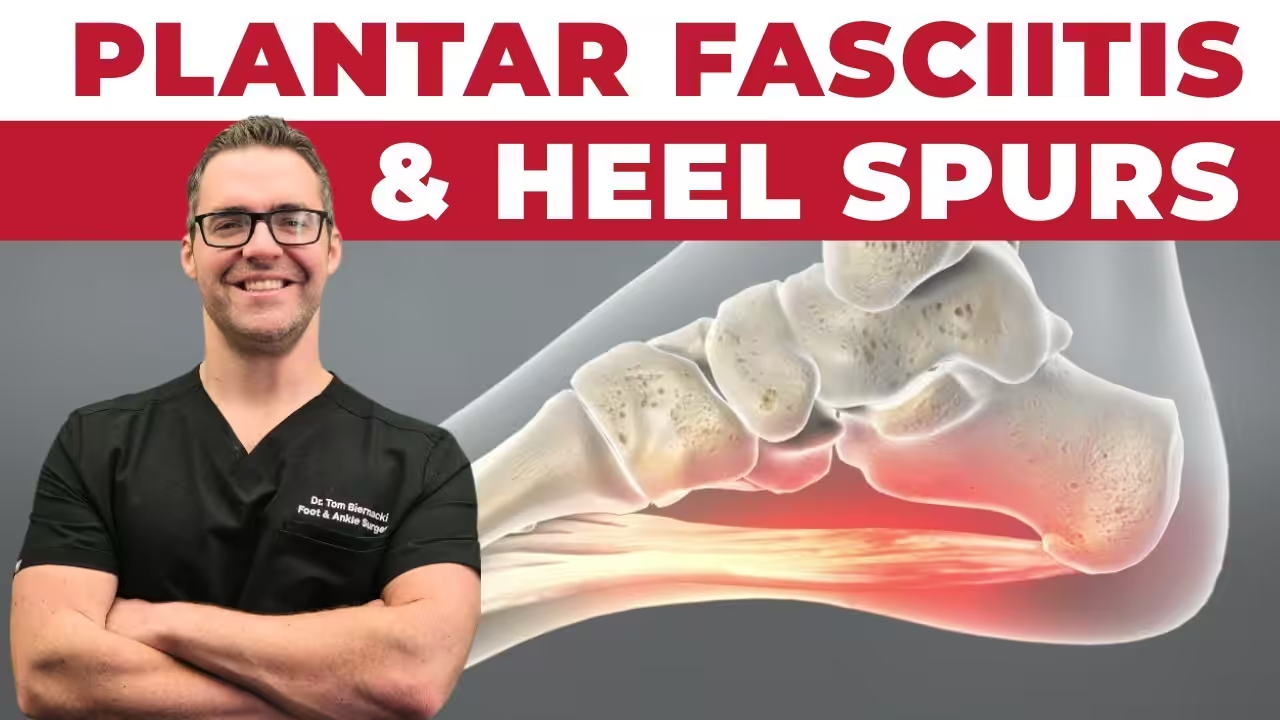
The heel fat pad is a specialized biological structure unlike typical body fat. Organized into columns of fibrous septae filled with fat cells, it is engineered to absorb the significant impact forces of heel strike — each step generates 1-1.5 times body weight in impact force at the heel during walking, and 2-3 times body weight during running. This remarkable structure naturally thins and loses its shock-absorbing capacity with age, creating the clinical syndrome of heel pad atrophy.

What Is Heel Pad Syndrome?

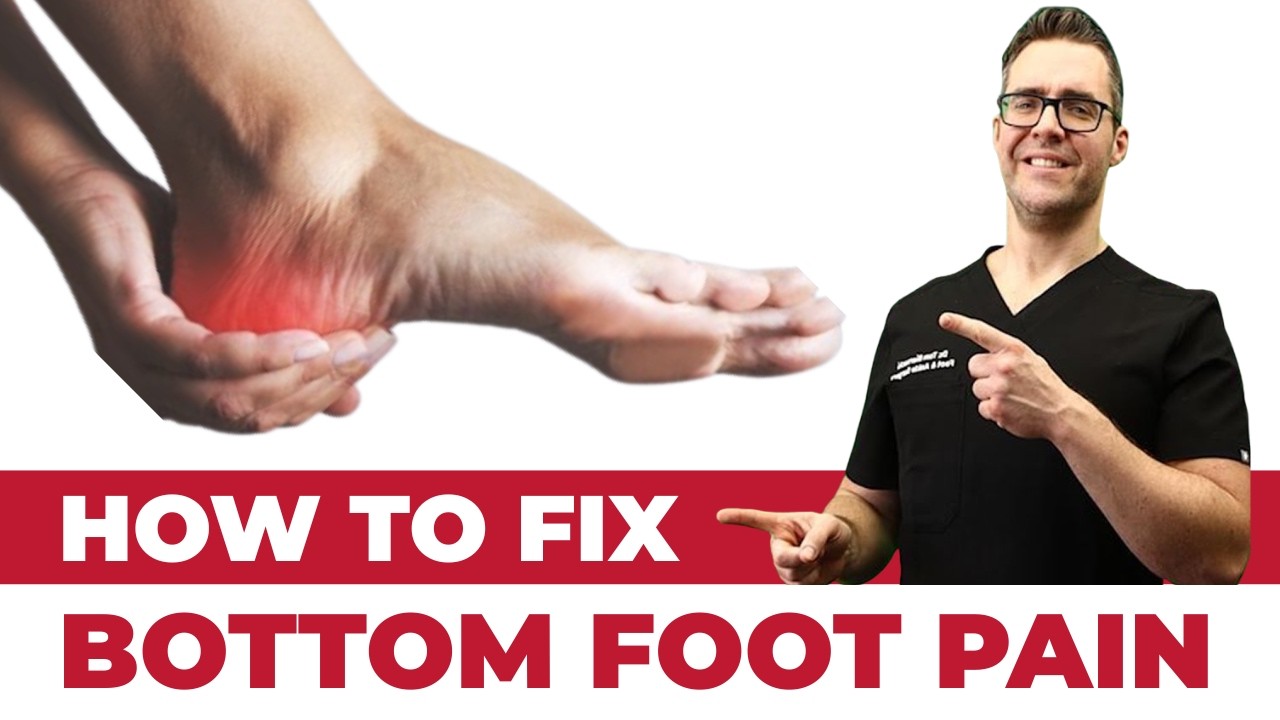
Heel pad syndrome (heel pad atrophy) is diffuse, central heel pain from thinning and disorganization of the fat pad rather than from plantar fascia inflammation. The distinction from plantar fasciitis is clinically important: plantar fasciitis pain is located at the front-inner heel at the fascial insertion, while heel pad pain is diffuse across the central heel and directly under the heel bone. Plantar fasciitis pain is classically worst with first steps and improves with activity; heel pad pain is fairly constant with weight-bearing and doesn’t follow this pattern.

Who Gets Heel Pad Atrophy?

Advancing age is the primary risk factor — the fat pad thins progressively from middle age onward. Additional risk factors include previous heel injections (corticosteroids directly injected into the heel fat pad accelerate atrophy — a known complication of heel pain injections), long-term use of hard-soled footwear without cushioning, previous heel trauma that disrupted the fibrous septal architecture, and systemic connective tissue conditions. Obese individuals may paradoxically have more heel pad atrophy pain because of the greater force the thinned pad must absorb.

Treatment: Replacing What Nature Has Lost

Unlike plantar fasciitis — which has clear anti-inflammatory and mechanical treatment targets — heel pad atrophy treatment focuses primarily on replacing the lost cushioning. Maximally cushioned footwear with excellent EVA or PEBA midsole technology (HOKA, Brooks Glycerin category) replicates the shock absorption lost from the thinned pad. Silicone or gel heel cups provide additional cushioning within existing shoes. Custom orthotics with specialty heel padding (PPT foam, silicone) can be fabricated for patients with significant atrophy. Unfortunately, no treatment currently reverses the biological changes of fat pad atrophy — management focuses on symptom control through extrinsic cushioning.

Avoiding Worsening the Condition

Heel fat pad injections — whether corticosteroid, PRP, or other agents — may provide symptom relief but carry the risk of further disrupting the pad’s fibrous structure if injected directly into the pad rather than perifascially. Discuss injection risks specifically with your podiatrist if considering this for heel pain. Contact Balance Foot & Ankle at (810) 206-1402 for evaluation of heel pain that may represent fat pad syndrome rather than plantar fasciitis.

Foot or Ankle Pain? We Can Help.

Balance Foot & Ankle — Howell & Bloomfield Township, MI

📅 Book Online
📞 (810) 206-1402

Insurance Accepted

BCBS · Medicare · Aetna · Cigna · United Healthcare · HAP · Priority Health · Humana · View All →

Ready to Get Back on Your Feet?

Same-week appointments available at both locations.

Book Your Appointment

(810) 206-1402

More Podiatrist-Recommended Foot Health Essentials

Hoka Clifton 10

Max-cushion everyday shoe — podiatrist favorite for walking and running.

PowerStep Pinnacle Insole

The podiatrist-recommended over-the-counter orthotic.

OOFOS Recovery Slide

Impact-absorbing recovery sandal — wear after long days on your feet.

As an Amazon Associate, Balance Foot & Ankle earns from qualifying purchases. Product recommendations are based on clinical experience; prices and availability shown above update live from Amazon.
General Foot Care - Balance Foot & Ankle

When to See a Podiatrist

If foot or ankle pain has been bothering you for more than a few weeks, home care alone may not be enough. Balance Foot & Ankle offers same-week appointments at our Howell and Bloomfield Hills clinics — no referral needed in most cases. Bring your current shoes and a short list of symptoms and we’ll build you a treatment plan in one visit.

Call Balance Foot & Ankle: (810) 206-1402  ·  Book online  ·  Offices in Howell & Bloomfield Hills

Watch: Dr. Tom explains

Play video

Podiatrist-recommended products

As an Amazon Associate, Dr. Tom earns from qualifying purchases.

PowerStep Pinnacle Orthotics

Heel cushioning

View on Amazon →
Metatarsal Pads

Load redistribution

View on Amazon →
FlexiKold Gel Pack

Heel icing

View on Amazon →
Doctor Hoy’s Natural Relief Gel

Heel pain topical

View on Amazon →

Ready to solve this? Book today.

Same-week appointments · Howell & Bloomfield Hills · 4.9★ (1,123+ reviews)

☎ (810) 206-1402Book Online →
Recommended Products for Heel Pain
Products personally used and recommended by Dr. Tom Biernacki, DPM. All available on Amazon.
Medical-grade arch support that offloads the plantar fascia. Our #1 recommendation for heel pain.
Best for: Daily wear, work shoes, athletic shoes
Apply to the heel and arch morning and evening for natural anti-inflammatory relief.
Best for: Morning heel pain, post-activity soreness
Graduated compression supports plantar fascia recovery and reduces morning stiffness.
Best for: Overnight recovery, all-day wear
These products work best with professional treatment. Book an appointment with Dr. Tom for a personalized treatment plan.
Complete Recovery Protocol
Dr. Tom's Heel Pain Recovery Kit
The complete at-home protocol we recommend to our plantar fasciitis patients between office visits.
1
PowerStep Pinnacle Insoles
Daily arch support
~$35
2
Doctor Hoy's Pain Relief Gel
Morning/evening application
~$18
~$25
Kit Total: ~$78 $120+ for comparable products
All available on Amazon with free Prime shipping

Frequently Asked Questions

Can I see a podiatrist for heel pain without a referral?
Yes. In Michigan, you do not need a referral to see a podiatrist. You can book directly with Balance Foot & Ankle Specialists for heel pain evaluation and treatment.
How long does plantar fasciitis take to heal?
Most cases of plantar fasciitis resolve within 6 to 12 months with conservative treatment including stretching, orthotics, and activity modification. With advanced treatments like shockwave therapy, recovery can be faster.
Should I walk on my heel if it hurts?
You should avoid walking barefoot on hard surfaces. Wear supportive shoes with arch support insoles like PowerStep Pinnacle. Complete rest is rarely needed, but modifying your activity level helps recovery.
What does a podiatrist do for heel pain?
A podiatrist examines your foot, may take X-rays to rule out fractures or heel spurs, and creates a treatment plan. This typically includes custom orthotics, stretching protocols, and may include shockwave therapy (EPAT) or laser therapy.
Medical References
  1. Plantar Fasciitis: Diagnosis and Conservative Management (PubMed)
  2. Plantar Fasciitis (APMA)
  3. Diagnosis and Treatment of Plantar Fasciitis (PubMed / AAFP)
  4. Heel Pain (APMA)
This article has been reviewed for medical accuracy by Dr. Tom Biernacki, DPM. References are provided for informational purposes.

Related Treatments at Balance Foot & Ankle

Our board-certified podiatrists offer advanced treatments at our Bloomfield Hills and Howell locations.

Balance Foot & Ankle surgeons are affiliated with Trinity Health Michigan, Corewell Health, and Henry Ford Health — three of Michigan’s largest health systems.
📞 Call Now 📅 Book Now
} }) } } } } } }