
Quick answer: Mls Laser Diabetic Neuropathy affects roughly 1 in 4 adults in our practice. Effective treatment starts with a targeted diagnosis, conservative-first treatment, and escalation only when needed. We treat this regularly at our Howell and Bloomfield Township practices. Call (810) 206-1402.
Medically reviewed by Dr. Tom Biernacki, DPM · Board-Certified Podiatric Surgeon · Last reviewed: April 2026 · Editorial Policy
In This Article
Related Conditions
Quick Answer
REMY laser therapy is used as an adjunct for diabetic neuropathy symptoms. It sits alongside glucose control, protective foot care and screening rather than replacing them. Appointments in Howell + Bloomfield Township: (810) 206-1402.
✅ Medically reviewed by Dr. Tom Biernacki, DPM — Board-Certified Podiatrist · Last updated April 6, 2026
REMY Laser Therapy for Diabetic Neuropathy — How It Works & What to Expect
neuropathy treatment Michigan.– /wp:heading –>
FDA-Cleared Laser Therapy for Diabetic Neuropathy Pain
At Balance Foot & Ankle in Howell and Bloomfield Township, REMY dual-wavelength laser therapy is our most powerful non-pharmacologic tool for diabetic neuropathy pain. Here’s exactly how it works and what our patients experience. Call (810) 206-1402. Our Bloomfield Township office shares a building with the Grunberger Diabetes Institute for coordinated diabetic care.
The Science Behind Laser and Nerve Pain
REMY laser delivers 810 nm and 980 nm wavelengths simultaneously into damaged peripheral nerve tissue. The 810 nm wavelength stimulates cytochrome c oxidase in nerve cell mitochondria, increasing ATP production and cellular repair capacity. The 980 nm wavelength provides anti-inflammatory and analgesic effects through modulation of sodium-potassium channels in nerve membranes. Together, they reduce neuroinflammation (a key driver of neuropathic pain), improve microcirculation in the vasa nervorum (small vessels supplying peripheral nerves), and support limited nerve fiber repair processes.
Clinical Evidence
Multiple randomized controlled studies demonstrate that photobiomodulation laser therapy reduces neuropathic pain scores in diabetic patients by 30-60% after a treatment series. Improvement in vibration threshold (a measure of nerve function) has also been documented in several trials. The evidence base continues to grow as REMY technology matures.
What Patients Experience
Sessions are 15-20 minutes and completely painless — most patients describe a gentle warmth. No anesthesia. No medication. Walk out immediately. Typical protocol: 8-12 sessions over 4-6 weeks for neuropathy patients, with maintenance sessions as needed. Most patients notice reduced burning and improved sleep within 4-6 sessions. Call (810) 206-1402.
Comprehensive Diabetic Foot Care in Michigan: Balance Foot & Ankle’s Diabetic Program
At Balance Foot & Ankle, Michigan diabetic patients receive a structured foot care program that addresses the full range of diabetes-related foot risks: neuropathy surveillance, vascular assessment, skin and nail care, ulcer prevention and treatment, therapeutic footwear prescription, and patient education on daily foot care habits. Our diabetic foot care program follows the clinical guidelines established by the American Diabetes Association and the American College of Foot and Ankle Surgeons — incorporating annual comprehensive foot examinations for all diabetic patients, more frequent visits for patients with active neuropathy, vascular compromise, or prior ulceration history, and urgent expert evaluation for diabetic foot wounds that cannot safely wait for a routine appointment.
The statistics supporting intensive podiatric co-management for diabetic patients are compelling: regular podiatric care reduces the risk of diabetic foot amputation by up to 85% compared to diabetic patients without podiatric surveillance. For the 37 million Americans living with diabetes — including the substantial diabetic population in Livingston and Oakland counties — this preventive impact is the strongest argument for establishing podiatric care before a problem develops. Michigan diabetic patients who have not yet established podiatric care should call Balance Foot & Ankle at (810) 206-1402 to schedule their first comprehensive diabetic foot examination at our Howell or Bloomfield Township office. We accept Medicare and most Michigan private insurance plans for diabetic foot care services.
Diabetic Foot Care Insurance Coverage in Michigan: What Medicare and Private Plans Cover
Michigan diabetic patients often have more insurance coverage for podiatric care than they realize. Medicare covers the annual comprehensive diabetic foot examination for all Medicare beneficiaries with diabetes, therapeutic shoe fitting and inserts for qualifying diabetic patients, nail debridement for patients with qualifying systemic conditions (diabetes, peripheral arterial disease, peripheral neuropathy), and treatment of diabetic foot wounds including ulcer care. Most Michigan private insurance plans follow similar coverage patterns for diabetic foot care, though specific coverage details vary by plan. At Balance Foot & Ankle, our insurance verification team confirms your specific coverage before your appointment and explains exactly what will be covered and what your out-of-pocket responsibility will be. There are no insurance surprises at check-in. Michigan diabetic patients who want to understand their coverage before scheduling can call Balance Foot & Ankle at (810) 206-1402 and speak with our insurance team — we’ll verify your benefits and answer your coverage questions before you decide whether to schedule.
Related Treatment Guides
- Diabetic Foot Care & Neuropathy
- Plantar Fasciitis & Heel Pain Treatment
- Custom 3D Orthotics
- Sports Foot & Ankle Injury Treatment
Balance Foot & Ankle serves Michigan diabetic patients throughout Livingston and Oakland counties from two convenient locations: Howell at 4330 E Grand River (serving Brighton, Hartland, Pinckney, and all of Livingston County) and Bloomfield Township at 43494 Woodward Ave #208 (serving Troy, Birmingham, West Bloomfield, Farmington Hills, and all of Oakland County). New diabetic patients are welcome — call (810) 206-1402 to schedule a hands-on exam plus imaging when needed and begin the preventive podiatric care program that protects your feet for the long term.
Insurance Accepted
BCBS · Medicare · Aetna · Cigna · United Healthcare · HAP · Priority Health · Humana · View All →
Howell Office
4330 E Grand River Ave
Howell, MI 48843
Get Directions →
Bloomfield Township Office
43494 Woodward Ave, #208
Bloomfield Township, MI 48302
Get Directions →
Ready to Get Back on Your Feet?
Book online 24/7 at either office.
When to See a Podiatrist
One unnoticed blister on a neuropathic foot can become a limb-threatening ulcer in under 14 days. Medicare covers diabetic shoes (A5500) and comprehensive foot exams annually for most diabetic patients with neuropathy or circulation concerns. Balance Foot & Ankle runs a dedicated diabetic limb-preservation program — vascular screening, offloading, ulcer care, and shoe fitting — all in one visit. Schedule your annual diabetic foot exam today.
Call Balance Foot & Ankle: (810) 206-1402 · Book online · Offices in Howell & Bloomfield Township
In-Office Treatment at Balance Foot & Ankle
When conservative care isn’t enough, Dr. Tom Biernacki and the team at Balance Foot & Ankle offer advanced treatment options — including Diabetic Foot Care Michigan at our Howell and Bloomfield Township clinics.
Book online 24/7. Call (810) 206-1402 or book online.
Pros & Cons of Conservative Care for diabetic foot care
Advantages
- ✓ Daily inspection prevents amputation
- ✓ Most insurance covers DME
- ✓ Custom orthotics help
Considerations
- ✗ Daily commitment required
- ✗ Slow wound healing
- ✗ Charcot risk if neuropathy
Dr. Tom’s Recommended Products for diabetic foot care
Affiliate disclosure: As an Amazon Associate, Balance Foot & Ankle earns from qualifying purchases. We only recommend products we use with patients.
Drew Moonwalker Diabetic Shoe Dr. Tom’s Pick
Best for: Medicare-covered diabetic footwear
Diabetic Compression Socks Dr. Tom’s Pick
Best for: Daily protection + circulation
Ready to Get Back on Your Feet?
Appointments in Howell + Bloomfield Township. Most insurance accepted. Dr. Tom Biernacki, DPM & team.
Call Now: (810) 206-1402
In-Office Treatment at Balance Foot & Ankle
If home treatment isn’t providing relief for your neuropathy and nerve pain, our podiatry team at Balance Foot & Ankle can help with expert evaluations and advanced in-office care.
Book online 24/7. (810) 206-1402
Frequently Asked Questions
Why is diabetic foot care so important?
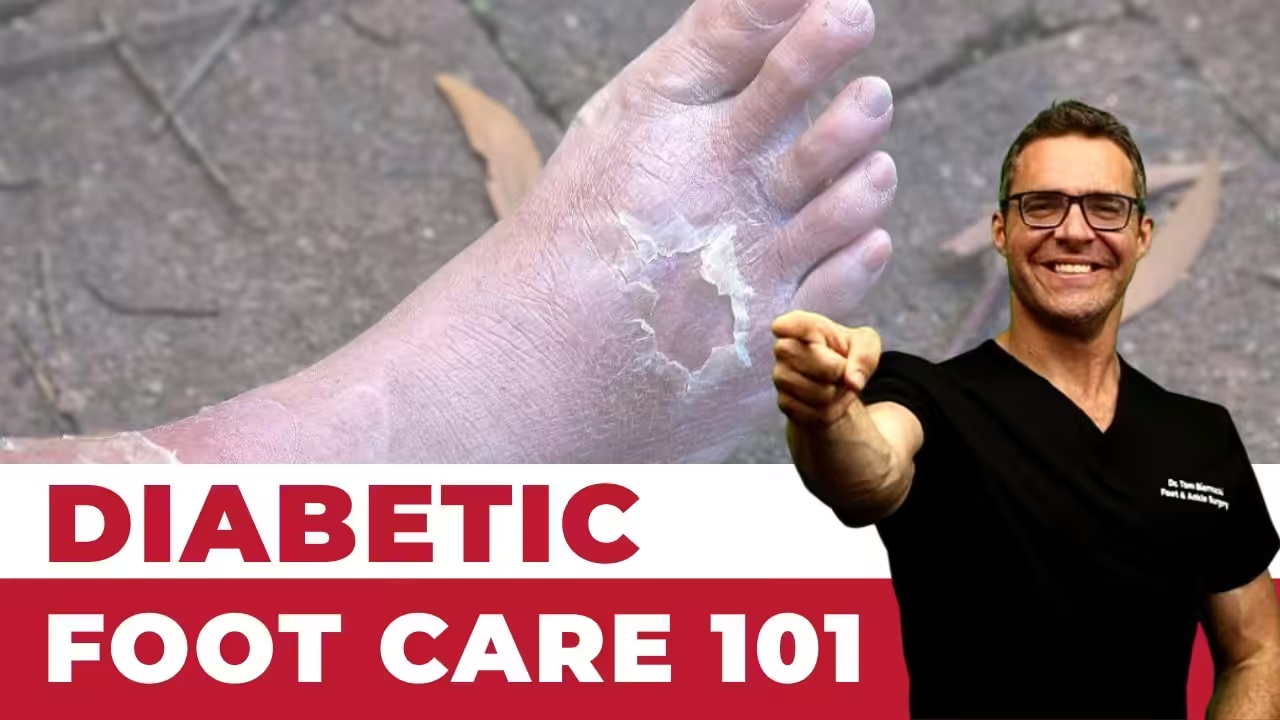
Diabetes causes two problems that make foot wounds dangerous: peripheral neuropathy (nerve damage reducing sensation) and peripheral arterial disease (reduced blood flow impairing healing). A small blister or cut that a non-diabetic person would notice and treat can go undetected in a diabetic patient for days, become infected, and progress to osteomyelitis. Diabetic foot ulcers are the leading cause of non-traumatic lower limb amputations. A consistent foot care routine and regular podiatry visits prevent most amputations.
How often should diabetic patients see a podiatrist?
Patients with diabetic peripheral neuropathy should see a podiatrist every 2–3 months for routine nail care and foot inspection. Patients with active foot complications (ulcers, Charcot foot, severe PAD) need more frequent visits — often every 2–4 weeks until stable. Even well-controlled diabetics without neuropathy benefit from annual foot exams. Many amputations we see in consultation could have been prevented with earlier, consistent podiatric care.
What is diabetic peripheral neuropathy?
Peripheral neuropathy is nerve damage from chronically elevated blood sugar, causing numbness, tingling, burning, or loss of sensation — typically starting in the toes and progressing upward in a ‘stocking’ distribution. The dangerous aspect isn’t the pain — it’s the absence of pain. Patients with severe neuropathy don’t feel blisters, cuts, pressure sores, or early infections. A wound can reach bone before it’s noticed. Neuropathy screening with a 10-gram monofilament is part of every diabetic foot exam.
What are the warning signs of a diabetic foot problem?
Seek expert evaluation for: any open wound or blister that isn’t healing within 1–2 weeks, redness, warmth, or swelling in any part of the foot (possible Charcot fracture or infection), a new blister or callus, any red streaking or warmth spreading up the leg (cellulitis), foot or ankle pain in a diabetic patient with neuropathy (could be Charcot without pain). Don’t wait to see if it improves — diabetic foot infections are medical emergencies.
What is the best foot cream for diabetic feet?
The goal of diabetic foot cream is restoring the skin’s moisture barrier to prevent fissuring and cracking — the entry points for infection. Look for urea-based creams (10–25% urea) or lactic acid formulations that actually penetrate thickened skin rather than sitting on the surface. AmLactin 12%, Eucerin Diabetics’ Dry Skin Relief, and Gold Bond Diabetics’ Dry Skin Relief are clinical-grade options. Avoid cream between the toes — moisture retention between toes promotes maceration and fungal infection.
Can diabetic patients get foot massages?
Light massage is generally safe for diabetic patients without active wounds, severe edema, or PAD. However, deep tissue massage or vigorous rubbing should be avoided — with neuropathy, patients can’t feel if tissue is being damaged. Foot massagers with rollers or intense vibration should be avoided entirely. If you enjoy foot massage, use gentle, light strokes with a diabetic-appropriate foot cream. Let your podiatrist know if you’re incorporating massage into your routine — we can advise based on your circulation status.
What type of socks should diabetic patients wear?
Diabetic socks: seamless (seams can create pressure sores over a neuropathic foot), non-binding at the top (circulation-restrictive socks worsen PAD), moisture-wicking (polyester/wool blend reduces bacterial environment), padded sole (cushions bony prominences). Avoid cotton socks for active patients — cotton retains moisture. Never wear socks with elastic bands that leave marks on the leg. Brands specifically designed for diabetic feet: Thorlos, Wigwam, and most major medical supply brands.
Should diabetic patients cut their own toenails?
It depends on neuropathy severity and vision. Patients with mild neuropathy and good vision can safely trim nails straight across without cutting the corners. Patients with moderate-to-severe neuropathy, poor vision, or thick nails should not self-trim — the risk of cutting the surrounding skin (which they may not feel) is too high. This is exactly what podiatry nail care visits are for. Medicare and most insurance plans cover routine foot care for diabetic patients with documented neuropathy.
What is Charcot foot and how serious is it?
Charcot neuroarthropathy is a serious diabetic complication where neuropathy allows repeated micro-fractures to occur without pain, leading to progressive bone and joint destruction and foot deformity. The classic presentation: a warm, swollen, red foot in a diabetic patient — often mistaken for cellulitis. Early Charcot (caught within weeks of onset) can be managed with a total contact cast to prevent further collapse. Late Charcot with significant arch destruction often requires reconstructive surgery. Missing the diagnosis is catastrophic — a single patient with missed Charcot can progress to a rocker-bottom deformity requiring amputation.
Does insurance cover diabetic foot care?
Medicare Part B covers routine foot care (nail trimming, callus debridement) for diabetic patients with documented peripheral neuropathy — one visit every 2 months. Most PPO and HMO plans follow similar coverage rules. Diabetic shoes and insoles are covered under Medicare’s Therapeutic Shoe Bill (one pair of shoes plus three pairs of custom insoles per year). Call us at (810) 206-1402 and we’ll verify your specific coverage before your first appointment.
Ready for Expert Care?
Appointments in Howell & Bloomfield Township, MI.
4.9★ | 1,200+ Reviews | 3,000+ Surgeries
Or call: (810) 206-1402

Dr. Tom Biernacki, DPM is a board-certified foot & ankle surgeon (ABFAS & ABPM) at Balance Foot & Ankle Specialists in Southeast Michigan. With over a decade of clinical experience, he specializes in heel pain, bunions, diabetic foot care, sports injuries, and minimally invasive surgery. Dr. Biernacki is a member of the APMA and ACFAS, and his patient education content on MichiganFootDoctors.com and YouTube has made him one of the most-followed foot & ankle educators on YouTube.
More questions patients ask
Can REMY laser therapy treat diabetic neuropathy at Balance Foot & Ankle in Michigan?
It can help some patients. REMY is an FDA-cleared class IV therapy laser; the model we use delivers infrared light at 810 nm and 980 nm to ease pain and increase local blood flow in the treated area. We add it when burning or aching nerve pain persists despite medication, foot protection and blood-sugar control. Research on laser for neuropathic pain is still limited, results vary, and it does not reverse nerve damage. Call (810) 206-1402 to schedule an evaluation in Howell or Bloomfield Township.
How many REMY laser sessions are needed for diabetic neuropathy at Balance Foot & Ankle?
Most patients start with a series of about 6–12 short sessions, usually 2–3 times a week. We track your symptoms and sensation as we go and stop if it is not helping, rather than committing you to a fixed number. Some patients with long-standing neuropathy come back for occasional sessions when symptoms flare. Call (810) 206-1402.
What neuropathy symptoms does REMY laser improve at Balance Foot & Ankle in Michigan?
Patients who respond usually notice less burning, stinging or aching, and some sleep better because night pain eases. Numbness and lost protective sensation usually do not come back, so daily foot checks, protective shoes and blood-sugar control stay essential. Results vary with how severe and long-standing the neuropathy is. Call (810) 206-1402.
Is REMY laser therapy covered by insurance for neuropathy in Michigan?
Laser therapy for neuropathy is usually not covered by insurance or Medicare. Without insurance, there is no separate laser fee at Balance Foot & Ankle: self-pay patients pay $200 for the first visit and $100 for each follow-up, and laser treatment given at those visits is included when it is medically necessary. There are no packages to buy. FSA/HSA funds can usually be used. Call (810) 206-1402 with questions about our Howell and Bloomfield Township offices.
How does REMY laser therapy compare to gabapentin for neuropathy in Michigan?
They do different jobs, and laser is not a replacement for nerve-pain medication. Gabapentin, pregabalin, duloxetine and similar medicines are first-line treatments in current diabetes and neurology guidelines. Laser has no sedating or cognitive side effects, so we sometimes add it when medication alone has not controlled burning pain or causes side effects at higher doses. Neither one reverses nerve damage. Do not stop or change a medication without talking to the doctor who prescribes it. Call (810) 206-1402.
How often should diabetics check their feet?
Daily self-exams plus professional exams annually (or every 3-6 months for neuropathy/PAD patients). Dr. Biernacki provides comprehensive diabetic foot care programs.
Why do diabetics have foot problems?
Diabetes causes nerve damage, reduced blood flow, and impaired immunity. Injuries go unnoticed and heal slowly. ~15% of diabetics develop ulcers. Prevention through regular podiatric care is essential.
What are signs of diabetic neuropathy?
Tingling, burning, numbness starting in toes, sensitivity to touch, muscle weakness, balance problems. Schedule evaluation at 810-206-1402 for nerve testing and management.
Still have a question about coverage or cost? Book online and we will check your benefits before your visit: Book in Howell · Book in Bloomfield Township. Prefer to talk it through first? Call (810) 206-1402.