
Medically reviewed by Dr. Tom Biernacki, DPM
Board-certified podiatric surgeon | Balance Foot & Ankle, Howell & Bloomfield Township, MI
Last reviewed: May 2026

Quick answer: Orthotic For High Heels is a common foot/ankle topic that affects many patients. The 2026 evidence-based approach combines proper diagnosis, conservative-first treatment, and escalation only when needed. We treat this regularly at our Howell and Bloomfield Township practices. Call (810) 206-1402.

Why High Heels Hurt: The Biomechanics
High heels shift your body weight forward onto the ball of your foot, increasing forefoot pressure by up to 76% compared to flat shoes. This forced plantarflexion compresses the joints of the toes, strains the plantar fascia, shortens the Achilles tendon, and alters your entire gait pattern. Over time, habitual heel wearing contributes to metatarsalgia, bunions, hammertoes, neuromas, and chronic arch strain. The higher the heel, the greater the mechanical load—4-inch heels create roughly three times the forefoot pressure of a 1.5-inch heel.
As a podiatrist, I see heel-related injuries weekly. What surprises most patients is that the damage is cumulative—years of occasional heel wearing add up to real structural changes in foot alignment and soft tissue integrity. Understanding this helps frame why orthotic support matters even for dress occasions.
The good news: targeted orthotic interventions can meaningfully reduce pain and slow progressive damage without requiring you to give up heels entirely. The key is choosing the right type of support for the specific space constraints of high-heeled footwear.
Types of Orthotics That Fit in High Heels
Standard full-length orthotics won’t fit in most heels—they require a removable insole and a certain volume of space. For heeled shoes, the effective options are: metatarsal pads (small adhesive cushions placed just behind the ball of the foot), 3/4-length dress orthotics that stop before the toes, gel forefoot cushions, and ultra-slim rigid orthotics designed for low-volume footwear. Each has distinct applications depending on your primary complaint.
Metatarsal pads are the most universally useful. By offloading the metatarsal heads, they redistribute pressure away from the forefoot and reduce pain from neuromas, metatarsalgia, and capsulitis. They’re small enough to fit inside even pointed-toe pumps. Gel forefoot cushions add shock absorption for general aching. 3/4 dress orthotics provide more structural control and work well in pumps and kitten heels with removable insoles.
Custom orthotics can be fabricated in a dress version—thin, rigid, and short—specifically designed for heeled footwear. If you wear heels professionally for long hours, custom devices offer the best long-term solution. Over-the-counter options like Foot Petals Tip Toes or similar forefoot cushions are a reasonable starting point for occasional wearers.
Dr. Tom’s Recommendations for Heel Wearers
My clinical protocol for patients who wear heels regularly: First, limit heel height to 2 inches or less whenever possible—this alone dramatically reduces forefoot load. Second, alternate heel days with flat shoe days to allow the Achilles and plantar fascia to recover. Third, add metatarsal pad support even in casual heels for all-day events.
For patients with specific diagnoses—Morton’s neuroma, bunions, Achilles tendinopathy—I often prescribe custom dress orthotics as part of their treatment plan. The investment is worthwhile when heels are a professional or lifestyle requirement. We can also modify existing heels with padded heel cups and forefoot cushioning in our office.
Stretching is equally important. Wearing heels chronically shortens the gastrocnemius-soleus complex. I recommend daily calf stretching (wall stretch, step stretch) to maintain Achilles flexibility and reduce morning heel pain. This is non-negotiable for any patient who wears heels more than twice weekly.
✅ Pros / Benefits
- Metatarsal pads fit in nearly all heeled shoes
- Dramatically reduces forefoot pressure and neuroma pain
- Allows continued heel wearing with less injury risk
- Inexpensive OTC options work well for occasional use
❌ Cons / Risks
- Full-length orthotics won’t fit in most heels
- Custom dress orthotics cost more than standard devices
- No orthotic fully eliminates biomechanical risk of high heels
- Requires trying several options to find best fit
Dr. Tom Biernacki’s Recommendation
I tell patients: the best orthotic for heels is the one you’ll actually use. Start with metatarsal pads—they’re $10, fit anywhere, and immediately reduce forefoot pain. If you wear heels professionally, invest in custom 3/4 dress orthotics. And please: stretch your calves every morning. That one habit prevents more injuries than any insert.
— Dr. Tom Biernacki, DPM | Board-Certified Podiatric Surgeon | Balance Foot & Ankle
Frequently Asked Questions
Can I wear orthotics in stilettos?
Stilettos have almost no space—adhesive metatarsal pads or gel toe cushions are your best options. Traditional orthotics won’t fit.
Do orthotics fix bunions caused by heels?
Orthotics slow progression and reduce pain but cannot reverse existing bunion deformity. Early use is most protective.
How often should I replace heel cushions?
Gel and foam cushions lose effectiveness after 3–6 months of regular use. Replace when they feel flat or compressed.
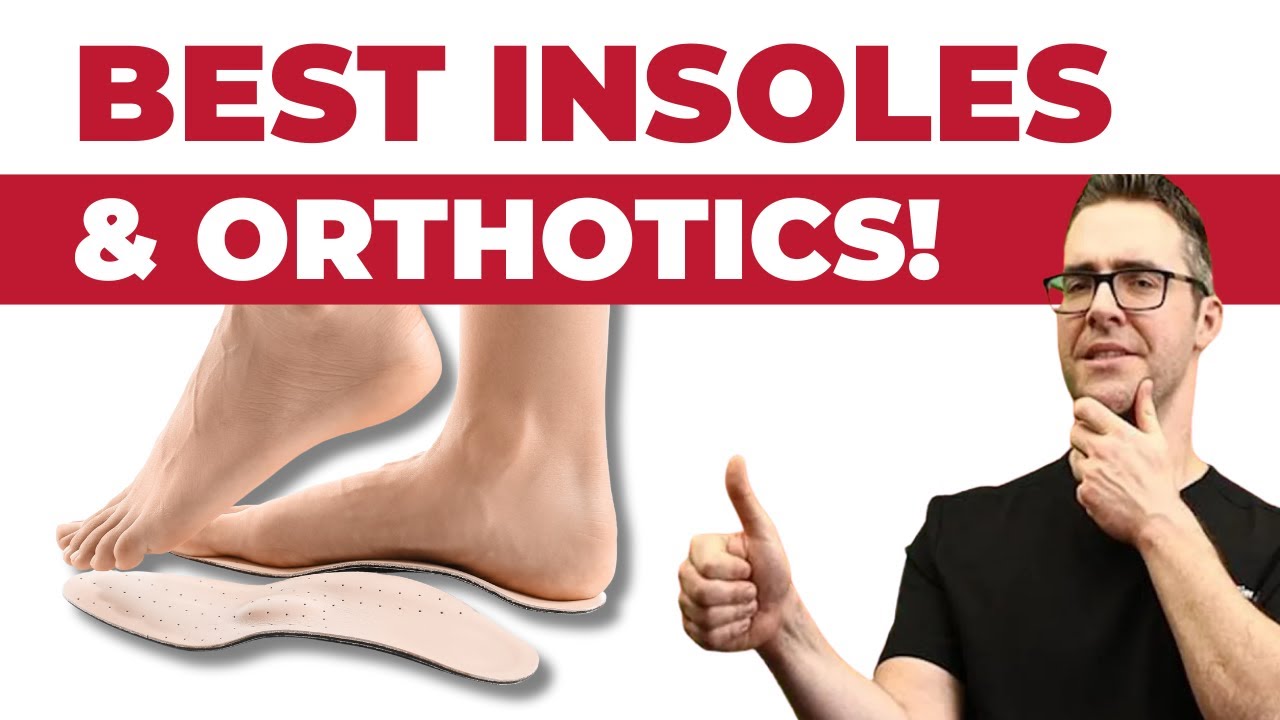
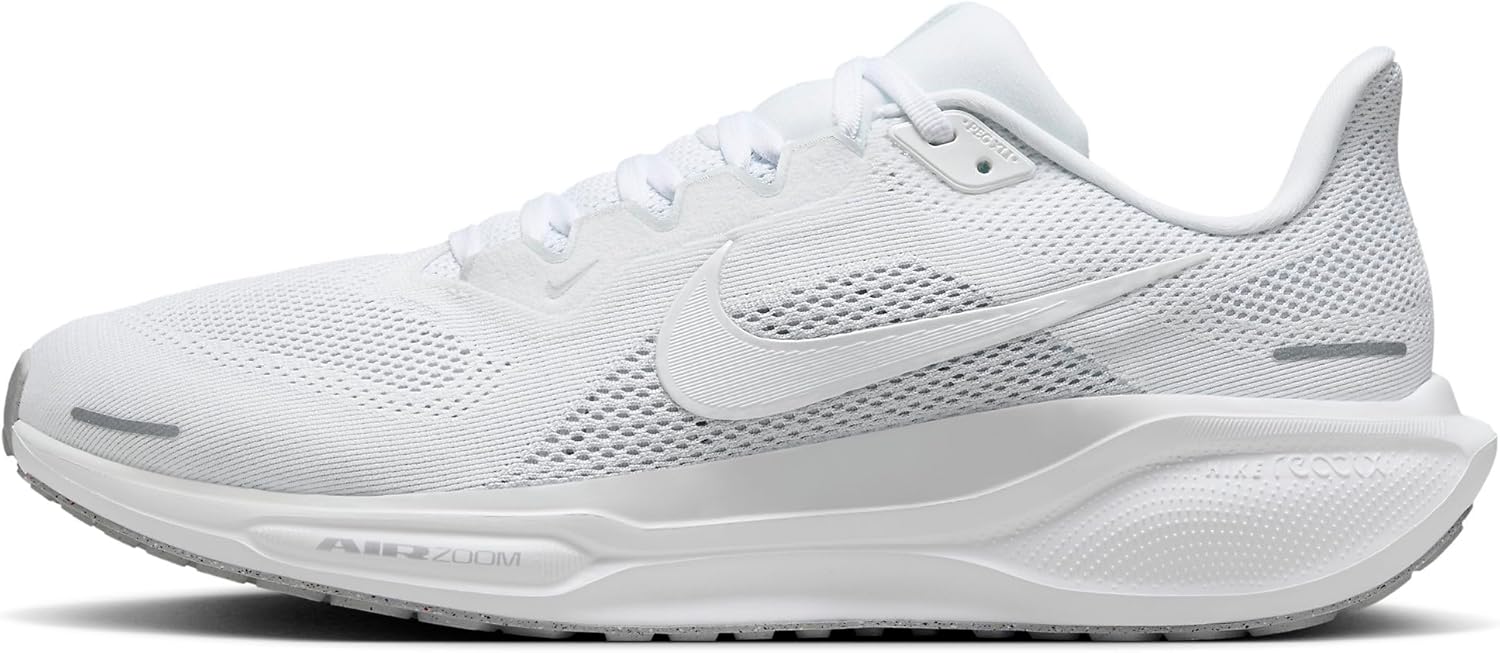
When Shoes Aren’t Enough — Dr. Tom’s Top 9 Orthotics
About 30% of patients I see for foot pain need MORE than a great shoe — they need a structured insole. Below: my complete 2026 orthotic ranking with pros, cons, and the specific patient I’d give each one to.





⚕ Doctor Recommended
Doctor Hoy’s Natural Pain ReliefTopical relief for foot & ankle pain
View Product →In-Office Treatment at Balance Foot & Ankle
If home treatment isn’t providing relief for your orthotic for high heels, our podiatry team at Balance Foot & Ankle can help with same-week evaluations and advanced in-office care.
APMA: Orthotics for High Heel Wearers
Ready to Get Relief?
Same-week appointments available in Howell & Bloomfield Township, MI
4.9★ | 1,123 Reviews | 3,000+ Surgeries
Or call: (810) 206-1402

Dr. Tom Biernacki, DPM is a board-certified foot & ankle surgeon (ABFAS & ABPM) at Balance Foot & Ankle Specialists in Southeast Michigan. With over a decade of clinical experience, he specializes in heel pain, bunions, diabetic foot care, sports injuries, and minimally invasive surgery. Dr. Biernacki is a member of the APMA and ACFAS, and his patient education content on MichiganFootDoctors.com and YouTube has made him one of the most-followed foot & ankle educators on YouTube.