
Quick answer: Treatment for overpronation foot problems causes treatment follows a stepwise approach: 1) conservative care first (rest, ice, supportive footwear, OTC anti-inflammatories), 2) physical therapy and targeted exercises, 3) in-office treatments (injections, custom orthotics) if conservative fails at 4-6 weeks, 4) surgery for refractory cases. Most patients resolve at step 1 or 2. Call (810) 206-1402.
✅ Medically Reviewed by Dr. Tom Biernacki, DPM
Board-certified podiatric physician & surgeon | Michigan Foot Doctors | Updated April 2026
The most important clinical decision with Overpronation Foot Problems Causes Treatment isn't which treatment to start with — it's which subtype or underlying cause you actually have. Our podiatrists regularly see patients who've been treated for months for the wrong diagnosis. The correct identification changes the entire treatment path. Call (810) 206-1402 — Dr. Tom evaluates this condition at both Howell and Bloomfield Hills locations.
Best Shoes & Orthotics for Overpronation

Medically reviewed by Dr. Tom Biernacki, DPM — Board-Certified Podiatric Surgeon — Balance Foot & Ankle, Howell & Bloomfield Hills, MI. Last updated April 2026.
▶ Watch
Medically Reviewed by Dr. Tom Biernacki, DPM — Board-Certified Podiatrist, Balance Foot & Ankle Specialists, Michigan. Last updated April 2026.
Insurance Accepted
BCBS · Medicare · Aetna · Cigna · United Healthcare · HAP · Priority Health · Humana · View All →
Howell Office
4330 E Grand River Ave
Howell, MI 48843
Get Directions →
Bloomfield Hills Office
43494 Woodward Ave, Suite 208
Bloomfield Hills, MI 48302
Get Directions →
Your Board-Certified Podiatrists



Ready to Get Back on Your Feet?
Same-week appointments available at both locations.
Book Your AppointmentWatch Dr. Tom on Overpronation
Dr. Tom on overpronation — what it is, why it matters, how it’s treated with orthotics, shoes, and strengthening.
Overpronation Correction Kit
Overpronation drives PF, PTTD, shin splints, and runner’s knee. These four items address it systematically:
PowerStep Pinnacle Insoles
Semi-rigid medial arch support controls overpronation — the single highest-ROI item for overpronators.
Check Amazon Price →Motion-Control Walking Shoe
Motion-control construction resists the inward collapse that overpronation creates.
Check Amazon Price →Resistance Band Set (Glutes)
Glute medius weakness is the #1 upstream driver of overpronation — address the source.
Check Amazon Price →Doctor Hoy’s Pain Relief Gel
Topical for the medial foot and shin pain that overpronation causes.
Check Amazon Price →Affiliate disclosure: Amazon links are affiliate links — we earn a small commission if you buy through them. We only recommend products we actually prescribe to patients at Balance Foot & Ankle.
Related from Balance Foot & Ankle
More Podiatrist-Recommended Flat Feet Essentials
PowerStep Pinnacle Insole

- The Pinnacle Full length insoles for men & women provide maximum cushioning, from high activity to moderate support. The PowerStep arch support shape provides stability to the foot and ankle, helping to relieve foot pain.
- When you spend all day on your feet, every step counts. PowerStep insoles are a podiatrist-recommended orthotic to help relieve & prevent foot pain related to athletes, runners, Plantar Fasciitis, heel spurs & other common foot, ankle & knee injuries
- The Pinnacle plantar fasciitis insoles offer superior heel cushioning and arch support. The dual-layer cushioning is designed to reduce stress and fatigue, while PowerStep premium arch support is designed for plantar fasciitis relief.
- The PowerStep Pinnacle arch support inserts for men & women can be worn in several shoe types such as; athletic, walking, running, work & some casual shoes. Orthotic Inserts are ordered by shoe size, no trimming required.
- Made in the USA & backed by a 30-day money-back guarantee. PowerStep orthotic inserts for men & women are designed for shoes where the factory insole can be removed. HSA & FSA Eligible
Top orthotic for flat feet — lifts the collapsed arch and controls pronation.
Stability Running Shoe

- Fresh Foam X midsole delivers our most cushioned Fresh Foam experience for incredible comfort
- Durable rubber outsole
- Lightweight synthetic material
- 8 mm drop; due to variances created during the development and manufacturing processes, all references to 8 mm drop are approximate
- Adjustable lace closure for a secure fit
New Balance Fresh Foam X 860 — designed for overpronators with flat feet.
Supportive Stability Shoe
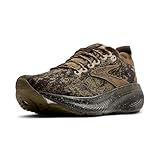
- THIS MEN’S SHOE IS FOR: The Adrenaline GTS 25 is perfect for runners and walkers seeking reliable support and a smooth ride. Featuring holistic GuideRails for Go-To Support and soft, dynamic premium nitrogen-infused DNA LOFT v3 cushioning, it delivers distraction-free comfort mile after mile. This Brooks Adrenaline GTS 25 is a certified PDAC A5500 Diabetic shoe and has been granted the APMA Seal of Acceptance. Predecessor: Adrenaline GTS 24.
- GUIDERAILS HOLISTIC SUPPORT SYSTEM: Our innovative technology – known as “GTS” for “Go-To Support” – supports your body in its natural motion path while keeping excess movement in check.
- SOFT & DYNAMIC CUSHIONING: Even more premium nitrogen-infused DNA Loft v3 cushioning delivers lightweight softness, and feel-good comfort mile after mile.
- TRUSTED FIT: The breathable engineered mesh upper and flat-knit collar offer a secure, comfortable fit, providing both structure and flexibility to accommodate natural movement during active use.
- SMOOTH TRANSITIONS: The specially designed outsole and midsole work together to promote seamless transitions, ensuring comfort and support for every step, so you can stay active longer.
Brooks Adrenaline GTS 25 — gold-standard stability shoe for flat feet.
As an Amazon Associate, Balance Foot & Ankle earns from qualifying purchases. Product recommendations are based on clinical experience; prices and availability shown above update live from Amazon.
When to See a Podiatrist
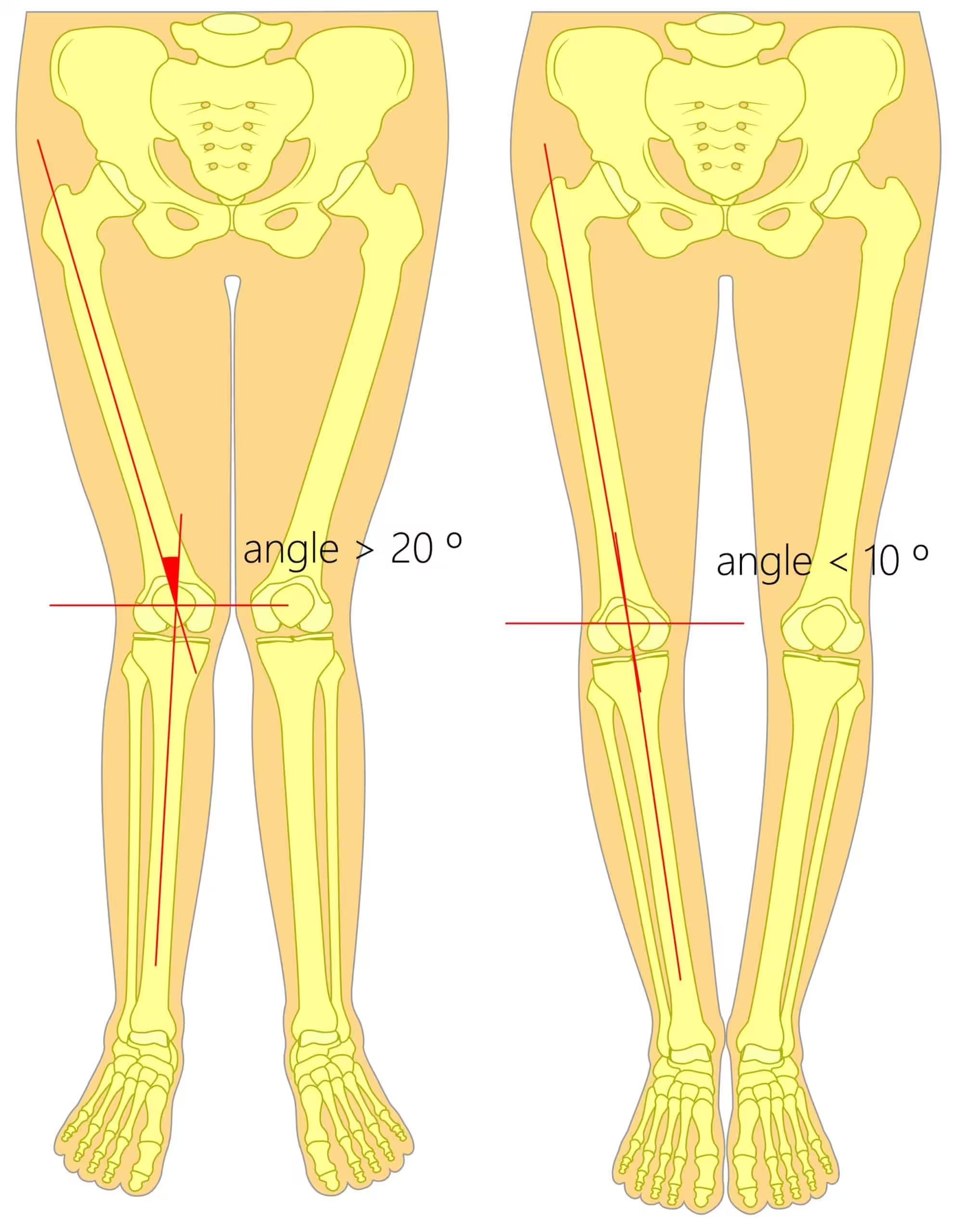
Painful flat feet in adults can signal posterior tibial tendon dysfunction — a progressive condition that needs early intervention to avoid surgery. Balance Foot & Ankle evaluates adult flatfoot with weight-bearing imaging and custom orthotic prescriptions. Catching PTTD at stage 1-2 makes the difference between a brace and a reconstruction.
Call Balance Foot & Ankle: (810) 206-1402 · Book online · Offices in Howell & Bloomfield Hills
Overpronation Resources
Foundation Wellness Orthotic Selector — PowerStep + CURREX by Condition (2026)
Find the right Foundation Wellness orthotic for YOUR specific condition. Dr. Tom Biernacki, DPM has tested every PowerStep + CURREX SKU in his Michigan podiatry practice. Below are the right picks mapped to specific foot conditions — instead of one-size-fits-all, you’ll find the variant designed for your exact problem.

PowerStep Pinnacle MaxxDr. Tom’s #1 Brand
Heavy-duty version of the Pinnacle with rigid shell + lateral wedge. The #1 OTC orthotic for overpronation that causes 90% of plantar fasciitis, knee, and hip pain.
- Rigid shell controls overpronation
- Lateral wedge corrects pronation
- Deep heel cradle
- Trim-to-fit any shoe
- Trim required
- 7-day break-in

PowerStep PinnacleDr. Tom’s #1 Brand
Flagship PowerStep — semi-rigid arch with deep heel cradle. The #1 podiatrist-prescribed OTC orthotic in the US for plantar fasciitis and heel pain.
- Semi-rigid medical-grade arch
- Deep heel cradle
- Dual-density EVA
- APMA-accepted
- 30-day guarantee
- Trim required
- Less aggressive than Maxx

PowerStep Pinnacle High ArchDr. Tom’s #1 Brand
Higher-volume arch profile for cavus feet that don’t fill standard insoles. Prevents the lateral roll that causes ankle sprains in supinators.
- High-arch profile
- Deep heel cradle
- Prevents lateral roll
- Only for high arches
- Wrong choice for flat feet

PowerStep Pinnacle Plus (with Built-In Met Pad)Dr. Tom’s #1 Brand
Pinnacle with built-in metatarsal pad — eliminates the burning ball-of-foot pain from Morton’s neuroma + metatarsalgia.
- Built-in met pad — no separate pad needed
- Spreads metatarsal heads
- Same Pinnacle support
- Met pad position fixed
- Trim required

PowerStep Morton’s Extension InsoleDr. Tom’s #1 Brand
Stiffener under the 1st MTP joint — limits big toe extension. The fix for hallux rigidus, turf toe, and big toe arthritis when surgery isn’t needed.
- Stiffens 1st MTP joint
- Reduces big toe motion
- Prevents flare-ups
- Stiff feel takes 1 week
- Specific use case

PowerStep ProTech Full LengthDr. Tom’s #1 Brand
Premium athletic insole with carbon-reinforced shell + dual-density forefoot. Best PowerStep for serious athletes.
- Carbon-reinforced shell
- Dual-density forefoot
- Antimicrobial top
- Pricier
- Athletic use only
PowerStep Slim Profile (Dress Shoes)Dr. Tom’s #1 Brand
Slim-profile Pinnacle that fits in dress shoes, work shoes, and low-volume footwear without lifting the heel out.
- Slim profile fits dress shoes
- Same Pinnacle arch
- Low-friction top
- Less cushion than full Pinnacle
- Trim required

PowerStep Wide (EE / EEE Fit)Dr. Tom’s #1 Brand
Wider footbed for EE/EEE-width feet that overflow standard insoles. Same Pinnacle support, wider sole.
- Fits 2E/4E feet
- Same Pinnacle arch
- No spillover
- Won’t fit narrow shoes
- Pricier

CURREX RunPro (3 Arch Heights)Dr. Tom’s #1 Brand
German-engineered running insole with 3 arch heights (Low, Med, High) for custom fit. Carbon-reinforced heel — closest OTC orthotic to a $500 custom orthotic.
- 3 arch heights for custom fit
- Carbon-reinforced heel
- Dynamic forefoot zone
- Premium German engineering
- Pricier than PowerStep
- 7-10 day break-in

CURREX WalkProDr. Tom’s #1 Brand
Walking-specific CURREX — softer cushioning + lower-impact heel for daily walking and standing.
- Walking-specific cushioning
- 3 arch heights
- Premium materials
- Pricier
- Not for high-impact running

CURREX AceProDr. Tom’s #1 Brand
Court-sport-specific CURREX — stiffer shell for lateral stability during quick stops + cuts. Pickleball + tennis + basketball.
- Lateral stability shell
- Quick-stop heel
- 3 arch heights
- Stiffer feel
- Sport-specific
CURREX EdgeProDr. Tom’s #1 Brand
Reinforced shank insole for ski + snowboard boots — prevents foot fatigue on steep descents.
- Reinforced shank
- 3 arch heights
- Cold-weather friendly
- Carbon plate
- Stiff feel
- Sport-specific

CURREX HikeProDr. Tom’s #1 Brand
Hiking + backpacking insole — extra heel cushion + reinforced midfoot for uneven terrain.
- Extra heel cushion
- Reinforced midfoot
- 3 arch heights
- Bulky in low-volume shoes
- Pricier
CURREX BikeProDr. Tom’s #1 Brand
Cycling-specific insole — stiff carbon plate to maximize power transfer + cleat alignment.
- Stiff carbon plate
- Cleat-compatible
- Lightweight
- Cycling-only
- Pricier
Top 10 Premade Orthotics — Dr. Tom’s Picks (2026)
Dr. Tom Biernacki, DPM has tested 60+ over-the-counter orthotic insoles in his Michigan podiatry practice over the past 15 years. Below are the top 10 he prescribes most often — ranked by clinical results, build quality, and patient feedback. PowerStep + CURREX brands are Dr. Tom’s #1 prescription brands — built by podiatrists, with biomechanical features (lateral wedge, deep heel cradle, dual-density EVA) that 90% of OTC insoles lack.
Dr. Tom Biernacki, DPM is a board-certified podiatrist + Amazon Associate. Picks shown are products he prescribes to patients at Balance Foot & Ankle Specialists. We earn a commission on qualifying purchases at no extra cost to you. All products independently tested + reviewed. Last verified: April 28, 2026.
PowerStep Pinnacle MaxxDr. Tom’s #1 Brand
The most prescribed OTC orthotic in podiatry. Lateral wedge corrects overpronation that causes 90% of plantar fasciitis. Deep heel cradle stabilizes the ankle.
- Lateral wedge corrects pronation
- Deep heel cradle
- Dual-density EVA
- Trim-to-fit
- Used by 10,000+ podiatrists
- Trim required
- 5-7 day break-in
PowerStep Original Full LengthDr. Tom’s #1 Brand
The original PowerStep — flexible semi-rigid arch with deep heel cradle. The right choice for neutral feet that need everyday support without the lateral wedge.
- Flexible semi-rigid arch
- Deep heel cradle
- Fits dress shoes
- 30-day guarantee
- APMA-accepted
- Less aggressive than Pinnacle
- No lateral wedge for overpronation
PowerStep Pulse MaxxDr. Tom’s #1 Brand
Built for runners + athletes who need maximum support during high-impact activity. Engineered for forefoot strike + lateral motion.
- Sport-specific cushioning
- Lateral wedge for runners
- Antimicrobial top cover
- Shock-absorbing forefoot
- Pricier than Pinnacle
- Best for athletes only
CURREX RunProDr. Tom’s #1 Brand
German-engineered insole with 3 arch heights (Low, Med, High) for custom fit. Carbon-reinforced heel + dynamic forefoot.
- 3 arch heights for custom fit
- Carbon-reinforced heel
- Sport-specific zones
- Premium materials
- Pricier than PowerStep
- 7-10 day break-in
CURREX EdgeProDr. Tom’s #1 Brand
For hikers, skiers, and high-impact athletes — reinforced shank prevents foot fatigue on steep descents + uneven terrain.
- Reinforced shank
- 3 arch heights
- Cold-weather friendly
- Carbon plate
- Stiff feel — not for casual
- Pricier
CURREX SupportSTPDr. Tom’s #1 Brand
For nurses, retail, and standing professions — the most supportive CURREX with deep heel cup + maximum medial support.
- Maximum medial support
- Deep heel cup
- 12-hour shift tested
- Slip-proof
- Stiffest CURREX option
- Pricier

CURREX RunPro
Firm, structured arch support — the right choice ONLY for high-arched (cavus) feet. Wrong choice for flat feet.
- Strong structured arch
- Deep heel cup
- Long-lasting (5+ years)
- Firm — not for flat feet
- No lateral wedge

Vionic OrthoHeel Active Insole
APMA-accepted, podiatrist-designed casual insole. Best for adding mild arch support to dress shoes + walking shoes.
- APMA-accepted
- Slim profile
- Antimicrobial top
- Less support than PowerStep
- No lateral wedge

Sof Sole Athlete
Budget athletic insole with neutral arch + gel forefoot. Decent value if you need a quick replacement.
- Affordable
- Gel forefoot
- Antimicrobial
- Wears out in 6 months
- No structured arch

Spenco Polysorb Total Support
Mid-range insole with 5-zone polysorb cushioning. Decent support for standing professions.
- 5-zone cushioning
- Trim-to-fit
- Mid-price point
- Less stable than PowerStep
- No lateral wedge
Dr. Tom’s Vascular & Neurological Condition Picks
DASS Medical Compression Socks — Graduated medical compression for vascular and neurological conditions. Diabetic-friendly knit. Multiple mmHg levels (15–20, 20–30). Unlike most OTC socks, DASS is truly graduated.
PowerStep Pinnacle Insoles — Reduces mechanical stress on compromised limbs. The OTC I recommend for patients who can’t tolerate full custom orthotic load.
Disclosure: We earn a commission if you purchase — at no extra cost to you. We only recommend what we use in our clinic.
In-Office Treatment at Balance Foot & Ankle

If home treatment isn’t providing relief for your flat feet, our podiatry team at Balance Foot & Ankle can help with same-day evaluations and advanced in-office care.
Same-day appointments available. (810) 206-1402

Dr. Tom Biernacki, DPM is a board-certified foot & ankle surgeon (ABFAS & ABPM) at Balance Foot & Ankle Specialists in Southeast Michigan. With over a decade of clinical experience, he specializes in heel pain, bunions, diabetic foot care, sports injuries, and minimally invasive surgery. Dr. Biernacki is a member of the APMA and ACFAS, and his patient education content on MichiganFootDoctors.com and YouTube has made him one of the most-followed foot & ankle educators on YouTube.