
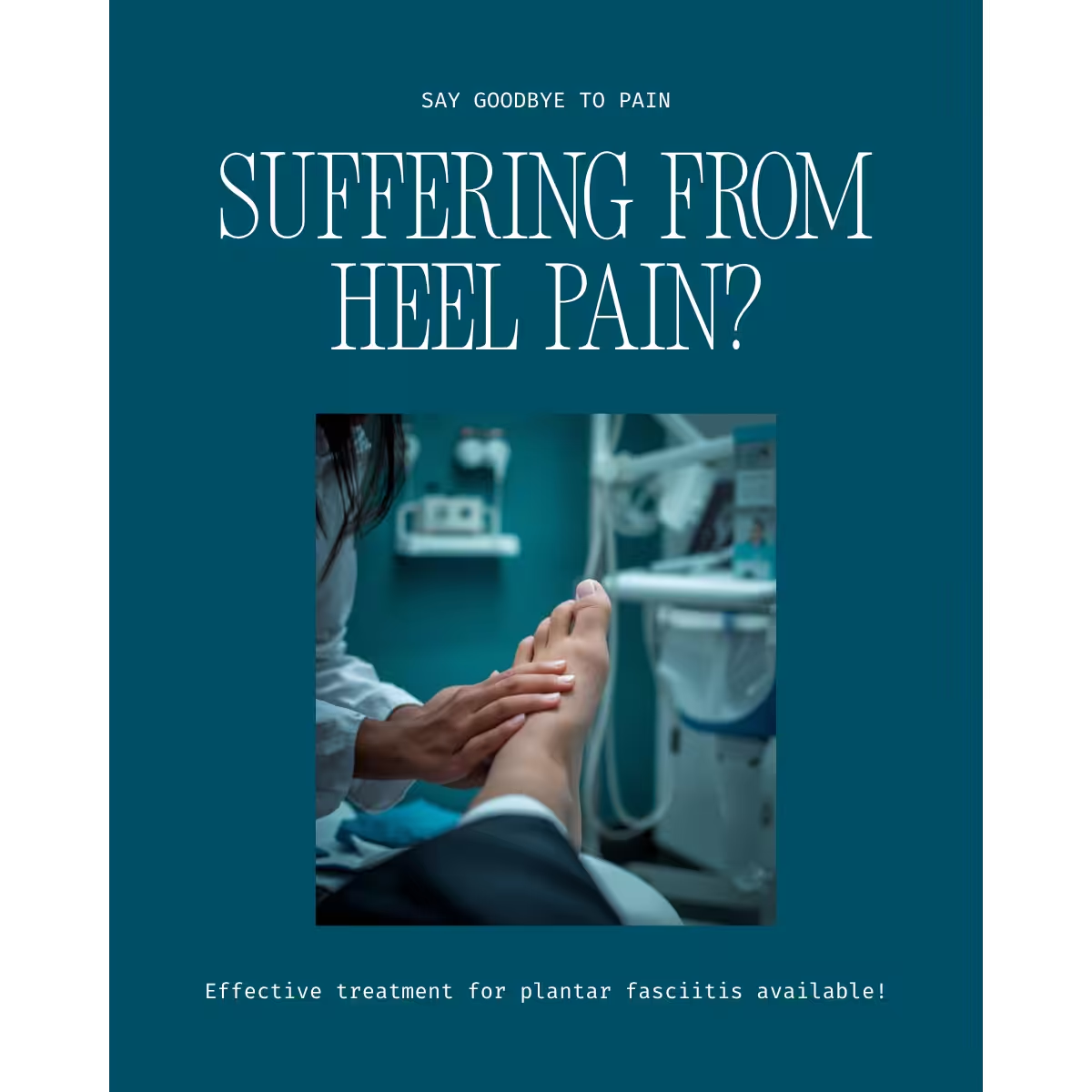

Medically reviewed by Dr. Tom Biernacki, DPM — Board-Certified Podiatric Surgeon — Balance Foot & Ankle, Howell & Bloomfield Hills, MI. Last updated April 2026.
▶ Watch

Medically Reviewed by Dr. Tom Biernacki, DPM — Board-Certified Podiatrist, Balance Foot & Ankle Specialists, Michigan. Last updated April 2026.
Treatment at Balance Foot & Ankle: EPAT Shockwave for Heel Pain →
Plantar Fasciitis Stretches: The Exact Protocol That Works
Stretching is the single most evidence-based conservative treatment for plantar fasciitis — more effective than cortisone injections in the long term, and a necessary complement to any other treatment you pursue. But there’s a significant difference between stretching casually and stretching correctly. The right stretches, done at the right time, with the right technique, can reduce plantar fasciitis pain by 50–75% within 6–8 weeks. This guide gives you the exact protocol we give our patients.
Why Stretching Works for Plantar Fasciitis
Plantar fasciitis is caused by excessive tension in the plantar fascia — the thick connective tissue band running from the heel to the toes. Two structures are primarily responsible for this tension:
- The gastrocnemius muscle (the large calf muscle) — when tight, it limits ankle dorsiflexion (upward motion), forcing the plantar fascia to stretch more with each step
- The soleus muscle (the deeper calf muscle) — independently important for ankle dorsiflexion
When the calf is tight, every step requires the plantar fascia to compensate — leading to the repetitive microtrauma that causes plantar fasciitis. Stretching the calf reduces fascial tension at the heel. Direct plantar fascia stretching addresses the tissue itself.
The Core Stretches
1. Pre-Walking Morning Stretch (Most Important)
Plantar fasciitis is characteristically worst with the first steps in the morning because the fascia tightens and begins to heal in a shortened position during sleep. Stretching BEFORE you take your first step dramatically reduces this “start-up” pain.
Technique: While still in bed, before placing your feet on the floor:
- Sit up and cross one foot over the opposite knee
- Using your hand, pull the toes back toward your shin until you feel a stretch along the arch and heel
- Hold 30 seconds; repeat 3 times each foot
Alternatively: loop a towel around the ball of the foot while lying in bed and pull the towel toward you to dorsiflex the ankle and stretch the fascia.
2. Gastrocnemius Stretch (Straight-Knee Calf Stretch)
Targets the gastrocnemius muscle (the one that creates the “calf bulge”).
Technique — Wall Stretch:
- Stand facing a wall, 12–18 inches away
- Place the foot to be stretched behind you, keeping the knee straight and the heel on the floor
- Lean into the wall until you feel a firm stretch in the calf — no pain
- Hold 30 seconds; repeat 3 times each leg
3. Soleus Stretch (Bent-Knee Calf Stretch)
The soleus runs deeper than the gastrocnemius and requires a bent-knee position to isolate it.
Technique:
- Same starting position as the gastrocnemius stretch
- Bend the back knee while keeping the heel on the floor
- Feel the stretch lower in the calf, near the Achilles insertion
- Hold 30 seconds; repeat 3 times each leg
4. Seated Plantar Fascia Stretch
Directly stretches the plantar fascia in a seated position.
Technique:
- Sit in a chair with one foot crossed over the opposite knee
- Pull the toes back toward the shin (toe extension) with your hand
- Use the thumb of the other hand to press firmly along the arch of the foot — you should feel the fascial bands tighten under the thumb
- Hold 30 seconds; repeat 3 times
5. Towel Pickup / Toe Curls (Intrinsic Strength)
Strengthening the intrinsic foot muscles supports the arch and reduces fascial load. Place a small towel on the floor and practice picking it up with the toes. 3 sets of 10 repetitions.
The Protocol: When and How Often
Timing
- Before getting out of bed: Morning stretch (Stretch #1 above) — every morning without exception
- 3 times per day: Complete the calf and fascia stretching sequence (stretches #2-4) — morning, midday, and evening works well
- Before and after exercise: Always stretch before and after any running, walking exercise, or sport
Duration and Frequency
- Each stretch: 30 seconds hold
- Repetitions per stretch: 3
- Frequency: 3 sessions daily minimum for first 3 months
- Maintenance (after symptoms resolve): Continue once daily indefinitely
When Will You Feel Better?
Most patients notice meaningful improvement in morning heel pain within 2–4 weeks of consistent stretching. Maximum benefit is reached at 6–8 weeks. Full recovery from plantar fasciitis typically takes 3–6 months with this protocol combined with appropriate footwear and orthotics.
The most common reason stretching “doesn’t work” is inconsistency — missing days, not stretching before the first morning steps, or not maintaining the protocol for long enough. Commit to the full 8 weeks before concluding that stretching alone isn’t sufficient.
When to Add Professional Treatment
If pain is severe (>7/10), bilateral, or hasn’t improved after 6 weeks of consistent stretching and appropriate footwear, it’s time for a professional evaluation. Custom orthotics, shockwave therapy, and PRP injections are the next steps in our evidence-based protocol at Balance Foot & Ankle.
Related Treatments
- Plantar Fasciitis Treatment Overview
- Custom Orthotics for Heel Pain
- Shockwave Therapy for Plantar Fasciitis
Ready to Get Relief? Book an Appointment Today.
Board-certified podiatrists Dr. Tom Biernacki, Dr. Carl Jay, and Dr. Daria Gutkin see patients daily at our Howell and Bloomfield Township, MI offices.
📅 Book Online
📞 (810) 206-1402
When to See a Podiatrist for Plantar Fasciitis
If stretching alone is not resolving your plantar fasciitis, a podiatrist can add custom orthotics, shockwave therapy, or injection therapy to accelerate your recovery. At Balance Foot & Ankle, we create personalized plantar fasciitis treatment protocols at our Howell and Bloomfield Hills offices.
Learn About Our Plantar Fasciitis Treatment | Book Your Appointment | Call (810) 206-1402
Clinical References
- DiGiovanni BF, et al. Tissue-specific plantar fascia-stretching exercise enhances outcomes in patients with chronic heel pain. J Bone Joint Surg Am. 2003;85(7):1270-1277.
- Rathleff MS, et al. High-load strength training improves outcome in patients with plantar fasciitis. Scand J Med Sci Sports. 2015;25(3):e292-e300.
- Rompe JD, et al. Plantar fascia-specific stretching versus radial shock-wave therapy as initial treatment of plantar fasciopathy. J Bone Joint Surg Am. 2010;92(15):2514-2522.
Insurance Accepted
BCBS · Medicare · Aetna · Cigna · United Healthcare · HAP · Priority Health · Humana · View All →
Howell Office
3980 E Grand River Ave, Suite 140
Howell, MI 48843
Get Directions →
Bloomfield Hills Office
43700 Woodward Ave, Suite 207
Bloomfield Hills, MI 48302
Get Directions →
Your Board-Certified Podiatrists



Ready to Get Back on Your Feet?
Same-week appointments available at both locations.
Book Your AppointmentWatch: Dr. Tom explains
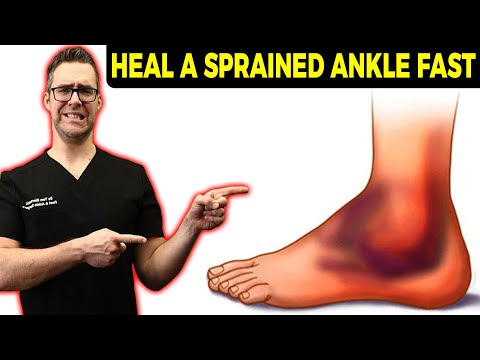
Podiatrist-recommended products
As an Amazon Associate, Dr. Tom earns from qualifying purchases.
Pairs with stretching protocol.
View on Amazon →Passive dorsiflexion overnight.
View on Amazon →Topical for stretching sessions.
View on Amazon →Post-stretch ice-massage.
View on Amazon →Related resources
Ready to solve this? Book today.
Same-week appointments · Howell & Bloomfield Hills · 4.9★ (1,123+ reviews)
☎ (810) 206-1402Book Online →In Our Clinic
In our Balance Foot & Ankle clinic, the typical plantar fasciitis patient is a 40- to 60-year-old who noticed sharp heel pain on their very first steps in the morning or after sitting at a desk. Many arrive having already tried cheap shoe-store inserts and a week of ice without relief. On exam, we palpate the medial calcaneal tubercle, check for a positive windlass test, and rule out Baxter’s neuropathy and calcaneal stress fractures. Most of our plantar fasciitis patients respond to a custom orthotic + eccentric calf loading + night splinting protocol within 6–12 weeks — without injections or surgery.
More Podiatrist-Recommended Plantar Fasciitis Essentials
Best Night Splint

Keeps fascia stretched overnight — the #1 intervention for morning heel pain.
Top Podiatrist-Recommended Insole

Deep heel cup + arch support unloads the plantar fascia all day.
Plantar Fasciitis Compression Sock

Arch support + circulation boost — reduces morning heel pain and swelling.
As an Amazon Associate, Balance Foot & Ankle earns from qualifying purchases. Product recommendations are based on clinical experience; prices and availability shown above update live from Amazon.
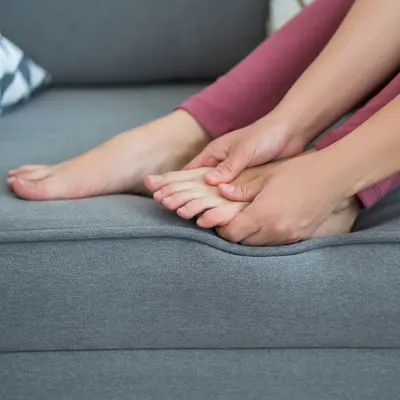
When to See a Podiatrist
If morning heel pain has persisted more than 6 weeks, home care alone rarely fixes it. At Balance Foot & Ankle, we combine in-office ultrasound diagnostics, custom orthotics, and — when needed — shockwave or PRP to resolve plantar fasciitis that hasn’t responded to stretching and inserts. Most patients are walking pain-free within 4-8 weeks of starting a structured plan.
Call Balance Foot & Ankle: (810) 206-1402 · Book online · Offices in Howell & Bloomfield Hills
In-Office Treatment at Balance Foot & Ankle
When conservative care isn’t enough, Dr. Tom Biernacki and the team at Balance Foot & Ankle offer advanced, same-day options — including Plantar Fasciitis Surgery Bloomfield Hills at our Howell and Bloomfield Hills clinics.
Same-day appointments available. Call (810) 206-1402 or book online.
Pros & Cons of Conservative Care for plantar fasciitis
Advantages
- ✓ Conservative care resolves 90%+ of cases
- ✓ Multiple home treatment options
- ✓ Strong evidence base
- ✓ Imaging often not required
Considerations
- ✗ Recovery takes 6-12 weeks
- ✗ Mistakes prolong recovery
- ✗ Untreated can become chronic
- ✗ Can mimic other conditions
Dr. Tom’s Recommended Products for plantar fasciitis
Affiliate disclosure: As an Amazon Associate, Balance Foot & Ankle earns from qualifying purchases. We only recommend products we use with patients.

PowerStep Pinnacle Maxx Dr. Tom’s Pick
Best for: High-arch support to offload plantar fascia

Strassburg Sock Dr. Tom’s Pick
Best for: Overnight stretch for morning pain relief

Hoka Bondi 9 Dr. Tom’s Pick
Best for: Max cushion + rocker sole for daily relief

TriggerPoint Footballer Dr. Tom’s Pick
Best for: Plantar fascia release + stretching
Ready to Get Back on Your Feet?
Same-day appointments in Howell + Bloomfield Twp. Most insurance accepted. Dr. Tom Biernacki, DPM & team.
Book Today — Same-Day Appointments Available
Call Now: (810) 206-1402
About Your Care Team at Balance Foot & Ankle
Dr. Tom Biernacki, DPM · Board-Certified Foot & Ankle Surgeon. Specializes in conservative-first care, minimally invasive bunion surgery, and complex reconstruction.
Dr. Carl Jay, DPM · Accepting new patients. Specializes in sports medicine, athletic injuries, and routine podiatric care.
Dr. Daria Gutkin, DPM, AACFAS · Accepting new patients. Specializes in surgical reconstruction and pediatric podiatry.
Locations: 4330 E Grand River Ave, Howell, MI 48843 · 43494 Woodward Ave Suite 208, Bloomfield Twp, MI 48302
Hours: Mon–Fri 8:00 AM – 5:00 PM · (810) 206-1402

Dr. Tom Biernacki, DPM is a double board-certified podiatrist and foot & ankle surgeon at Balance Foot & Ankle Specialists in Southeast Michigan. With over a decade of clinical experience, he specializes in heel pain, bunions, diabetic foot care, sports injuries, and minimally invasive surgery. Dr. Biernacki is a member of the APMA and ACFAS, and his patient education content on MichiganFootDoctors.com and YouTube has reached over one million views.
Frequently Asked Questions
What is the fastest way to cure plantar fasciitis?
Is plantar fasciitis covered by insurance?
Can plantar fasciitis go away on its own?
- Plantar Fasciitis: Diagnosis and Conservative Management (PubMed)
- Plantar Fasciitis (APMA)
- Diagnosis and Treatment of Plantar Fasciitis (PubMed / AAFP)
- Heel Pain (APMA)
Recommended Products from Dr. Tom