

Quick answer: Second Toe Pain Michigan has multiple potential causes including mechanical, neurological, vascular, and inflammatory. The patterns we see most often are overuse, poorly-fitted shoes, and biomechanical imbalance. Red flags requiring urgent evaluation: warmth/redness (infection), inability to bear weight (fracture), and unilateral swelling without injury (DVT). Call (810) 206-1402.
Medically reviewed by Dr. Tom Biernacki, DPM · Board-Certified Podiatric Surgeon · Last reviewed: April 2026 · Editorial Policy
Quick Answer
Second Toe Pain: Causes & Treatment in Michigan relates to toe deformity — typically caused by imbalanced muscles + footwear. Most patients improve in depends on severity with conservative care. Same-week appointments in Howell + Bloomfield Township: (810) 206-1402.

Medically reviewed by Dr. Tom Biernacki, DPM — Board-Certified Podiatric Surgeon — Balance Foot & Ankle, Howell & Bloomfield Township, MI. Last updated April 2026.
▶ Watch
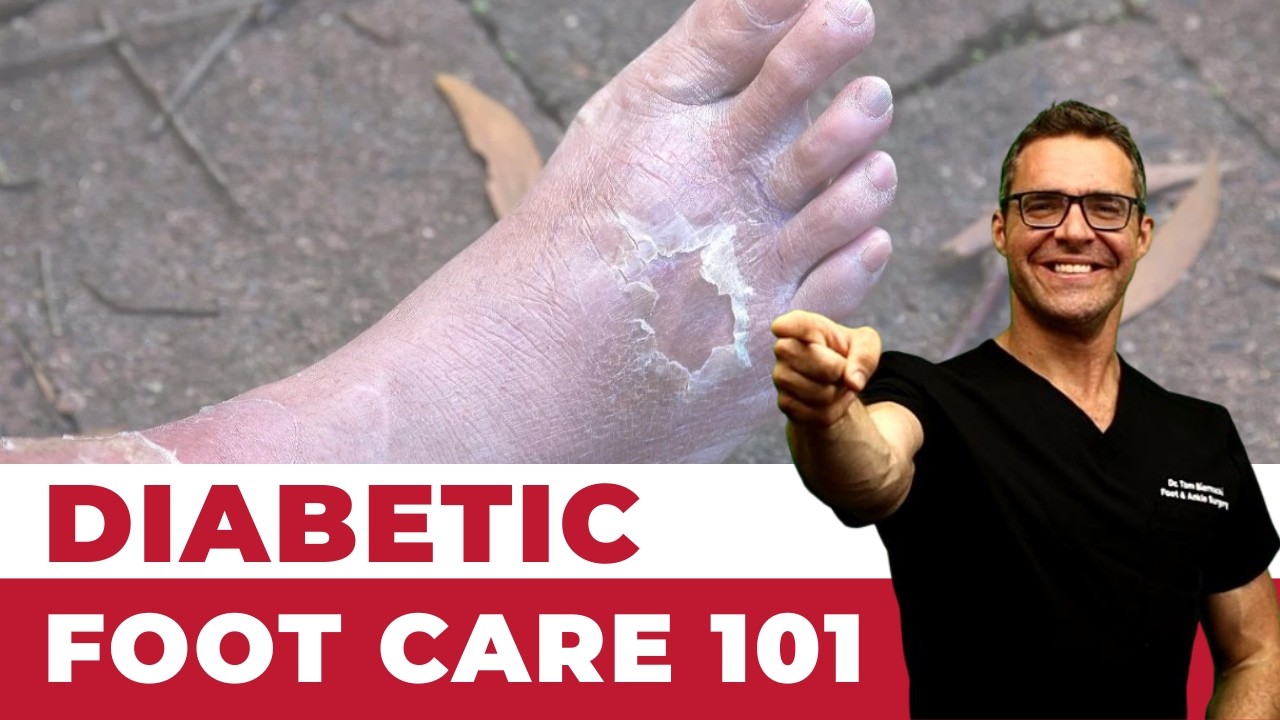
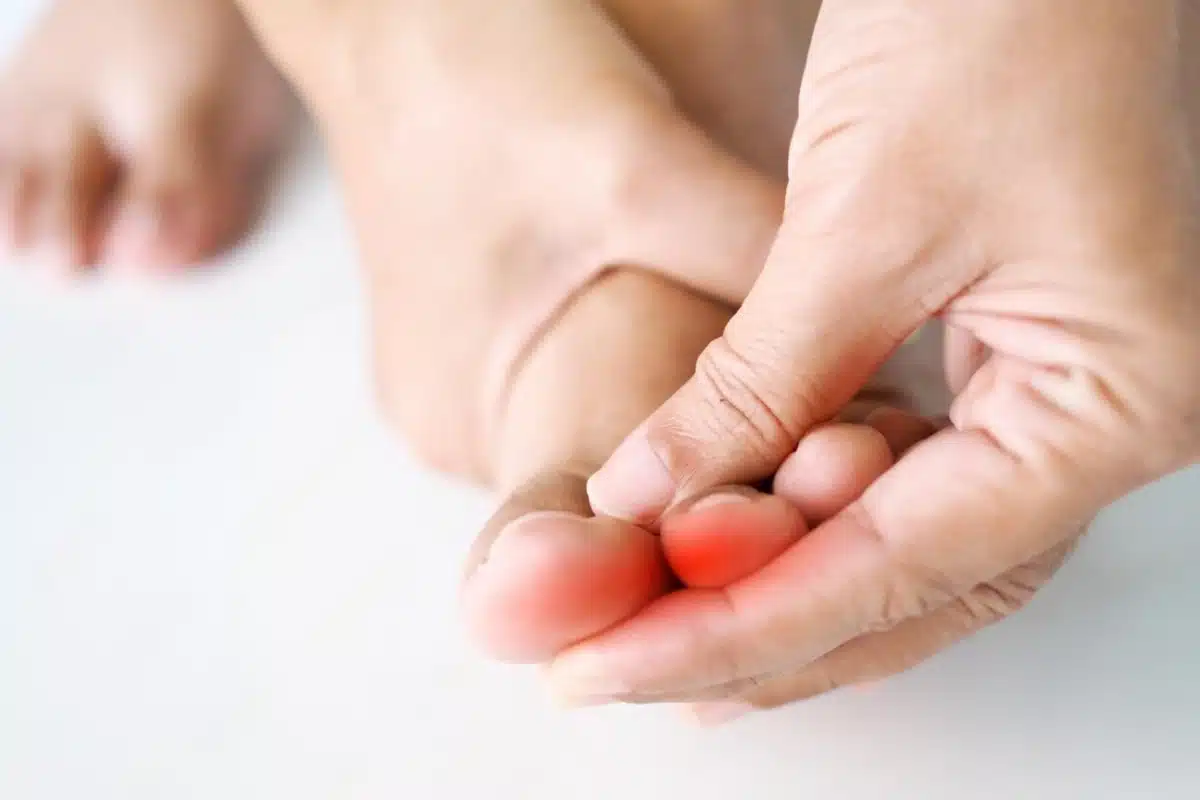
Pain in the second toe — whether in the toe itself, the joint at its base, or the ball of the foot just behind it — is one of the most commonly underdiagnosed foot complaints. Patients often assume it is a callus or a minor shoe issue, but second toe pain frequently reflects significant structural problems, including plantar plate tears, capsulitis, intermetatarsal neuromas, and crossover toe deformity. At Balance Foot & Ankle, Dr. Tom Biernacki accurately diagnoses second toe pain using clinical examination and in-office ultrasound, and provides targeted treatment for each condition.
Common Causes of Second Toe Pain
The second metatarsophalangeal (MTP) joint is mechanically loaded during the push-off phase of gait. A long second metatarsal bone (common in Morton’s foot type) concentrates this load, predisposing the joint and its supporting structures to overuse injury. The plantar plate — a fibrocartilaginous structure on the bottom of the MTP joint — is the key stabilizer; when it tears, the toe loses its grounding and begins to drift upward and toward the big toe (crossover toe deformity). Concurrent capsulitis (inflammation of the joint capsule) produces swelling, warmth, and pain at the base of the second toe. An intermetatarsal neuroma (most common between the 2nd–3rd or 3rd–4th metatarsals) causes burning, shooting, or numbness in the second and third toes. Hammertoe deformity of the second toe, secondary to muscle imbalance, causes pain from shoe pressure on the top of the bent toe.
Plantar Plate Tear
A plantar plate tear is perhaps the most important — and most commonly missed — cause of chronic second toe pain. The Lachman test for the MTP joint (vertical drawer test) — pushing the toe upward and assessing the amount of translation and pain reproduced — is a reliable clinical sign. Diagnostic ultrasound and MRI can confirm the tear grade. Early-grade tears (Grade 0–I) respond to plantar plate offloading with metatarsal pads, buddy taping to maintain toe alignment, and activity modification. Advanced tears (Grade II–IV) with progressive crossover toe deformity often require surgical plantar plate repair, typically through a dorsal approach with flexor-to-extensor tendon transfer.
Capsulitis vs. Neuroma
Capsulitis at the 2nd MTP joint is diffuse, with tenderness over the entire joint, swelling, and a feeling that a sock is bunched under the toe. It responds to metatarsal pad placement, anti-inflammatory medication, and a steroid injection into the joint. A neuroma presents with more burning, shooting, or electric-type symptoms in the web space and toes, often provoked by squeezing the foot from side to side (Mulder’s click). Ultrasound-guided steroid injection is first-line for intermetatarsal neuroma, with alcohol sclerosing injection or surgical neurectomy for refractory cases.
More Podiatrist-Recommended Foot Health Essentials
Hoka Clifton 10


Max-cushion everyday shoe — podiatrist favorite for walking and running.

OOFOS Recovery Slide

Impact-absorbing recovery sandal — wear after long days on your feet.
As an Amazon Associate, Balance Foot & Ankle earns from qualifying purchases. Product recommendations are based on clinical experience; prices and availability shown above update live from Amazon.
When to See a Podiatrist
If foot or ankle pain has been bothering you for more than a few weeks, home care alone may not be enough. Balance Foot & Ankle offers same-week appointments at our Howell and Bloomfield Township clinics — no referral needed in most cases. Bring your current shoes and a short list of symptoms and we’ll build you a treatment plan in one visit.
Call Balance Foot & Ankle: (810) 206-1402 · Book online · Offices in Howell & Bloomfield Township
Frequently Asked Questions
Why does the ball of my foot hurt under the second toe?
Pain under the 2nd metatarsal head (ball of foot behind the second toe) most commonly reflects capsulitis of the 2nd MTP joint, a plantar plate tear, or a developing intermetatarsal neuroma. A Morton’s foot type (long 2nd metatarsal) concentrates pressure in this area. A podiatrist can differentiate these conditions with clinical examination and ultrasound.
What is crossover toe?
Crossover toe is a progressive deformity where the second toe drifts upward and toward the big toe (hallux), eventually crossing over it. It is caused by plantar plate tear at the 2nd MTP joint with concurrent ligament insufficiency. Early stages can be managed conservatively; advanced deformity typically requires surgical plantar plate repair.
Does a plantar plate tear require surgery?
Not always. Early-grade plantar plate tears (Grade 0–I) respond well to conservative management: metatarsal pad, buddy taping, stiff-soled shoes, and activity modification for 6–8 weeks. If the toe is progressively drifting (crossover toe, Grade II+) or conservative care has failed, surgical repair is effective and provides reliable correction.
What kind of doctor treats second toe pain?
A podiatrist (DPM) or orthopedic foot and ankle surgeon is the appropriate specialist for second toe pain. Podiatrists are trained to diagnose plantar plate tears, capsulitis, neuromas, and hammertoe deformities, and can perform both conservative management and surgical repair. Dr. Biernacki at Balance Foot & Ankle in Southeast Michigan specializes in these conditions.
If you have persistent pain in your second toe or the ball of your foot, don’t wait for a crossover deformity to develop. Contact Balance Foot & Ankle to schedule an evaluation with Dr. Biernacki in Southeast Michigan.
Join 950,000+ Learning About Foot Health
Dr. Tom shares honest medical advice, supplement reviews, and treatment guides you won’t find anywhere else.
Subscribe on YouTube →📍 Located in Michigan?
Our board-certified podiatrists treat this condition at two convenient locations. Most new patients are seen the same week.
Medically Reviewed by: Dr. Tom Biernacki, DPM — Board-Certified Podiatrist, Balance Foot & Ankle Specialists

Insurance Accepted
BCBS · Medicare · Aetna · Cigna · United Healthcare · HAP · Priority Health · Humana · View All →
Howell Office
4330 E Grand River Ave
Howell, MI 48843
Get Directions →
Bloomfield Township Office
43494 Woodward Ave, #208
Bloomfield Township, MI 48302
Get Directions →
Your Board-Certified Podiatrists



Ready to Get Back on Your Feet?
Same-week appointments available at both locations.
Book Your AppointmentPros & Cons of Conservative Care for foot care
Advantages
- ✓ Conservative care first
- ✓ Same-week appointments
- ✓ Multiple insurance accepted
Considerations
- ✗ Self-treatment can mask issues
- ✗ See a podiatrist if pain >2 weeks
Dr. Tom’s Recommended Products for foot care
Affiliate disclosure: As an Amazon Associate, Balance Foot & Ankle earns from qualifying purchases. We only recommend products we use with patients.
Footnanny Heel Cream Dr. Tom’s Pick
Best for: Daily moisturizer for cracked heels
Ready to Get Back on Your Feet?
Same-week appointments in Howell + Bloomfield Township. Most insurance accepted. Dr. Tom Biernacki, DPM & team.
Book Today — Same-Week Appointments Available
Call Now: (810) 206-1402
About Your Care Team at Balance Foot & Ankle
Dr. Tom Biernacki, DPM · Board-Certified Foot & Ankle Surgeon. Specializes in conservative-first care, minimally invasive bunion surgery, and complex reconstruction.
Dr. Carl Jay, DPM · Accepting new patients. Specializes in sports medicine, athletic injuries, and routine podiatric care.
Dr. Daria Gutkin, DPM, AACFAS · Accepting new patients. Specializes in surgical reconstruction and pediatric podiatry.
Locations: 4330 E Grand River Ave, Howell, MI 48843 · 43494 Woodward Ave Suite 208, Bloomfield Township, MI 48302
Hours: Mon–Fri 8:00 AM – 5:00 PM · (810) 206-1402
Visit Balance Foot & Ankle — Same-Week Appointments Available
Our podiatry team serves patients throughout Michigan including Howell, Brighton, and Bloomfield Township. If you’re dealing with heel pain, ingrown toenails, or a foot injury, we have same-week appointment availability.
Same-week appointments available. (810) 206-1402
Doctor Hoy’s Natural Pain Relief Gel
Natural topical pain relief I use in our clinic. Arnica + camphor formula — apply directly to the area 3–4x daily. ($20–25)
Shop Doctor Hoy’s →Frequently Asked Questions
When should I see a doctor?
See a podiatrist if pain persists past 2 weeks, prevents normal activity, or is accompanied by red-flag symptoms (warmth, swelling, numbness, inability to bear weight).
Can I treat this at home?
Mild cases respond to RICE protocol (rest, ice, compression, elevation), supportive shoes, and OTC anti-inflammatories. Persistent symptoms need professional evaluation.
How long does it take to heal?
Most soft tissue injuries resolve in 2-6 weeks with appropriate care. Bone injuries take 6-12 weeks. Chronic conditions need longer-term management.
Our podiatrists treat the underlying cause, not just the symptom. Same-week appointments at our Howell and Bloomfield Township, Michigan offices.
Ready for Expert Care?
Same-week appointments in Howell & Bloomfield Township, MI.
4.9★ | 1,123 Reviews | 3,000+ Surgeries
Or call: (810) 206-1402

Dr. Tom Biernacki, DPM is a board-certified foot & ankle surgeon (ABFAS & ABPM) at Balance Foot & Ankle Specialists in Southeast Michigan. With over a decade of clinical experience, he specializes in heel pain, bunions, diabetic foot care, sports injuries, and minimally invasive surgery. Dr. Biernacki is a member of the APMA and ACFAS, and his patient education content on MichiganFootDoctors.com and YouTube has made him one of the most-followed foot & ankle educators on YouTube.