
Medically reviewed by Dr. Tom Biernacki, DPM
Board-certified podiatric surgeon | Balance Foot & Ankle, Howell & Bloomfield Hills, MI
Last reviewed: May 2026

Quick answer: Superfeet Insoles is a common foot/ankle topic that affects many patients. The 2026 evidence-based approach combines proper diagnosis, conservative-first treatment, and escalation only when needed. We treat this regularly at our Howell and Bloomfield Hills practices. Call (810) 206-1402.
Patients frequently ask me about Superfeet insoles — either before buying them or after they’ve tried them with mixed results. Having recommended them for years and seen patients respond in various ways, I can give you an honest clinical perspective on what they do well, where their limits are, and how to choose the right model for your foot type.
The most important clinical decision with Superfeet Insoles isn’t which treatment to start with — it’s identifying the correct subtype. That changes everything. Call (810) 206-1402.
What Makes Superfeet Different From Standard Insoles
Most shoe insoles are flat foam padding with a printed arch shape that does essentially nothing biomechanically. Superfeet are designed differently in three key ways:
- Structured stabilizer cap: A rigid plastic or composite base layer that doesn’t collapse under load. This is the fundamental difference — it maintains its shape throughout the day rather than compressing flat.
- Deep heel cup: The recessed heel area encapsulates the heel fat pad, centering it under the calcaneus where it provides maximum cushioning and control.
- Biomechanical shape: The arch profile is designed to support the rearfoot and midfoot, not just cushion the forefoot. This affects pronation control in a meaningful way.
Superfeet Model Comparison: Which Color Is Right for You?
| Model | Arch Height | Best Foot Type | Best Shoe Type | My Rating |
|---|---|---|---|---|
| GREEN | High | High or medium-high arch; neutral to mild overpronator | Athletic shoes, hiking boots, work boots | ★★★★★ — best all-around |
| BLUE | Medium | Medium arch; average foot | Casual shoes, everyday sneakers, dress shoes | ★★★★☆ — excellent versatility |
| BERRY/PINK | Medium-high (women’s) | Women’s foot; medium arch | Lower-volume women’s shoes, flats, casual | ★★★★☆ — trimmed for narrower shoes |
| ORANGE | Low-medium | Flat feet or severe overpronators | Motion-control shoes; not for low-volume shoes | ★★★★☆ — best for low arches |
| CARBON | High | Runners, cyclists with high arch | Running and cycling shoes; performance footwear | ★★★★★ — premium, carbon fiber cap |
| TRIM-TO-FIT | Medium | Various | Any shoe with removable insole | ★★★☆☆ — convenience model |
Best Superfeet Models Available Now

What Conditions Do Superfeet Help?
| Condition | Superfeet Effectiveness | Notes |
|---|---|---|
| Plantar fasciitis (mild-moderate) | Good | GREEN provides meaningful arch support; combine with calf stretching |
| Overpronation / flat feet | Moderate-Good | ORANGE or GREEN; not as effective as custom for significant deformity |
| Knee pain from overpronation | Moderate | Controls subtalar joint; may reduce knee internal rotation |
| General foot fatigue | Excellent | The heel cup alone provides major improvement for people with cheap insoles |
| Heel pain (general) | Good | Deep heel cup helps most heel conditions |
| Morton’s neuroma | Limited | No metatarsal pad component; add a separate met pad |
| Severe flat feet | Limited | Need custom orthotics with medial post for significant structural deformity |
Superfeet vs. Custom Orthotics: When to Upgrade
Superfeet are an excellent first step, but they have real limits compared to custom orthotics:
- Superfeet is appropriate when: Symptoms are mild-moderate; foot structure is close to typical; OTC arch height matches your arch; conditions have responded to OTC support in the past
- Custom orthotics are needed when: Superfeet have not resolved symptoms after 6-8 weeks of consistent wear; foot deformity is significant (severe flat feet, cavus foot, significant limb length discrepancy); conditions are recurring despite OTC insoles; post-surgical foot reconstruction requires precise support
Custom orthotics are fabricated from a 3D scan of your foot and address your specific biomechanical pattern. They last 1-3 years, can be modified over time, and are often covered by insurance with a podiatrist’s prescription. For mild issues, Superfeet are a cost-effective starting point. For significant pathology, they’re a bridge until you get to a podiatrist.
How to Fit and Break In Superfeet
- Remove the original insole: Superfeet replace the factory insole — they don’t layer on top of it (too much volume)
- Trim if needed: Use the original insole as a template; most Superfeet are pre-trimmed to standard sizes with toe trimming instructions included
- Break-in period: Start with 1-2 hours per day, increasing by 1 hour per day. The rigid cap requires an adaptation period — most people feel significant discomfort if they go straight to all-day wear
- Initial soreness is normal: The heel cup and arch may feel firm for 1-2 weeks. Persistent pain after 2 weeks suggests wrong arch height — try a different model
- Replace when: The stabilizer cap cracks, or every 12-18 months with daily use
⚠️ When Superfeet Are NOT the Right Choice
- If you have significant foot pain that hasn’t been diagnosed — get evaluated first
- If you have diabetes with neuropathy — see a podiatrist for proper orthotic fitting
- If you’ve tried 2+ Superfeet models without improvement — you likely need custom orthotics
- If you have a recent foot or ankle injury — use a podiatrist-prescribed device, not OTC
In-Office Treatment at Balance Foot & Ankle
If home treatment isn’t providing relief for your custom orthotics, our podiatry team at Balance Foot & Ankle can help with same-day evaluations and advanced in-office care.
Frequently Asked Questions
How long do Superfeet insoles last?
Superfeet recommends replacing insoles every 12 months or 500 miles of activity. In my clinical experience, the stabilizer cap typically remains functional longer than the foam layer — you’ll often feel the foam cushioning thin out before the structural support fails. Replace when you notice reduced cushioning or can feel the hard cap through the insole, or if the cap cracks.
Are Superfeet worth the price compared to cheaper insoles?
Yes, in almost all cases. The $45-60 price point is significantly higher than $10-15 foam insoles, but the biomechanical difference is substantial. Cheap foam insoles compress flat within weeks and provide no structural support. Superfeet maintain their shape and provide genuine rearfoot control. For patients with any degree of foot pain, the difference in outcome is usually worth the price difference.
Can Superfeet insoles cause foot pain?
Yes — if you choose the wrong arch height or skip the break-in period. An arch profile that is too high for your foot type will create medial arch soreness and may increase forefoot pressure. An arch that is too low won’t provide adequate support. If Superfeet cause persistent pain after the 2-week break-in period, try a different model (typically a lower arch height). If pain continues with multiple models, custom orthotics are indicated.
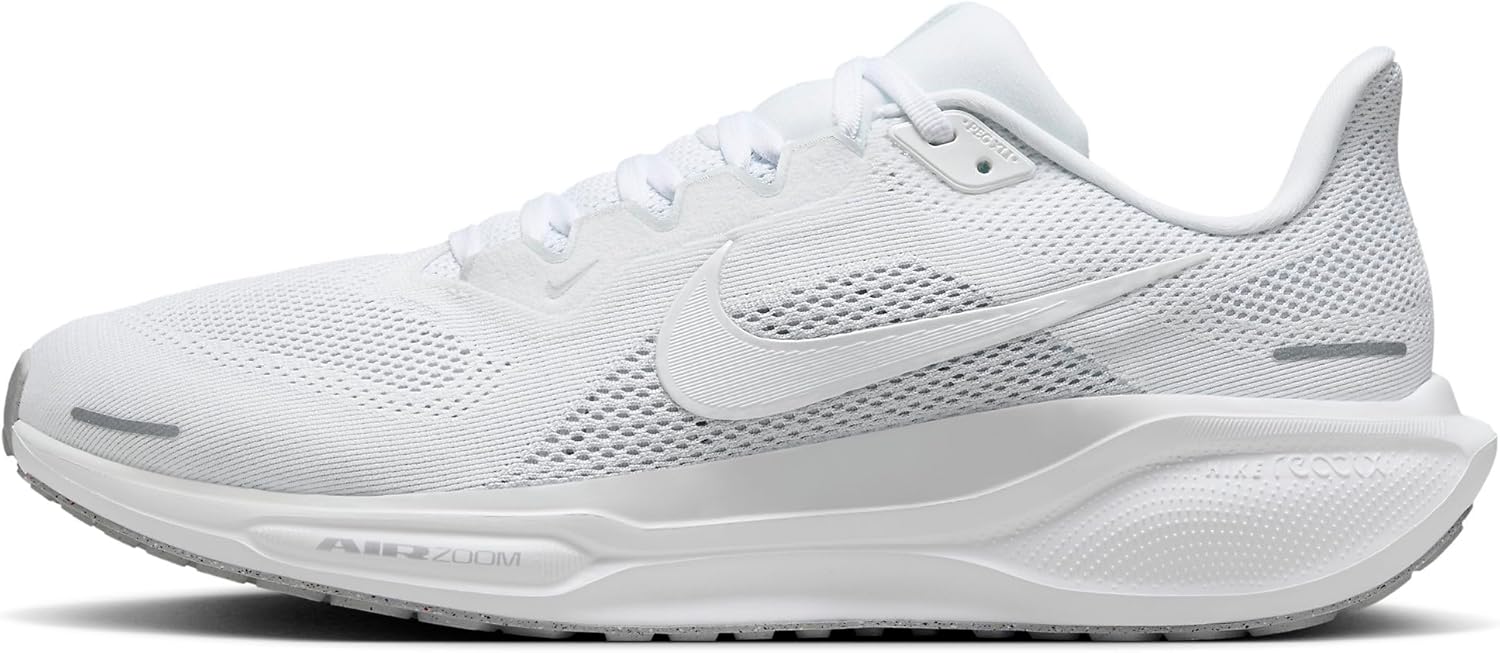
When Shoes Aren’t Enough — Dr. Tom’s Top 9 Orthotics
About 30% of patients I see for foot pain need MORE than a great shoe — they need a structured insole. Below: my complete 2026 orthotic ranking with pros, cons, and the specific patient I’d give each one to.




Frequently Asked Questions
When should I see a podiatrist?
If symptoms persist past 2 weeks, affect your normal activity, or are accompanied by red-flag symptoms (warmth, redness, swelling, inability to bear weight).
What does treatment cost?
Most diagnostic visits and conservative treatments are covered by Medicare and major insurers. Out-of-pocket costs vary by your specific plan.
How quickly can I get an appointment?
Most non-urgent cases see us within 5 business days. Urgent cases (sudden pain, possible fracture) typically same or next business day.
Ready to Get Relief?
Same-day appointments available in Howell & Bloomfield Hills, MI
4.9★ | 1,123 Reviews | 3,000+ Surgeries
Or call: (810) 206-1402

Dr. Tom Biernacki, DPM is a board-certified foot & ankle surgeon (ABFAS & ABPM) at Balance Foot & Ankle Specialists in Southeast Michigan. With over a decade of clinical experience, he specializes in heel pain, bunions, diabetic foot care, sports injuries, and minimally invasive surgery. Dr. Biernacki is a member of the APMA and ACFAS, and his patient education content on MichiganFootDoctors.com and YouTube has made him one of the most-followed foot & ankle educators on YouTube.