
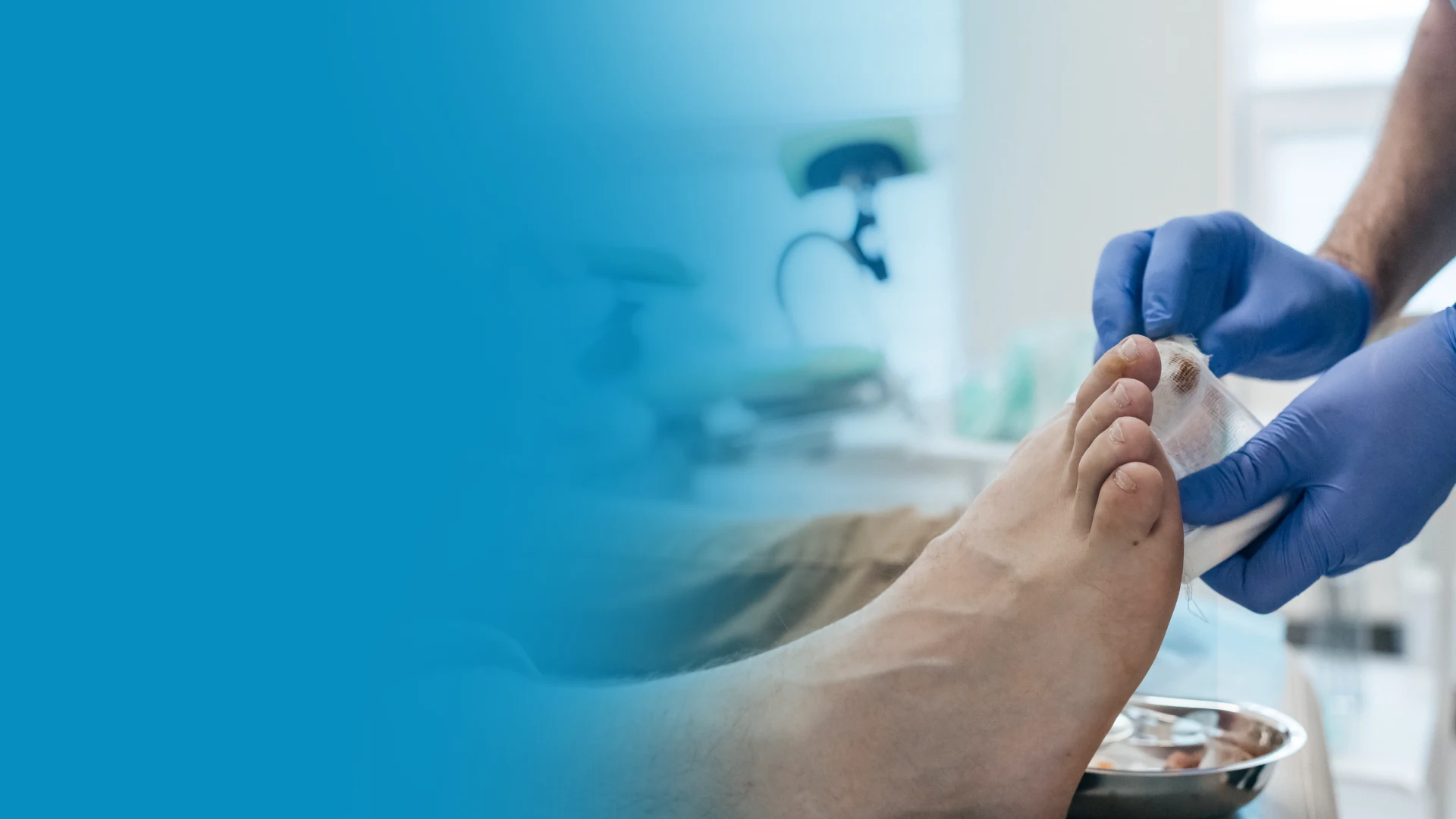
Quick answer:Home remedies for toenail fungus — vinegar soaks, tea tree oil, Vicks, or baking soda — can occasionally help a very mild case but seldom clear fungus that has settled inside the nail. Prescription antifungals and laser therapy are the reliable fix, so see a podiatrist for a stubborn nail. Call (810) 206-1402.
Medically reviewed by Dr. Tom Biernacki, DPM
Board-certified podiatric surgeon | Balance Foot & Ankle
Last reviewed: April 2026
In This Article
- What Is Toenail Fungus?
- Home Remedies: What the Evidence Actually Shows
- Nail Preparation: The Step Most People Skip
- Hygiene Protocol: Preventing Spread and Reinfection
- When Home Remedies Aren’t Enough: Prescription Options
- In-Office Treatment at Balance Foot & Ankle
- Frequently Asked Questions
- Sources
- Frequently Asked Questions
You’ve noticed it gradually: a white or yellowish spot under the corner of your toenail that slowly spreads, the nail thickens, turns brittle, and takes on that unmistakable chalky, crumbly texture. Toenail fungus is one of the most stubborn infections we treat in our clinic — not because it’s dangerous (in most healthy people, it isn’t), but because the nail plate acts as a physical barrier that most topical treatments simply can’t penetrate effectively.
The honest truth about home remedies for toenail fungus is that most don’t work well enough on their own for established infections. But several have genuine clinical evidence behind them, and the right combination of home care, footwear hygiene, and treatment selection can absolutely resolve mild infections and prevent recurrence. Here’s what the evidence actually says — and when to stop trying home remedies and see a podiatrist.
What Is Toenail Fungus?

Onychomycosis is a fungal infection of the nail caused primarily by dermatophytes — most commonly Trichophyton rubrum (responsible for 70–80% of cases) and T. mentagrophytes. Non-dermatophyte molds and Candida species account for the remainder. The infection enters through micro-separations between the nail plate and nail bed, or through small cuts in the surrounding skin, and gradually colonizes the keratin of the nail itself.
The infection progresses from the distal (free edge) or lateral border inward. As the fungus digests the nail keratin, it causes the characteristic: yellow-white-brown discoloration, subungual debris (material accumulating under the nail), nail plate thickening, onycholysis (separation of nail from nail bed), brittleness, and surface distortion. Untreated, the fungus can spread to adjacent nails and to the skin of the foot (athlete’s foot, tinea pedis).
Key takeaway: Toenail fungus is not just cosmetic. In diabetic patients or those with peripheral arterial disease, an untreated toenail fungal infection can create a portal of entry for bacterial infection, potentially leading to serious foot infections.
Home Remedies: What the Evidence Actually Shows
Dozens of home remedies circulate online for toenail fungus. I’ll give you the evidence grade for each — because your time and effort have a value, and some of these are worth pursuing while others simply aren’t.
1. Tea Tree Oil — Best Evidence of All Home Remedies
Evidence grade: B+ (Good)
Tea tree oil (Melaleuca alternifolia) has well-documented antifungal properties against dermatophytes including T. rubrum. A randomized controlled trial published in the Journal of Family Practice found that 100% tea tree oil applied twice daily for 6 months produced partial or full improvement in 60% of participants — comparable to clotrimazole 1% cream, though weaker than prescription oral antifungals.
How to use it correctly:
- Use 100% pure tea tree oil, not diluted products
- Clean and dry the affected nail thoroughly
- File down any thick, loose nail material with a nail file (use a dedicated file for infected nails only)
- Apply 2–3 drops directly to the nail and under the nail edge using a cotton swab or clean brush
- Twice daily — morning and before bed
- Continue for at least 6 months — ideally until a completely clear nail has grown out
- Do NOT use undiluted on surrounding skin if you have sensitive skin — can cause contact dermatitis
2. Vicks VapoRub — Surprisingly Studied
Evidence grade: C+ (Fair)
This sounds like folk medicine, but a legitimate study published in the Journal of the American Board of Family Medicine found that daily Vicks VapoRub application produced mycological cure (negative fungal culture) in 15 of 18 patients (83%) after 48 weeks. The active components are thymol (antifungal), eucalyptol, menthol, and camphor. The study was small and uncontrolled, but the results were notable enough to generate significant research interest.
Apply a small amount to the entire nail and under the edge once daily, ideally at night. The ointment base helps the active compounds penetrate the softened nail after a warm soak. This is one of the few home remedies I actually recommend trying — the risk is nil and the potential benefit is real.
3. Oregano Oil
Evidence grade: C (Fair — limited human trials)
Oregano oil contains carvacrol and thymol, compounds with demonstrated antifungal activity in laboratory studies. Human clinical trials are limited, but in vitro (lab) evidence shows activity against the dermatophytes that cause toenail fungus. Apply diluted (1–2 drops oregano oil in a teaspoon of carrier oil like coconut oil) to the affected nail twice daily. Undiluted oregano oil can irritate skin. The evidence base is weaker than tea tree oil, but it’s a reasonable addition to a tea tree oil protocol.
4. Apple Cider Vinegar
Evidence grade: D (Weak — no clinical trials)
Apple cider vinegar creates an acidic environment that theoretically inhibits fungal growth. In vitro studies show some antifungal activity, but there are no published randomized controlled trials demonstrating clinical efficacy for toenail fungus in humans. Soaking the affected foot in a mixture of equal parts ACV and warm water for 20–30 minutes daily is unlikely to cause harm and may help prevent spread to adjacent skin, but I wouldn’t count on it clearing an established nail infection.
5. Snakeroot Extract (Ageratina pichinchensis)
Evidence grade: B (Good — one well-designed RCT)
This one surprises most patients. A randomized controlled trial published in the Journal of the American Academy of Dermatology compared snakeroot extract to ciclopirox (a prescription topical antifungal) and found the two treatments were similarly effective — with 71.4% improvement in the snakeroot group vs. 81.3% in the ciclopirox group after 6 months. Snakeroot extract isn’t widely available, but it represents genuine clinical evidence for a botanical treatment.
6. Baking Soda (Sodium Bicarbonate)
Evidence grade: D (Minimal clinical evidence)
Baking soda doesn’t kill fungus but can inhibit its growth by creating an alkaline environment and absorbing moisture. Its main role is as a preventive measure and to control odor — not as a cure. Dusting feet and shoes with baking soda after treatment as part of a hygiene protocol makes sense; using it as a standalone treatment for established infection does not.
Warning: ⚠️ Stop home remedies and see a podiatrist if:
- The infection has spread to more than 3 nails
- The nail is painful or causing pressure against footwear
- You have diabetes, peripheral neuropathy, or circulatory problems
- There are signs of secondary bacterial infection: redness, warmth, swelling, pus
- The nail is extremely thickened and causing difficulty with shoes or walking
- You’ve tried home remedies consistently for 3 months without any improvement
Nail Preparation: The Step Most People Skip
The single biggest reason home remedies (and even some prescription topicals) fail is inadequate nail preparation. The nail plate is a dense keratin structure that most antifungal molecules cannot penetrate to reach the infected tissue underneath. Physical nail reduction before applying any topical treatment dramatically improves penetration and efficacy.
- Soften first: Soak the foot in warm water for 10–15 minutes before filing. Softened nail files down much more easily.
- Use a fine-grit nail file or diamond burr: File the surface of the thickened nail until it’s as thin as possible without causing pain. This removes fungal debris and opens a path for topical penetration.
- Trim as far back as possible: Use nail nippers to trim the infected free edge back to where it separates from the nail bed. Remove all detached, crumbly nail material.
- Dedicated instruments only: Never use the same nail file or clippers on unaffected nails — you’ll spread the infection. Disinfect instruments with isopropyl alcohol after each use or use disposable files.
- Frequency: Perform this nail preparation once weekly when applying topical treatment.
Hygiene Protocol: Preventing Spread and Reinfection
Treating the nail without controlling the environment guarantees recurrence. The dermatophytes causing toenail fungus live in shoe interiors, shower floors, and the surrounding skin. Eliminate those reservoirs simultaneously with your nail treatment.
- Treat your shoes: Apply an antifungal powder or spray to the insoles of all footwear daily. Rotate shoes and allow them to dry completely between wearings — fungus thrives in the warm, moist environment of a shoe worn daily.
- Replace old shoes: Shoes worn during active infection are heavily contaminated. For chronically infected patients, replacing athletic shoes every 6–12 months is advisable.
- Treat coexisting athlete’s foot: Tinea pedis (athlete’s foot between the toes or on the sole) is the reservoir from which toenail fungus is most commonly re-seeded. Treat any skin fungal infection simultaneously with an OTC antifungal cream (clotrimazole, miconazole) until completely clear.
- Wear moisture-wicking socks: Cotton holds moisture against the nail; synthetic moisture-wicking materials keep the toe environment drier. Change socks daily at minimum, twice if feet sweat heavily.
- Never go barefoot in public: Pool decks, gym locker rooms, and hotel room floors are major sources of reinfection. Wear flip-flops or shower sandals in these environments.
- Dry thoroughly after bathing: Pay special attention to the spaces between toes and the nail beds. A hair dryer on cool setting works well for this.
When Home Remedies Aren’t Enough: Prescription Options
Let me be direct: for moderate-to-severe toenail fungus — thick nails, involvement of more than 50% of the nail plate, or multiple nails involved — home remedies rarely achieve full mycological cure. Prescription treatments achieve significantly better results:
- Oral terbinafine (Lamisil): 250mg daily for 6 weeks (fingernails) or 12 weeks (toenails). Mycological cure rate of 70–80%. Requires liver function monitoring in patients with liver disease history. The most effective onychomycosis treatment available.
- Oral itraconazole (Sporanox): Pulse dosing (1 week per month × 3 months) or continuous dosing. Effective but has more drug interactions than terbinafine.
- Topical efinaconazole (Jublia): Prescription-strength topical applied daily for 48 weeks. Penetrates the nail plate via the nail folds and nail bed. Mycological cure rates of 15–18% (higher when combined with nail debridement). Preferred when oral medications are contraindicated.
- Topical tavaborole (Kerydin): Small-molecule boron-based topical with good nail penetration. Cure rates similar to efinaconazole.
- Laser treatment (Nd:YAG): We offer this in our clinic — the laser penetrates the nail and heats the fungal organisms without damaging surrounding tissue. Multiple sessions required. Good data for temporary clear nail, though long-term cure rates vary.
In-Office Treatment at Balance Foot & Ankle
If home treatment isn’t providing relief for your toenail fungus, our podiatry team at Balance Foot & Ankle can help with same-week evaluations and advanced in-office care.
Same-week appointments available. (810) 206-1402
Learn about our laser toenail fungus treatment → | Book online →
Frequently Asked Questions
Can toenail fungus go away on its own?
Almost never. Once a fungal infection establishes in the nail matrix, it rarely self-resolves. The nail acts as a physical barrier protecting the fungus from both topical treatments and the immune system. OTC treatments like Vicks VapoRub and tea tree oil show limited evidence for mild cases, but clinical cure rates are under 20%. Prescription treatment — topical ciclopirox, oral terbinafine, or laser therapy — is typically required for meaningful improvement.
What’s the most effective treatment for toenail fungus?
Oral terbinafine (Lamisil) remains the gold standard with 70–80% clinical cure rates over 12 weeks. Topical treatments (efinaconazole, tavaborole) cure 18–55% but avoid the systemic drug exposure. Laser therapy in our office shows 60–75% improvement rates and is a good option for patients who can’t tolerate oral medication. Combination therapy — laser plus topical — produces better outcomes than either alone. Cure is defined as a fully clear nail, which takes 9–12 months even after the infection is eliminated.
Can toenail fungus spread to other nails or to family members?
Yes to both. Toenail fungus spreads readily via shared surfaces — floors, bath mats, showers, socks. Within the same foot, it typically spreads from nail to nail if left untreated. Family transmission is common in shared showers and from shared nail tools. During treatment, disinfect shower floors weekly, avoid sharing towels or nail clippers, wear flip-flops in shared shower areas, and wash socks in hot water. Treating the shoes is also important — antifungal spray applied inside shoes during treatment prevents reinfection.
Why isn’t my over-the-counter toenail fungus treatment working?
Three common reasons: (1) The infection is in the nail matrix, too deep for topical penetration. (2) The nail is too thick for medication to reach the fungus. (3) What looks like fungus may be nail psoriasis, nail trauma, or a secondary bacterial infection — which don’t respond to antifungals. A nail sample for culture confirms the diagnosis and identifies the specific fungal species, which guides treatment selection. We see patients weekly who’ve spent hundreds of dollars on OTC products without a confirmed diagnosis.
Is toenail fungus dangerous?
In healthy individuals, toenail fungus is primarily a cosmetic and quality-of-life issue. In diabetic patients, patients with peripheral vascular disease, or immunocompromised individuals, it’s a genuine safety risk — the thickened nail causes pressure sores, the infected nail provides an entry point for bacterial infection, and tinea pedis (foot fungus) associated with nail fungus can cause skin breakdown. For these patients, aggressive treatment is medically indicated, not optional.
How long does treatment take?
This is the most important thing to understand about toenail fungus: even after successful treatment kills the fungus, the nail takes 9–12 months to grow out completely. Oral terbinafine is taken for 12 weeks; the fungus is eliminated within that period, but patients expect to see a clear nail immediately and feel the treatment failed. Improvement at 3 months looks like a clear nail growing from the base. Full cosmetic clearance at 12 months. Patience with the process is essential.
Can toenail fungus cause other health problems?
In high-risk patients — yes. The most important association is athlete’s foot (tinea pedis), which frequently co-occurs with nail fungus and can cause skin fissuring that allows bacterial entry. For diabetic patients especially, treating foot fungus is part of diabetic foot care. Severe nail deformity from long-standing fungus can also cause subungual pressure sores, ingrown nails, and difficulty fitting footwear. What starts cosmetic can become functional.
Does insurance cover toenail fungus treatment?
Oral terbinafine is inexpensive and usually covered by insurance with a copay under $30 for a full course. Prescription topical treatments (efinaconazole) are often not covered and cost $400–600 out of pocket. Laser therapy is not covered by insurance but typically costs $400–700 per course of 3 treatments in our office. We’ll discuss what’s appropriate for your case and what your out-of-pocket costs will be before prescribing. Call (810) 206-1402 to check your specific coverage.
What’s the difference between toenail fungus and nail psoriasis?
Both cause nail thickening, discoloration, and deformity — they can look identical to the naked eye. Key differences: psoriasis often causes ‘pitting’ (small dimples in the nail surface), oil-drop spots, and is associated with skin psoriasis elsewhere on the body. Fungus causes more uniform thickening and yellowing. The only definitive differentiation is a nail sample sent for PAS staining and fungal culture. Misdiagnosis is extremely common — we’ve seen patients treat ‘fungus’ for years when they actually had nail psoriasis.
How do I prevent toenail fungus from coming back?
The three most evidence-supported prevention strategies: (1) Antifungal spray or powder in shoes daily — the shoe environment harbors fungal spores even after treatment. (2) Replace old shoes after completing treatment; they may be recontaminating you. (3) Flip-flops in all shared showers, pools, locker rooms. Beyond that: keep nails trimmed short, dry feet thoroughly after bathing (especially between toes), and wear moisture-wicking socks. Recurrence rates are 25–30% at 1 year even with good hygiene.
Sources
- Gupta AK, Stec N. Recent advances in the treatment of onychomycosis and its management. F1000Res. 2019;8:F1000 Faculty Rev-968.
- Buck DS, et al. Comparison of two topical preparations for the treatment of onychomycosis: Melaleuca alternifolia (tea tree) oil and clotrimazole. J Fam Pract. 1994;38(6):601–605.
- Derby R, et al. Novel treatment of onychomycosis using over-the-counter mentholated ointment: a clinical case series. J Am Board Fam Med. 2011;24(1):69–74.
- Domínguez-Cherit J, et al. Ageratina pichinchensis extract vs. ciclopirox in onychomycosis treatment. J Am Acad Dermatol. 2007;55(6):904–905.
Related Conditions
Ready to Get Relief?
Same-week appointments available in Howell & Bloomfield Township, MI
4.9★ | 1,123 Reviews | 3,000+ Surgeries
Or call: (810) 206-1402
How long does it take a toenail to grow back?
6-12 months for a full big toenail. Smaller toenails 4-6 months. Speed varies with age, circulation, and nutrition.
Will this affect other nails?
Trauma affects only the injured nail. Fungal infection can spread without treatment. Systemic causes affect multiple nails simultaneously.
Should I cover the nail or leave it open?
Cover with a breathable bandage during work or activity. Leave open at night for healing. Keep dry and clean.
What is Toenail fungus?
Toenail fungus is a common foot/ankle condition that affects mobility and quality of life. Understanding the underlying cause is the first step in successful treatment. Our podiatrists at Balance Foot & Ankle perform a hands-on biomechanical exam, review your activity history, and use diagnostic imaging when appropriate to identify the root cause—not just treat the symptom. Many patients have been told to “rest and ice” without a deeper diagnostic workup; our approach is different.
Symptoms and warning signs
Common signs of toenail fungus include pain that worsens with activity, morning stiffness, swelling, tenderness when palpated, and difficulty bearing weight. If you experience sudden severe pain, inability to walk, visible deformity, numbness or color change, contact our office the same day or visit urgent care—these can signal a more serious injury such as a fracture, tendon rupture, or vascular compromise. Diabetics with any foot wound should seek same-day care.
Conservative treatment options
Most cases of toenail fungus respond to non-surgical care: structured rest, supportive footwear changes, custom orthotics, targeted stretching and strengthening protocols, anti-inflammatory medications when medically appropriate, and in-office procedures such as ultrasound-guided injections. We also offer advanced therapies including laser therapy, EPAT/shockwave, regenerative injections, and image-guided procedures. Treatment is sequenced from least invasive to most invasive, and we explain the rationale at every step.
When is surgery considered?
Surgery is reserved for cases that fail 3-6 months of well-structured conservative care, when there is structural pathology (severe deformity, complete tear, advanced arthritis), or when imaging shows damage that will not heal without intervention. Our surgeons have performed 3,000+ foot and ankle procedures and prioritize minimally-invasive techniques whenever appropriate. We discuss recovery timelines, return-to-activity milestones, and realistic outcome expectations before any procedure is scheduled.
Recovery timeline and prevention
Recovery from toenail fungus varies based on severity and chosen treatment path. Conservative cases often improve within 4-8 weeks with consistent adherence to the protocol. Post-procedural recovery may range from a few days (in-office procedures) to several months (reconstructive surgery). Long-term prevention involves footwear assessment, activity modification, structured strengthening, and regular check-ins with your podiatrist if you have a history of recurrence. We provide written home-exercise plans and digital follow-up support.
Ready to feel better?
Same-week appointments available in Howell and Bloomfield Township, Michigan.
Book Your VisitFor a complete clinical overview: Toenail Fungus Complete Treatment Guide — oral, topical, laser and home remedy evidence reviewed
How long does toenail fungus treatment take?
Topical treatments take 6–12 months to clear toenail fungus because the nail must fully grow out. Oral antifungals (terbinafine) work faster—typically 3 months—but require lab monitoring. Laser therapy can accelerate results when combined with topical agents.
Can toenail fungus spread to other nails or family members?
Yes. Fungus spreads through shared showers, nail clippers, and socks. Keep nails trimmed, dry feet thoroughly after bathing, use antifungal powder in shoes, and avoid bare feet in locker rooms to prevent spread.
Related: Wondering if the Listerine soak actually works? See our full breakdown of Listerine for toenail fungus — what helps, what doesn’t, and when to see a podiatrist.

Dr. Tom Biernacki, DPM is a board-certified foot & ankle surgeon (ABFAS & ABPM) at Balance Foot & Ankle Specialists in Southeast Michigan. With over a decade of clinical experience, he specializes in heel pain, bunions, diabetic foot care, sports injuries, and minimally invasive surgery. Dr. Biernacki is a member of the APMA and ACFAS, and his patient education content on MichiganFootDoctors.com and YouTube has made him one of the most-followed foot & ankle educators on YouTube.
More questions patients ask
What is the best treatment for toenail fungus?
The most effective treatments combine approaches: oral antifungal medication (terbinafine) has a 70-80% cure rate, while laser therapy and topical treatments can be effective for milder cases. Dr. Biernacki develops individualized treatment plans based on severity, number of nails affected, and patient health history. Treatment typically takes 3-6 months due to slow nail growth. Call 810-206-1402 for evaluation.
Is toenail fungus contagious?
Yes, toenail fungus (onychomycosis) is caused by dermatophyte fungi that spread through direct contact and contaminated surfaces. High-risk environments include public pools, gym showers, and locker rooms. Prevention includes wearing shower shoes in public areas, keeping feet dry, using antifungal powder, and not sharing nail tools.
How do I know if I have toenail fungus?
Signs of toenail fungus include yellowing or whitening of the nail, thickening, crumbling edges, separation from the nail bed, and a foul odor. It can be confused with nail psoriasis, trauma, or other conditions, so professional diagnosis is recommended. Dr. Biernacki can confirm the diagnosis and rule out other conditions during an in-office evaluation.
Still have a question about coverage or cost? Book online and we will check your benefits before your visit: Book in Howell · Book in Bloomfield Township. Prefer to talk it through first? Call (810) 206-1402.