
Medically reviewed by Dr. Tom Biernacki, DPM
Board-certified podiatric surgeon | Balance Foot & Ankle, Howell & Bloomfield Hills, MI
Last reviewed: May 2026
| Grade | Pathology | Clinical Findings | MRI | Treatment | Return to Sport |
|---|---|---|---|---|---|
| Grade I | Plantar plate stretch; no tear | Mild pain; minimal swelling; full ROM | Normal or mild signal change | RICE; stiff-soled shoe; taping | Days to 1 week |
| Grade II | Partial plantar plate / capsule tear | Moderate pain; swelling; bruising; restricted ROM | Partial tear; hemarthrosis; possible sesamoid bone bruise | Boot 1-2 weeks; stiff-soled return; PT | 2-6 weeks |
| Grade III | Complete plantar plate tear; sesamoid involvement | Severe pain; instability; inability to push off | Complete capsule tear; sesamoid fracture or diastasis | Boot 4-6 weeks; surgical repair if instability or chondral injury | 3-6+ months |
| Treatment | Indication | Protocol | Evidence | Outcome |
|---|---|---|---|---|
| RICE + NSAIDs | Grade I-II; acute phase | Ice 20 min 4-6x daily; ibuprofen 400-800 mg | Expert consensus | Swelling control within 48-72 hrs |
| Taping / Buddy Strapping | Grade I-II; sport return | Great toe held 5-10 deg plantarflexion; restrict dorsiflexion beyond 30 deg | Level IV | Allows early return; prevents re-injury |
| Stiff-Soled / Carbon Fiber Plate | All grades returning to sport | Carbon plate in cleat eliminates MTP dorsiflexion during push-off | Level III | Allows sport; reduces recurrence |
| CAM Boot Immobilization | Grade II-III; initial 2-6 weeks | Non-weight-bearing or protected WB | Level III-IV | Structural healing of capsule |
| Surgical Repair | Grade III with instability, sesamoid fracture, chondral injury | Plantar plate repair plus sesamoid fixation/excision | Level IV | 85-90% return to prior sport level |
| Grade | Pathology | Clinical Findings | MRI Findings | Treatment | Return to Sport |
|---|---|---|---|---|---|
| Grade I | Plantar plate stretch; no tear | Mild pain; minimal swelling; no instability; full ROM | Normal or mild signal change; no structural injury | RICE; stiff-soled shoe; taping; NSAIDs | Days to 1 week |
| Grade II | Partial plantar plate / capsule tear | Moderate pain; diffuse swelling; bruising; restricted ROM; painful weight-bearing | Partial capsular tear; hemarthrosis; possible sesamoid bone bruise | Boot immobilization 1–2 weeks; stiff-soled return; PT | 2–6 weeks |
| Grade III | Complete plantar plate tear; sesamoid involvement | Severe pain; significant swelling; joint instability; inability to push off; hyperextension positive | Complete capsule tear; sesamoid fracture or diastasis; chondral injury possible | Boot 4–6 weeks; surgical repair if instability, sesamoid non-union, or chondral injury | 3–6+ months |
| Conservative Treatment | Indication | Protocol | Evidence | Outcome |
|---|---|---|---|---|
| RICE + NSAIDs | Grade I–II; acute phase | Ice 20 min × 4–6× daily; elevation; ibuprofen 400–800 mg | Expert consensus | Swelling control; pain reduction within 48–72 hrs |
| Taping / Buddy Strapping | Grade I–II; sport return | Great toe held in 5–10° plantarflexion; restrict dorsiflexion beyond 30° | Level IV | Allows early return; prevents re-injury mechanism |
| Stiff-Soled / Carbon Fiber Plate Insert | All grades returning to sport | Carbon plate in cleat/shoe eliminates MTP dorsiflexion during push-off | Level III | Allows sport participation; reduces recurrence |
| CAM Boot Immobilization | Grade II–III; initial 2–6 weeks | Non-weight-bearing or protected weight-bearing in boot | Level III–IV | Structural healing of capsule/plantar plate |
| Surgical Repair | Grade III with instability, sesamoid fracture/diastasis, chondral injury, or failed conservative | Plantar plate repair ± sesamoid fixation/excision; chondroplasty | Level IV | 85–90% return to prior sport level in high-level athletes |
Quick answer: Treatment for turf toe big toe sprain treatment michigan podiatrist follows a stepwise approach: 1) conservative care first (rest, ice, supportive footwear, OTC anti-inflammatories), 2) physical therapy and targeted exercises, 3) in-office treatments (injections, custom orthotics) if conservative fails at 4-6 weeks, 4) surgery for refractory cases. Most patients resolve at step 1 or 2. Call (810) 206-1402.
Medically Reviewed | Dr. Tom Biernacki, DPM | Board-Certified Podiatric Surgeon | Balance Foot & Ankle, Michigan
![#1 Big Toe Joint Pain Cure [Arthritis? Sesamoiditis? Turf Toe? Gout?]](https://www.michiganfootdoctors.com/wp-content/cache/flying-press/307076f00c306b5df44c95d32ca0514e.jpg)
Watch: #1 Big Toe Joint Pain Cure [Arthritis? Sesamoiditis? Turf Toe? Gout?] — MichiganFootDoctors YouTube
The most important clinical decision with Turf Toe Big Toe Sprain Treatment Michigan Podiatrist isn’t which treatment to start with — it’s identifying the correct subtype. That changes everything. Call (810) 206-1402.
The most important clinical decision with Turf Toe Big Toe Sprain Treatment Michigan Podiatrist isn’t which treatment to start with — it’s identifying the correct subtype. That changes everything. Call (810) 206-1402.
What Is Turf Toe?
Turf toe is a hyperextension sprain of the first metatarsophalangeal (MTP) joint — the large knuckle at the base of the big toe. The injury occurs when the big toe is forced upward (dorsiflexed) beyond its normal range while the forefoot is planted, spraining the plantar plate, joint capsule, and sesamoid apparatus on the underside of the joint. The term “turf toe” originated from the prevalence of this injury on artificial turf, where the harder, less forgiving surface allows greater force transmission into the toe joint.
At Balance Foot & Ankle PLLC, Dr. Tom Biernacki evaluates and treats turf toe in athletes at all levels — from recreational players to competitive athletes who need to return to sport as quickly and safely as possible. Proper grading and early management are critical to prevent long-term complications including hallux rigidus (big toe arthritis).
Grading Turf Toe
Grade I — Mild stretch: The plantar plate and capsule are stretched but not torn. Mild localized pain and minimal swelling. Full range of motion is preserved. The athlete can often continue playing with taping support. Recovery: 3–10 days.
Grade II — Partial tear: Partial disruption of the plantar plate or capsular complex. Significant pain, swelling, and ecchymosis on the underside of the big toe. Passive dorsiflexion of the MTP joint is acutely painful. The athlete typically cannot return to full activity for 3–14 days. Recovery: 1–3 weeks with appropriate management.
Grade III — Complete tear: Full thickness disruption of the plantar capsular complex, often with sesamoid injury (bipartite sesamoid fracture or sesamoid avulsion). Severe pain, diffuse swelling and bruising, and instability of the first MTP joint. The athlete cannot bear weight on the toe. Recovery: 3–6 weeks or longer; surgery may be required for structural instability.
Symptoms and Diagnosis
Turf toe presents with acute pain, swelling, and ecchymosis on the plantar aspect of the first MTP joint following a hyperextension mechanism. Passive dorsiflexion of the MTP joint reproduces pain. Sesamoid tenderness on the plantar heel of the first toe suggests sesamoid injury.
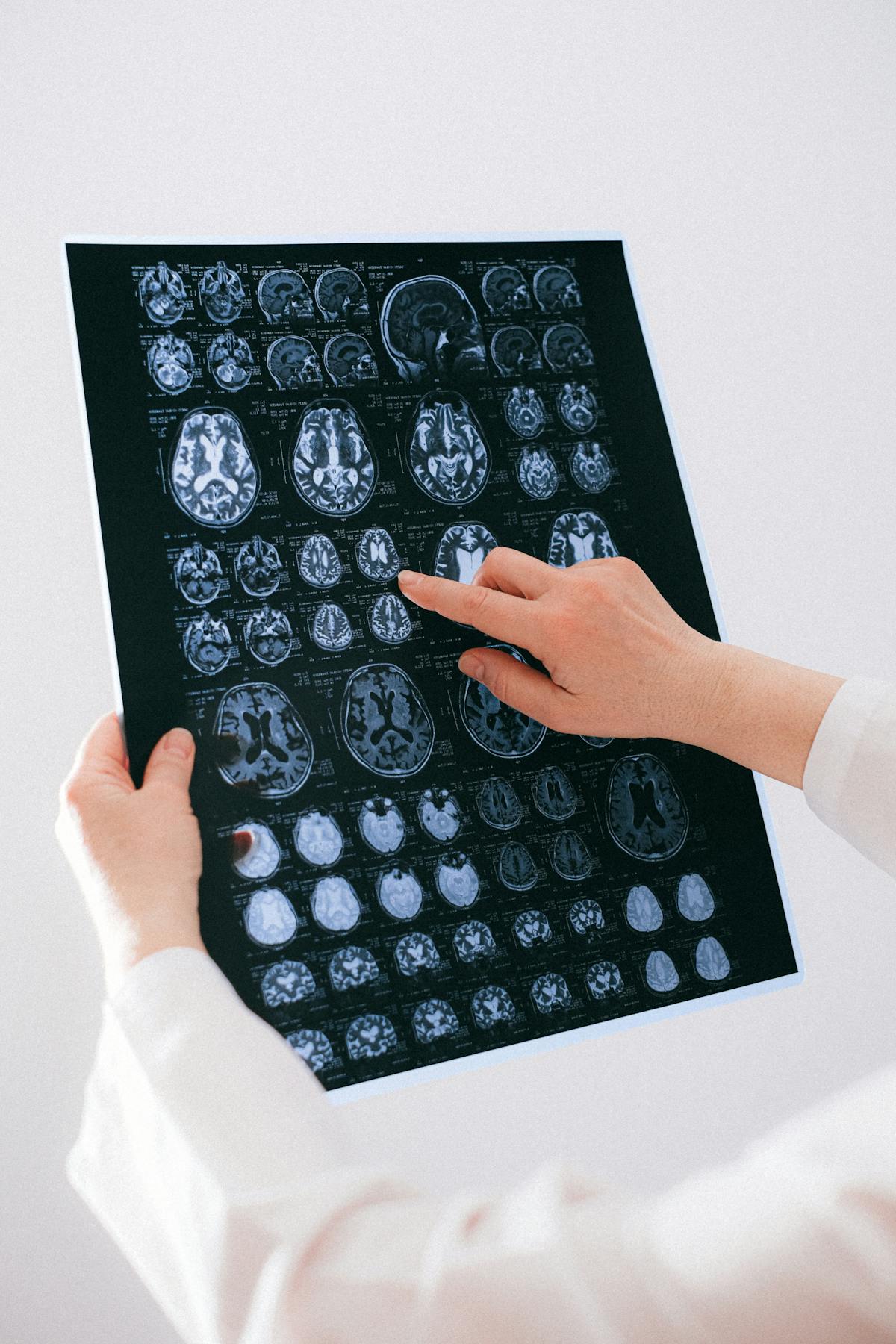
Dr. Biernacki obtains weight-bearing X-rays to evaluate sesamoid integrity, rule out avulsion fracture, and assess for pre-existing hallux rigidus. MRI is the gold standard for evaluating plantar plate integrity, sesamoid injury, and cartilage involvement — particularly for Grade II and III injuries and for athletes who need precise prognostication for return to sport.
Treatment
Grade I: Buddy taping and rigid-soled athletic shoe or stiff carbon fiber insole to limit MTP dorsiflexion. NSAIDs, ice, and modification of activity. Return to sport in 3–10 days with taping.
Grade II: Short period of boot immobilization (1–2 weeks), followed by rigid insole or carbon fiber Morton’s extension plate under the big toe to limit MTP motion during return to sport. Taping throughout athletic activity. Physical therapy for range of motion and progressive strengthening.
Grade III: Walking boot immobilization for 3–6 weeks. For complete plantar plate tears with MTP instability, or for displaced sesamoid fractures, surgical repair of the plantar capsular complex and/or sesamoid treatment may be indicated. Rehabilitation and return to sport timelines extend to 3–6 months for severe Grade III injuries.
Long-term concern — hallux rigidus: Inadequately treated turf toe is a significant risk factor for developing hallux rigidus (first MTP arthritis) later in life. This is why prompt, accurate evaluation and appropriate immobilization are critical even for what appears to be a “simple” big toe sprain.
Dr. Tom's Product Recommendations

CURREX CleatPro Insole — Firm Arch
⭐ Highly Rated
Dynamic sport insole with a firm carbon fiber shank that limits first MTP dorsiflexion — directly reducing turf toe re-injury risk during return to sport. Fits most athletic cleats and court shoes.
Dr. Tom says: “A firm-shanked sport insole is essential for athletes returning to sport after turf toe — it limits the MTP dorsiflexion that caused the injury and protects the healing plantar plate.”
Athletes returning to sport after turf toe Grade I or II
Acute turf toe requiring rigid boot immobilization
Disclosure: We earn a commission at no extra cost to you.

Mueller Sports Turf Toe Plate — Rigid Carbon
⭐ Highly Rated
Rigid carbon fiber plate that slides inside athletic shoes to limit big toe dorsiflexion during sport — the key intervention for turf toe management and prevention of re-injury.
Dr. Tom says: “A rigid toe plate is the most important equipment modification for turf toe — it prevents the hyperextension that caused the injury while allowing the athlete to return to sport more quickly.”
Turf toe rehabilitation and return to sport
Grade III turf toe requiring boot immobilization before return to activity
Disclosure: We earn a commission at no extra cost to you.
✅ Pros / Benefits
- Grade I and II turf toe responds well to conservative management with rapid return to sport
- Rigid insole modification prevents re-injury during return to play
- Early accurate grading with MRI guides correct management
- Prompt treatment prevents long-term hallux rigidus risk
❌ Cons / Risks
- Grade III with complete plantar plate tear may require surgery
- Inadequately managed turf toe is a major risk factor for hallux rigidus
- Athletes often return to sport too early — risking Grade I upgrading to Grade III
Dr. Tom Biernacki’s Recommendation
Turf toe sounds minor — it’s just a big toe sprain, right? But I’ve seen Grade III turf toe injuries that ended athletes’ seasons, and I’ve seen patients years later with significant hallux rigidus that began with an underestimated turf toe. The grading matters, MRI matters for Grade II and III, and getting the athlete into the right rigid insole for return to play matters. We take this injury seriously here.
— Dr. Tom Biernacki, DPM | Board-Certified Podiatric Surgeon | Balance Foot & Ankle
Frequently Asked Questions
How long does turf toe take to heal?
Grade I: 3–10 days. Grade II: 1–3 weeks. Grade III: 3–6 weeks to months depending on severity and whether surgery is needed. Return to full sport without a rigid insole protection is not recommended until full painless range of motion and strength are restored.
Can turf toe be played through?
Grade I turf toe can often be played through with proper taping and rigid insole support. Grade II and III injuries risk progression to severe plantar plate disruption if not appropriately immobilized. Playing through a Grade III turf toe can cause permanent MTP joint damage.
Does turf toe need an MRI?
MRI is recommended for Grade II and III turf toe to evaluate plantar plate integrity, sesamoid injury, and cartilage involvement — particularly for high-level athletes where accurate prognostication for return to sport is important.
Is turf toe only a football injury?
No — while turf toe was named for its prevalence in American football players on artificial turf, it occurs in soccer, basketball, gymnastics, wrestling, and any sport requiring explosive push-off from the forefoot. Flexible minimalist athletic footwear on any surface can contribute to turf toe risk.
Michigan Foot Pain? See Dr. Biernacki In Person
4.9★ rated | 1,123 Reviews | 3,000+ Surgeries
Same-week appointments · Howell & Bloomfield Hills
📞 (810) 206-1402 Book Online →Frequently Asked Questions
How long does treatment take to work?
Most patients see improvement in 4-8 weeks with consistent conservative care. Persistent symptoms after 8 weeks need imaging and escalation.
When is surgery needed?
Surgery is reserved for cases that fail 3-6 months of conservative care, structural deformities, or fractures requiring stabilization.
Is this covered by insurance?
Most diagnostic visits and conservative treatments are covered by Medicare and major insurers. Custom orthotics often require diabetic or post-surgical justification.
Visit Balance Foot & Ankle — Same-Day Appointments Available
Our podiatry team serves patients throughout Michigan including Howell, Brighton, and Bloomfield Hills. If you’re dealing with heel pain, ingrown toenails, or a foot injury, we have same-day appointment availability.
Ready to Get Relief?
Same-day appointments available in Howell & Bloomfield Hills, MI
4.9★ | 1,123 Reviews | 3,000+ Surgeries
Or call: (810) 206-1402

Dr. Tom Biernacki, DPM is a board-certified foot & ankle surgeon (ABFAS & ABPM) at Balance Foot & Ankle Specialists in Southeast Michigan. With over a decade of clinical experience, he specializes in heel pain, bunions, diabetic foot care, sports injuries, and minimally invasive surgery. Dr. Biernacki is a member of the APMA and ACFAS, and his patient education content on MichiganFootDoctors.com and YouTube has made him one of the most-followed foot & ankle educators on YouTube.